What is figurative art?
Short answer
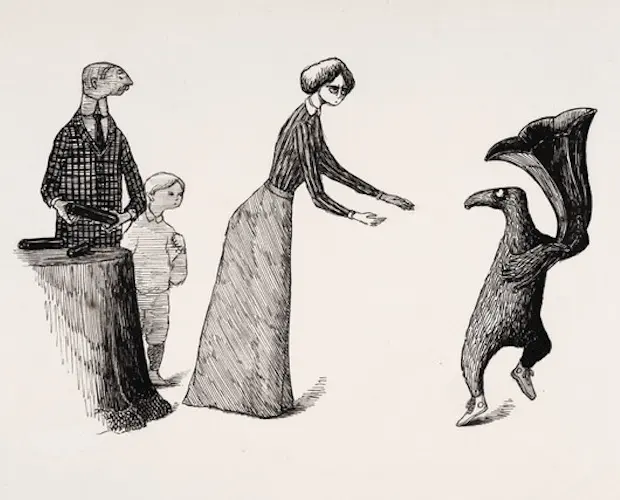
Figurative art is any form of modern or classical art that retains strong references to the real world, particularly the human figure. Unlike abstract art, which focuses on shapes and colors, figurative work depicts recognizable objects, people, or landscapes, serving as a visual bridge between the artist’s imagination and physical reality.
On this page
What defines figurative art?
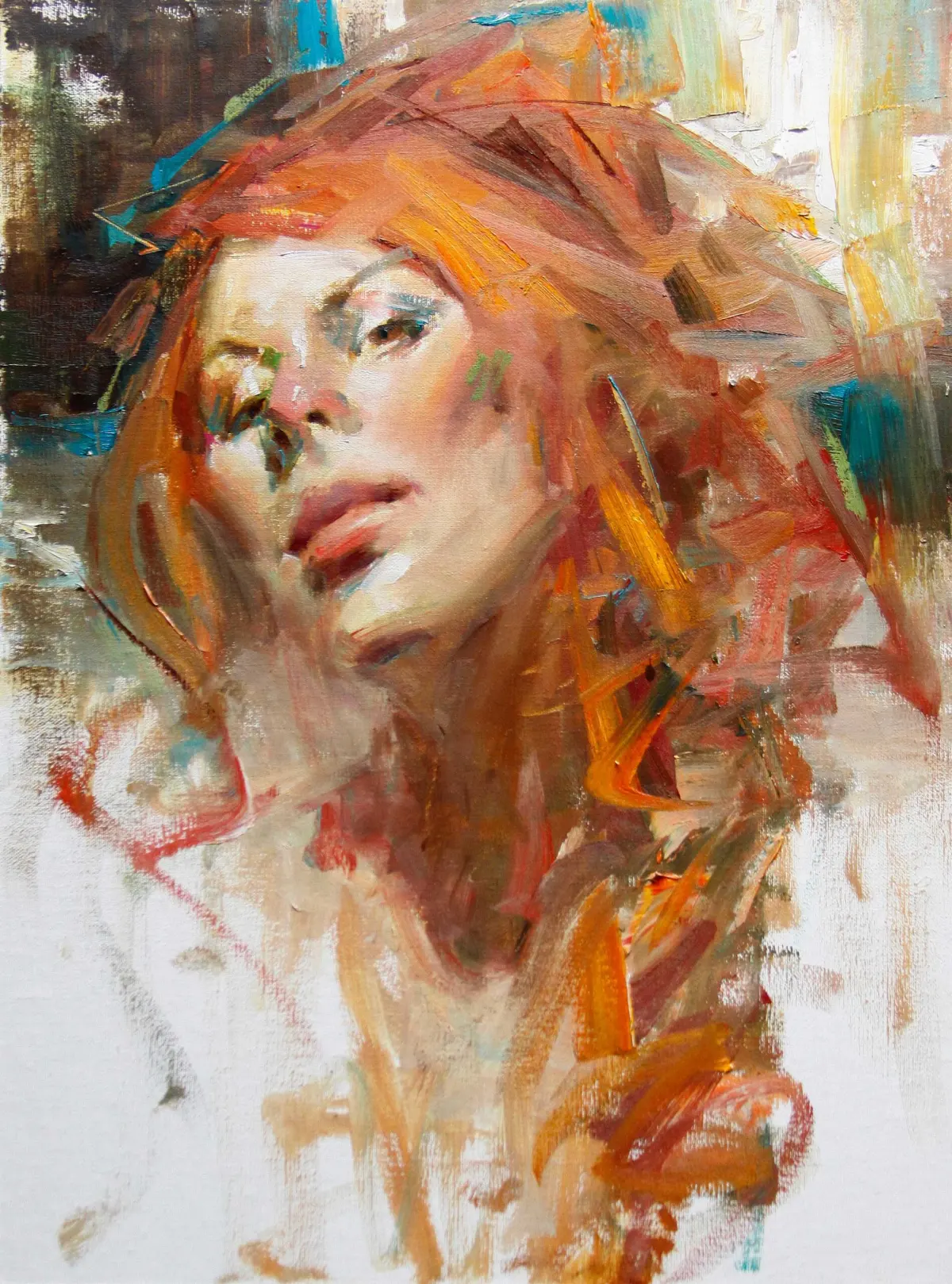
Figurative art is defined by its reliance on representational imagery. While abstract art strips away recognizable subjects to focus on formal elements like line and texture, figurative art intentionally keeps the subject matter clear. This does not mean the work must be hyper-realistic; it simply requires that the viewer can identify the depicted subjects, such as a person, a tree, or a bowl of fruit.
The term gained prominence in the 20th century to distinguish representational work from the rising tide of abstraction. Artists working in this style may distort proportions or use non-naturalistic colors to convey emotion, yet the underlying subject remains grounded in the observable world. By maintaining this connection to reality, figurative artists utilize the viewer’s existing knowledge of the world to communicate complex narratives, psychological states, or social commentary.
How to identify figurative art styles
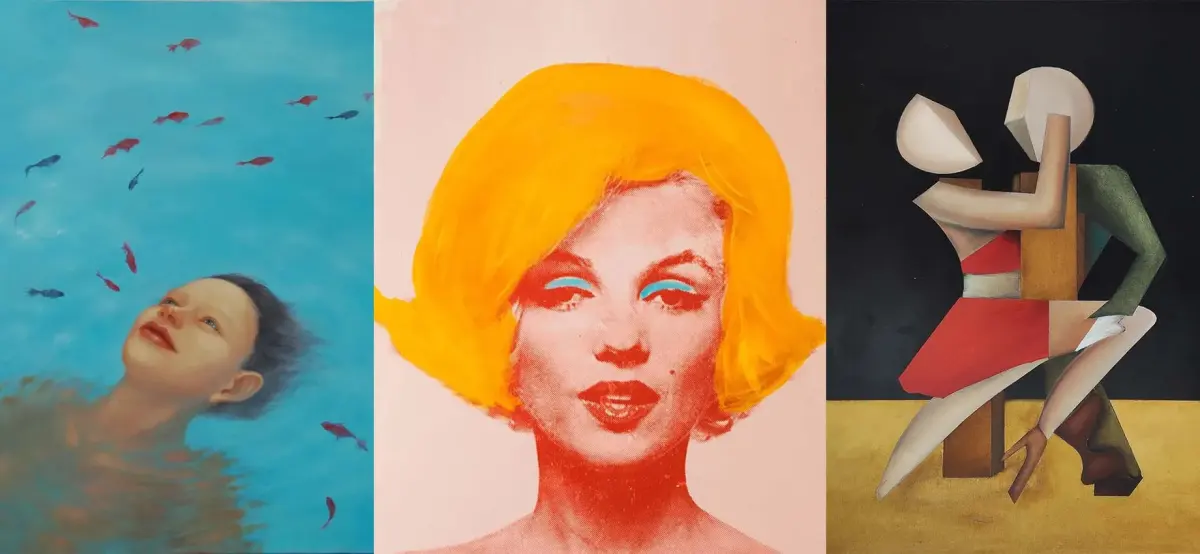
Identifying figurative art involves looking for specific visual cues that link the work to the tangible environment. These works often fall into established categories based on their intent and execution. Recognizing these styles helps viewers appreciate the diverse ways artists interpret the physical world.
- Realism: A style that aims to depict subjects as they appear in everyday life without artificiality.
- Expressionism: Figurative work that distorts reality to evoke a specific mood or emotional response.
- Surrealism: A style that combines recognizable figures with dreamlike or illogical settings.
- Impressionism: Focuses on capturing the fleeting effects of light on a scene rather than precise detail.
- Classical Art: Emphasizes idealized proportions and historical or mythological subjects.
Each style uses the human form or physical objects as a foundation, but the final aesthetic depends on the artist's specific goal. Whether the focus is on light, shadow, or emotional distortion, the presence of a recognizable subject is the common thread.
Why figurative art remains relevant
Figurative art remains a cornerstone of the art world because it taps into the human instinct for storytelling. Because the subjects are familiar, viewers can immediately relate to the work on a personal level. This accessibility allows artists to address universal themes like mortality, love, and political struggle through the lens of the human experience.
Throughout history, from the cave paintings of Lascaux to the contemporary portraits of artists like Kehinde Wiley, figurative art has served as a primary record of human civilization. It provides a visual history of fashion, social structures, and cultural values. By centering the human figure, these works create a direct line of empathy between the creator and the audience, ensuring that the art remains deeply resonant across different generations and cultures.
How to start creating figurative art
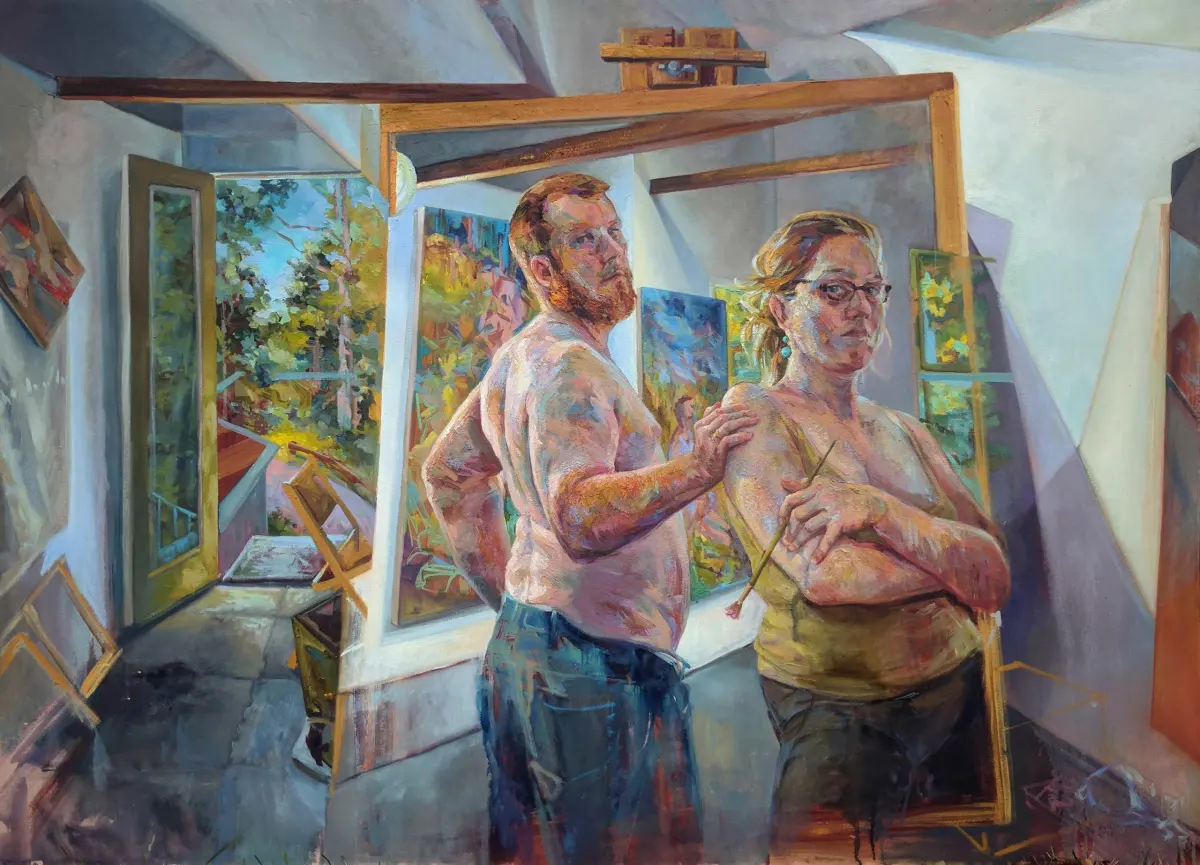
If you are interested in creating your own figurative work, the process requires a balance of observation and technique. It is best to begin by studying the fundamental structures of your subject before attempting to add personal style or emotional weight.
- Select a simple subject, such as a piece of fruit or a basic human pose, to practice your initial sketches.
- Focus on the "gesture" or the overall movement of the subject rather than getting lost in tiny details.
- Use light and shadow to create a sense of volume, which helps the subject appear three-dimensional.
- Experiment with different mediums like charcoal, graphite, or oil paint to see how they influence your depiction of texture.
- Practice regularly, studying how light hits different surfaces and how anatomy functions in various positions.
Consistency is more important than perfection in the early stages. By focusing on the relationship between shapes and space, you will gradually build the confidence needed to tackle more complex compositions.
Common mistakes when painting figurative art
Even experienced artists can fall into traps when working with representational subjects. One of the most frequent errors is prioritizing detail over the overall structure of the piece. When an artist focuses too heavily on small features, like individual eyelashes or the texture of fabric, the work often loses its sense of proportion and depth.
- Over-detailing: Spending too much time on small parts before the main proportions are correct.
- Ignoring negative space: Forgetting to look at the shapes created between objects, which are vital for accurate composition.
- Rigid outlines: Using heavy, dark lines around every object, which can make the work look flat or cartoonish.
- Poor lighting: Failing to establish a consistent light source, which causes the subject to look disconnected from its environment.
- Lack of gesture: Creating figures that look stiff or lifeless because the underlying movement was ignored.
To avoid these pitfalls, step back from your work frequently to view the piece as a whole. Ensure that your light source is consistent and that your proportions are established before moving on to fine details. By maintaining a focus on the structural integrity of your subject, you will produce work that feels both grounded and authentic.
Key facts
- Figurative art represents recognizable objects, people, or places from the real world, distinguishing it from abstract art.
- The term is used broadly to describe any art that retains a strong reference to the visible, physical reality.
- Renaissance masters like Leonardo da Vinci and Michelangelo defined the Western tradition of figurative realism through anatomical precision.
- Modern figurative art, such as the work of Lucian Freud or Alice Neel, often prioritizes emotional depth and psychological truth over photorealism.
- To practice figurative drawing, focus on "gestural sketching" to capture the movement of a subject before adding fine details.
- A common mistake is focusing on individual features like eyes or fingers too early, which often leads to distorted proportions.
The bottom line
Figurative art serves as a bridge between the physical world and the artist's personal interpretation. By focusing on recognizable forms, artists can communicate complex human experiences, historical narratives, and emotional states. Whether through classical realism or modern abstraction, this genre remains a fundamental pillar of creative expression, inviting viewers to engage with subjects that feel familiar yet are transformed through the artist's unique perspective.
People also ask
Is figurative art the same as realism?
While realism is a specific style that aims for objective accuracy, figurative art is an umbrella term that includes various degrees of stylization. An artist can create figurative work that is expressionistic or distorted while still remaining clearly representational.
Can figurative art include portraits?
Yes, portraiture is one of the most prominent genres within figurative art. It focuses on capturing the likeness and character of a specific human subject through painting, drawing, or sculpture.
How does figurative art differ from abstract art?
Figurative art relies on identifiable subjects from the physical world, whereas abstract art uses shapes, colors, and forms to achieve its effect. Abstract art intentionally avoids direct representation of external reality to focus on internal concepts or pure aesthetics.
Do I need to be a master of anatomy to create figurative art?
You do not need to be a medical expert, but understanding basic human proportions is essential for convincing results. Studying the "eight-head rule," where the body is measured in units of the head's height, is a great starting point for beginners.
What are the best mediums for starting figurative art?
Graphite pencils and charcoal are the most practical tools for learning because they allow for easy corrections and focus on light and shadow. Once you understand value and form, you can transition to oil paints or acrylics.
What is a common mistake for beginners in figurative art?
Beginners often rely on "symbol drawing," where they draw what they think an eye or nose looks like rather than observing the actual shape. Always look at the negative space around the subject to improve your accuracy.
This answer was created with the help of AI research tools and reference sources. Spotted an error? Let us know — we correct mistakes quickly. See our editorial policy.