What is Henri de Toulouse-Lautrec known for?
Short answer
Henri de Toulouse-Lautrec is best known for his iconic posters and paintings capturing the vibrant, bohemian nightlife of late 19th-century Paris. His innovative use of bold colors, flat planes, and dynamic silhouettes revolutionized graphic design. He remains celebrated for his empathetic, candid portrayals of entertainers, dancers, and marginalized figures in Montmartre.
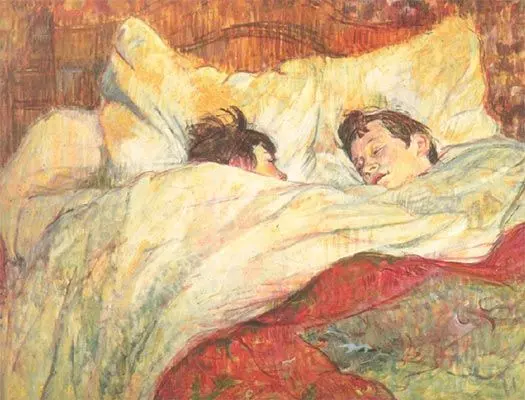
On this page
What defined his artistic style?
Toulouse-Lautrec developed a distinct visual language heavily influenced by Japanese ukiyo-e woodblock prints. He favored bold, asymmetrical compositions, strong outlines, and expressive, non-naturalistic color palettes. By stripping away unnecessary detail, he focused on the essence of movement and personality. His ability to capture the psychological depth of his subjects through quick, gestural brushstrokes set him apart from the rigid academic standards of his era.
His work often utilized a technique known as "peinture à l'essence," where oil paint was thinned with turpentine to create a matte, watercolor-like finish. This allowed him to work rapidly, capturing the fleeting energy of cabaret performers. His style was not merely decorative; it was a journalistic observation of modern life. By prioritizing line and silhouette over traditional shading, he paved the way for modern graphic design and the development of the commercial poster as a legitimate art form.
How did he change poster design?
Before Toulouse-Lautrec, posters were often cluttered and purely informational. He transformed them into high-art experiences by treating the advertisement as a bold, simplified graphic statement. His 1891 poster for the Moulin Rouge, featuring the dancer La Goulue, is considered a masterpiece that elevated the medium. He successfully integrated text and image, ensuring that the typography complemented the visual rhythm of the composition.
To create his famous lithographic posters, he followed a meticulous process that required technical precision and artistic vision:
- Sketching rough compositions on-site to capture the energy of the performer.
- Transferring the design to multiple lithographic stones, one for each color used.
- Applying the ink carefully to ensure the flat, vibrant fields of color remained consistent.
- Printing limited editions that were often sold to collectors, blurring the line between commercial advertising and fine art.
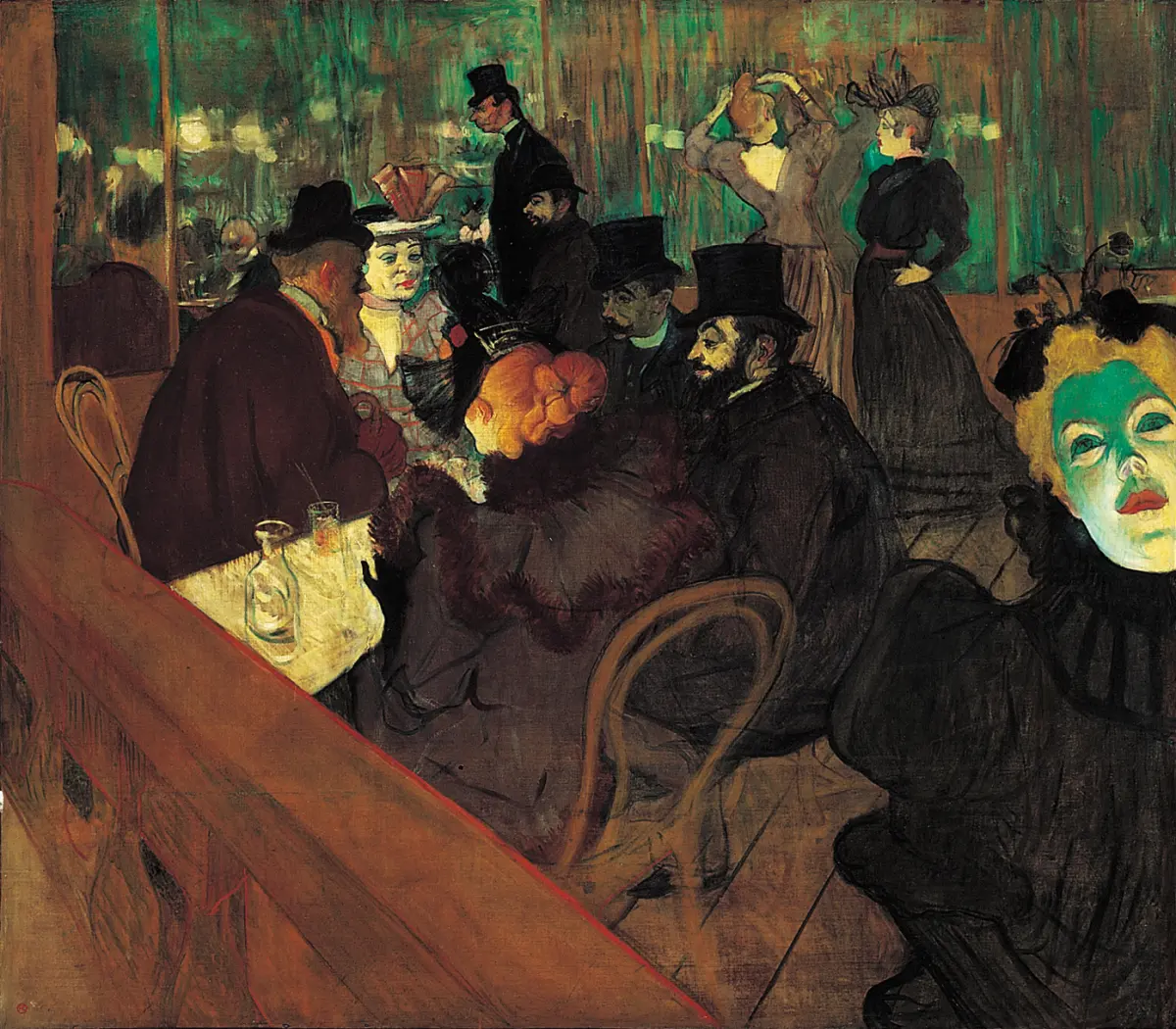
Why is his work associated with Montmartre?
Toulouse-Lautrec lived in the heart of Montmartre, a district in Paris known for its rebellious spirit and nightlife. He became a fixture in establishments like the Moulin Rouge, Le Chat Noir, and the Mirliton. Unlike many of his contemporaries who painted landscapes or idealized figures, he turned his gaze toward the cabaret dancers, prostitutes, and circus performers who populated these venues. His work provides a rare, unvarnished look at the social strata of 1890s Paris.
His fascination with these subjects was rooted in his own sense of alienation. Born into aristocracy, he suffered from a genetic disorder that stunted his leg growth, leading him to find solace among the outcasts of society. He treated his subjects with dignity and empathy, avoiding the moralizing tone common in Victorian-era depictions of lower-class life. His art serves as a historical record of a specific time and place, capturing the ephemeral joy and underlying melancholy of the Belle Époque.
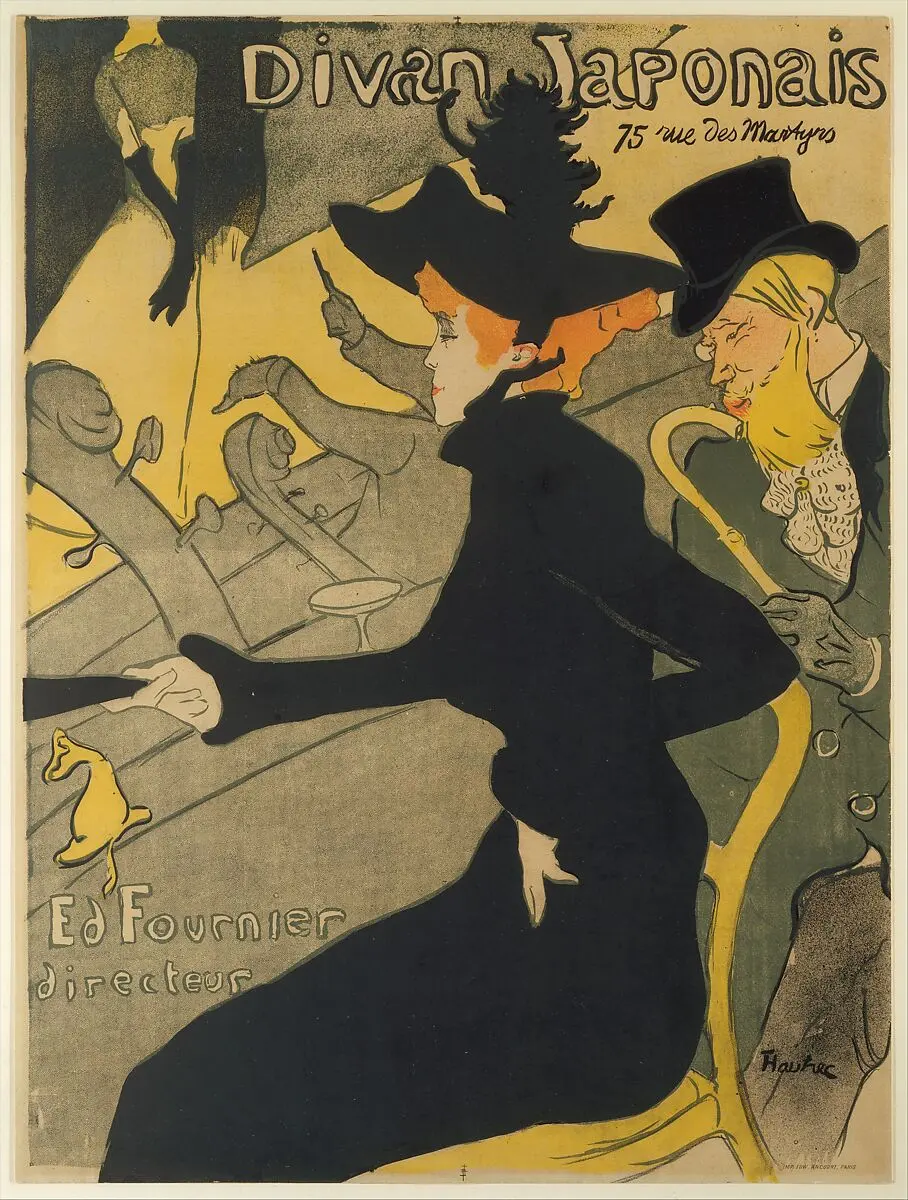
Common mistakes when analyzing his art
Many viewers mistakenly assume that his posters were mass-produced in the modern sense. In reality, he treated each lithograph as a carefully crafted print, often limiting the production run to ensure quality. Another frequent error is viewing his work as purely cynical or grotesque. While he did not shy away from the harsh realities of his subjects, his intent was to highlight their humanity and individual charisma rather than to mock their physical appearances or social standing.
When studying his paintings, avoid these common pitfalls:
- Ignoring the influence of photography, which informed his unconventional cropping and framing techniques.
- Misinterpreting his use of flat color as a lack of technical skill, when it was actually a deliberate aesthetic choice.
- Assuming his depictions of brothels were meant to be sensationalist, rather than quiet, domestic studies of women in private moments.
- Overlooking the importance of his text placement, which was essential to the balance of his posters.
Best ways to appreciate his legacy today
To truly understand the impact of Toulouse-Lautrec, one should look at how his work bridges the gap between fine art and commercial design. Today, his influence is visible in modern graphic design, branding, and the use of bold, minimalist imagery in advertising. His posters are frequently exhibited in major museums globally, reminding us that art does not need to be confined to a gallery wall to be profound.
If you want to explore his work effectively, follow these steps:
- Visit the Musée Toulouse-Lautrec in Albi, France, which houses the largest collection of his works.
- Compare his lithographs side-by-side with contemporary Japanese woodblock prints to see the stylistic parallels.
- Examine his sketchbooks to see how he distilled complex scenes into simple, powerful lines.
- Read contemporary accounts of the cabaret scene to understand the cultural context that fueled his creative output.
By engaging with his work through these lenses, you will gain a deeper appreciation for how he captured the soul of a city through his unique, modern vision.
Key facts
- Henri de Toulouse-Lautrec was a French Post-Impressionist painter famous for his depictions of the vibrant nightlife in late 19th-century Paris.
- He is best known for his innovative color lithograph posters, which revolutionized the art of commercial advertising in the 1890s.
- Born in 1864, he suffered from a genetic condition that stunted his growth, leading him to find solace in the bohemian culture of Montmartre.
- His most iconic subjects included cabaret performers like Jane Avril and the dancer known as La Goulue at the Moulin Rouge.
- To appreciate his work, look for his signature use of bold outlines, flat color planes, and dynamic, asymmetrical compositions inspired by Japanese woodblock prints.
- Avoid viewing his work only as decorative; his art offered a poignant, often unflinching look at the marginalization of society’s outcasts.
The bottom line
Henri de Toulouse-Lautrec remains a defining figure of the Parisian Belle Époque. By masterfully blending fine art with commercial poster design, he captured the raw, electric energy of Montmartre’s nightlife. His legacy lies in his ability to humanize the marginalized, transforming the cabaret scene into an enduring visual language that continues to influence modern graphic design and our perception of bohemian culture today.
People also ask
Why did Toulouse-Lautrec focus on cabaret life?
He felt a sense of kinship with the performers and outcasts of Montmartre, who, like him, existed on the fringes of polite society. The cabaret provided him with a community where his physical disability was less of a focus than his artistic talent.
What painting techniques did he use?
He frequently used a technique called peinture à l'essence, which involved thinning oil paint with turpentine to create a matte, sketch-like effect. This allowed him to work quickly and capture the fleeting energy of a performance.
Did he have a formal art education?
Yes, he moved to Paris in 1882 to study under academic painters like Léon Bonnat and Fernand Cormon. However, he eventually rejected their rigid classical style in favor of the more experimental approaches of the Impressionists.
How did his posters change advertising?
He elevated the poster from a simple notice to a high-art form by using bold, simplified shapes and expressive typography. His designs for the Moulin Rouge became so popular that people would often peel them off the walls to keep as souvenirs.
Was he a successful artist during his lifetime?
While he gained significant fame for his posters and illustrations, he struggled with severe alcoholism and health issues throughout his career. He died at the age of 36 in 1901, just as he was beginning to receive wider critical acclaim.
Where can I see his original works today?
The Musée Toulouse-Lautrec in Albi, France, holds the largest collection of his work, including paintings, drawings, and posters. Many major museums worldwide, such as the Art Institute of Chicago and the Musée d'Orsay, also display his masterpieces.
This answer was created with the help of AI research tools and reference sources. Spotted an error? Let us know — we correct mistakes quickly. See our editorial policy.