What is amigurumi?
Short answer
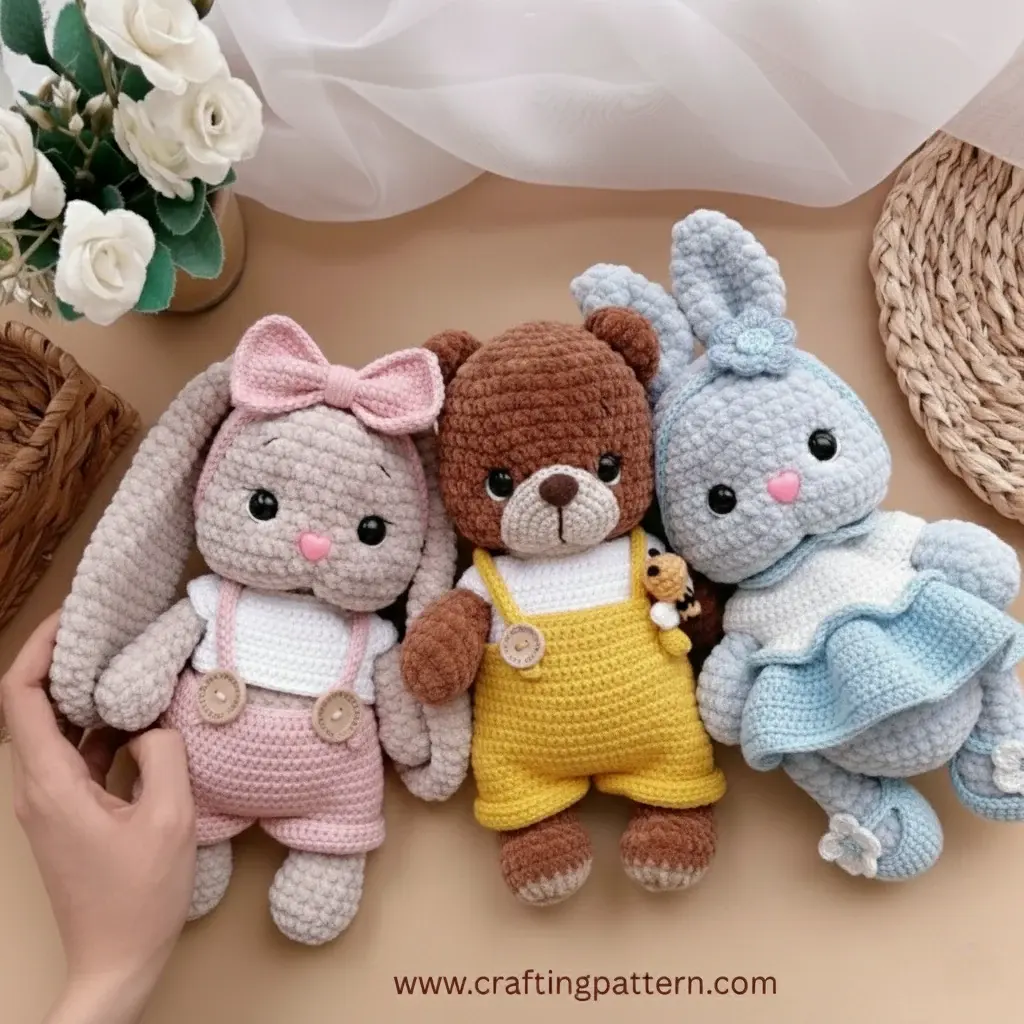
Amigurumi is the Japanese art of knitting or crocheting small, stuffed yarn creatures or objects. The term combines the Japanese words "ami," meaning crocheted or knitted, and "nuigurumi," meaning stuffed doll. These projects typically use a dense, single-crochet stitch pattern to ensure the stuffing does not show through the fabric.
On this page
What is the history of amigurumi?
While the craft gained widespread international popularity in the early 21st century, its roots in Japan are older. The practice evolved from traditional Japanese doll-making techniques and the broader culture of "kawaii," or cuteness. Early Japanese knitting patterns were often utilitarian, but the development of amigurumi shifted the focus toward decorative, anthropomorphic figures.
The craft saw a massive surge in the early 2000s, largely facilitated by the rise of the internet and global craft platforms. As patterns became accessible online, enthusiasts from around the world began sharing designs, leading to a fusion of traditional Japanese aesthetics with Western crochet techniques. Today, amigurumi is a global phenomenon, celebrated for its accessibility, portability, and the creative freedom it offers to fiber artists.
How do you start making amigurumi?
Starting an amigurumi project requires only a few basic tools and a willingness to learn a single, fundamental stitch. Most designs rely almost exclusively on the single crochet stitch, which creates a tight fabric that prevents the stuffing from poking out. Beginners should focus on mastering the "magic ring," a technique used to start circular pieces without leaving a hole in the center.
- Gather a crochet hook, typically sized smaller than the yarn label suggests to ensure a tight gauge.
- Select a smooth, light-colored acrylic or cotton yarn, which makes it easier to see your stitches.
- Learn the single crochet stitch and how to work in continuous rounds rather than joining rows.
- Practice increasing and decreasing stitches to shape your piece into spheres or cylinders.
- Use a stitch marker to keep track of the start of each round, as it is easy to lose your place.
What materials are best for beginners?
Choosing the right materials is crucial for ensuring your finished doll looks professional and holds its shape. Cotton yarn is often preferred by experts because it has little stretch and creates very defined, crisp stitches. Acrylic yarn is also an excellent, affordable choice that comes in a wide variety of colors, though it may be slightly fuzzier than cotton.
- Cotton yarn: Best for stitch definition and durability.
- Acrylic yarn: Budget-friendly and widely available in many colors.
- Polyester fiberfill: The standard stuffing material for a soft, squishy finish.
- Safety eyes: Plastic fasteners that snap into place, providing a secure, professional look.
- Tapestry needles: Essential for sewing pieces together and weaving in loose ends.
Always ensure your crochet hook is smaller than recommended on the yarn label. This creates a "tight gauge," which is the secret to preventing the stuffing from showing through the gaps in your work.
How long does it take to finish a project?
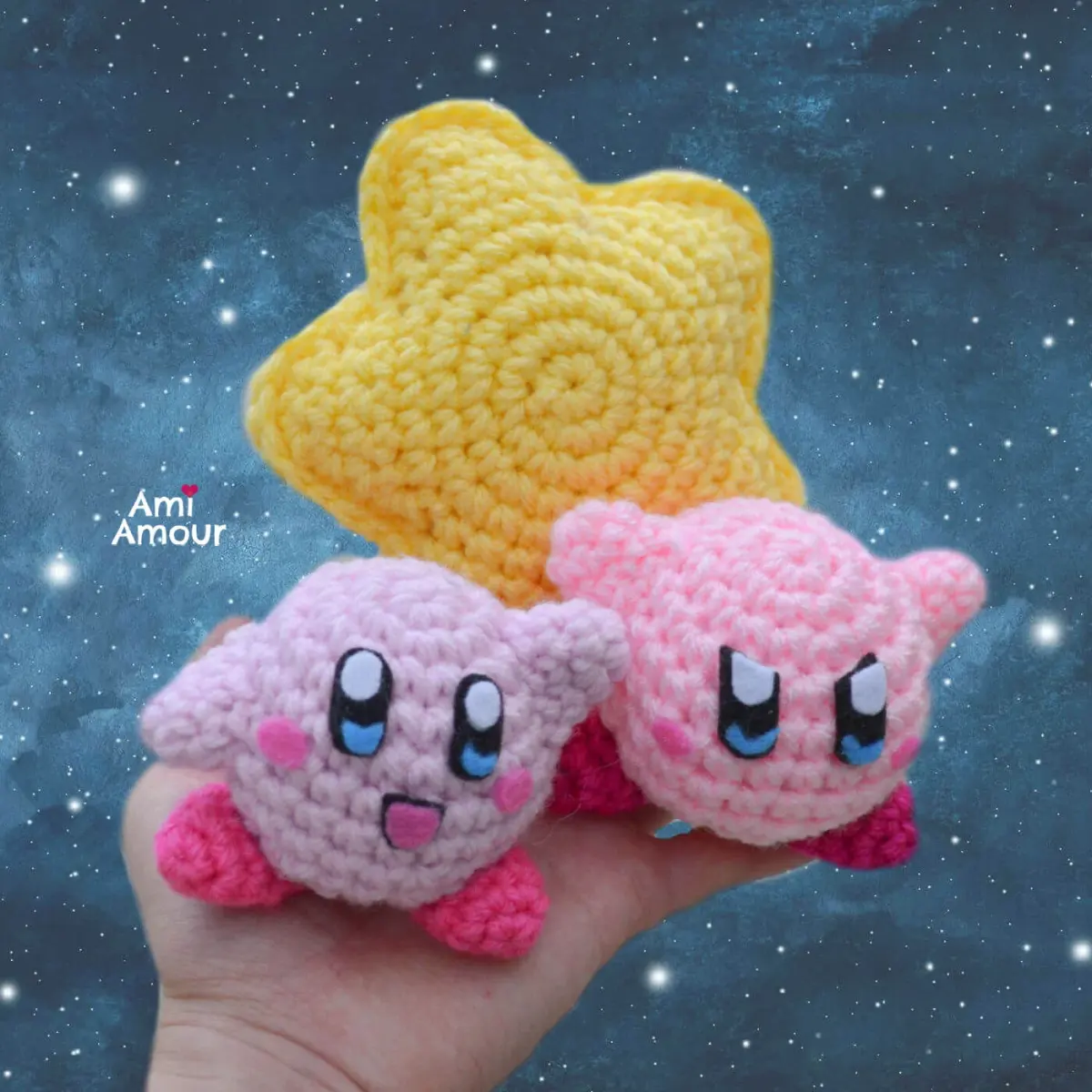
The time required to complete an amigurumi project varies significantly based on the complexity of the pattern and your personal experience level. A simple, palm-sized creature might take a beginner three to five hours, while an experienced crocheter could finish the same piece in under an hour. Larger, more intricate designs with many separate parts—such as limbs, ears, or clothing—can take several days or even weeks to complete.
Factors that influence completion time include:
- The number of individual pieces that require assembly.
- The complexity of color changes within a single round.
- The amount of surface embroidery or facial detailing required.
- Your proficiency with sewing pieces together, which is often the most time-consuming step.
If you are new to the craft, do not rush the process. Amigurumi is intended to be a meditative, relaxing hobby, and the quality of your final product depends heavily on maintaining consistent tension throughout the entire piece.
Common mistakes when making amigurumi
One of the most frequent errors beginners make is having loose tension, which creates gaps that allow the stuffing to peek through. To fix this, consciously pull your yarn tight after every stitch and consider using a smaller hook size. Another common mistake is failing to count stitches at the end of every round. Because amigurumi is worked in a continuous spiral, a single missed stitch can throw off the entire shape of the doll, making it difficult to attach limbs or features accurately later on.
When sewing pieces together, beginners often use too much yarn or leave visible knots. Use a tapestry needle to hide your yarn tails inside the body of the doll rather than tying them off on the outside. Finally, avoid overstuffing your creation. While it should be firm, too much stuffing will stretch the fabric and reveal the inner structure. Aim for a balance where the piece is plump but the stitches remain closed and uniform. By focusing on these small details, you will create professional-looking dolls that stand the test of time.
Key facts
- Amigurumi is the Japanese art of knitting or crocheting small, stuffed yarn creatures or objects.
- The term is a portmanteau of the Japanese words "ami," meaning crocheted or knitted, and "nuigurumi," meaning stuffed doll.
- Most amigurumi are worked in continuous rounds using a smaller crochet hook than the yarn weight suggests to ensure tight stitches.
- Safety eyes, which are plastic fasteners with locking backs, are a hallmark of the craft to prevent small parts from detaching.
- The most common stitch used is the single crochet, which creates a dense fabric that prevents the stuffing from poking through.
- Beginners should prioritize maintaining consistent tension and using stitch markers to track the start of each round.
The bottom line
Amigurumi represents a blend of technical precision and creative expression, transforming simple yarn into charming, three-dimensional figures. By mastering basic crochet stitches and focusing on tight tension, crafters can create durable, personalized dolls and objects. Whether you are a novice or an experienced fiber artist, the process offers a rewarding way to produce handmade gifts and collectibles that are both whimsical and structurally sound.
People also ask
What materials do I need to start?
You will need a crochet hook, medium-weight acrylic or cotton yarn, polyester fiberfill for stuffing, and a yarn needle. A pair of sharp scissors and stitch markers are also essential tools for keeping your work organized.
Is it difficult for beginners to learn?
Amigurumi is highly accessible because it relies primarily on the single crochet stitch and working in the round. While complex shapes require practice, simple spheres and cylinders are perfect starting projects for those new to the craft.
Why do my stitches have gaps where the stuffing shows?
This usually happens because your crochet hook is too large for the yarn, or your tension is too loose. Try dropping down one or two hook sizes to create a tighter, more uniform fabric.
How do I join new yarn when I run out?
The most secure way is to carry the new yarn through the final pull-through of the last stitch of the old color. You can then knot the ends on the inside of the piece before stuffing.
Can I wash my finished amigurumi?
Most acrylic-based amigurumi can be machine washed in a mesh laundry bag on a gentle cycle. However, items with glued-on details or delicate accessories should be hand-washed and air-dried to prevent damage.
How do I make my amigurumi look professional?
Consistent tension and careful finishing are key to a polished look. Taking the time to weave in all yarn tails securely and using pins to position limbs before sewing them on will significantly improve the final result.
This answer was created with the help of AI research tools and reference sources. Spotted an error? Let us know — we correct mistakes quickly. See our editorial policy.