What is process art?
Short answer
Process art is a creative movement where the act of making the work is more significant than the finished product. Emerging in the 1960s, it emphasizes the artist’s actions, the physical properties of materials, and the element of chance, often resulting in works that evolve, decay, or remain intentionally incomplete.
On this page
What is the history of process art?
Process art emerged in the United States and Europe during the mid-1960s as a reaction against the rigid, polished aesthetic of Minimalism. While Minimalist artists focused on precise geometric forms and industrial fabrication, process artists sought to highlight the fluidity of materials and the labor involved in creation. They believed that the "process"—the gathering, sorting, pouring, or hanging of materials—was the true essence of the artwork.
Key figures in this movement include Robert Morris, Eva Hesse, and Richard Serra. In 1968, the influential exhibition "Nine at Leo Castelli" in New York officially brought these ideas to the public. The movement challenged traditional notions of permanence, as many works were designed to be temporary or site-specific. By prioritizing the transformation of matter over the final object, these artists fundamentally shifted how the art world defined creative labor and artistic intent.
How do you create process art?
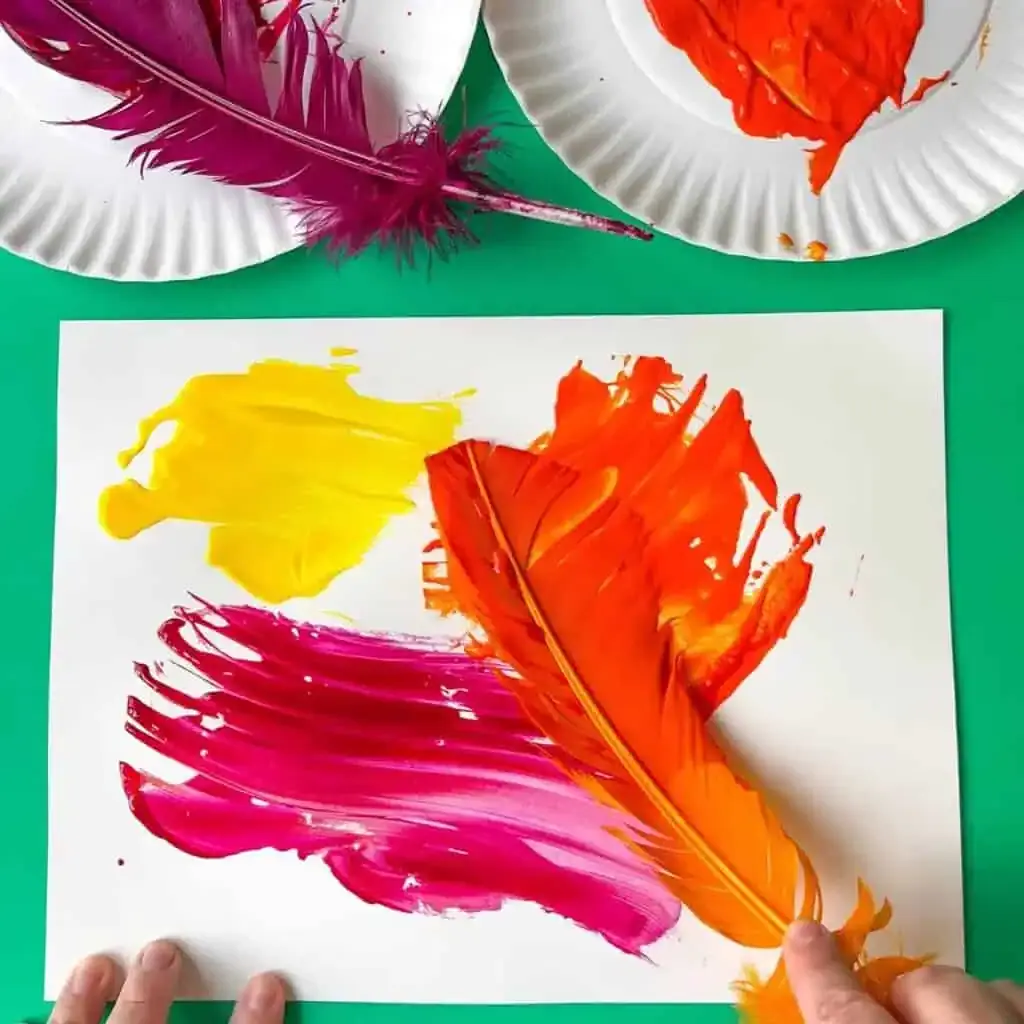
Creating process art requires a shift in mindset from "making a picture" to "engaging with a system." You must relinquish total control and allow the physical properties of your chosen medium to dictate the outcome. The focus remains on the interaction between your physical effort and the material's reaction to gravity, heat, or time.
- Select a material that responds to external forces, such as wax, felt, latex, or loose earth.
- Define a set of simple, repetitive actions, such as dripping, stacking, folding, or scattering.
- Execute these actions in a space where the environment—such as light or temperature—can influence the material.
- Document the progression of the work through photography or video to capture the ephemeral nature of the process.
- Allow the work to exist in its final state without attempting to "fix" or "perfect" the results.
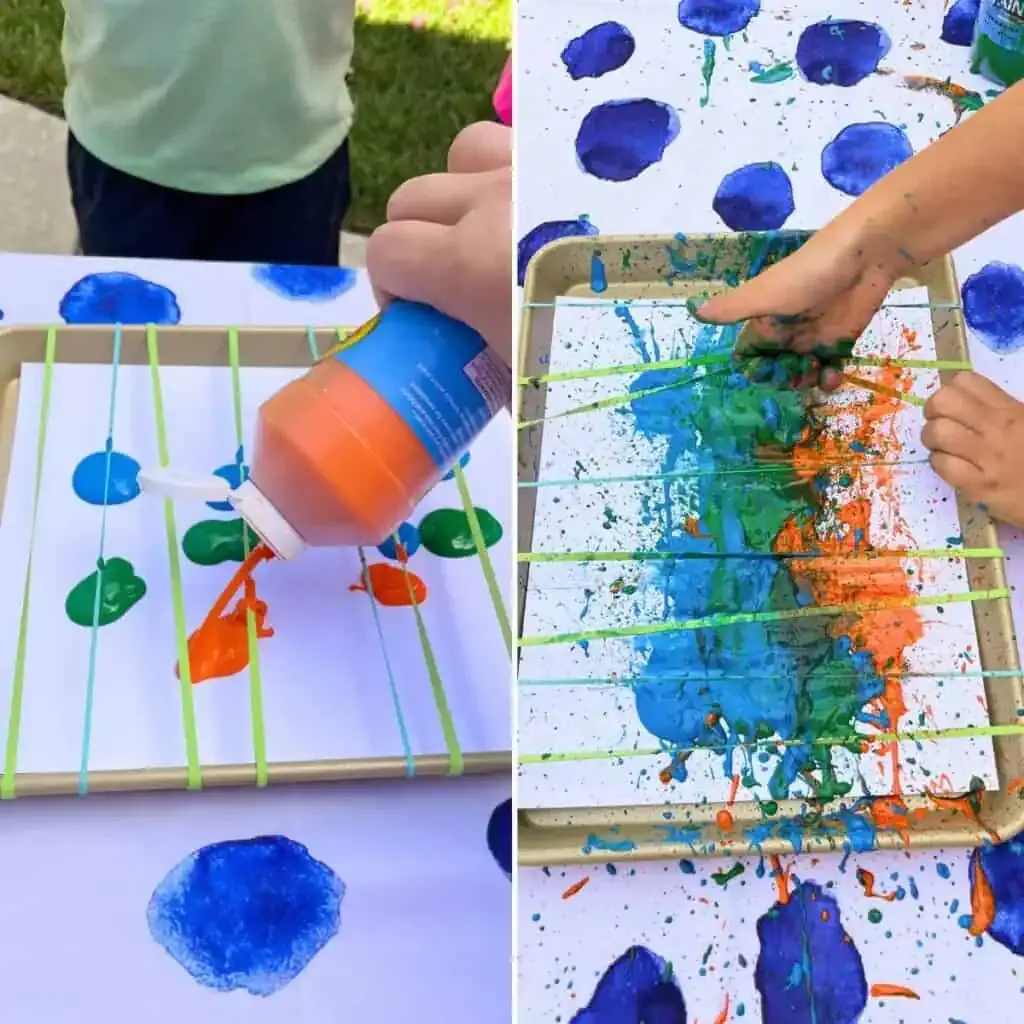
Why do artists choose process art?
Artists choose this method to explore the inherent nature of physical reality rather than representing it through illusion. By using raw, unrefined materials, they strip away the artifice of traditional painting or sculpture. This approach allows for a deeper exploration of themes like entropy, gravity, and the passage of time. The artist becomes a facilitator of change rather than a master of a static object.
Furthermore, process art offers a sense of liberation from the pressures of commercial art production. Because the work is often ephemeral or difficult to transport, it resists the commodification common in the gallery system. It invites the viewer to witness the artist’s struggle and the material's resilience. This transparency creates a more authentic connection between the creator and the audience, as both parties are invited to contemplate the reality of the physical world.
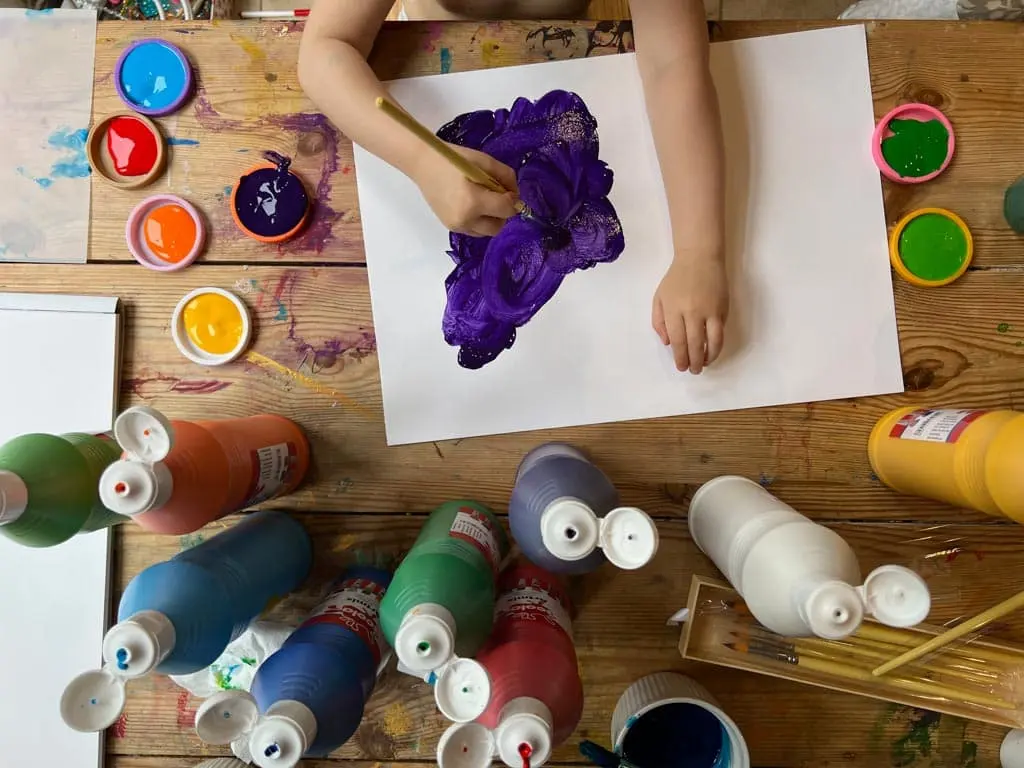
Common mistakes when making process art
A frequent error for beginners is attempting to control the final appearance of the piece too strictly. Process art relies on the unpredictability of materials; if you force a specific shape, you lose the essence of the movement. Avoid trying to hide the "mess" or the evidence of your labor, as these marks are vital components of the final piece.
- Over-planning the final result, which stifles the material's natural behavior.
- Using materials that are too stable or resistant to change, such as hardened steel or glass.
- Ignoring the environment, as factors like humidity or floor texture are essential to the process.
- Trying to preserve the work indefinitely, which contradicts the philosophy of transience.
- Failing to document the stages of creation, which leaves no record of the artistic journey.
- Treating the work as a product to be sold rather than an experience to be shared.
Best materials for beginners
For those starting out, soft and malleable materials are the most effective for observing physical change. These substances respond immediately to gravity and touch, making the cause-and-effect relationship clear. Consider using items that have a distinct texture or weight, as this adds sensory depth to the creative experience.
- Felt or heavy fabric, which can be draped or stacked to show the weight of the material.
- Latex or rubber, which can be poured to create organic, skin-like sheets.
- Wax or paraffin, which changes state when heated and cooled.
- Loose powders or sand, which can be scattered to demonstrate the effects of air and motion.
- String or wire, which can be tangled or suspended to map out spatial relationships.
Experimenting with these materials allows you to observe how they settle, sag, or harden over time. By documenting these shifts, you will develop a better understanding of how physical laws serve as a collaborator in your artistic practice. The goal is to remain observant and responsive throughout the entire duration of your project.
Key facts
- Process art emerged in the late 1960s as a movement where the act of creation is more significant than the final object.
- Artists often use unconventional, perishable materials like felt, latex, wax, dirt, or steam to emphasize change over time.
- The philosophy prioritizes the "how" of making art, focusing on gravity, accumulation, and entropy rather than traditional composition.
- Robert Morris and Eva Hesse are considered primary pioneers who challenged the permanence of sculpture and painting.
- To practice this style, focus on repetitive physical actions like pouring, folding, or stacking rather than planning a specific visual outcome.
- Avoid the mistake of trying to "fix" or preserve the work; the decay or transformation of the materials is often the intended result.
The bottom line
Process art invites you to prioritize the experience of creation over the final aesthetic result. By focusing on the physical actions of making—such as pouring, stacking, or folding—and utilizing materials that evolve, you move away from rigid perfectionism. This approach encourages a deeper engagement with the natural properties of your medium, ultimately teaching you to value the beauty found in change, entropy, and artistic spontaneity.
People also ask
How does process art differ from traditional art?
Traditional art focuses on the final masterpiece and the artist's technical skill in creating a static image. Process art shifts the focus to the creative journey, often leaving the work intentionally unfinished or subject to environmental change.
Is process art considered a form of performance art?
While they share similarities, process art is primarily concerned with the physical residue of an action rather than the performance itself. The artist may perform an action, but the resulting material remains the primary point of observation.
Can process art be sold or collected?
Collecting process art is challenging because the materials often degrade or change over time. Collectors must accept that the piece may look different from when it was first purchased, or they must agree to specific maintenance protocols.
What is the role of gravity in process art?
Gravity is frequently used as a tool to dictate the shape of the work. Artists might allow paint to drip naturally or let soft materials slump, letting natural forces complete the creative process.
Why do process artists use materials like felt or rubber?
These materials are chosen for their malleability and lack of rigid structure. They respond easily to physical manipulation, allowing the artist to emphasize the tactile nature of the creation process.
Does process art require a specific skill set?
It requires a willingness to surrender control rather than traditional technical mastery. Instead of learning to draw or paint perfectly, the artist learns to work with the properties of their chosen medium.
This answer was created with the help of AI research tools and reference sources. Spotted an error? Let us know — we correct mistakes quickly. See our editorial policy.