What does an apple symbolize in art?
Short answer
The apple is a multifaceted symbol in art, primarily representing temptation, knowledge, and mortality. Rooted in biblical narratives of the Fall of Man, it also signifies vanity and sin in Renaissance works. Conversely, in classical mythology and modern pop art, it can denote beauty, discord, or the transformative power of everyday objects.
On this page
Why does the apple symbolize temptation?
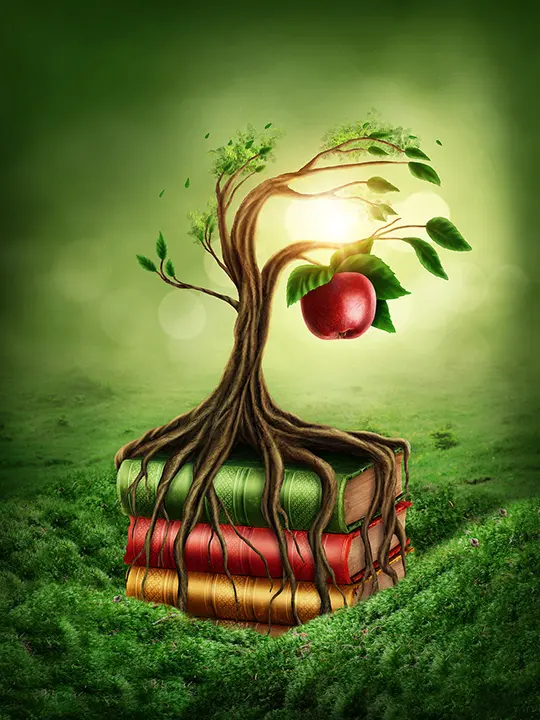
The apple’s most enduring association in Western art stems from the biblical account of the Garden of Eden. Although the book of Genesis does not explicitly name the fruit, medieval and Renaissance artists solidified the apple as the forbidden fruit that led to the Fall of Man. This imagery serves as a visual shorthand for human frailty, the loss of innocence, and the consequences of succumbing to desire.
Artists frequently depicted Adam and Eve with an apple to emphasize the transition from divine grace to mortal suffering. By placing the fruit in the hands of the subjects, painters like Albrecht Dürer and Lucas Cranach the Elder highlighted the exact moment of moral transgression. This tradition transformed the fruit into a potent emblem of temptation that persists in contemporary visual culture.
- Identify the apple in religious scenes to understand the narrative of the Fall.
- Observe the placement of the fruit near figures to gauge their moral status.
- Note if the apple is bitten, as this signifies the act of disobedience.
What does the apple mean in still life paintings?
In the genre of still life, particularly during the 17th-century Dutch Golden Age, the apple often functioned as a vanitas symbol. Vanitas paintings were designed to remind viewers of the fleeting nature of life and the inevitability of death. An apple that appears bruised or rotting represents the decay of physical beauty and the passage of time.
Beyond mortality, the apple signifies the bounty of nature and the domestic sphere. Because apples were common, affordable, and easily accessible, they became ideal subjects for artists to demonstrate their technical mastery over light, texture, and color. When depicted in a bowl or scattered on a table, the apple serves as a bridge between the mundane reality of daily life and deeper philosophical inquiries into existence.
- Fresh, shiny apples: Represent vitality, youth, and the goodness of creation.
- Bruised or worm-eaten apples: Symbolize aging, corruption, and the brevity of life.
- Peeled apples: Suggest the stripping away of layers or the vulnerability of the soul.
How do artists use the apple in mythology?
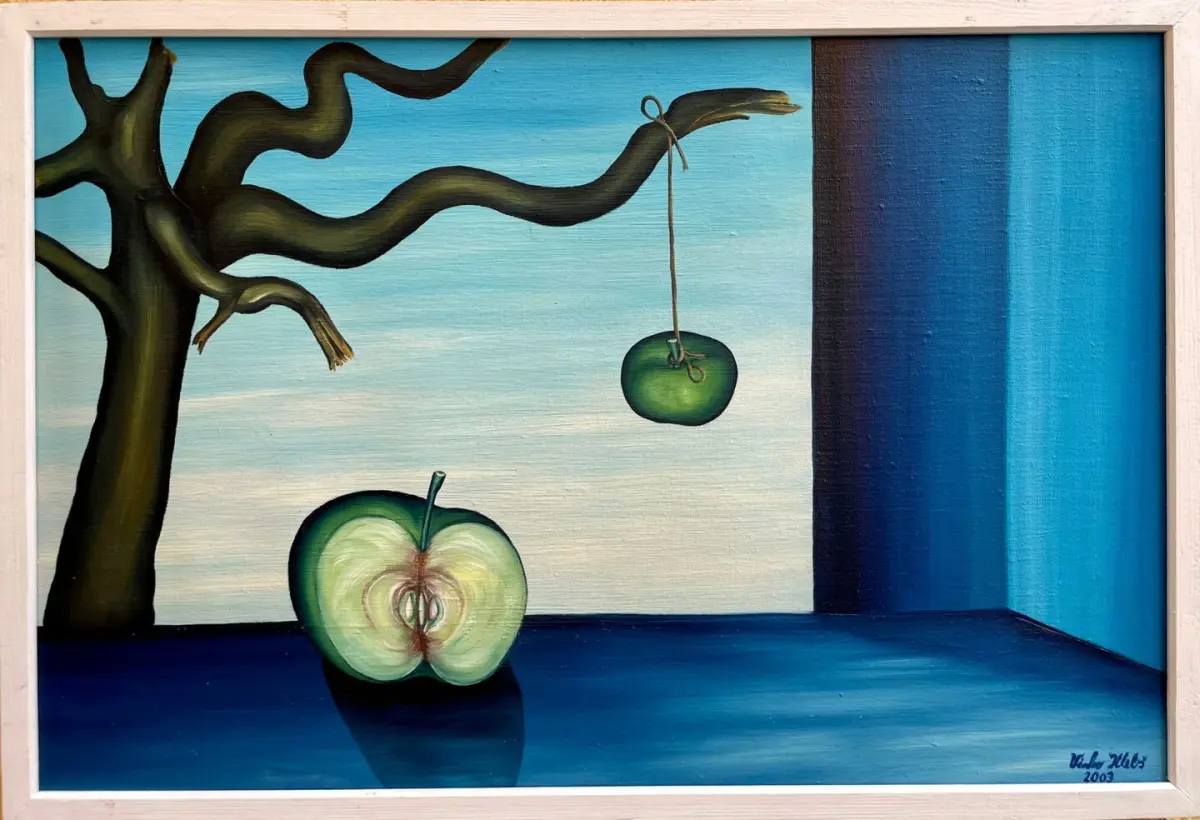
Classical mythology provides a different layer of meaning for the apple, most notably the "Apple of Discord." According to legend, Eris, the goddess of strife, threw a golden apple inscribed "to the fairest" into a wedding feast, triggering the events that led to the Trojan War. In this context, the fruit represents jealousy, rivalry, and the destructive power of vanity.
Artists have long utilized this myth to explore themes of beauty and conflict. By including a golden apple in a composition, a painter can imply an underlying tension or an impending disaster. This mythological interpretation contrasts sharply with the biblical view, shifting the focus from individual sin to the chaotic consequences of human competition and the subjective nature of beauty.
Why is the apple important in modern art?
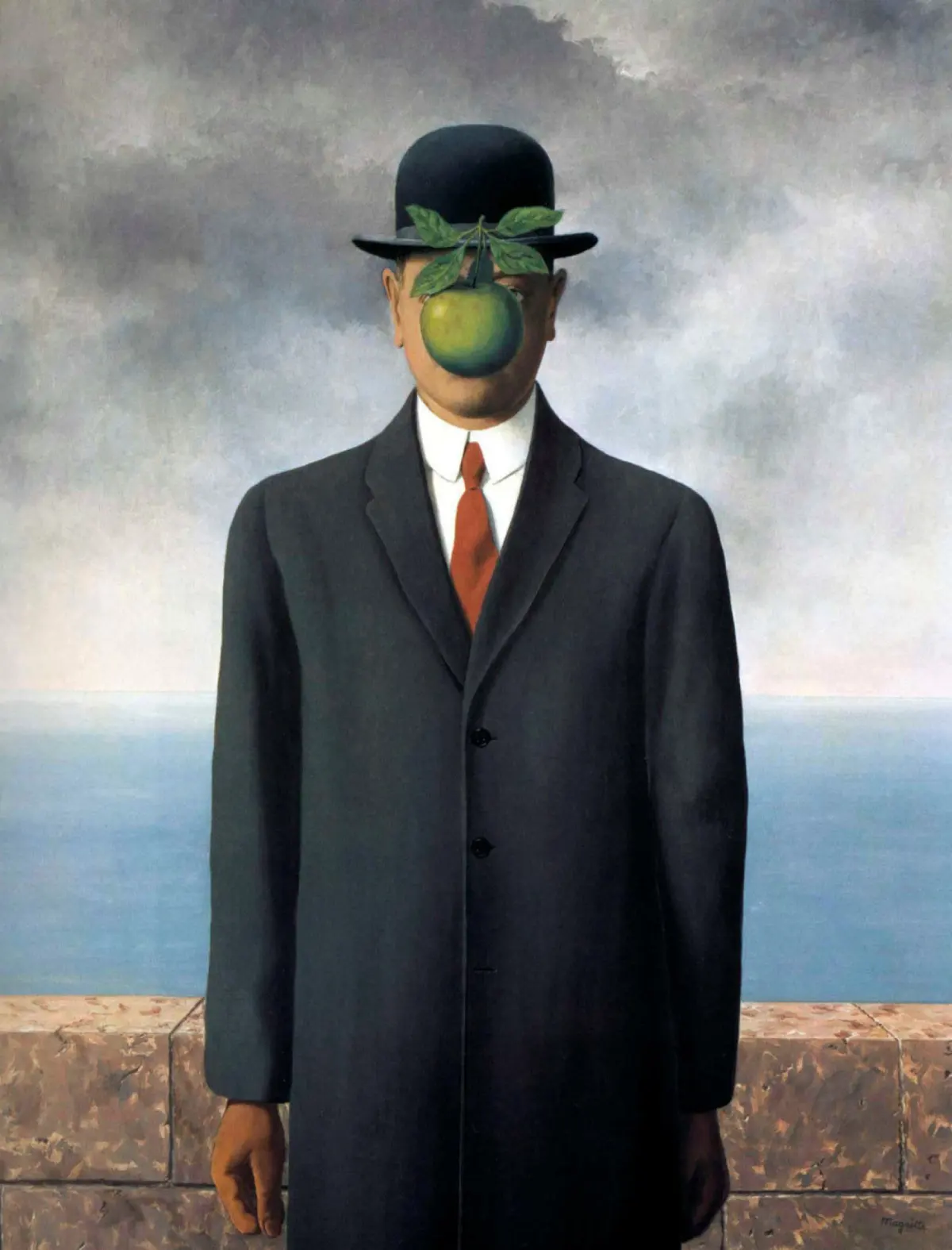
In the 20th century, the apple moved away from traditional symbolism toward more conceptual and formalist expressions. Paul Cézanne is perhaps the most famous example, as he used the apple as a structural tool to experiment with color, volume, and perspective. For Cézanne, the apple was not a moral lesson but a geometric form that allowed him to deconstruct the visual world.
Modernists embraced the apple for its simplicity and universality. It became a neutral subject that could be manipulated to challenge the viewer's perception of space. By stripping the fruit of its historical baggage, modern artists invited audiences to focus on the act of seeing itself. The apple became a vehicle for artistic innovation, proving that even the most conventional objects could be reinvented through a new aesthetic lens.
Common mistakes when interpreting apple symbolism
A frequent error is assuming that an apple always carries a negative or religious connotation. In many folk art traditions or secular portraits, an apple may simply represent health, harvest, or hospitality. Failing to consider the specific historical and cultural context of a piece often leads to misinterpretations of the artist's original intent or the work's primary message.
Another mistake is ignoring the formal qualities of the fruit in favor of searching for a hidden meaning. Sometimes, an apple is included in a painting simply because it provides a necessary splash of red or a convenient spherical shape to balance the composition. When analyzing art, it is essential to balance the search for symbolic depth with an appreciation for the artist's formal choices and stylistic goals.
- Avoid applying a single meaning to every apple seen in art history.
- Check the surrounding elements, such as flowers or skulls, to confirm a vanitas theme.
- Consider the artist's personal style and typical subject matter before assigning a complex symbolic narrative to the work.
Key facts
- In Christian art, the apple often represents the "forbidden fruit" from the Garden of Eden, symbolizing the Fall of Man and original sin.
- Classical mythology frequently uses the apple as a symbol of discord, famously originating from the "Apple of Discord" thrown by Eris at the wedding of Peleus and Thetis.
- Renaissance painters like Lucas Cranach the Elder often placed apples in portraits to signify moral temptation or the fragility of human virtue.
- When depicted with the Christ Child, an apple can symbolize the "New Adam," representing the redemption of humanity from the original sin committed by the first Adam.
- In secular still-life paintings of the 17th century, the apple often serves as a vanitas symbol, highlighting the transience of life and the inevitability of decay.
- To incorporate apples into your own symbolic art, avoid placing them in isolation if you want to convey a specific narrative; pair them with contrasting objects like skulls or flowers to clarify your intended meaning.
The bottom line
The apple remains one of art history’s most versatile symbols, shifting fluidly between religious warning and secular celebration. Whether signaling the weight of original sin, the chaos of mythological discord, or the fleeting nature of earthly existence, its meaning is almost always defined by its context. Understanding these historical layers allows viewers to decode the subtle narratives hidden within otherwise simple arrangements of fruit in classic masterpieces.
People also ask
Why is the apple sometimes associated with knowledge?
The association stems from the biblical narrative of the Tree of the Knowledge of Good and Evil. Consuming the fruit granted Adam and Eve awareness of their nakedness and moral complexity, linking the apple to the acquisition of forbidden wisdom.
Does the apple always have a negative meaning in art?
No, the apple can also symbolize abundance, fertility, and health. In various folk traditions and some classical depictions, it represents the harvest and the bounty of nature rather than sin.
Why do artists often paint apples that look slightly bruised or rotting?
This is a deliberate choice to emphasize the passage of time and mortality. By showing the fruit in a state of decay, the artist reminds the viewer that all physical beauty is temporary.
Is the apple in the story of William Tell a symbol of sin?
No, the apple in the legend of William Tell represents a test of skill, courage, and political defiance. It serves as a target for the crossbowman rather than a moral or religious allegory.
How can I tell if an apple represents love or temptation in a painting?
Look at the surrounding context and the figures involved. If the apple is held by a goddess like Aphrodite, it likely symbolizes love or beauty, whereas an apple held by a serpent or a tempted figure points toward moral transgression.
Why are apples so common in still-life paintings?
Apples were affordable, readily available, and held a variety of symbolic meanings for artists to explore. Their round shape and varied skin textures also provided a perfect subject for practicing light, shadow, and color blending.
This answer was created with the help of AI research tools and reference sources. Spotted an error? Let us know — we correct mistakes quickly. See our editorial policy.