What is kinetic art?
Short answer
Kinetic art is a genre of artistic expression that incorporates movement as a primary component of the work. This motion can be generated by mechanical systems, natural forces like wind or water, or direct human interaction. By shifting from static forms to dynamic experiences, kinetic art challenges traditional perceptions of art objects.
On this page
What is kinetic art?
Kinetic art represents a departure from the static traditions of sculpture and painting by introducing motion as a fundamental element. While traditional art captures a single moment in time, kinetic works evolve and change, forcing the viewer to engage with the piece over a duration rather than a glance. The movement may be predictable and repetitive, or it can be chaotic and dependent on external environmental factors.
The movement in these works is generally categorized into two distinct types: motorized and non-motorized. Motorized kinetic art relies on electric motors, gears, and complex circuitry to maintain a consistent rhythm or programmed sequence. Conversely, non-motorized art utilizes natural forces such as air currents, gravity, magnetism, or the physical touch of the observer to initiate motion. These works often feel more organic and unpredictable, creating a fluid relationship between the sculpture and its immediate surroundings.
Who are famous kinetic artists?
The origins of the movement are often traced back to the early 20th century, with pioneers like Marcel Duchamp and László Moholy-Nagy experimenting with early motorized devices. However, the genre truly flourished in the mid-20th century through the work of visionaries who redefined how audiences interact with sculpture. Their contributions established the technical and conceptual foundations that continue to influence contemporary artists working with light, sound, and robotics today.
Several key figures stand out for their transformative impact on the medium:
- Alexander Calder: Renowned for his delicate, wind-driven mobiles that hang from ceilings and balance with gravity.
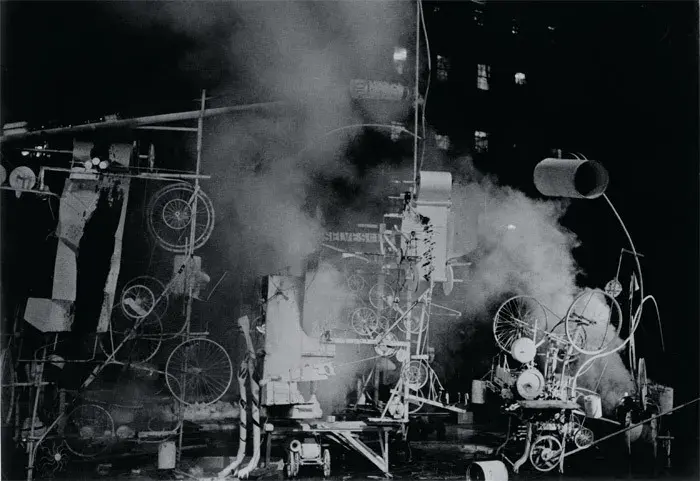
- Jean Tinguely: Famous for his "metamechanical" sculptures that often featured self-destructing or noisy, chaotic machines.
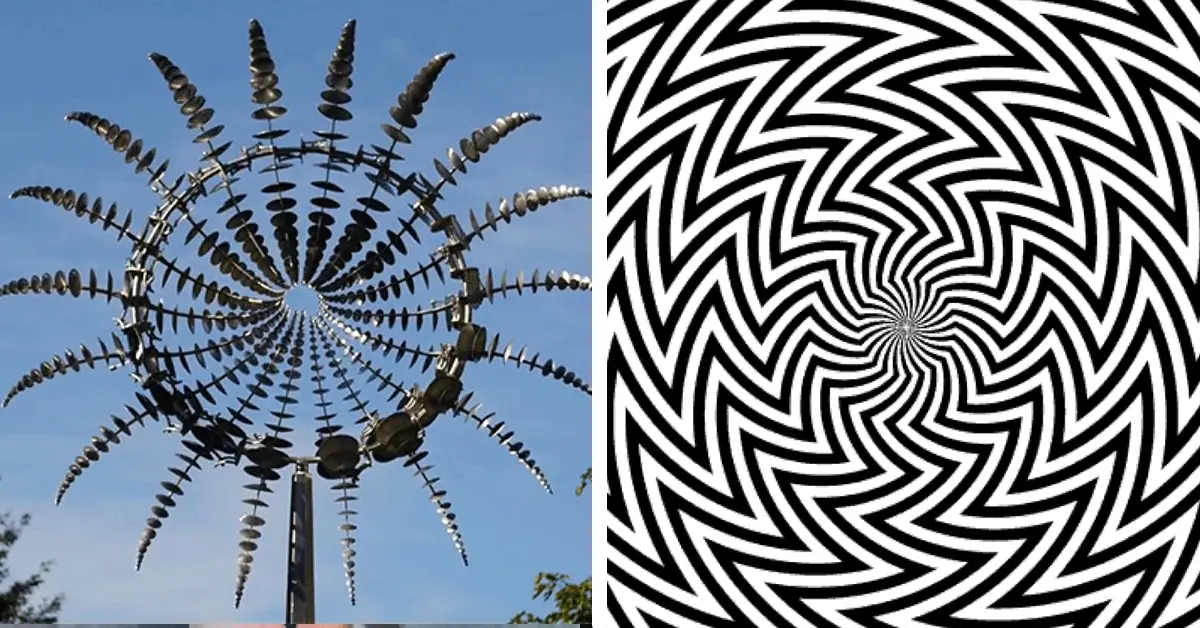
- George Rickey: Known for his precision-engineered stainless steel sculptures that move slowly and elegantly in response to air currents.
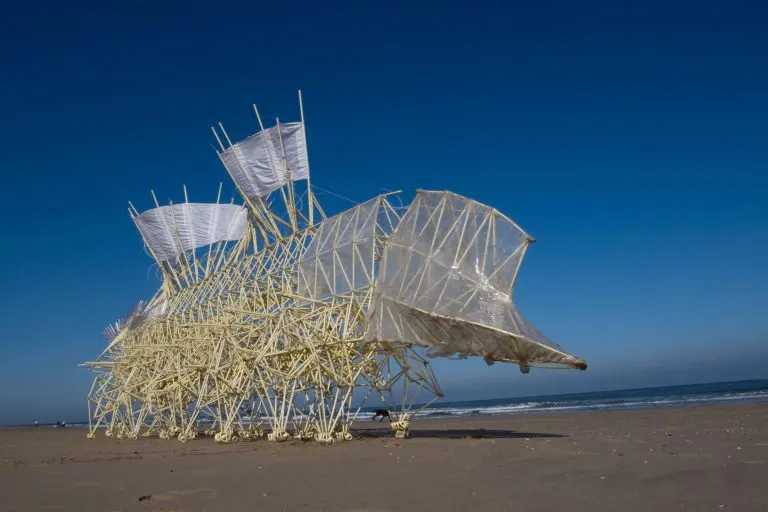
- Theo Jansen: A contemporary artist who creates "Strandbeests," massive skeletal structures that walk along beaches using wind power.
How to create kinetic art for beginners
Creating your first kinetic piece requires a blend of artistic vision and basic engineering principles. You do not need an advanced degree in robotics to start; simple mechanical systems often yield the most compelling results. The goal is to focus on how weight, balance, and energy transfer affect the movement of your materials.
Follow these steps to construct a simple wind-powered mobile:
- Select lightweight materials such as balsa wood, thin wire, or plastic sheets to ensure the sculpture remains responsive to air.
- Establish a central pivot point or balance bar, ensuring the weight is distributed evenly on both sides to allow for smooth rotation.
- Attach your decorative elements to the ends of the arms, adjusting their position until the entire structure hangs perfectly level.
- Test the piece in a drafty area to observe how the air currents interact with the surface area of your shapes.
Why kinetic art is popular today
The enduring appeal of kinetic art lies in its ability to break the fourth wall of the gallery space. Unlike a static painting that remains indifferent to the viewer, a kinetic sculpture reacts to the presence of people, the temperature of a room, or the flow of air. This interactivity transforms the viewer from a passive observer into an active participant in the work’s existence.
Furthermore, the integration of modern technology has expanded the possibilities for kinetic expression. Artists now use sensors, microcontrollers, and actuators to create works that respond to human gestures or digital data streams. This technological fusion keeps the genre relevant in a digital age, as it bridges the gap between the physical world of sculpture and the invisible forces of information and energy. The result is an art form that feels alive, constantly shifting, and perpetually unfinished.
Common mistakes when making kinetic art
One of the most frequent errors beginners make is over-complicating the mechanical design. When a mechanism is too complex, it becomes prone to friction, misalignment, and mechanical failure, which can stop the movement entirely. It is often better to start with a simple, robust design that functions reliably before attempting to incorporate complex gear trains or electronic motors.
Avoid these common pitfalls to ensure your project succeeds:
- Ignoring friction: Failing to lubricate pivot points or using materials that drag against each other will quickly halt motion.
- Poor weight distribution: An unbalanced sculpture will tilt or get stuck, preventing the fluid movement required for the piece to function.
- Neglecting structural integrity: Using materials that are too flimsy can cause the sculpture to warp or collapse under its own weight over time.
- Over-engineering: Adding too many moving parts can make the piece difficult to maintain and increase the likelihood of structural fatigue.
Key facts
- Kinetic art is any medium that contains movement perceivable by the viewer or depends on motion for its effect.
- Marcel Duchamp’s 1913 "Bicycle Wheel" is widely considered the first piece of kinetic art.
- Movement can be powered by electricity, wind, water, magnets, or the physical interaction of the viewer.
- Alexander Calder revolutionized the genre in the 1930s by inventing the "mobile," a sculpture balanced to move with air currents.
- When building your own kinetic sculpture, ensure the center of gravity is low to prevent the piece from becoming unstable or falling over.
- Avoid using materials that are too heavy for your power source, as excessive friction will cause motors to burn out or mechanisms to seize.
The bottom line
Kinetic art bridges the gap between static sculpture and performance, transforming objects into dynamic experiences. By harnessing natural forces or mechanical energy, these works invite viewers to observe the passage of time and the physics of balance. Whether through delicate mobiles or complex motorized installations, kinetic art proves that movement is a powerful tool for engaging the senses and challenging our perception of physical space.
People also ask
Is all moving art considered kinetic art?
Not necessarily, as the movement must be a fundamental component of the work's aesthetic or conceptual design. If the motion is merely incidental or decorative, it may not be classified as kinetic art.
How do artists power kinetic sculptures without electricity?
Many artists utilize natural forces such as thermal currents, wind, or gravity to facilitate movement. These passive systems rely on clever balance and lightweight materials like wire, balsa wood, or thin sheet metal.
What is the difference between a mobile and a stabile?
A mobile is a kinetic sculpture designed to move freely in space, often suspended from the ceiling. A stabile is a stationary sculpture that often incorporates kinetic elements or suggests movement through its dynamic form.
Can kinetic art be interactive?
Yes, many kinetic works require the viewer to turn a crank, push a lever, or walk past a sensor to activate the motion. This participation makes the viewer an essential part of the artistic experience.
Are there specific maintenance requirements for kinetic art?
Kinetic pieces often require regular lubrication of joints and inspection of electrical components to ensure smooth operation. Dust accumulation can also add weight and friction, potentially stalling delicate mechanisms over time.
What materials are best for beginners starting kinetic art?
Beginners should start with lightweight, rigid materials like aluminum wire, plastic tubing, or foam board. These are easy to manipulate and require minimal force to set into motion.
This answer was created with the help of AI research tools and reference sources. Spotted an error? Let us know — we correct mistakes quickly. See our editorial policy.