What is representational art?
Short answer
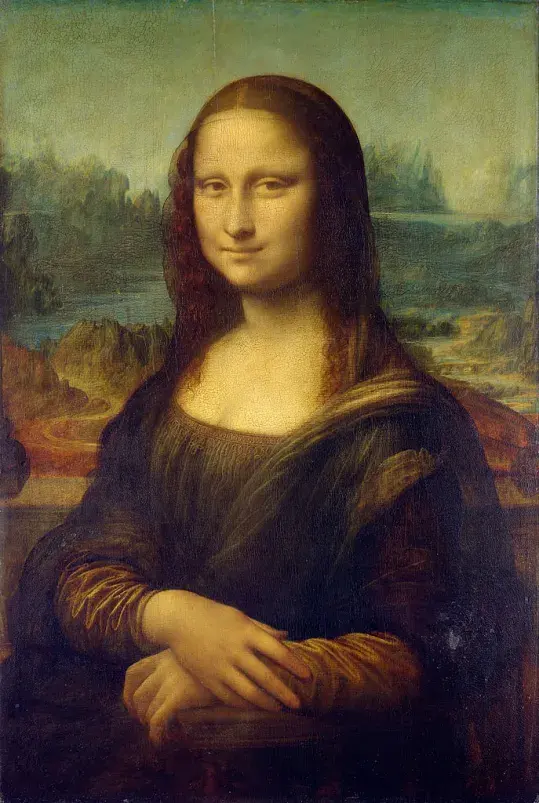
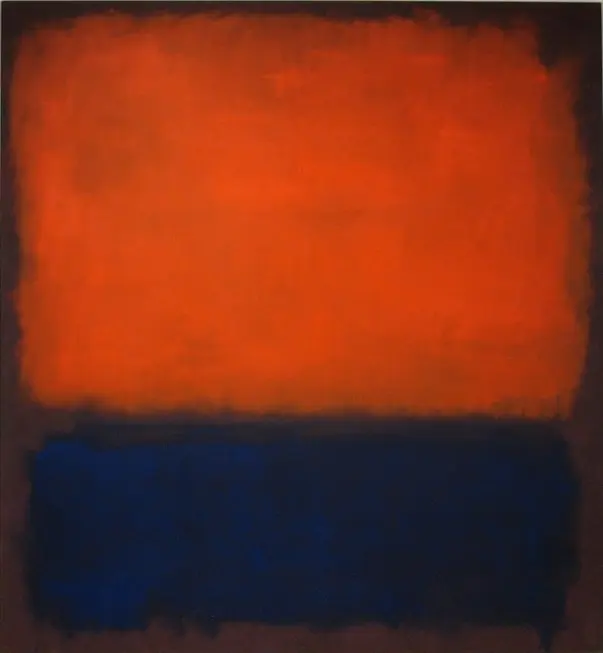
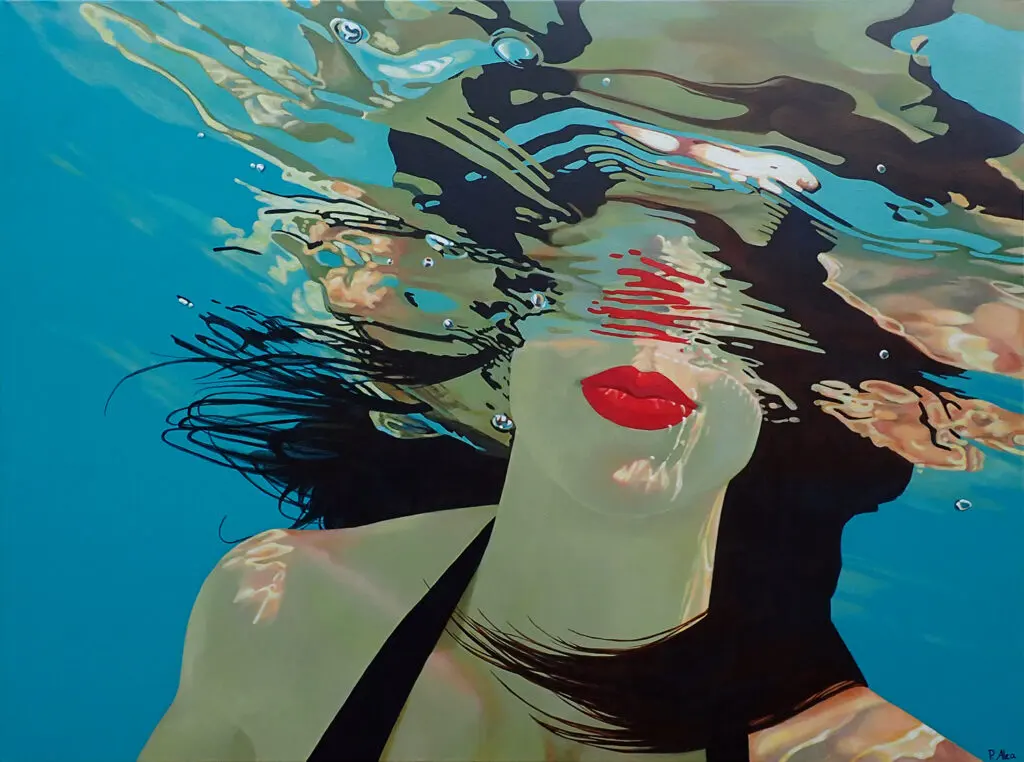
Representational art depicts recognizable subjects from the physical world, such as people, landscapes, or objects. Unlike abstract art, which focuses on shapes and colors, representational work aims to replicate reality or suggest a specific narrative. It encompasses styles ranging from hyper-realistic oil paintings to impressionist scenes and traditional portraiture.
On this page
What defines representational art?
Representational art, often called figurative art, refers to works that clearly derive from real-world sources. The artist acts as an observer, translating three-dimensional reality onto a two-dimensional surface. This category includes genres like still life, landscape, portraiture, and historical scenes. While the degree of accuracy varies, the viewer should be able to identify the subject matter without needing an external explanation.
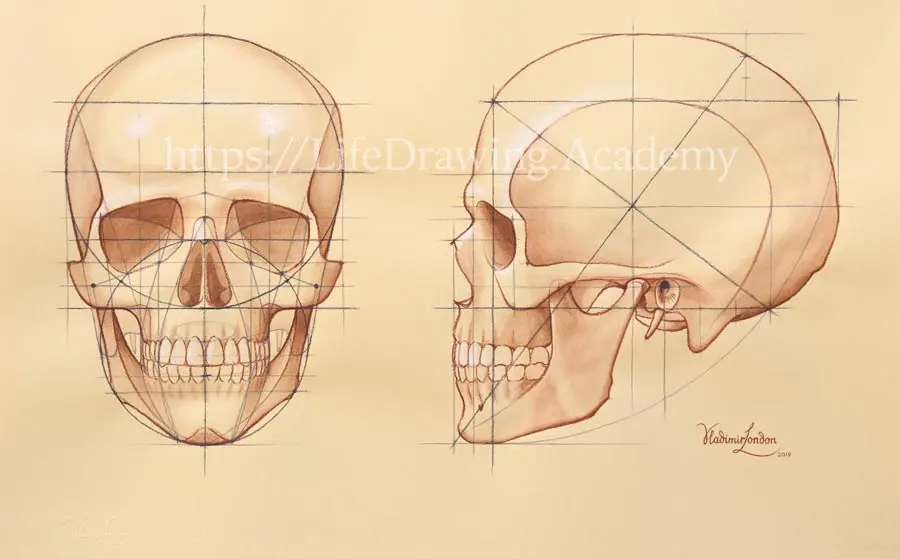
Historically, this has been the dominant mode of Western art for centuries. From the detailed cave paintings at Lascaux, dating back roughly 17,000 years, to the precise anatomical studies of Leonardo da Vinci in the 15th century, the goal has often been to mirror nature. Even when artists use expressive brushwork or stylized colors, the work remains representational as long as the underlying subject remains anchored in the visible world.
How to identify different levels of representation
Representational art exists on a spectrum of visual accuracy. At one end, realism strives for a photographic quality, where the artist hides their brushstrokes to create a seamless illusion of depth. At the other end, stylized representation simplifies forms or alters colors to convey an emotional truth rather than a literal one. Understanding these distinctions helps viewers appreciate the artist's specific intent.
- Realism: Focuses on objective accuracy and meticulous detail.
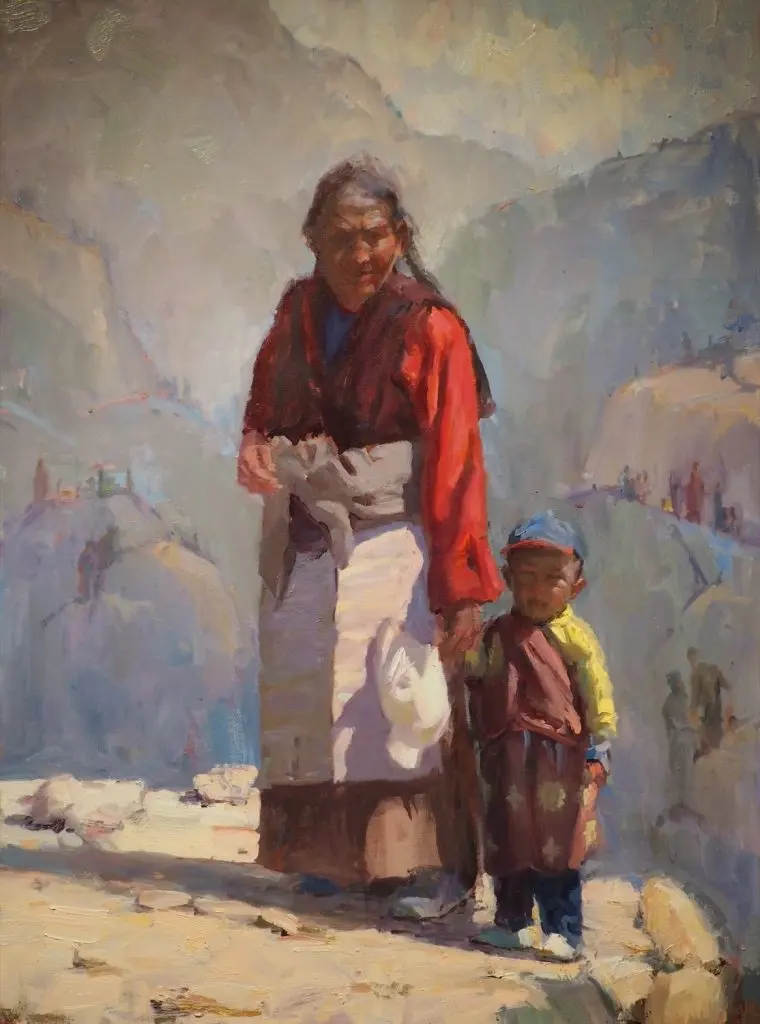
- Impressionism: Captures the fleeting effects of light and color, prioritizing atmosphere over sharp edges.
- Expressionism: Distorts reality to convey intense emotional states or subjective experiences.
- Surrealism: Places recognizable objects in illogical or dreamlike contexts.
By observing how an artist handles light, shadow, and perspective, you can determine where a piece falls on this spectrum. A high-contrast, sharp-edged painting is typically more realistic, whereas loose, gestural marks suggest a more interpretive approach to the subject.
Why artists choose representational styles
Many artists gravitate toward representation because it provides a universal language. When a painting depicts a human face or a stormy sea, it triggers an immediate, empathetic response in the viewer. This accessibility allows artists to tell complex stories, document history, or explore the human condition through symbols that are easily understood across different cultures and time periods.
Beyond storytelling, representational art serves as a rigorous technical challenge. Mastering perspective, color theory, and anatomy requires years of deliberate practice. Artists often choose this path to demonstrate their skill in capturing the nuances of light hitting a surface or the subtle musculature of a figure. This technical mastery creates a sense of awe, as the viewer marvels at the artist's ability to manipulate paint to mimic the textures of silk, skin, or stone.
Common mistakes when creating representational art
Beginners often struggle with the transition from seeing an object to placing it on a canvas. One of the most frequent errors is "symbolic drawing," where the artist draws what they think an object looks like rather than what they actually see. For example, a beginner might draw a circle for an eye because that is the symbol for an eye, ignoring the actual almond shape and eyelid folds.
- Avoid outlining every object, as this flattens the image; instead, use changes in value and color to define edges.
- Do not neglect the background, as the negative space around an object is just as important as the object itself.
- Stop working from memory; always use a reference photo or a live subject to ensure accurate proportions and lighting.
- Avoid using pure black for shadows, which can make a painting look muddy; mix complementary colors to create richer, more natural dark tones.
Best practices for beginners to improve
Improving your representational skills requires a disciplined approach to observation. Start by practicing "blind contour drawing," where you draw the edges of an object without looking down at your paper. This forces your brain to synchronize your eyes with your hand, helping you see the true contours of your subject rather than your mental shorthand for it.
- Set up a simple still life with one light source to study how shadows fall.
- Practice "value studies" using only grayscale to understand how light creates form.
- Spend time sketching from life daily, even if only for fifteen minutes.
- Study the work of masters like Johannes Vermeer or John Singer Sargent to see how they handle edges and light.
Consistency is more important than long, infrequent sessions. By training your eyes to measure proportions and identify subtle shifts in light, you will gradually gain the confidence to represent the world with increasing clarity and artistic expression.
Key facts
- Representational art depicts recognizable subjects from the real world, such as people, landscapes, or objects.
- The term is synonymous with figurative art, meaning it retains a clear connection to the physical appearance of the subject.
- Realism is a specific style of representational art that prioritizes accurate, unidealized depictions of life.
- Impressionism, while often looser in brushwork, remains representational because the viewer can identify the scene being painted.
- To practice this style, focus on "contour drawing," which involves tracing the outer edges of an object to build spatial awareness.
- A common mistake is focusing on symbols of an object, like drawing a cartoon eye, rather than observing the actual light and shadow on the form.
The bottom line
Representational art serves as a visual bridge between the artist’s perception and the viewer’s experience of the physical world. By prioritizing recognizable subjects, this genre allows for a clear dialogue between the creator and the audience. Whether through precise realism or expressive stylization, the core value lies in the artist's ability to observe, interpret, and document the tangible reality that surrounds us every day.
People also ask
How does representational art differ from abstract art?
Representational art relies on recognizable subjects, whereas abstract art uses shapes, colors, and forms to achieve its effect without depicting a specific object. While abstract art may be inspired by reality, it does not aim to replicate the visual appearance of the world.
Is photography considered a form of representational art?
Yes, photography is inherently representational because it captures light reflected from physical subjects. Even when manipulated, the medium typically retains a direct link to the real-world scene or object it recorded.
Does representational art have to be perfectly realistic?
No, representational art exists on a spectrum ranging from highly detailed realism to stylized or distorted interpretations. As long as the viewer can identify the subject, the work is considered representational regardless of the level of detail.
Who are some famous representational artists?
Johannes Vermeer, Diego Velázquez, and John Singer Sargent are renowned for their mastery of representational painting. These artists focused on capturing light, texture, and human anatomy with high levels of skill and observation.
Can representational art include imaginary creatures?
Yes, if the artist depicts a mythical creature using realistic anatomy and lighting, it is still representational. The goal is to make the subject appear as if it could exist in the physical world.
What is the best way for a beginner to start creating representational art?
Start by drawing simple household objects like an apple or a coffee mug while focusing on the light source. By observing where highlights and shadows fall, you learn to translate three-dimensional volume onto a two-dimensional surface.
This answer was created with the help of AI research tools and reference sources. Spotted an error? Let us know — we correct mistakes quickly. See our editorial policy.