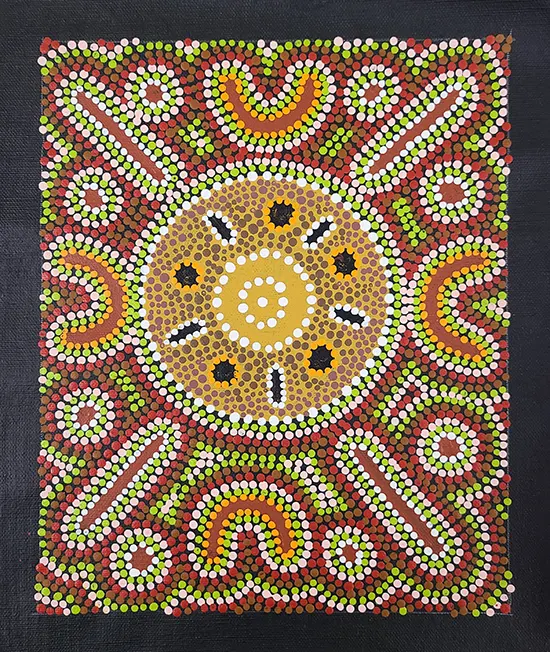
What art style did Georges Seurat use?
Short answer
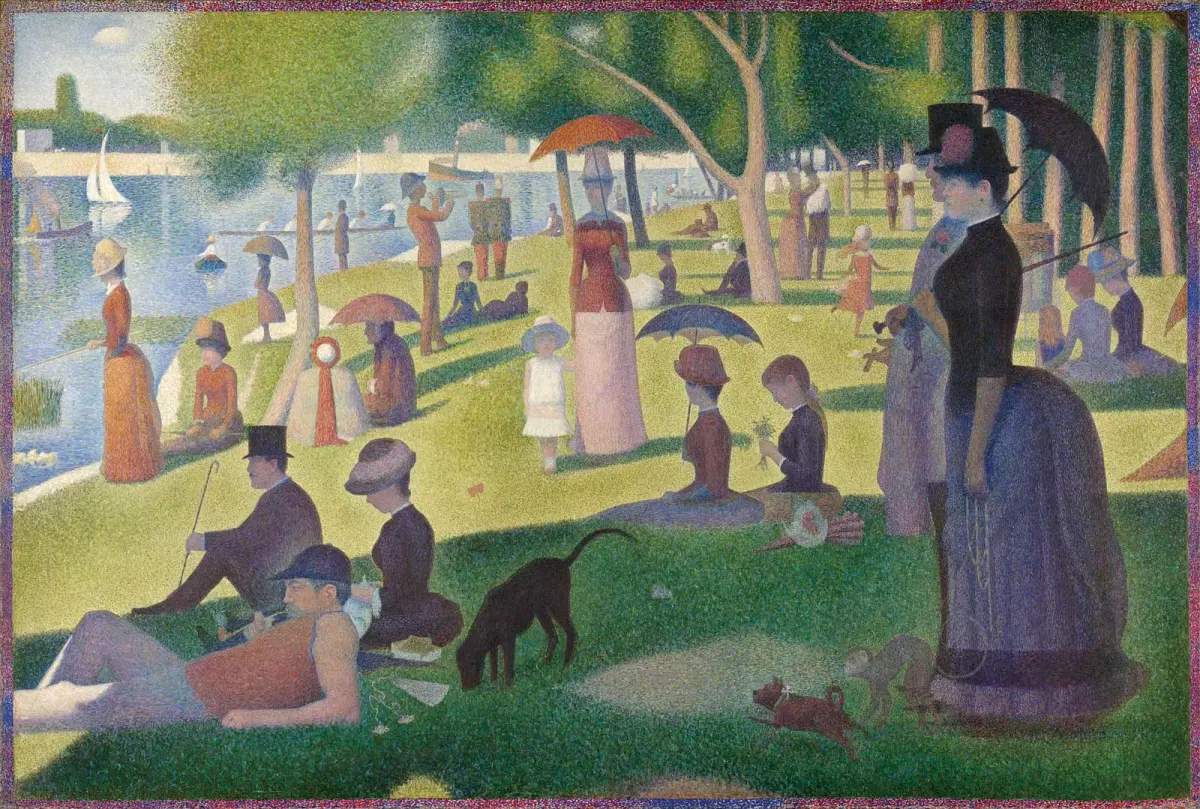
Georges Seurat pioneered Neo-Impressionism, specifically a technique known as Pointillism. Rather than mixing pigments on a palette, he applied small, distinct dots of pure color directly onto the canvas. His objective was to allow the viewer’s eye to optically blend these colors, creating a more luminous and vibrant visual effect.
On this page
What is the Neo-Impressionist style?
Neo-Impressionism emerged in the mid-1880s as a scientific reaction to the spontaneous, intuitive approach of traditional Impressionism. While Impressionists focused on capturing fleeting moments of light and atmosphere through loose brushwork, Seurat sought to systematize color theory. He was heavily influenced by the writings of scientists like Michel Eugène Chevreul, who studied the laws of simultaneous contrast. By applying color in a calculated, methodical manner, Seurat transformed painting from an emotional endeavor into an analytical practice.
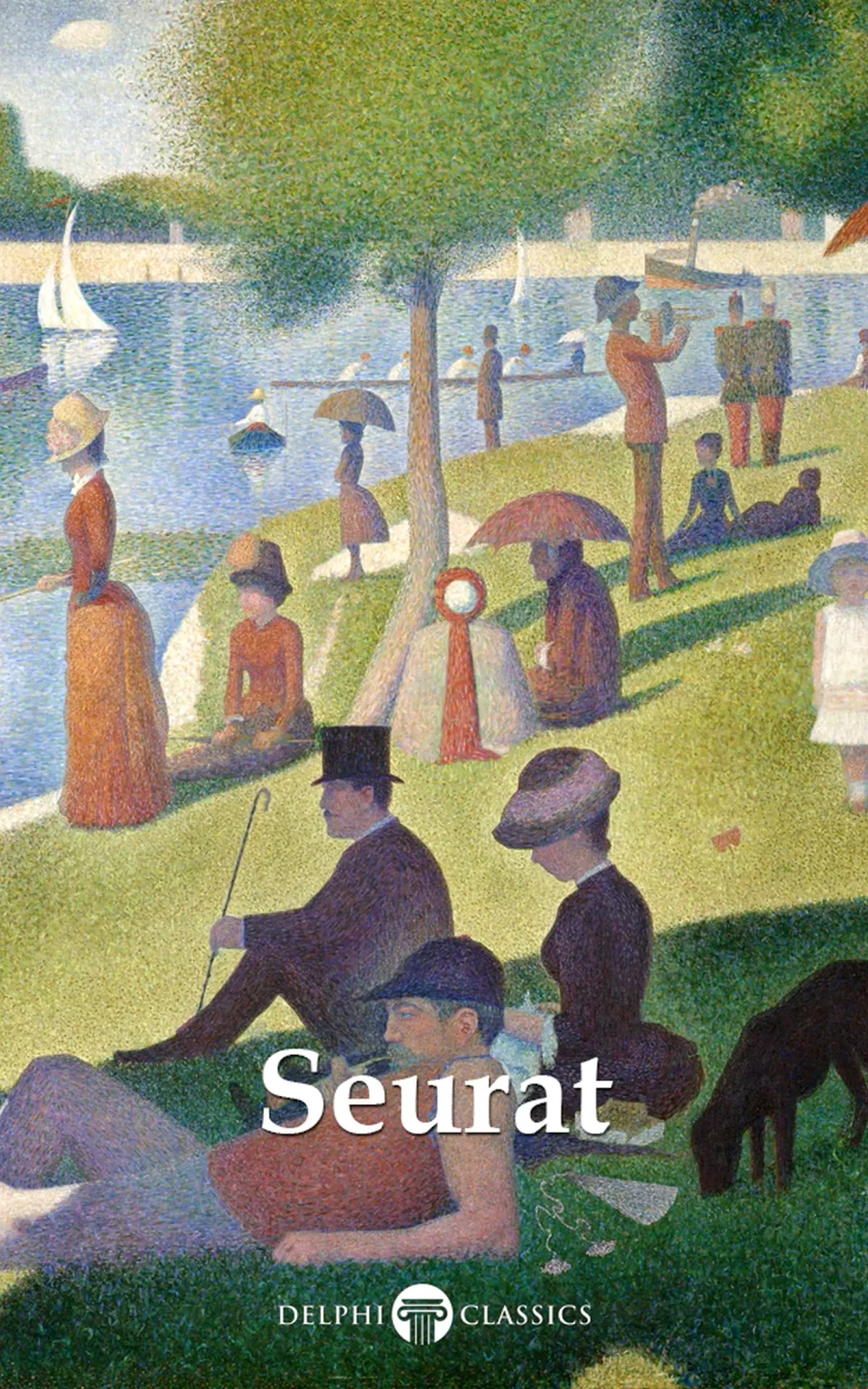
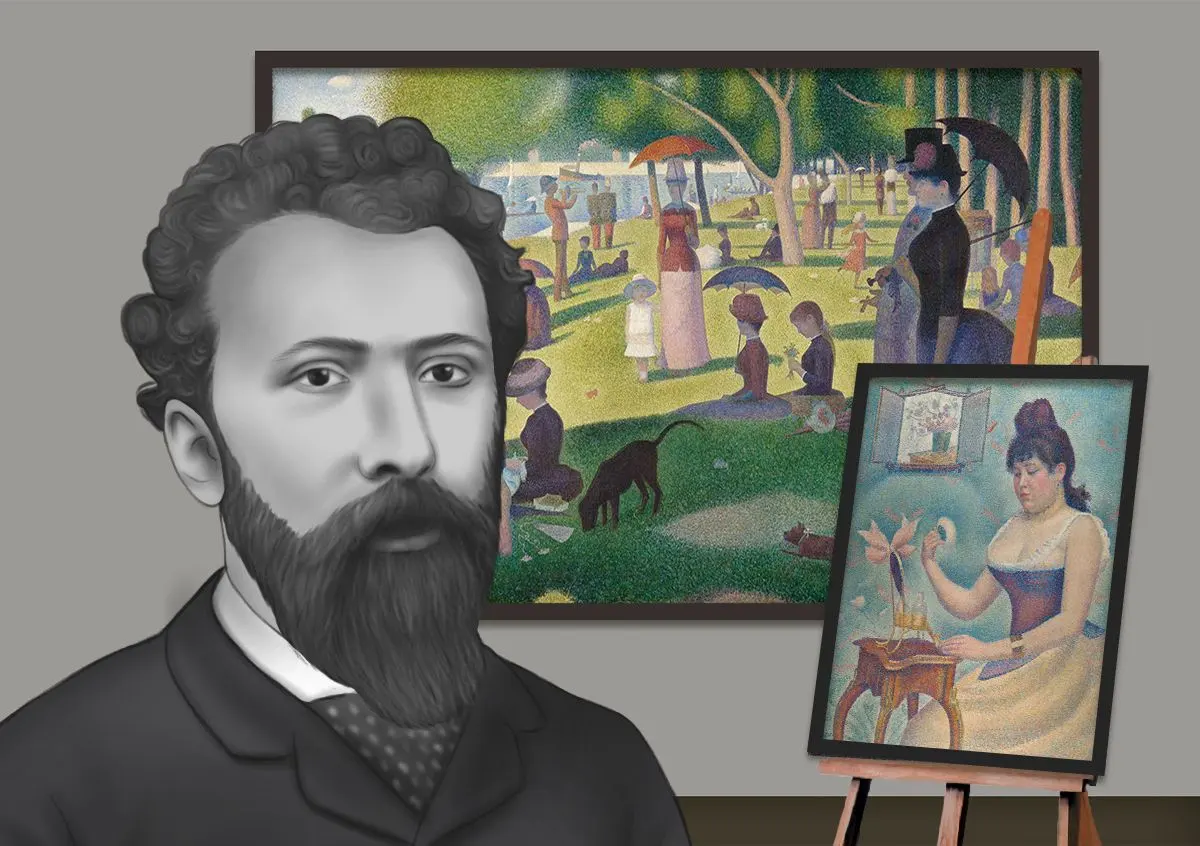
This movement prioritized objective observation over subjective feeling. Seurat believed that by separating colors into individual marks, he could achieve a brilliance that traditional palette mixing could never replicate. His most famous work, A Sunday Afternoon on the Island of La Grande Jatte (1884–1886), serves as the definitive example of this rigorous philosophy. The painting took two years to complete, reflecting the immense patience and discipline required to master this meticulous, dot-based application of paint.
How to identify Pointillist paintings
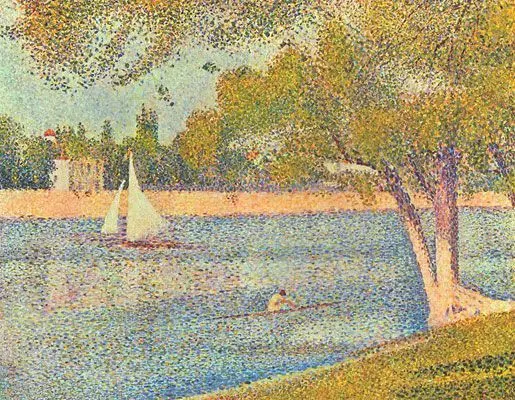
Pointillism is characterized by the use of tiny, uniform dots of color, which distinguishes it from the broader, more textured strokes of other post-impressionist artists. When viewing these works up close, the image appears as a chaotic field of abstract pigment. However, as the viewer steps back, the human eye performs "optical mixing," blending the dots into cohesive shapes, shadows, and highlights. This creates a shimmering, vibrating quality that feels distinctively modern.
To identify a genuine Pointillist work, look for these specific visual cues:
- A lack of visible brushstrokes or heavy impasto textures.
- The use of complementary colors placed side-by-side to increase intensity.
- A sense of static, frozen time, often described as "monumental" or "architectural."
- A deliberate, grid-like arrangement of color that avoids the spontaneity of typical oil paintings.
Why Seurat used scientific color theory
Seurat was obsessed with the physics of light and the biology of human perception. He utilized the concept of "optical mixture," which functions differently than physical color mixing. When you mix blue and yellow paint on a palette, you get green; when you place blue and yellow dots next to each other, the eye perceives a more luminous, flickering green. This scientific approach allowed him to manipulate the viewer's perception of brightness and depth with mathematical precision.
He also employed the law of simultaneous contrast, which states that a color appears different depending on the color surrounding it. For example, a neutral gray might look reddish if placed next to a green object. Seurat carefully selected his dots to enhance the vibrancy of adjacent hues, ensuring that his compositions remained balanced yet intense. This dedication to color theory set him apart from his contemporaries, turning his studio into a laboratory for visual experimentation.
Common mistakes when trying Pointillism
Beginners often struggle with the patience required for this style, frequently rushing the process by making dots that are too large or uneven. If the dots are too big, the eye fails to blend them effectively, resulting in a messy or blurry appearance rather than a crisp, vibrant image. Another common mistake is failing to plan the composition beforehand. Because Pointillism is so time-consuming, it is nearly impossible to correct errors once the paint has begun to build up on the canvas.
Follow these steps to avoid common pitfalls:
- Sketch your composition in detail before applying any color to ensure proper proportions.
- Use a limited palette initially to understand how specific colors interact when placed side-by-side.
- Work in thin layers, allowing each section to dry slightly so the dots remain distinct.
- Step away from your work frequently to check if the colors are blending correctly from a distance.
Best techniques for practicing Pointillism
To practice this style, start with small studies rather than large canvases. Focus on capturing a simple object, such as a piece of fruit or a vase, to understand how light hits a surface. Use high-quality acrylic or oil paints with a stiff consistency, as runny paint will cause the dots to bleed into one another, destroying the intended optical effect. The goal is to maintain the integrity of each individual mark, as this is the foundation of the entire technique.
When layering, consider the background color of your canvas. A white ground is standard for Pointillism because it reflects light through the dots, maximizing the brilliance of the pigment. As you gain more experience, you can experiment with varying the density of your dots to create gradients and shadows. By increasing the concentration of dark pigments in specific areas, you can model form and volume without ever needing to blend your paints manually. Practice these methods consistently to master the art of light.
Key facts
- Georges Seurat is the founder of Pointillism, a technique that uses small, distinct dots of color to form an image.
- He developed this style in the mid-1880s, moving away from the loose brushwork of traditional Impressionism.
- The technique relies on optical mixing, where the viewer's eye blends adjacent colors from a distance to create new hues.
- Seurat’s most famous masterpiece, A Sunday Afternoon on the Island of La Grande Jatte, took two years to complete, from 1884 to 1886.
- To practice this style, use high-quality, small, round brushes and apply dots of pure pigment rather than mixing them on a palette.
- A common mistake is placing dots too far apart, which prevents the colors from blending optically and makes the image appear muddy or unfinished.
The bottom line
Georges Seurat revolutionized modern art by pioneering Pointillism, a rigorous technique centered on the scientific application of color. By replacing traditional brushstrokes with thousands of tiny, distinct dots, he created images that shimmer with light through optical mixing. His methodical approach transformed the artistic process from spontaneous expression into a calculated study of perception, leaving an indelible mark on the development of Neo-Impressionism and beyond.
People also ask
How does Pointillism differ from Impressionism?
Impressionism focuses on capturing fleeting light and movement with spontaneous, visible brushstrokes. Pointillism is a more scientific, methodical approach that replaces fluid strokes with precise, systematic dots of color.
What is the difference between Pointillism and Divisionism?
Divisionism is the broader scientific theory of color separation, while Pointillism is the specific technical application of that theory using dots. Seurat often preferred the term "chromo-luminarism" to describe his focus on the interaction of light and color.
Why did Seurat use so many dots in his paintings?
He believed that placing unmixed colors side-by-side would create a more luminous and vibrant effect than mixing paints physically. The dots allow the viewer's brain to perform the color mixing, resulting in greater visual intensity.
Did Seurat invent the concept of optical mixing?
No, he based his techniques on the color theories of scientists like Michel Eugène Chevreul and Ogden Rood. These researchers studied how the human eye perceives contrasting colors placed in close proximity.
Are there other artists who used the Pointillist style?
Yes, Paul Signac was the most notable follower of Seurat and helped refine the technique after Seurat’s death. Other artists, including Camille Pissarro and Henri-Edmond Cross, experimented with the style during their careers.
Can I use Pointillism with digital tools or markers?
Absolutely, the technique translates well to digital art or markers, as both mediums allow for precise dot placement. The key is to maintain a consistent dot size and density to ensure the colors blend correctly from a distance.
This answer was created with the help of AI research tools and reference sources. Spotted an error? Let us know — we correct mistakes quickly. See our editorial policy.