What is Edvard Munch's most famous painting?
Short answer
Edvard Munch’s most famous painting is The Scream, created in 1893. It is an iconic expressionist masterpiece depicting a figure with an agonized expression against a swirling, blood-red sky. The work has become a global symbol of existential dread and human anxiety, recognized instantly by millions of people across the world.
On this page
What is the history of The Scream?
Edvard Munch produced four versions of The Scream between 1893 and 1910 using various media, including oil, tempera, pastel, and lithography. The inspiration for the image came to Munch while he was walking along a road in Oslo, Norway, at sunset. He described in his diary how the sky suddenly turned blood red, causing him to tremble with anxiety and hear a "great, infinite scream" passing through nature. This personal experience of psychological distress became the foundation for one of the most recognizable images in art history.
The painting is not merely a depiction of a person screaming, but rather a representation of the internal psychological state of the subject. The figure’s hands are pressed against their ears to block out the overwhelming sound of nature that Munch perceived. By capturing this raw emotional intensity, Munch departed from the traditional realism of his era, helping to pioneer the Expressionist movement. His ability to externalize internal trauma resonated deeply with audiences, cementing the work's status as a quintessential piece of modern art.
Where can you see The Scream today?
Because Munch created multiple versions of the composition, the works are housed in different locations throughout Norway. The two most famous painted versions are held in Oslo, allowing visitors to experience the intensity of the originals firsthand. It is important to verify the current exhibition status of these works before traveling, as they are frequently rotated for conservation purposes to prevent light damage and fading.
- The National Museum in Oslo holds the 1893 tempera-on-cardboard version, which is the most widely recognized iteration.
- The Munch Museum, also located in Oslo, houses a second painted version from 1910, along with various pastel and lithographic prints.
- Private collectors have occasionally held other versions, though these are rarely displayed in public galleries.
When planning a visit, check the official museum websites for specific gallery closures. The National Museum and the Munch Museum are both major cultural institutions that offer extensive context on Munch’s life and his broader body of work beyond his most famous creation.
Why is The Scream so famous?
The fame of The Scream stems from its universal appeal and its ability to capture the essence of modern anxiety. Its bold, swirling lines and jarring color palette create a sense of instability that viewers find immediately relatable. In the late 20th and early 21st centuries, the image was widely reproduced in popular culture, appearing in films, advertisements, and digital media. This saturation has made the figure an iconic shorthand for fear, shock, or existential crisis.
Beyond its pop-culture presence, the painting remains a subject of intense academic study. Art historians analyze the work for its innovative use of color and its departure from academic painting standards. The composition’s rhythmic, undulating lines guide the viewer’s eye toward the central figure, while the bridge provides a stark, linear contrast to the chaotic environment. This structural tension enhances the emotional impact, ensuring that the painting remains as visually arresting today as it was when it was first unveiled over a century ago.
Common mistakes when interpreting The Scream
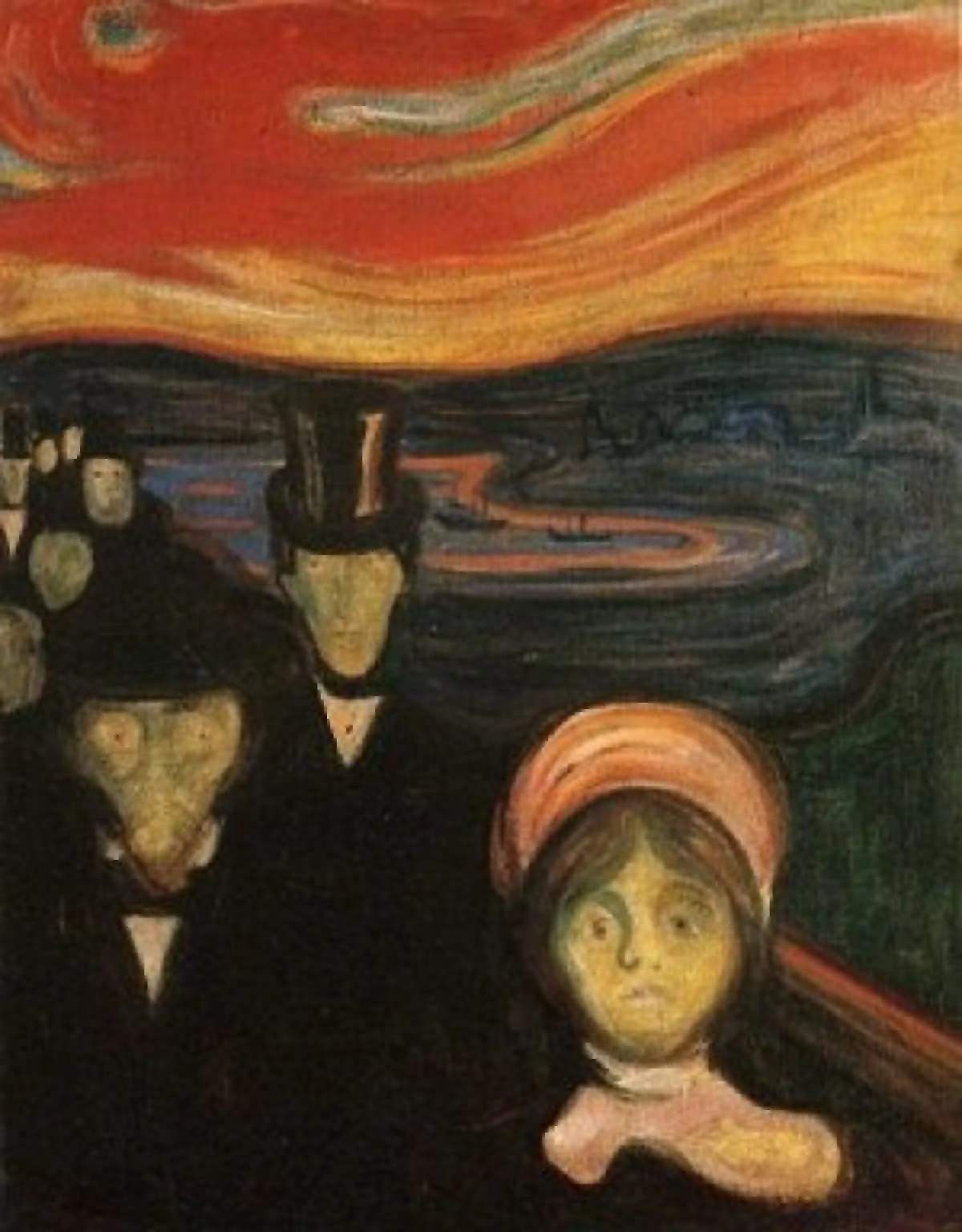
A frequent error is assuming the central figure is the one doing the screaming. In reality, Munch’s own notes indicate that the figure is reacting to a sound coming from the environment, not producing it themselves. Misinterpreting this detail can lead to a misunderstanding of the painting's themes, which focus on the subject's vulnerability to the outside world rather than an act of aggression. Another mistake is ignoring the setting, as the landscape is based on a real location overlooking the Oslofjord.
- Do not assume the figure is a ghost or a monster; it is a human subject experiencing a psychological breakdown.
- Avoid focusing only on the face, as the entire composition—the swirling sky, the dark water, and the rigid bridge—contributes to the narrative of distress.
- Do not view the painting as a static image; recognize it as a deliberate attempt to capture a fleeting, sensory moment of overwhelming fear.
By considering these nuances, you can appreciate the technical skill and emotional depth that Munch invested in the work. Understanding that the painting is a reaction to nature’s power provides a much clearer perspective on the artist’s intent.
How to appreciate Munch’s other works
While The Scream is his most famous piece, Edvard Munch was a prolific artist who produced thousands of paintings, drawings, and prints. To gain a complete understanding of his talent, explore his "Frieze of Life" series, which deals with themes of love, jealousy, illness, and death. These works showcase his evolution from traditional impressionism to the more psychological, symbolic style that defined his later career. His use of bold, flat colors and distorted forms influenced generations of artists, particularly the German Expressionists.
- Study Madonna, which explores the complexities of human desire and maternity.
- Examine The Sick Child, a deeply personal work reflecting on the death of his sister.
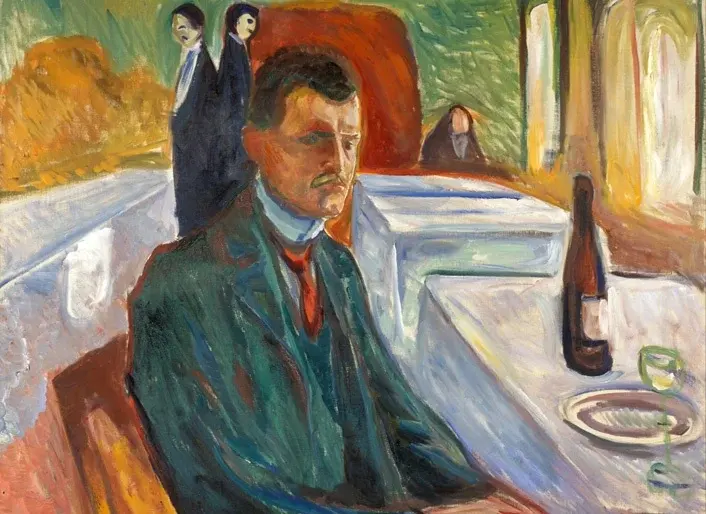
- Look at his self-portraits, which reveal his ongoing struggle with mental health and his changing perception of his own identity.
By looking beyond his most famous painting, you will discover an artist who was deeply committed to exploring the darkest and most profound aspects of the human condition. Munch’s legacy is not defined by a single image, but by his lifelong dedication to capturing the raw, unfiltered reality of the human experience through his unique and evocative artistic vision.
Key facts
- Edvard Munch’s most famous painting is titled The Scream, created in 1893.
- The work exists in four primary versions: two in pastel, one in tempera and crayon, and one in lithograph.
- The scene depicts a figure standing on a bridge in Oslo, Norway, with a blood-red sky in the background.
- The painting is a defining icon of Expressionism, intended to convey the artist's intense internal anxiety.
- One version of the painting set a record in 2012 when it sold at auction for nearly $120 million.
- To view the most famous tempera version in person, visit the National Museum in Oslo, Norway.
The bottom line
Edvard Munch’s The Scream remains one of the most recognizable images in art history, serving as a powerful symbol of human existential dread. By blending personal trauma with a striking, distorted landscape, Munch captured a universal feeling of anxiety that continues to resonate today. Whether viewed in a museum or through digital media, the painting stands as a cornerstone of modern artistic expression.
People also ask
Is The Scream based on a real location?
Yes, the painting is inspired by a view from the Ekeberg Hill road in Oslo. Munch was walking there with friends when the sky turned a deep red, causing him to feel a sudden, infinite scream passing through nature.
How many versions of the painting were stolen?
Two versions of The Scream have been stolen from Norwegian museums, one in 1994 and another in 2004. Both paintings were eventually recovered by authorities after high-profile investigations.
What do the two figures in the background represent?
The two figures walking away in the distance are often interpreted as friends of the artist who continued walking while he remained behind. Their presence emphasizes the isolation of the central figure during his panic attack.
Why is the sky in the painting red?
Many historians believe the vivid red sky was inspired by the 1883 eruption of the volcano Krakatoa. The atmospheric debris from the eruption caused spectacular, colorful sunsets across the globe for several years.
Is the central figure meant to be screaming?
Contrary to popular belief, the figure is not screaming but is instead reacting to a scream. The title in Norwegian, Skrik, translates to "shriek," and the figure is covering their ears to block out the sound.
What materials did Munch use for the original 1893 version?
Munch used tempera and crayon on cardboard for the most famous version of the piece. This combination of materials allowed for the swirling, frantic brushstrokes that define the work's emotional intensity.
This answer was created with the help of AI research tools and reference sources. Spotted an error? Let us know — we correct mistakes quickly. See our editorial policy.