What is Pierre-Auguste Renoir's most famous painting?
Short answer
Bal du moulin de la Galette (1876) is widely considered Pierre-Auguste Renoir’s most famous painting. This masterpiece of Impressionism depicts a lively Sunday afternoon dance at a popular outdoor venue in the Montmartre district of Paris. It is celebrated for its masterful handling of dappled sunlight, vibrant color, and the joyful energy of urban life.
On this page
What is the history of Bal du moulin de la Galette?
Pierre-Auguste Renoir painted this iconic work in 1876, at the height of the Impressionist movement in France. He chose to capture the atmosphere of the Moulin de la Galette, a popular dance hall and open-air café located in the hilly Montmartre neighborhood. At the time, this area was a favorite gathering spot for working-class Parisians and artists looking to escape the city center.
Renoir spent several months working on the large canvas, often painting on-site to capture the authentic movement of the crowd. He invited many of his friends, fellow artists, and models to pose for the figures in the scene, which gives the painting a sense of intimacy and spontaneity. The work was first exhibited at the third Impressionist exhibition in 1877, where it received mixed reviews from critics who were still adjusting to the loose brushwork and unconventional subject matter of the new style.
Why is this painting so famous?
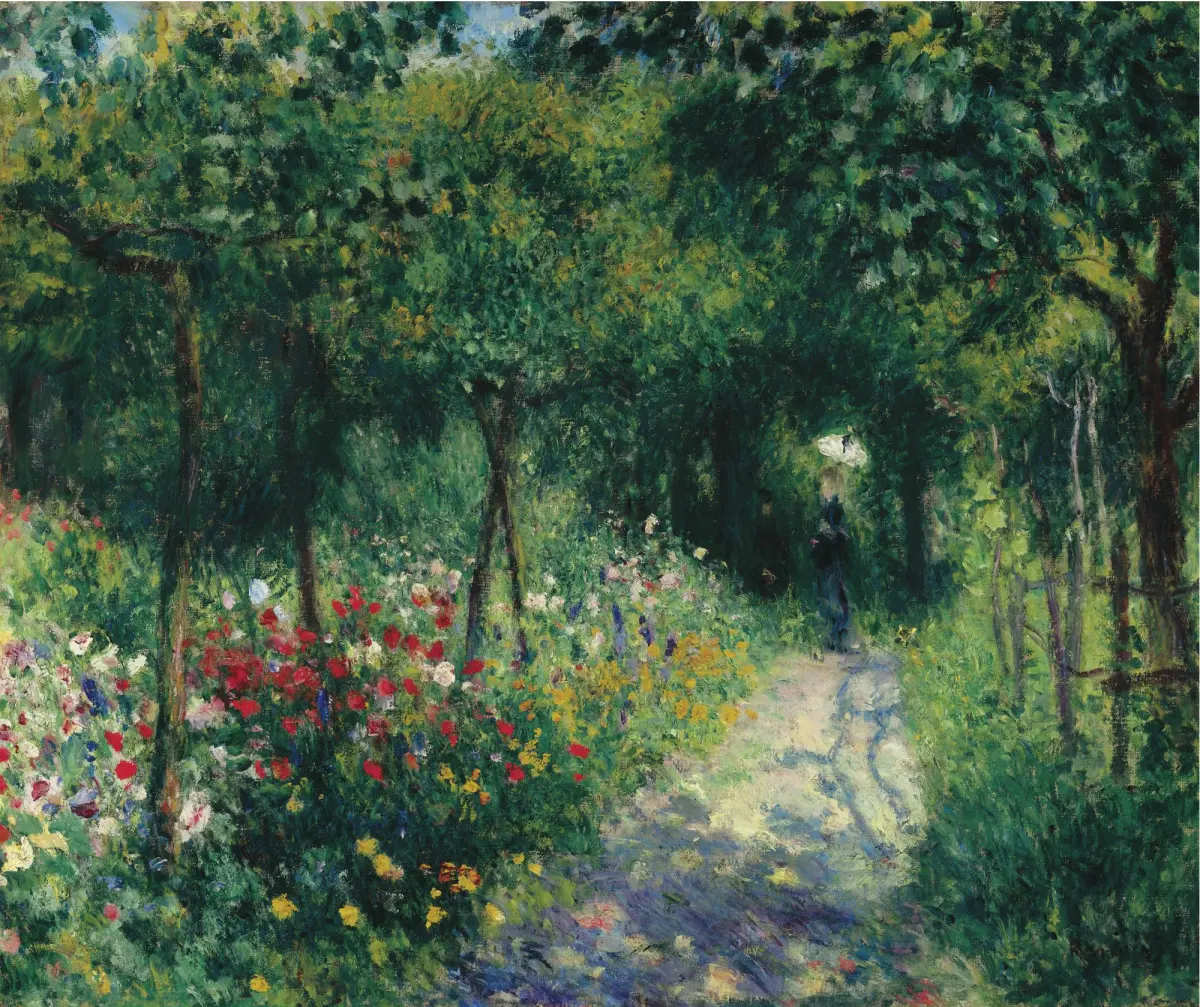
The fame of Bal du moulin de la Galette stems from its revolutionary approach to light and shadow. Renoir was fascinated by the way sunlight filtered through the trees, creating "dappled" patterns on the clothing and faces of the dancers. This technique, achieved through short, broken brushstrokes, creates a sense of shimmering movement that was entirely new to the art world of the 19th century.
Beyond the technical skill, the painting serves as a vital historical document of late 19th-century Parisian social life. It captures a fleeting moment of leisure, joy, and community that defines the "Belle Époque" spirit. The composition is carefully balanced to lead the viewer’s eye through the swirling crowd, making the observer feel as though they are standing right on the dance floor.
- The painting measures approximately 131 centimeters by 175 centimeters.
- It is currently housed in the Musée d'Orsay in Paris.
- The work features a blend of professional models and actual patrons of the dance hall.
- It highlights the shift from formal portraiture to the depiction of everyday, transient human experiences.
How to appreciate Renoir's Impressionist style
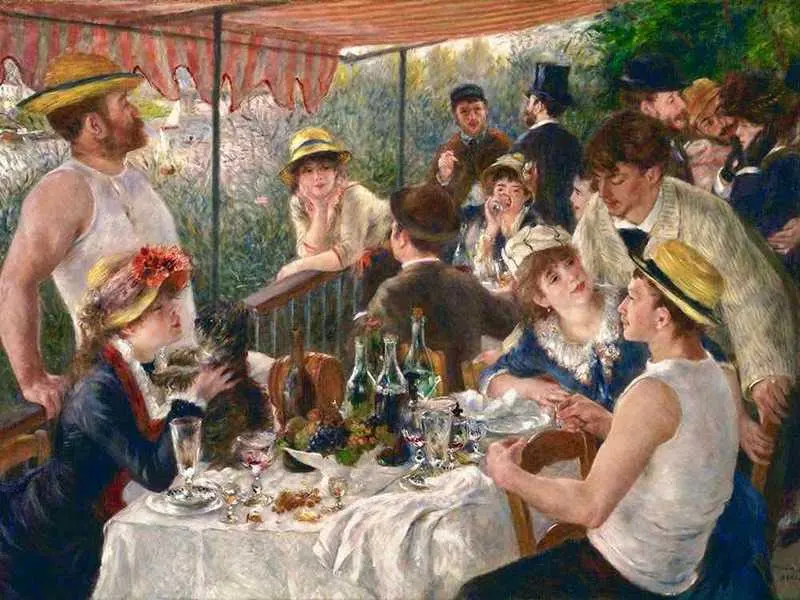
To truly appreciate Renoir’s work, you must look past the subject matter and focus on the application of paint. Impressionism is not about photographic realism; it is about capturing the "impression" of a scene. When viewing a Renoir painting, try stepping back several feet to allow the individual dabs of color to blend in your eye, creating a cohesive image.
When analyzing his technique, consider these elements:
- Observe the lack of hard outlines, which mimics how the human eye perceives movement.
- Look for the use of complementary colors, such as blues and oranges, placed side-by-side to increase the intensity of the light.
- Note how the background figures are painted with less detail than the foreground figures, creating a sense of depth and focus.
- Pay attention to the soft, rounded forms of the figures, which became a hallmark of Renoir’s later, more mature style.
Where can you see other famous Renoir paintings?
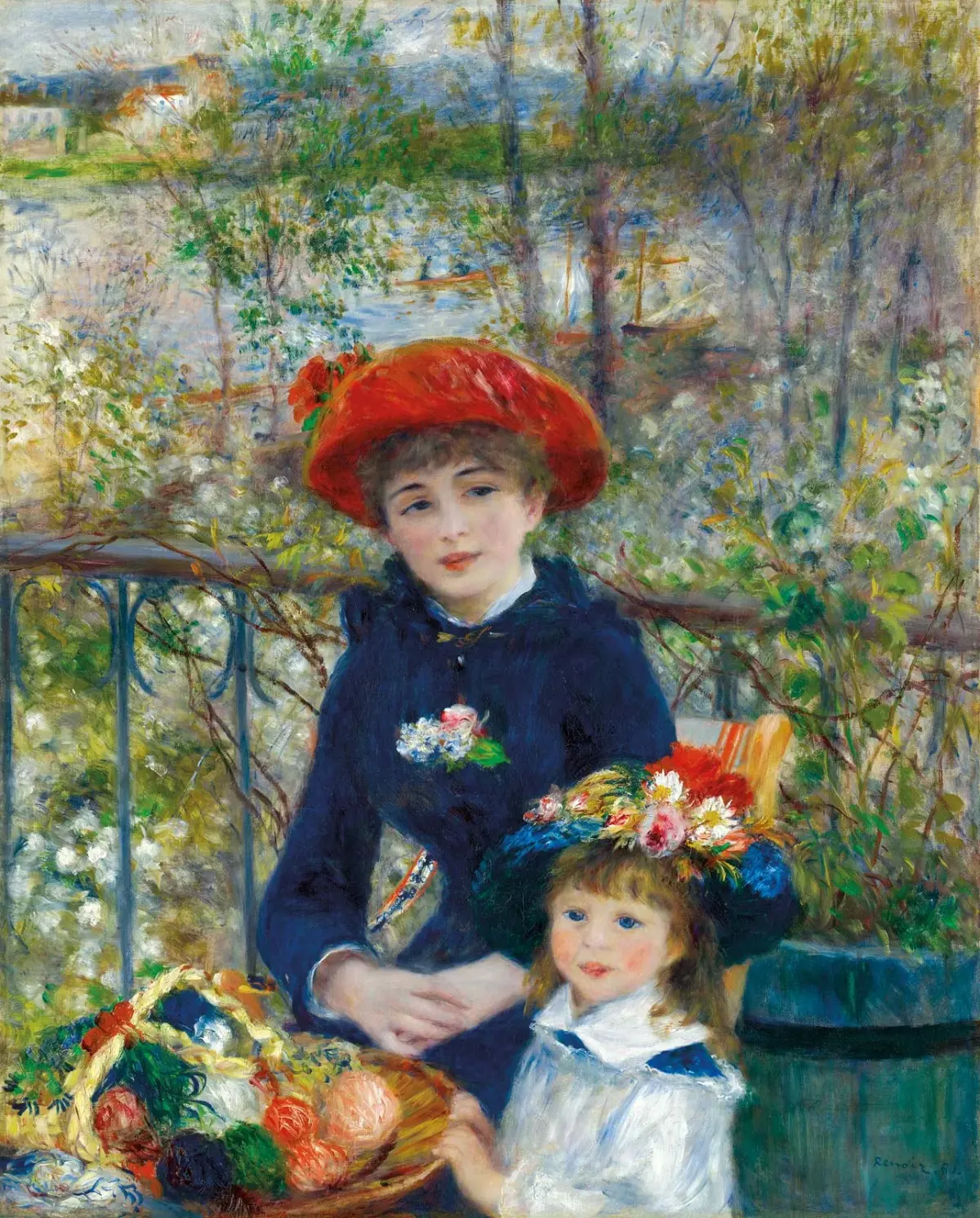
While Bal du moulin de la Galette is his most recognizable work, Renoir was a prolific artist who produced thousands of paintings throughout his long career. His body of work includes portraits, landscapes, and scenes of domestic life that are scattered across the world’s most prestigious museums. If you want to see more of his masterpieces, you should plan visits to institutions that hold significant collections of his Impressionist period.
Some of the most notable locations include:
- The Musée d'Orsay in Paris, which holds the largest collection of his early and mid-career works.
- The Barnes Foundation in Philadelphia, which houses an immense number of his later, more experimental paintings.
- The Art Institute of Chicago, featuring several of his most celebrated portraits and garden scenes.
- The National Gallery in London, which holds excellent examples of his more formal portraiture and social scenes.
Common mistakes when studying Renoir
A frequent mistake people make when studying Renoir is assuming that all his work looks the same. As he aged, his style shifted significantly; he moved away from the loose, light-filled brushwork of his youth toward a more structured, classical style inspired by the Italian Renaissance. If you only look at his later, more sculptural portraits, you might miss the revolutionary nature of his earlier Impressionist contributions.
Another common error is failing to consider the social context of his subjects. Some viewers mistake his paintings of leisure for simple, superficial scenes, ignoring the fact that he was documenting a changing society where the working class was gaining more access to public entertainment. To gain a deeper understanding, always research the historical setting of the painting. By understanding the environment in which Renoir worked, you can better appreciate the innovation behind his brushstrokes and the enduring legacy of his vision of human happiness.
Key facts
- Bal du moulin de la Galette (1876) is widely considered Renoir's most famous masterpiece.
- The painting captures a Sunday afternoon dance at the Moulin de la Galette in the Montmartre district of Paris.
- It measures approximately 1.31 meters by 1.75 meters and is currently housed in the Musée d'Orsay in Paris.
- To view the painting in person, visit the Impressionist gallery on the top floor of the Musée d'Orsay.
- Avoid flash photography when viewing the work, as intense light can damage the delicate pigments over time.
- Look closely at the dappled light effects on the dancers' clothes, which demonstrate Renoir's mastery of light and shadow.
The bottom line
Pierre-Auguste Renoir’s Bal du moulin de la Galette remains the definitive example of his Impressionist style. By capturing the vibrant energy of a Parisian dance hall through innovative light effects and spontaneous brushwork, he created an enduring image of 19th-century social life. Today, this iconic masterpiece serves as a primary reference point for understanding the technical brilliance and thematic interests of the Impressionist movement.
People also ask
Where was the Moulin de la Galette located?
It was a popular open-air dance hall and restaurant located in the Montmartre district of Paris. During the late 19th century, it served as a central social hub for local artists and working-class residents.
Did Renoir use professional models for this painting?
No, Renoir primarily used his friends, fellow artists, and local residents as models for the figures in the scene. This approach helped him achieve the spontaneous, lively atmosphere of a real social gathering.
What is the significance of the dappled light in Renoir’s work?
The dappled light represents the Impressionist technique of capturing fleeting moments and the way sunlight filters through trees. Renoir used broken brushstrokes to replicate how light dances across surfaces, creating a sense of movement.
How much is Bal du moulin de la Galette worth today?
As a priceless national treasure held in a public museum, the painting does not have a market price. However, a smaller study version of the work sold for $78.1 million in 1990, making it one of the most expensive paintings ever sold at the time.
Is Bal du moulin de la Galette the only version Renoir painted?
Renoir painted two versions of this scene; the larger one is in the Musée d'Orsay, and a smaller, slightly different version is held in a private collection. The two works are nearly identical in composition but differ in their intensity of color and detail.
Why is this painting considered a masterpiece of Impressionism?
It is celebrated for its complex composition, vibrant color palette, and its ability to capture the essence of modern Parisian life. It perfectly encapsulates the movement's focus on leisure, light, and the changing social landscape of the late 1800s.
This answer was created with the help of AI research tools and reference sources. Spotted an error? Let us know — we correct mistakes quickly. See our editorial policy.