What is Auguste Rodin known for?
Short answer
Auguste Rodin is widely considered the father of modern sculpture. He is best known for his expressive, textured bronze and marble figures, most notably The Thinker and The Kiss. By prioritizing raw human emotion and physical imperfection over idealized classical forms, he revolutionized 19th-century art and paved the way for modernism.
On this page
Why is Auguste Rodin famous?
Auguste Rodin (1840–1917) fundamentally changed the trajectory of sculpture by moving away from the rigid, idealized poses favored by the French Academy. Instead of creating smooth, heroic figures, he utilized rough, textured surfaces that interacted dynamically with light. This technique allowed his sculptures to appear as if they were in constant motion or transition, capturing the fleeting nature of human emotion.
His fame grew from his ability to convey profound psychological depth through the human body. Rather than focusing on historical or mythological perfection, Rodin explored themes of suffering, desire, and intellectual struggle. By leaving visible marks of his tools on his works, he emphasized the physical process of creation, which became a hallmark of his artistic identity.
- Focus on human anatomy as a vehicle for raw emotion.
- Use of "non-finito" or unfinished surfaces to suggest movement.
- Rejection of the static, idealized poses of traditional academic sculpture.
- Integration of light and shadow to define muscular form.
What are Rodin's most famous sculptures?
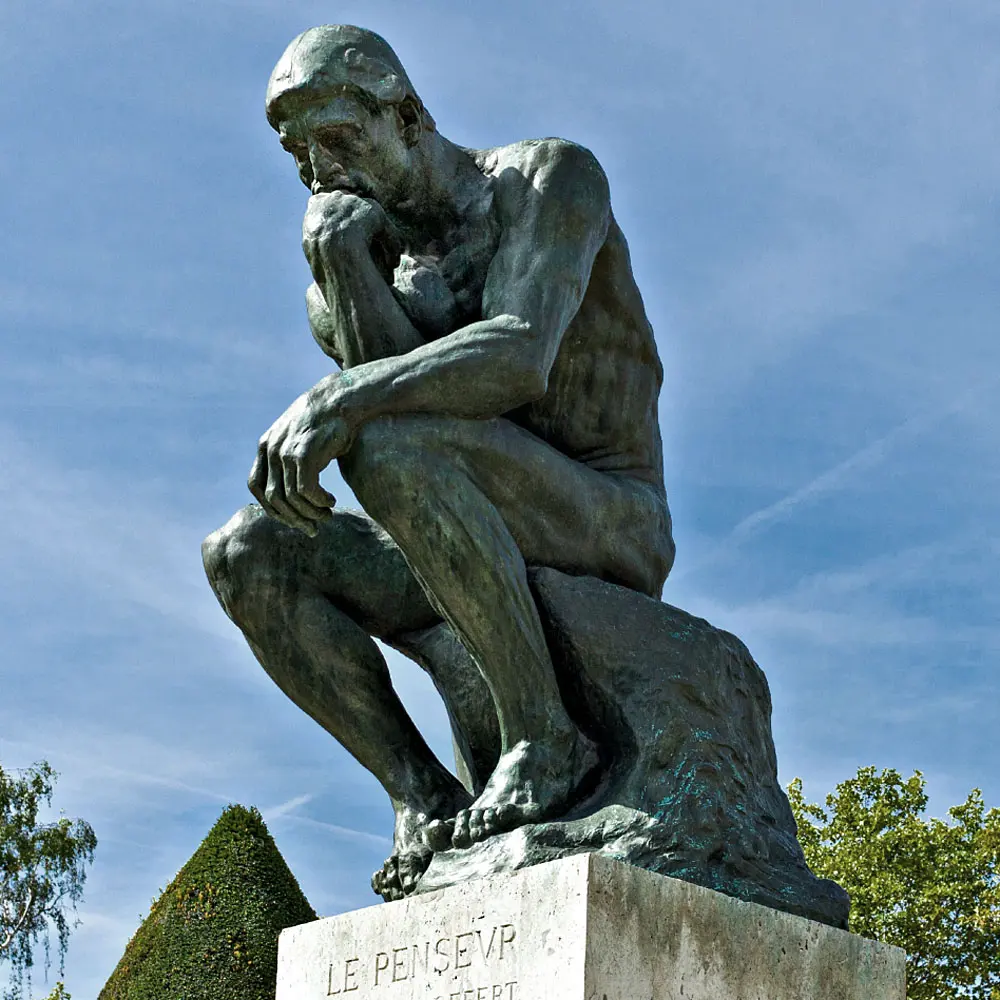
While Rodin produced hundreds of works, a few iconic pieces define his legacy. The Thinker is perhaps his most recognizable work, originally designed as part of a larger project called The Gates of Hell. It portrays a man lost in deep contemplation, his muscular frame tensed as if he is struggling with the weight of his own thoughts.
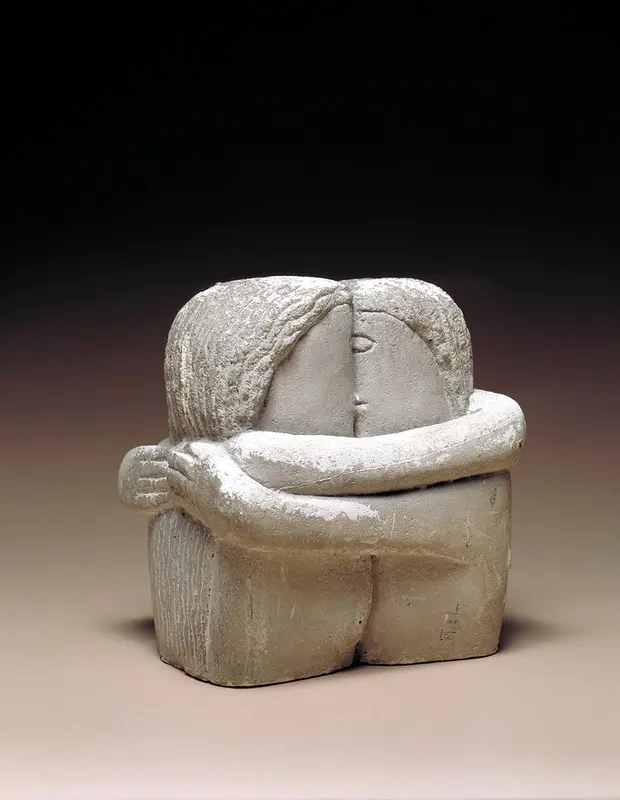
Another masterpiece is The Kiss, which depicts two lovers in an intimate embrace. Unlike the stiff statues of the era, this piece captures the softness of skin and the intensity of human connection. His large-scale public commissions, such as The Burghers of Calais, also broke conventions by depicting historical figures as vulnerable, ordinary people rather than triumphant, larger-than-life heroes.
- The Thinker (1904): A symbol of philosophical reflection.
- The Kiss (1882): A masterpiece of romantic expression.
- The Gates of Hell (1880–1917): A monumental portal inspired by Dante’s Inferno.
- The Burghers of Calais (1889): A group sculpture honoring sacrifice.
- The Age of Bronze (1877): The work that established his reputation.
How to appreciate Rodin's artistic style?
To truly appreciate Rodin’s work, one must observe how he utilizes light. Because he favored textured, uneven surfaces, light does not reflect uniformly across his sculptures. Instead, it creates shifting shadows that make the figures appear to breathe or shift as the viewer moves around them. This technique, known as sfumato in painting, was translated by Rodin into three-dimensional bronze and stone.
When visiting a museum, take time to walk around the sculpture rather than looking at it from a single angle. You will notice that the expression and mood of the figure often change depending on your perspective. Rodin intentionally designed his pieces to be viewed from multiple points, ensuring that the narrative of the sculpture unfolds differently as you explore its various contours and hidden details.
Common mistakes when analyzing Rodin
A frequent error made by beginners is looking for a singular, clear meaning in his work. Rodin was not interested in providing simple answers; he was interested in the complexity of the human condition. If you try to label a sculpture as purely "sad" or "happy," you will likely miss the underlying tension that makes his work so compelling.
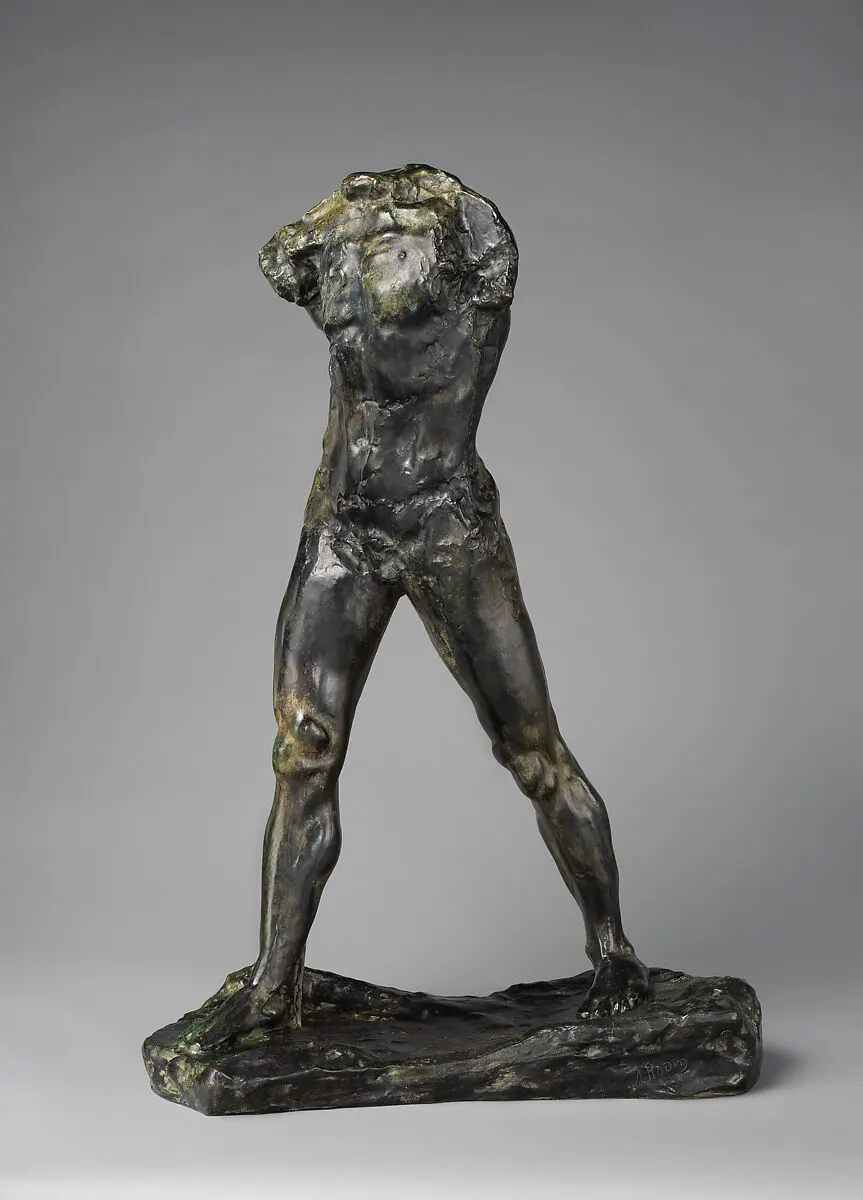
Another mistake is assuming that the rough, unfinished appearance of his sculptures was a sign of laziness or poor craftsmanship. In reality, this was a deliberate aesthetic choice. Rodin believed that the "finish" of a sculpture should not hide the artist's hand. By leaving his thumbprints or tool marks visible, he invited the viewer to participate in the creative act, acknowledging the human effort behind the final product.
- Do not ignore the base or the surrounding space of the sculpture.
- Avoid comparing his work to the perfect proportions of Greek statues.
- Do not assume that a rough surface implies an incomplete idea.
- Remember that his titles were often added later and may not represent his original intent.
Where can you see Rodin's work today?
The most essential destination for any Rodin enthusiast is the Musée Rodin in Paris. Located in the Hôtel Biron, where the artist lived during his later years, the museum houses the world’s most comprehensive collection of his sculptures, drawings, and personal artifacts. The surrounding sculpture garden is particularly famous, as it allows visitors to see his most iconic works displayed in the natural light he so admired.
If travel to Paris is not possible, many major international museums hold significant pieces of his collection. The Rodin Museum in Philadelphia also maintains a vast array of his works, including a bronze cast of The Thinker at the entrance. Because Rodin produced many bronze casts of his original clay models, his work is accessible in galleries around the globe, ensuring that his influence continues to reach new generations of art lovers.
Key facts
- Auguste Rodin (1840–1917) is widely considered the father of modern sculpture for his move away from idealized academic figures.
- His most famous work, The Thinker, was originally conceived as part of a monumental bronze portal titled The Gates of Hell.
- Rodin revolutionized the medium by leaving visible marks of his tools, such as thumbprints and chisel gashes, on the surface of his bronzes.
- He famously rejected the traditional practice of "polishing" sculptures, preferring to leave the texture raw to capture the play of light.
- The Rodin Museum in Paris, located at the Hôtel Biron, houses the largest collection of his work, including over 6,000 sculptures.
- When viewing his work, look for "non-finito" techniques where parts of the figure appear to emerge from an uncarved block of stone.
The bottom line
Auguste Rodin transformed sculpture by abandoning rigid academic standards in favor of raw, emotional expression and visible craftsmanship. By embracing the texture of his materials and the interplay of light, he bridged the gap between classical tradition and modern abstraction. His legacy remains defined by his ability to capture the human condition, ensuring his work remains a cornerstone of art history for contemporary audiences worldwide.
People also ask
Was Auguste Rodin a painter?
While primarily a sculptor, Rodin was a prolific draftsman who produced thousands of sketches throughout his life. He often used watercolor and pencil to capture the fluid movement of models in his studio.
Why are there so many copies of Rodin's sculptures?
Rodin bequeathed the rights to cast his works to the French state upon his death. Consequently, the Musée Rodin is legally authorized to produce limited editions of his sculptures from his original molds.
What is the significance of "The Gates of Hell"?
This massive project occupied Rodin for over 30 years and served as the source material for many of his individual masterpieces. It was inspired by Dante’s Inferno and contains over 180 distinct figures.
Did Rodin work alone in his studio?
No, Rodin employed a large team of assistants, stone carvers, and casters to help execute his complex visions. This workshop model was common for successful artists of his era, though it occasionally caused controversy regarding authorship.
How can I identify a genuine Rodin bronze?
Authentic casts produced by the Musée Rodin feature specific foundry marks, a signature, and a numbered edition stamp. Always verify the provenance through official museum documentation, as many unauthorized reproductions exist on the market.
What is the "non-finito" style?
This is an artistic technique where the sculptor intentionally leaves parts of the work unfinished or rough. Rodin used this to create a sense of mystery and to emphasize the physical struggle of the figure emerging from matter.
This answer was created with the help of AI research tools and reference sources. Spotted an error? Let us know — we correct mistakes quickly. See our editorial policy.