What is mark making in art?
Short answer
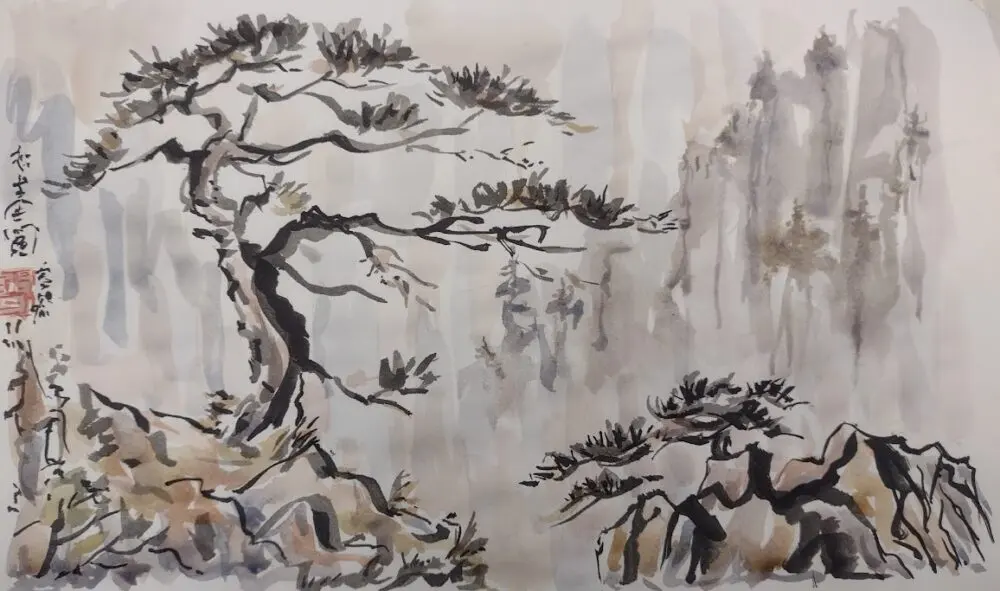
Mark making refers to the diverse lines, dots, patterns, textures, and scribbles created on a surface to convey meaning or emotion. It encompasses every physical trace left by an artist’s tool, ranging from delicate pencil strokes to aggressive paint applications, serving as the fundamental building block of all visual expression.
On this page
What is mark making in art?
Mark making is the foundational language of visual art. It describes the physical interaction between a tool—such as a brush, charcoal stick, or stylus—and a substrate like paper or canvas. Every time an artist makes contact with a surface, they leave a record of their movement, pressure, and intent. These marks are not merely decorative; they act as the primary vehicle for communicating form, depth, and psychological intensity within a composition.
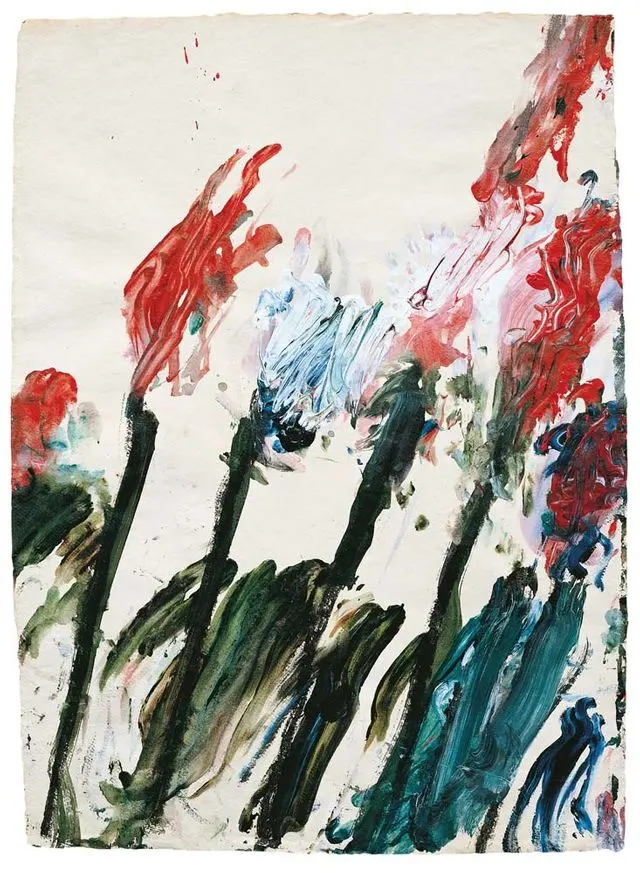
Historically, mark making has evolved alongside human development. From the prehistoric cave paintings at Lascaux, where artists used pigments and fingers to create outlines, to the expressive, gestural brushwork of 19th-century Impressionists like Vincent van Gogh, the technique has always been central to artistic identity. By analyzing the quality of a line or the density of a smudge, viewers can often discern the speed, force, and emotional state of the creator at the moment of production.
How to practice mark making techniques
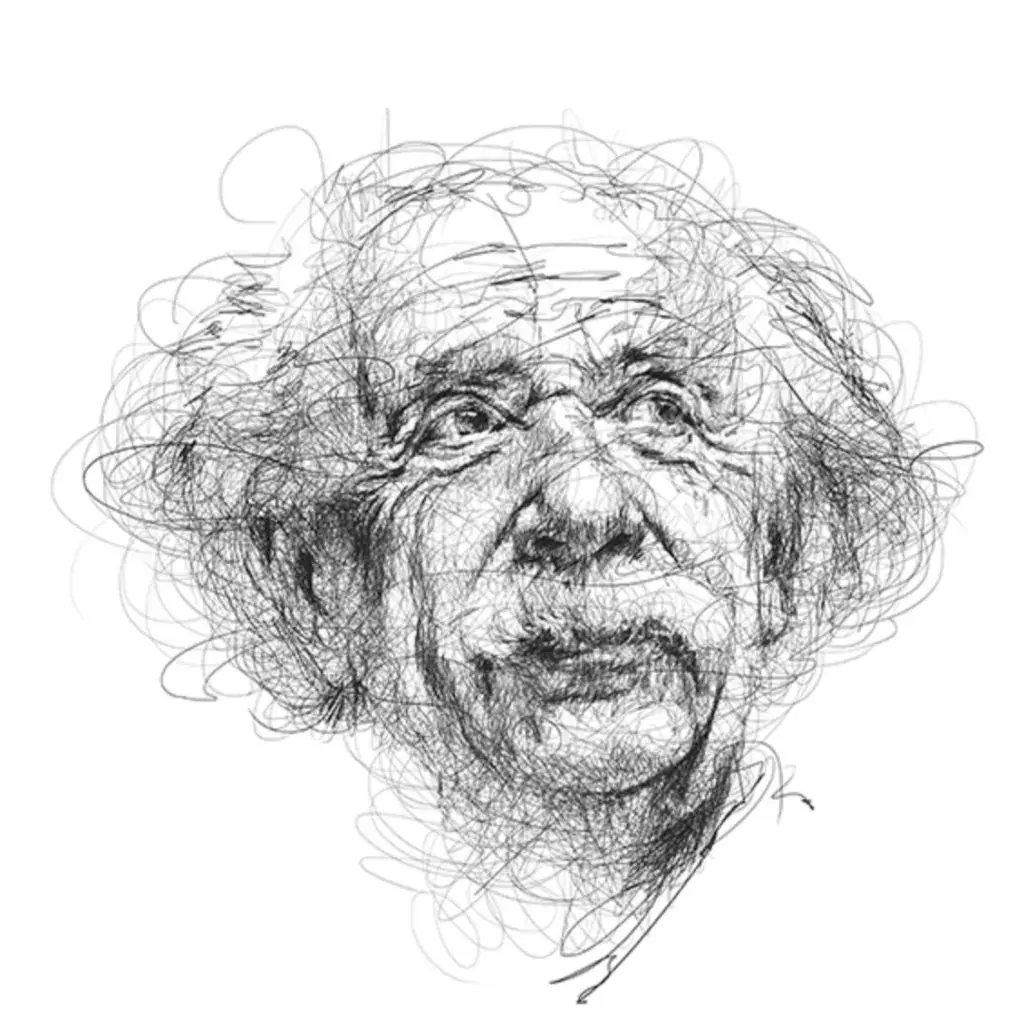
Developing a personal vocabulary of marks requires experimentation with various tools and pressures. Beginners should start by filling pages with repetitive motions to understand how different instruments respond to the surface. By varying the speed of your hand, you can create marks that feel either fluid and graceful or jagged and frantic. This process helps artists gain control over their materials while discovering unique textures that define their personal style.
To build your repertoire, try these exercises:
- Vary your pressure: Press hard for dark, thick lines and barely touch the surface for faint, ethereal ones.
- Change your speed: Move the tool quickly to create broken, energetic lines, or move slowly for steady, deliberate strokes.
- Rotate your tool: Use the side of a pencil or the flat edge of a brush to create broad, soft shapes rather than thin lines.
- Layer your marks: Overlap different types of marks to create visual depth and complexity in your work.
Best tools for mark making
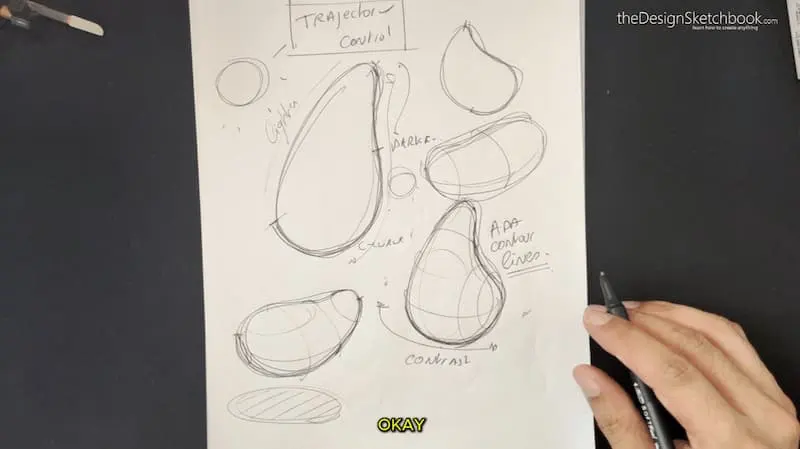
The choice of tool dictates the character of the mark. Hard materials like graphite pencils or metal points produce crisp, precise lines, while soft materials like charcoal, conte crayon, or oil paint allow for blending, smudging, and heavy impasto. Artists often combine these tools to create contrast between sharp, defined edges and soft, atmospheric areas. Understanding the physical properties of your medium is essential for achieving the specific visual effect you desire.
When selecting tools, consider how they interact with the texture of your paper or canvas. A rough, "toothier" paper will grab particles from charcoal or pastel, creating a grainy, textured mark. Conversely, a smooth, hot-pressed surface will allow a pen or fine-liner to glide effortlessly, resulting in clean, uninterrupted lines. Experimenting with different combinations allows you to control the "voice" of your drawing, ensuring that the marks you make align with the narrative or mood of your piece.
Why mark making is important for composition
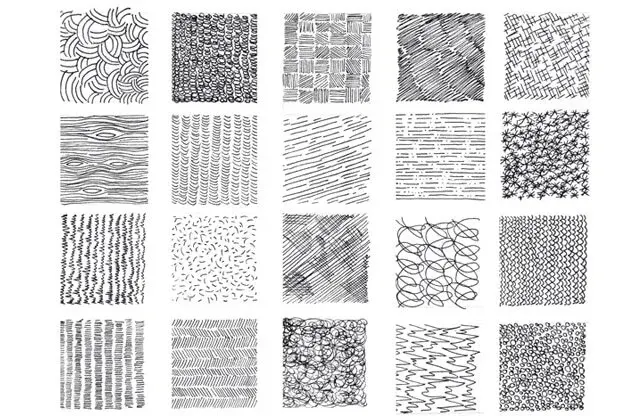
Mark making serves as the structural skeleton of a painting or drawing. It guides the viewer’s eye across the page, defining boundaries between objects and creating a sense of three-dimensional space. Through the use of hatching, cross-hatching, and stippling, an artist can suggest volume and light without needing to rely on color alone. These marks create a rhythm within the composition, leading the viewer through a visual journey that feels cohesive and intentional.
Furthermore, mark making is a powerful tool for emotional expression. A series of short, choppy, dark marks might suggest anxiety or chaos, while long, sweeping, light-colored strokes often evoke calmness or movement. By consciously choosing the quality of your marks, you can imbue a static image with a sense of time and energy. This ability to manipulate the viewer's perception through simple physical traces is what elevates a basic sketch into a compelling work of art.
Common mistakes when making marks
A frequent error for beginners is over-reliance on a single type of mark, which can lead to a flat or monotonous composition. Artists often fall into the trap of using only thin, uniform outlines, which prevents the work from feeling grounded or volumetric. To avoid this, focus on creating a variety of mark types within a single piece. Incorporating thick, thin, dark, light, smooth, and rough marks will provide the necessary contrast to make your artwork feel dynamic and professional.
Follow these steps to avoid common pitfalls:
- Avoid "coloring book" syndrome: Do not simply outline shapes and fill them in; instead, use marks to build form through light and shadow.
- Don't be afraid of the "ugly" phase: Early marks are often messy, but they are necessary for finding the structure of your subject.
- Keep your hand moving: Avoid "chicken scratching," which involves making many tiny, hesitant marks; instead, aim for confident, long, and purposeful strokes.
- Step back frequently: Viewing your work from a distance helps you see if your marks are creating the intended balance and focal points.
Key facts
- Mark making refers to the different lines, dots, patterns, textures, and scribbles created on a surface.
- It is the fundamental building block of drawing, serving as the artist's unique visual signature.
- Artists use various tools like graphite, charcoal, ink, brushes, or even found objects to produce distinct marks.
- The pressure, speed, and angle of the tool determine the weight and character of the mark.
- Varying your mark making creates visual interest and helps define form, depth, and light in a composition.
- Avoid using only one type of mark throughout a piece, as this can make the artwork appear flat or monotonous.
The bottom line
Mark making is the essential language of visual art, encompassing every line, dot, and texture placed on a surface. By intentionally varying your tools, pressure, and speed, you can create dynamic compositions that convey depth, emotion, and form. Mastering this skill allows you to move beyond simple representation, transforming basic sketches into expressive works that reflect your unique artistic voice and individual creative perspective.
People also ask
How can I improve my mark making skills?
Practice by filling a page with different types of lines, such as cross-hatching, stippling, and gestural swirls. Experiment with how hard or soft you press your tool to see how it changes the intensity of the mark.
Does the surface texture affect the marks I make?
Yes, the "tooth" or roughness of the paper significantly alters how a tool deposits pigment. A rough surface will break up a charcoal line, while a smooth surface allows for crisp, solid edges.
What is the difference between gestural and descriptive marks?
Gestural marks are quick, fluid movements that capture the energy or motion of a subject. Descriptive marks are deliberate and precise, intended to define the specific contours and details of an object.
Can mark making be used to show emotion?
Absolutely, as aggressive, jagged, or heavy marks often convey tension or anger. Conversely, light, sweeping, and soft marks can evoke feelings of calm, fragility, or grace.
Should I use my whole arm or just my wrist when making marks?
Using your whole arm provides more freedom and fluid movement, which is ideal for large, expressive marks. Relying only on your wrist is better suited for small, intricate details but can restrict your range of motion.
How do I avoid "scratchy" or messy-looking marks?
Focus on intentionality rather than speed, ensuring each stroke has a clear beginning and end. Practice controlling your pressure so that lines do not appear unintentionally faded or broken.
This answer was created with the help of AI research tools and reference sources. Spotted an error? Let us know — we correct mistakes quickly. See our editorial policy.