How do you make slime?
Short answer
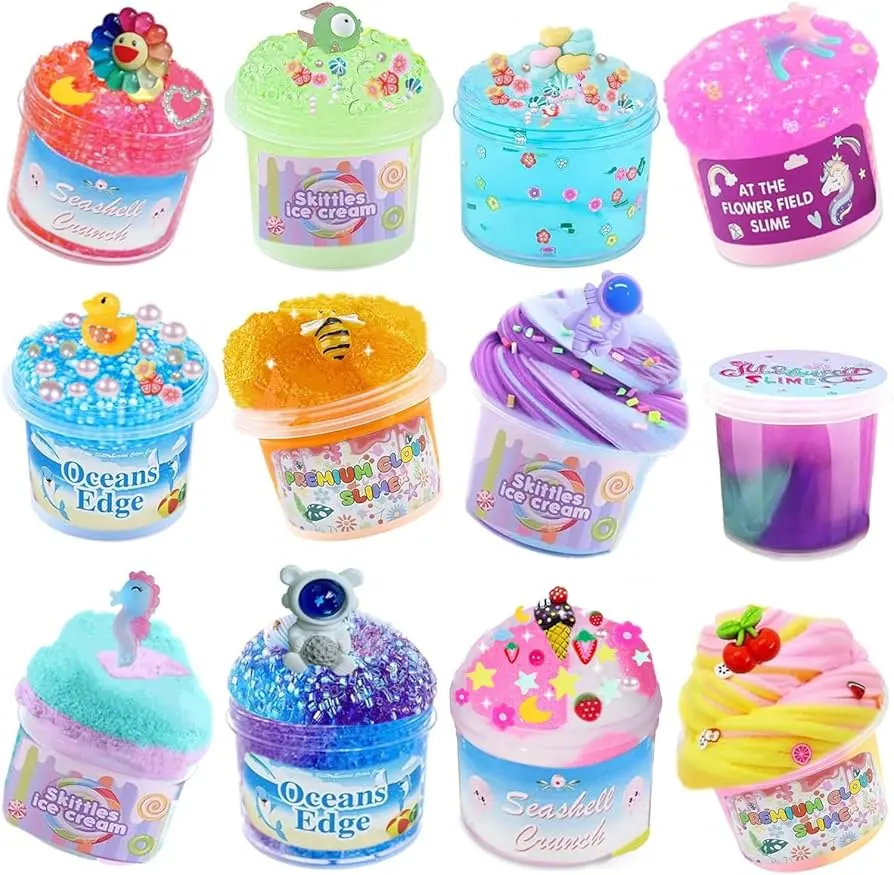
Slime is a non-Newtonian fluid created by cross-linking polymers. To make basic slime, mix 1/2 cup of white school glue with 1/2 teaspoon of baking soda. Gradually stir in 1 tablespoon of contact lens solution containing boric acid until the mixture pulls away from the bowl and reaches a stretchy, putty-like consistency.
On this page
How to make basic slime with glue
The most reliable method for beginners involves a chemical reaction between polyvinyl acetate in glue and borate ions found in contact lens solution. This process creates a polymer network that traps water, resulting in a substance that flows like a liquid but holds its shape like a solid. To begin, pour 1/2 cup of white PVA glue into a clean plastic bowl. If you desire color, add two drops of liquid food coloring and stir thoroughly before introducing any other ingredients.
Once the glue is prepared, add 1/2 teaspoon of baking soda and mix until the consistency is smooth. Slowly add 1 tablespoon of contact lens solution, which must contain boric acid or sodium borate to function as the activator. Stir the mixture continuously as it begins to clump together. Once the slime pulls away from the sides of the bowl, remove it and knead it with your hands for several minutes to improve its elasticity and reduce stickiness.
What ingredients are needed for slime
Successful slime production depends on specific chemical components that serve as either the base or the activator. The base provides the long-chain molecules, while the activator links these chains together to create the characteristic rubbery texture. You should gather the following materials before starting your project to ensure a seamless process:
- White school glue (PVA-based)
- Baking soda
- Contact lens solution (must list boric acid or sodium borate)
- Measuring spoons and a mixing bowl
- Airtight containers for storage
- Optional: Glitter, food coloring, or essential oils
Avoid using clear glue if you want a creamy, opaque texture, as clear glue results in a transparent, glass-like slime. Always verify that your contact lens solution contains the necessary borate ingredients, as saline solution without them will fail to trigger the polymerization process.
Why slime consistency changes over time
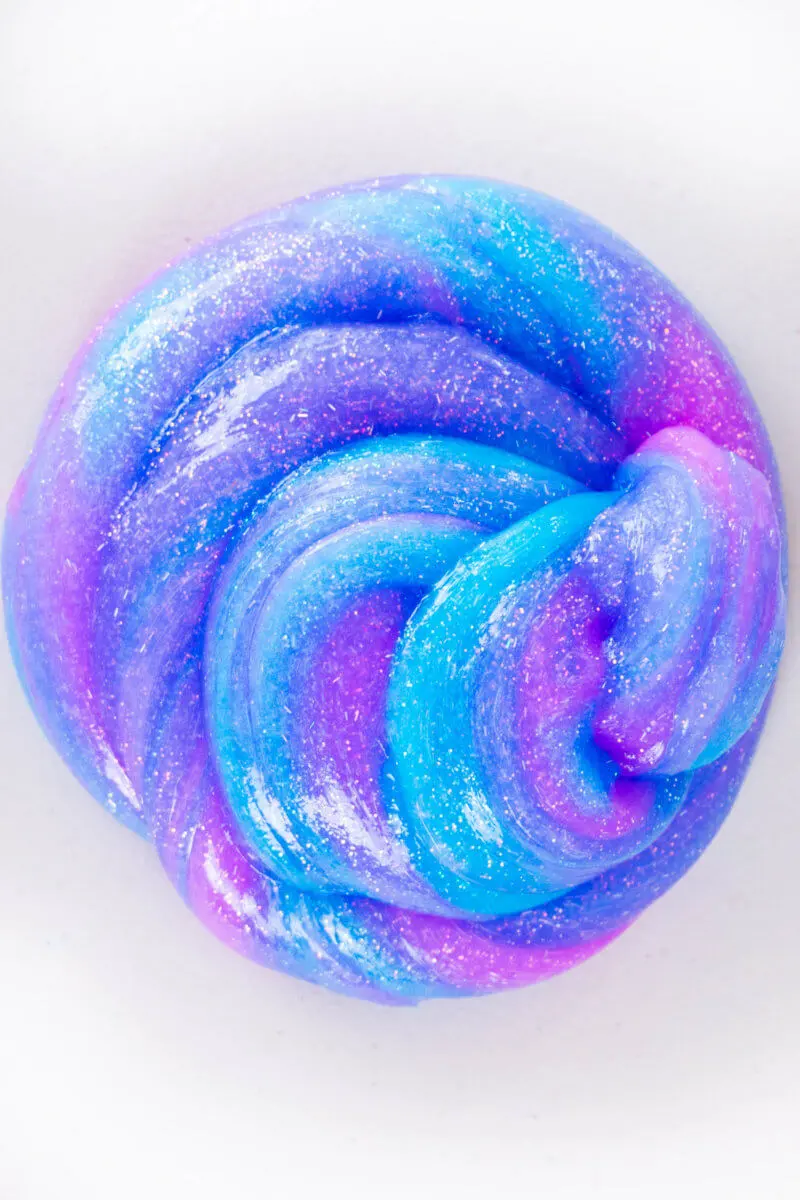
Slime is classified as a non-Newtonian fluid because its viscosity changes based on the amount of force applied to it. When you pull the slime slowly, the polymer chains slide past each other, allowing the material to stretch. If you pull it sharply or strike it, the chains become tangled and locked, causing the slime to snap or behave like a solid. This unique property makes it a popular tool for sensory play and scientific observation.
Environmental factors also dictate how long your slime remains usable. Exposure to air causes the water trapped within the polymer network to evaporate, leading to a hard, brittle substance that no longer stretches. To prolong the life of your creation, always store it in an airtight plastic container or a sealed bag. If the slime becomes slightly dry, you can sometimes restore its texture by kneading in a few drops of warm water or a tiny amount of additional lotion.
Common mistakes when making slime
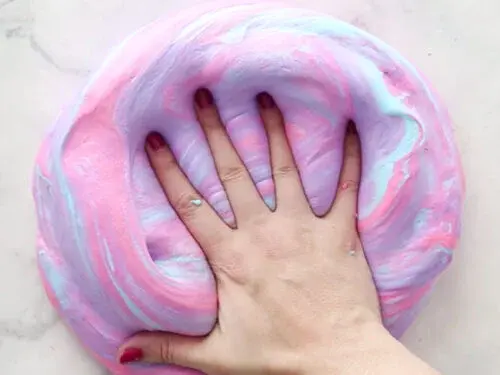
Many beginners encounter issues such as slime that is too sticky or too stiff. A common error is adding the activator too quickly, which prevents the ingredients from blending evenly and leaves pockets of unreacted glue. If your slime is excessively sticky, add half a teaspoon of activator at a time, kneading thoroughly between each addition. Adding too much activator at once will cause the slime to become tough and rubbery, eventually losing its ability to stretch.
Another frequent mistake involves using the wrong type of glue. Craft glues that do not contain polyvinyl acetate will not react with the borate solution, resulting in a watery mess. Additionally, failing to wash your hands before handling the slime can introduce oils and dirt that degrade the polymer structure. Always work on a clean, non-porous surface like a plastic mat or a glass tray to prevent the slime from picking up lint or debris that can ruin its texture.
How to clean up slime safely
Cleaning up slime can be challenging if it adheres to fabric or carpet fibers. If you get slime on clothing, the most effective removal method is to saturate the area with white vinegar. The acid in the vinegar breaks down the cross-linked polymer bonds, turning the solid slime back into a liquid state that can be easily wiped away or rinsed out with warm water. Do not attempt to scrub the slime while it is still solid, as this will push the material deeper into the fabric.
- Apply white vinegar directly to the slime-covered area.
- Let the vinegar sit for three to five minutes to dissolve the bonds.
- Use a dull knife or a spoon to scrape away the softened residue.
- Rinse the fabric thoroughly with warm water and mild soap.
- Launder the item as you normally would to remove any remaining vinegar scent.
If slime gets stuck in hair, use a small amount of vegetable oil or hair conditioner to loosen the grip of the polymers. Gently work the oil into the affected strands until the slime slides off, then wash the hair with shampoo to remove the excess oil. Following these steps ensures that your experiments remain fun and manageable without causing permanent damage to your belongings.
Key facts
- Slime is a non-Newtonian fluid, meaning its viscosity changes depending on the stress or force applied to it.
- The most common household recipe involves mixing polyvinyl acetate (PVA) glue with a borax solution or liquid laundry detergent.
- Borax acts as a cross-linking agent, which connects long polymer chains in the glue to create a rubbery, gel-like structure.
- Adding too much activator will make the slime stiff and prone to breaking rather than stretching.
- Food coloring or glitter can be added during the mixing phase to customize the appearance of the finished product.
- Storing slime in an airtight container prevents it from drying out and helps maintain its texture for several weeks.
The bottom line
Creating slime is a simple scientific experiment that demonstrates the properties of polymers and non-Newtonian fluids. By combining PVA glue with a cross-linking agent like borax or laundry detergent, you transform liquid ingredients into a flexible, tactile material. Always prioritize safety by keeping the materials away from your mouth and eyes, and remember that proper storage is essential to keep your creation playable for longer.
People also ask
Is it safe to touch slime?
Generally, slime made with household ingredients is safe for skin contact, though it should never be ingested. Those with sensitive skin or allergies to laundry detergents should wear gloves while handling the mixture.
Why is my slime so sticky?
Sticky slime usually indicates that there is not enough activator, such as borax or detergent, to cross-link the glue. Add the activator in very small increments, kneading thoroughly between each addition until the desired consistency is reached.
How do I get slime out of carpet or fabric?
White vinegar is the most effective solution for dissolving slime from fibers. Apply the vinegar directly to the affected area, let it sit for a few minutes, and then gently scrub or wipe it away with a cloth.
Can slime be made without borax?
Yes, you can use contact lens solution—which contains boric acid and sodium borate—as a safer alternative to pure borax powder. Other recipes use cornstarch and water to create a substance known as oobleck, which behaves similarly to traditional slime.
How long does homemade slime last?
Homemade slime typically lasts for one to two weeks if stored in a sealed container or plastic bag. If the slime begins to smell, change color, or grow mold, it should be discarded immediately.
Can I fix slime that has become too hard?
You can often soften hardened slime by kneading in a small amount of warm water or moisturizing lotion. If the slime has become brittle due to age, however, it is usually best to make a fresh batch.
This answer was created with the help of AI research tools and reference sources. Spotted an error? Let us know — we correct mistakes quickly. See our editorial policy.