What is collage art?
Short answer
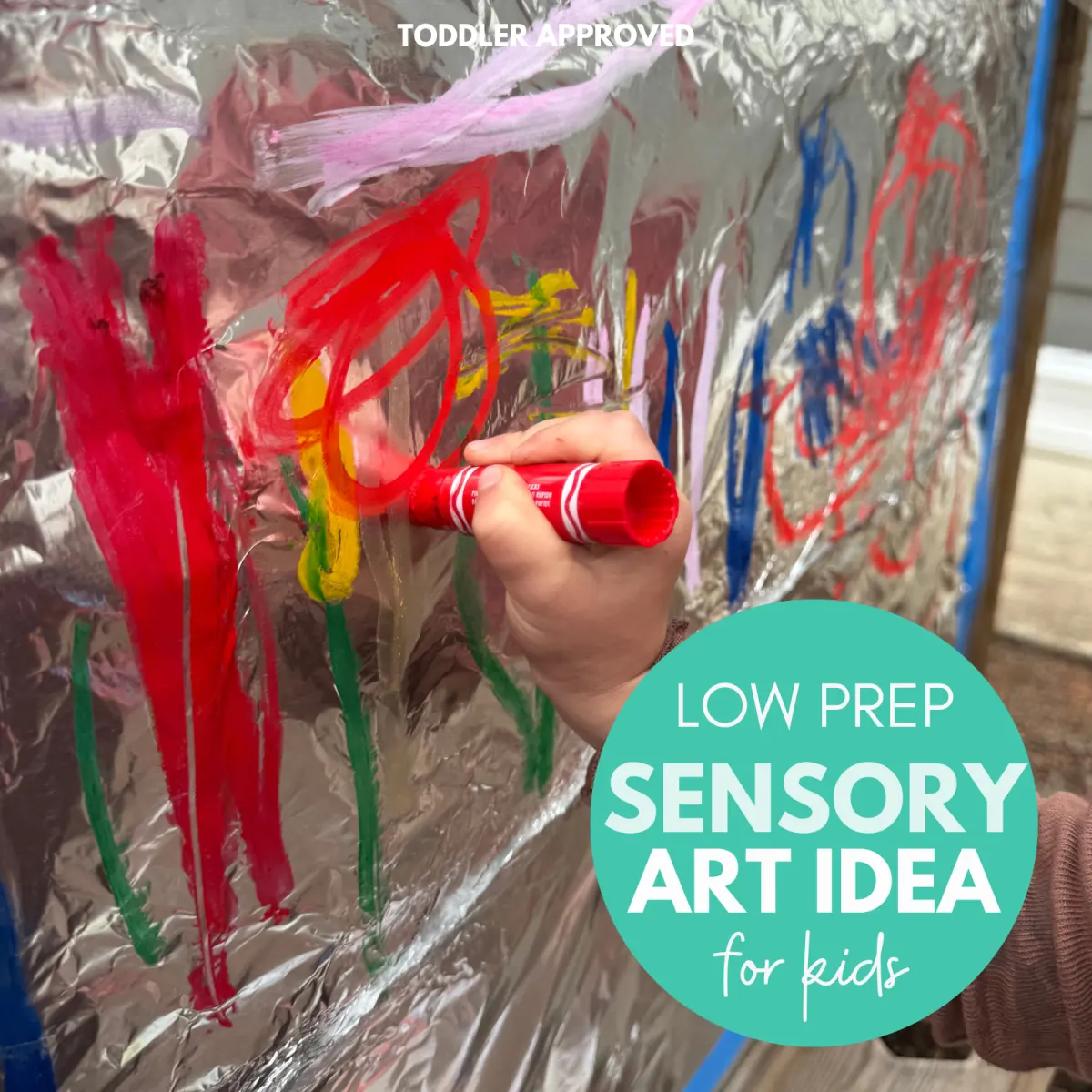
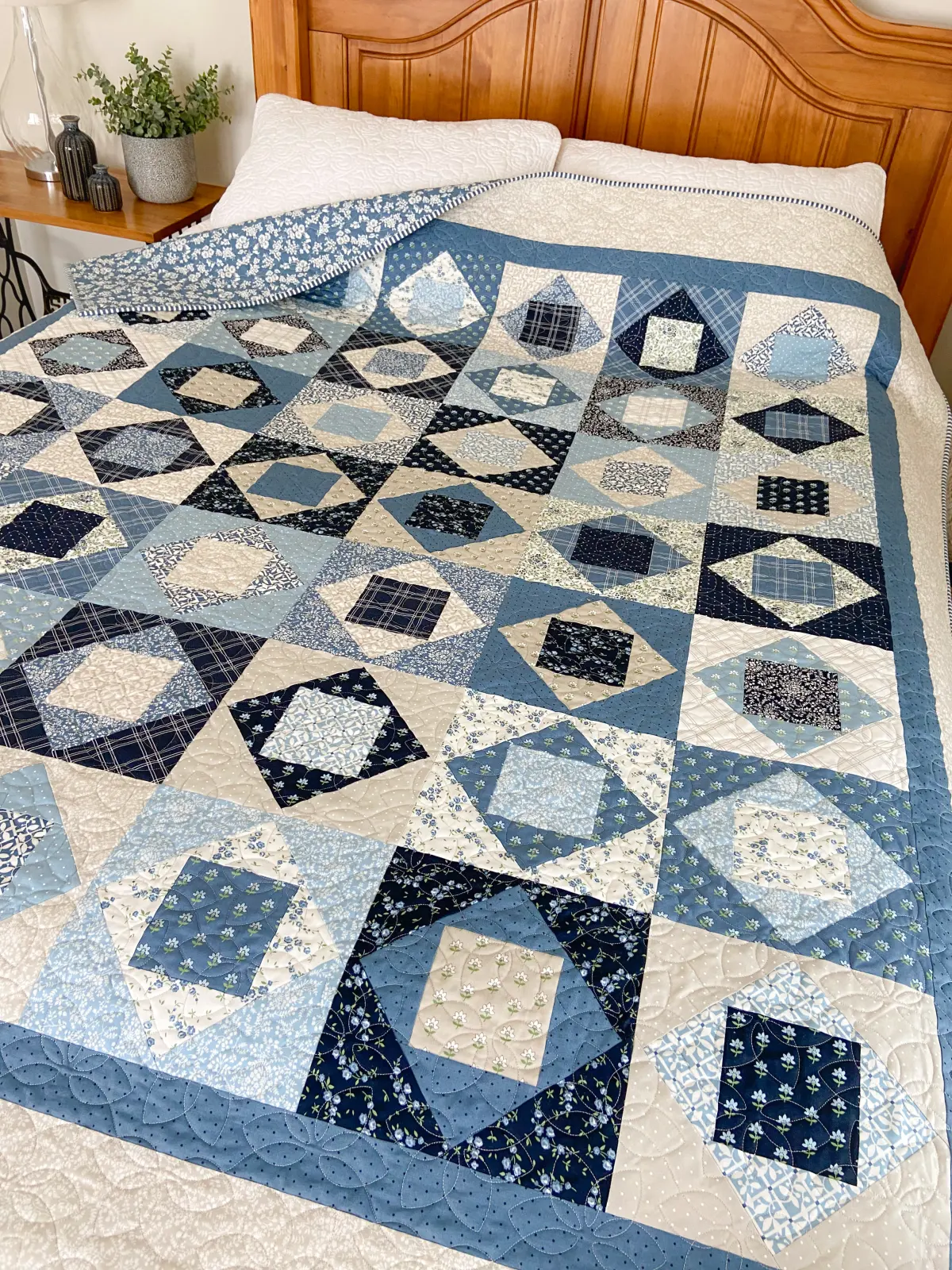
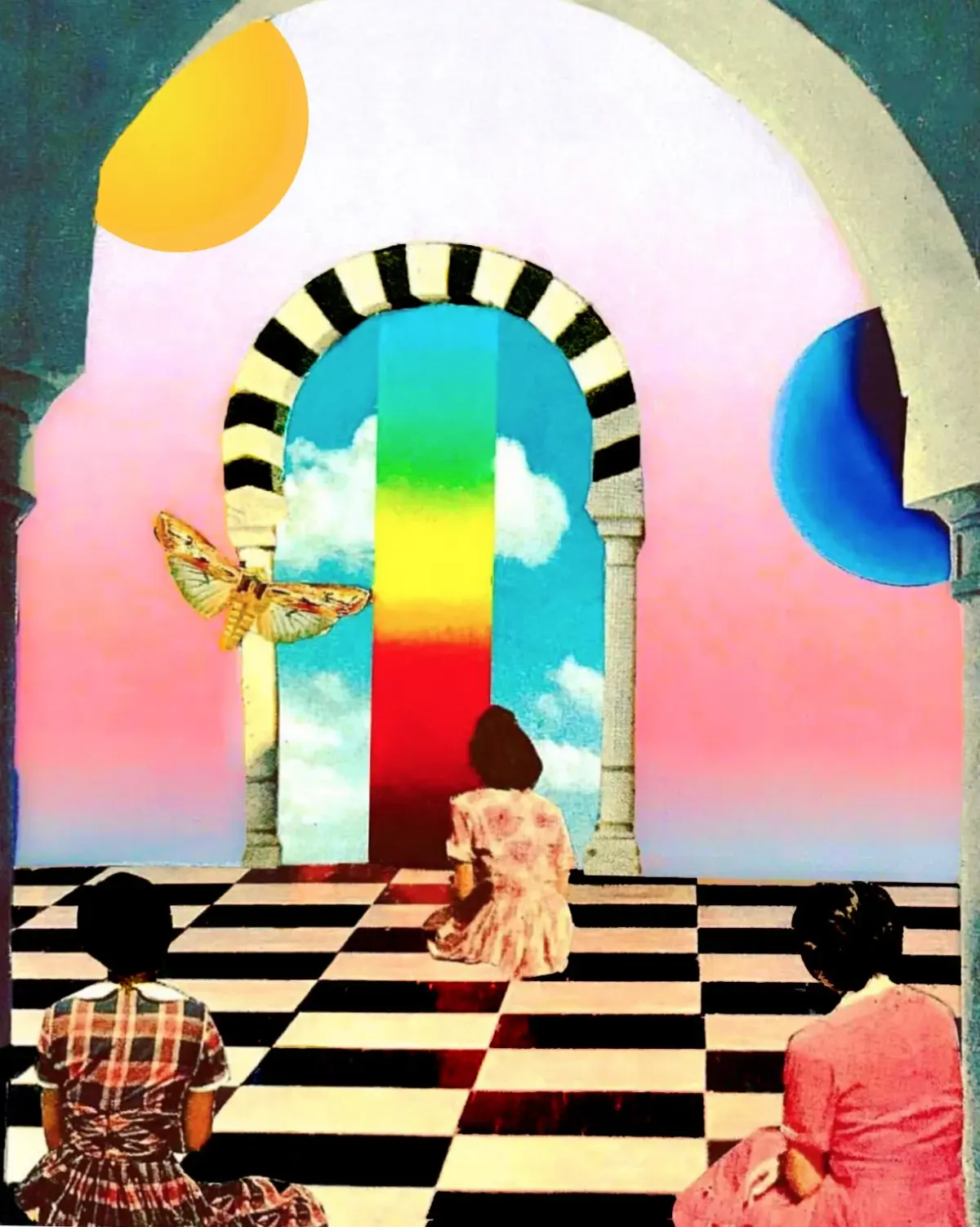
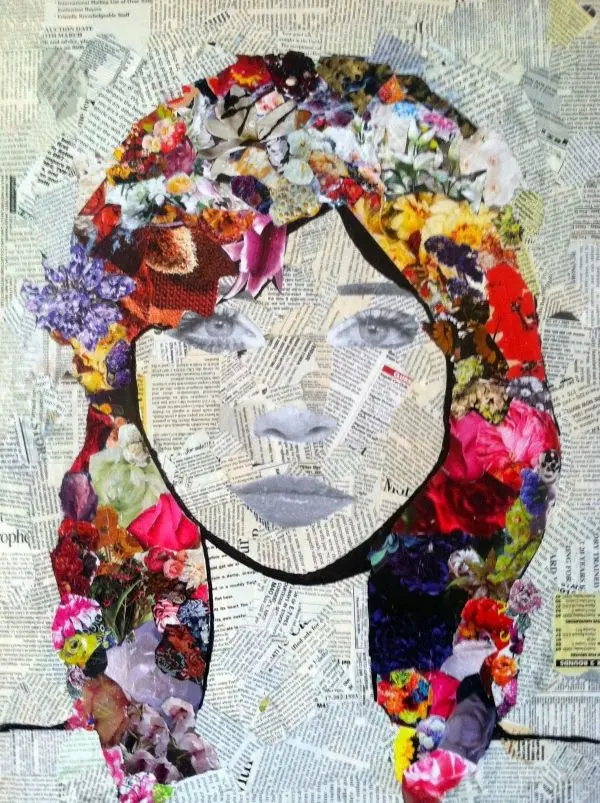
Collage is an artistic technique where various materials like paper, photographs, fabric, and found objects are arranged and adhered to a backing surface. The term derives from the French word "coller," meaning "to glue." It transforms disparate items into a cohesive new composition, challenging traditional notions of painting and drawing.
On this page
What is the history of collage art?
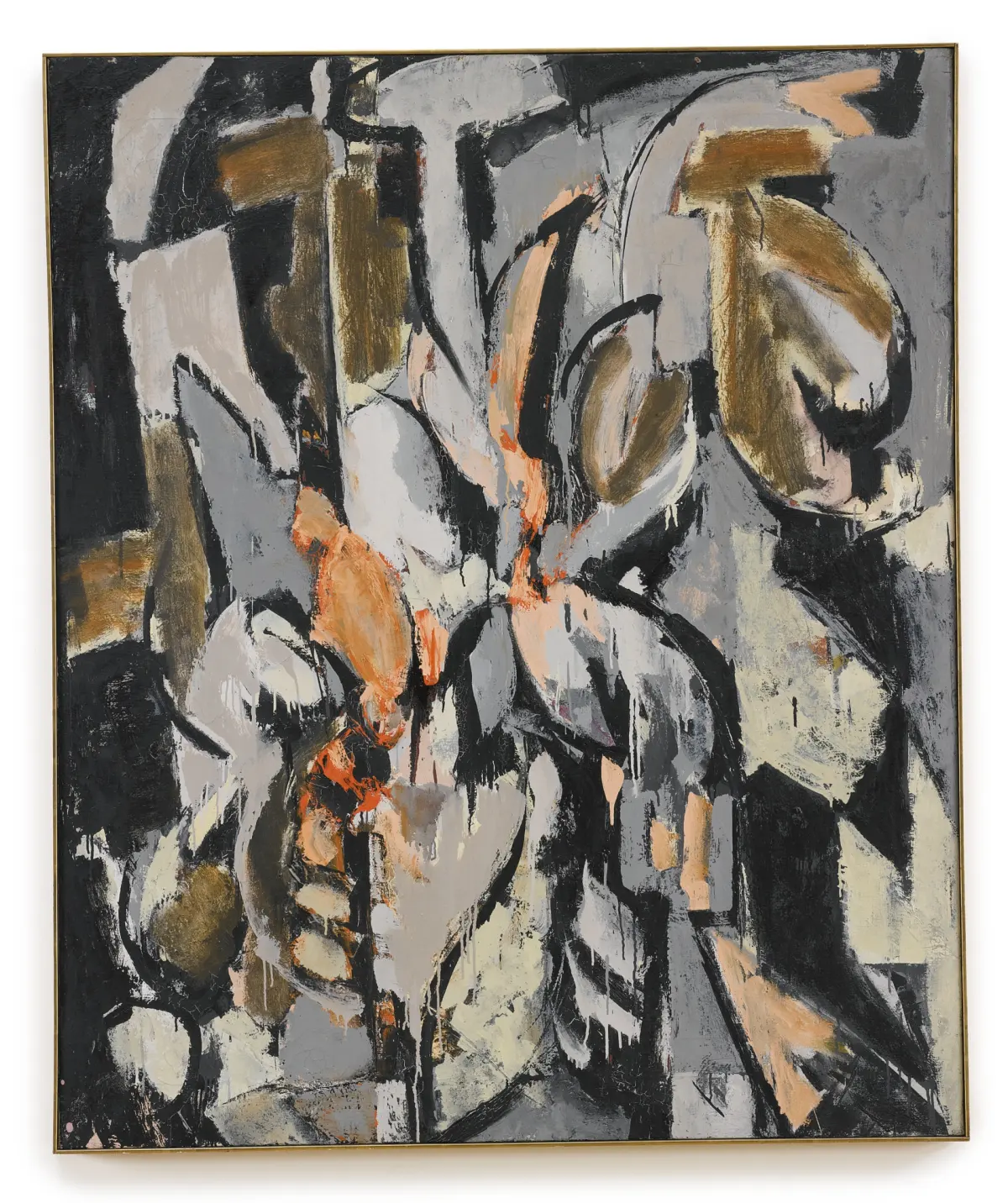
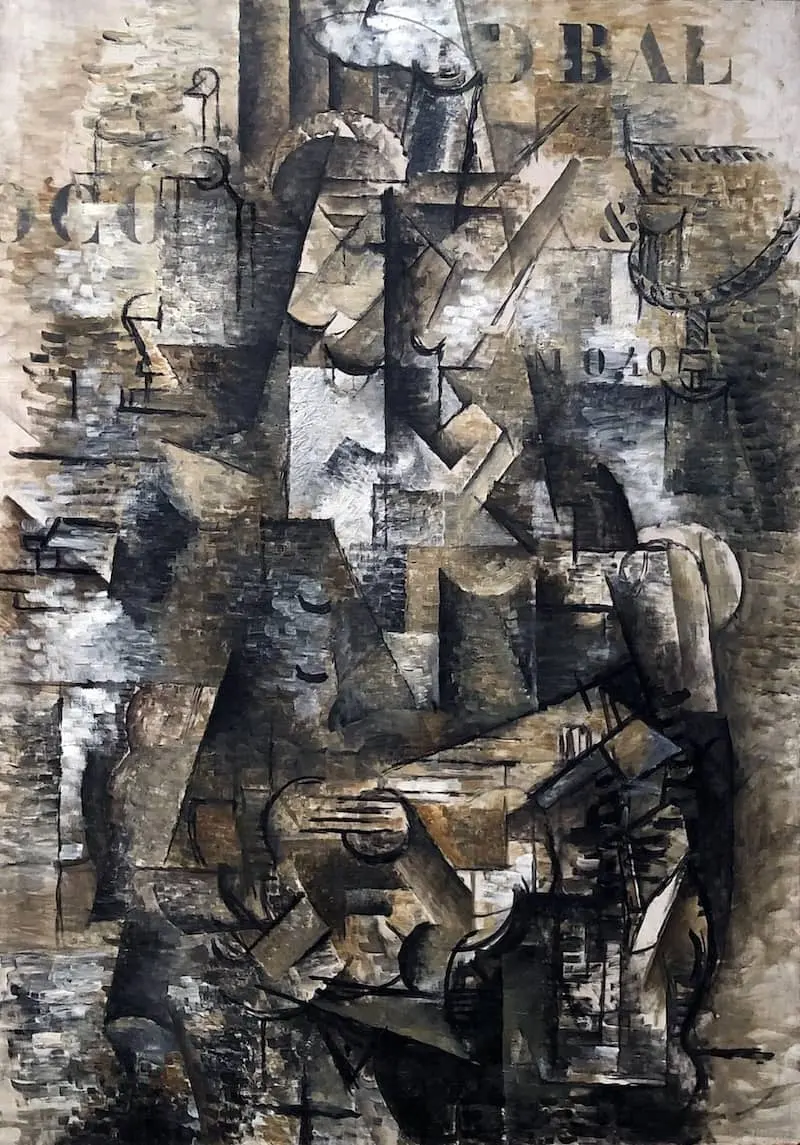
Collage emerged as a formal artistic movement in the early 20th century, though the practice of scrapbooking and decoupage dates back centuries. Pablo Picasso and Georges Braque are credited with pioneering the technique in 1912, moving away from pure representation to incorporate real-world textures. By gluing oilcloth and newspaper onto canvas, they introduced the concept of "papier collé" to the cubist aesthetic.
Following this, the Dadaists and Surrealists expanded the medium's potential during the 1920s and 1930s. Artists like Hannah Höch used photomontage to create biting political commentary, while Max Ernst utilized Victorian illustrations to construct dreamlike, unsettling narratives. These artists proved that collage was not merely a craft project but a powerful tool for social critique and psychological exploration. Today, the medium remains a staple of modern art, continuously evolving through digital and mixed-media applications that blur the lines between high art and everyday ephemera.
What materials are needed for collage?
To begin creating collages, you do not need expensive equipment. The beauty of the medium lies in its accessibility and the ability to repurpose discarded items. Most beginners find that a few essential tools allow for a wide range of creative experimentation.
- Acid-free glue sticks or archival-quality liquid adhesive.
- A sharp craft knife, such as an X-Acto blade, for precise cutting.
- A self-healing cutting mat to protect your work surface.
- Heavyweight cardstock or illustration board as a sturdy base.
- A collection of paper ephemera: magazines, old maps, vintage postcards, and tissue paper.
When selecting materials, consider the weight and texture of your items. Thick, glossy magazine pages require stronger adhesive than thin, porous newsprint. You may also experiment with non-paper elements like dried flowers, thread, or sandpaper to add tactile depth. Always ensure your adhesives are archival to prevent your work from yellowing or deteriorating over time.

How to make a collage for beginners
Creating your first collage involves a process of curation, arrangement, and permanent fixation. Start by gathering a theme or color palette to provide a sense of unity to your composition. Do not feel pressured to glue items down immediately; the most important part of the process is the layout stage.
- Select a base material that can support the weight of your chosen elements.
- Cut out your images and textures, leaving clean, sharp edges.
- Arrange your pieces on the base without adhesive, shifting them around to balance the visual weight.
- Once satisfied, take a photograph of your layout as a reference.
- Apply adhesive to the back of each piece, starting from the background layers and working your way forward.
- Use a brayer or a clean cloth to press down firmly, removing any air bubbles or excess glue.
Take your time during the arrangement phase. Moving pieces around allows you to discover unexpected relationships between shapes and colors that you might have missed if you had rushed to glue them down.
Common mistakes when making collage
Even experienced artists encounter challenges that can compromise the final quality of a piece. One frequent error is using excessive amounts of liquid glue, which causes paper to warp, wrinkle, or bubble. Applying a thin, even layer of adhesive is always superior to a thick glob. If you are working with delicate paper, consider using a spray adhesive in a well-ventilated area to ensure a smooth, flat finish.
Another common pitfall is failing to consider the composition's focal point. Beginners often clutter the entire surface, leaving no "breathing room" for the eye to rest. To avoid this, try to incorporate negative space—empty areas of the base material—to highlight specific images. Additionally, avoid using low-quality, acidic paper if you intend to preserve your work. Over time, acidic materials will turn brittle and yellow, eventually damaging the surrounding elements within your collage. Always check that your supplies are labeled as acid-free or archival.
Why is collage art important today?
Collage remains a vital artistic practice because it reflects the fragmented nature of contemporary life. In an era saturated with visual information, the act of selecting, isolating, and recontextualizing images allows artists to reclaim control over the media they consume. It is a democratic medium, requiring no formal training or expensive studio equipment, which makes it an ideal outlet for personal expression.
Furthermore, collage serves as a bridge between the physical and the conceptual. By physically manipulating objects, artists engage in a tactile process that digital art cannot replicate. Whether used for journaling, fine art, or graphic design, the medium encourages a playful mindset that values experimentation over perfection. As artists continue to combine traditional analog techniques with modern sensibilities, collage remains a dynamic, ever-changing form that challenges us to see the familiar in entirely new ways. It is a testament to the idea that meaning is not just found in what we create, but in how we assemble the world around us.
Key facts
- The term "collage" originates from the French word coller, meaning "to glue."
- Pablo Picasso and Georges Braque are credited with pioneering collage as a fine art form around 1912.
- Collage involves assembling disparate materials like paper, fabric, photographs, and found objects onto a single backing surface.
- A common mistake is using liquid glue that is too wet, which causes paper to wrinkle or warp.
- Acid-free adhesives and archival-quality papers are essential for ensuring the longevity of a collage.
- When layering, start with the background elements and build toward the foreground to create spatial depth.
The bottom line
Collage is a versatile artistic technique that transforms everyday materials into cohesive, expressive compositions. By layering diverse textures and imagery, artists can explore complex themes or purely aesthetic arrangements. Whether you are a beginner or an experienced creator, the process relies on careful selection, thoughtful arrangement, and the use of proper archival adhesives to ensure your final work remains intact and visually compelling for years to come.
People also ask
What is the difference between collage and decoupage?
Collage is an artistic technique focused on composing an image from various materials, while decoupage is a craft involving the decoration of an object by gluing colored paper cutouts onto it. Decoupage usually requires a protective varnish finish, which is not always necessary for fine art collages.
Can I use digital images in a traditional collage?
Yes, many artists incorporate printed digital images alongside physical media to create mixed-media works. Ensure you use high-quality pigment inks to prevent the colors from bleeding or fading when applying adhesives.
What is a photomontage?
Photomontage is a specific type of collage created primarily from photographs or photographic reproductions. It gained significant popularity in the early 20th century through the Dada movement as a tool for political satire and social commentary.
What materials are best for beginners?
Beginners should start with magazines, newspapers, scissors, and a glue stick on heavy cardstock or illustration board. These materials are inexpensive, easy to manipulate, and allow for quick experimentation with composition and color.
How do I prevent my collage from looking cluttered?
Focus on a central theme or color palette to provide visual unity to the piece. Leave some negative space, or empty areas, to give the viewer's eye a place to rest among the various elements.
Is it legal to use images from magazines in my art?
Using found images for personal art or non-commercial exhibition is generally considered acceptable under fair use principles. However, if you intend to sell your work or use copyrighted material commercially, you must obtain permission from the original copyright holder.
This answer was created with the help of AI research tools and reference sources. Spotted an error? Let us know — we correct mistakes quickly. See our editorial policy.