What are good Valentine's Day crafts?
Short answer
Valentine's Day crafts range from simple paper projects to intricate handmade gifts. Ideal options include personalized cards, fabric heart garlands, and custom photo frames. These activities emphasize creativity and sentimental value over high costs. By using basic supplies like cardstock, glue, and fabric, you can produce professional-looking gifts for friends and family.
On this page
How to make DIY Valentine's Day cards
Handmade cards offer a personal touch that store-bought versions often lack. To begin, select high-quality cardstock or heavy construction paper as your base. You can use watercolor paints, ink stamps, or pressed flowers to decorate the cover. Adding a handwritten note inside ensures the sentiment remains authentic and memorable for the recipient.
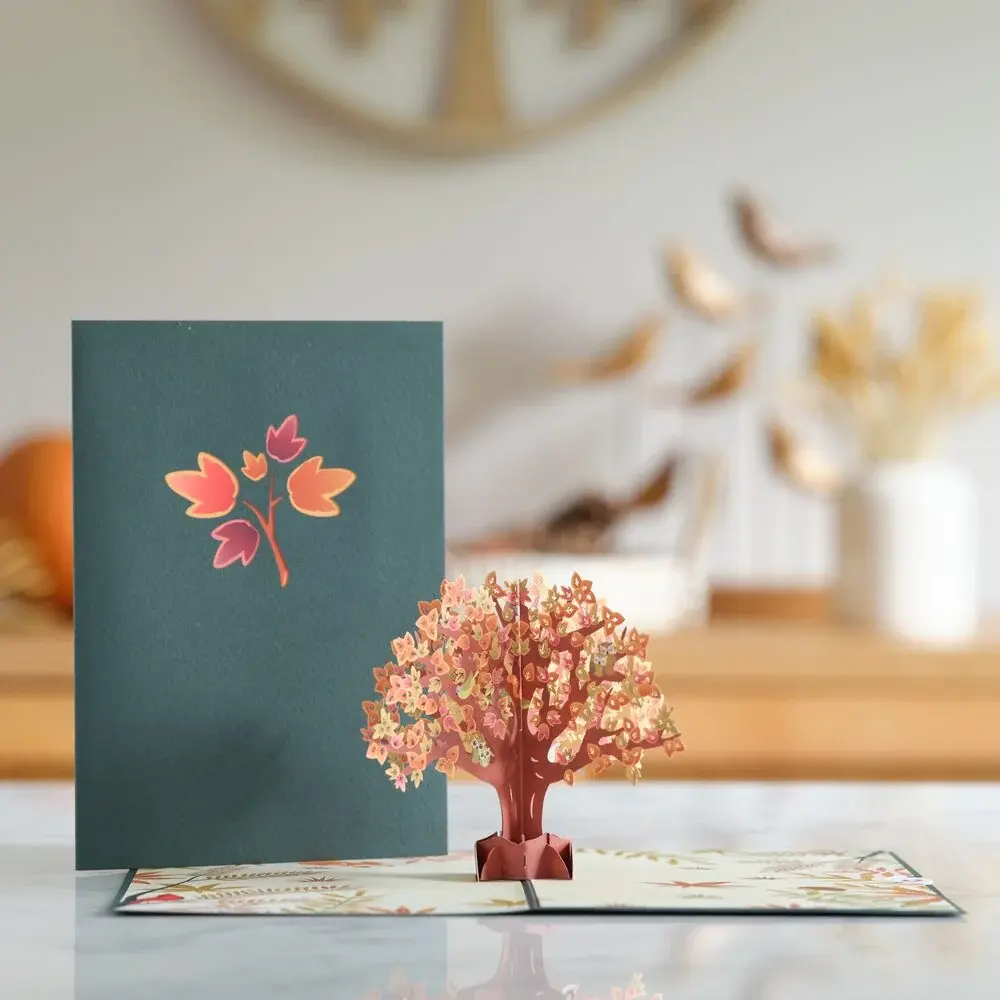
For a pop-up card design, follow these steps:
- Fold a piece of cardstock in half to create the card base.
- Cut two parallel slits in the center fold, approximately one inch long.
- Push the tab created by the slits inward so it forms a ledge when the card opens.
- Glue a paper heart or a small cutout onto the tab.
- Decorate the surrounding area with markers or glitter.
A common mistake is using too much liquid glue, which causes the paper to warp or wrinkle. Instead, use double-sided tape or glue sticks to keep the surface smooth and professional.
Best Valentine's Day crafts for beginners
If you are new to crafting, focus on projects that require minimal tools and short time commitments. Paper heart garlands are an excellent starting point because they require only scissors, string, and colorful paper. You can hang these decorations across mantels or windows to create an immediate festive atmosphere in your home.
Another beginner-friendly project is the "Reasons I Love You" jar. Simply write 30 to 50 short messages on small slips of colored paper and place them inside a clean glass jar. Decorate the exterior with ribbon or heart-shaped stickers. This project is highly customizable and serves as a thoughtful, enduring gift for a partner or family member.
- Use scrapbooking paper for varied textures.
- Opt for twine instead of plastic ribbon for a rustic aesthetic.
- Ensure the jar is completely dry before adding paper slips.
How long does it take to create handmade gifts
Most simple Valentine's Day crafts take between 30 and 90 minutes to complete. A basic card usually requires 20 minutes, while complex projects like fabric-covered photo frames may take two hours. Planning your time effectively helps prevent rushing, which often leads to messy edges or incomplete details.
When working on more involved crafts, break the process into smaller segments. For instance, paint or glue your base materials on the first day and allow them to dry overnight. You can then finish the assembly and decorative details the following day. This approach ensures that adhesives have time to set properly, resulting in a more durable and polished final product.
Why paper crafting is popular for Valentine's Day
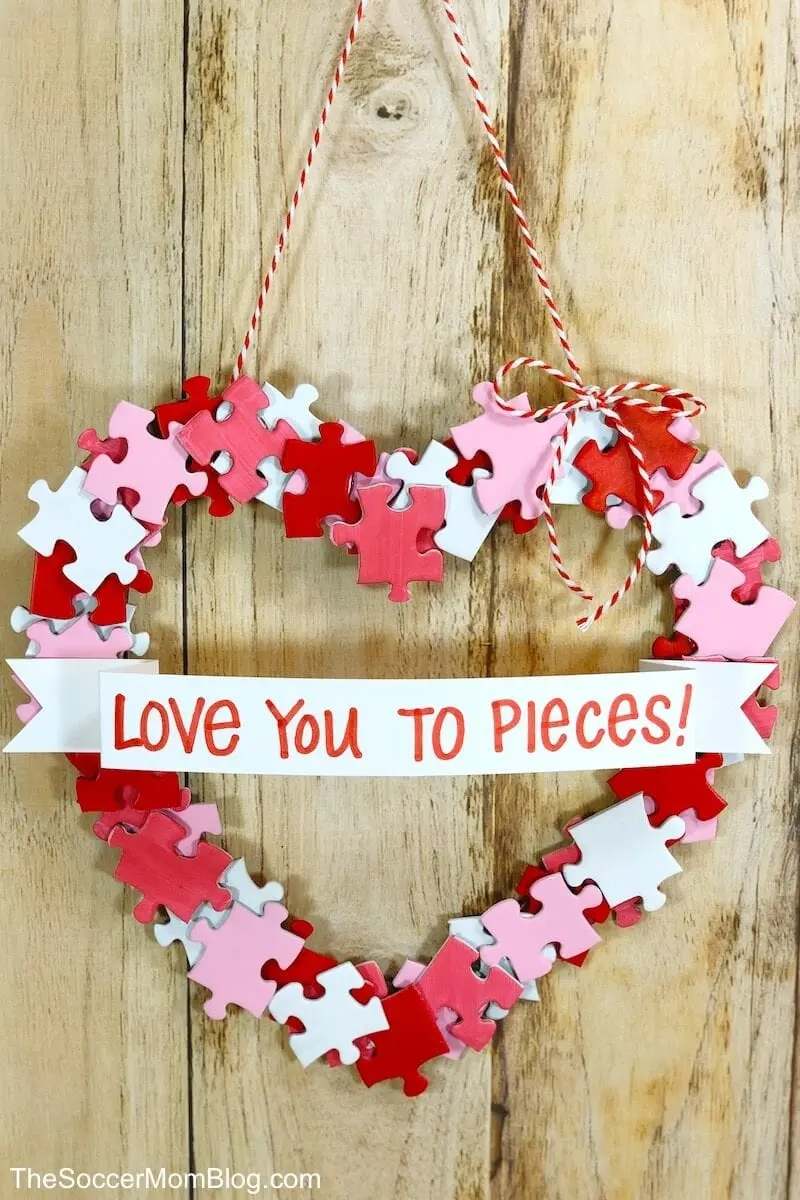
Paper is the most accessible medium for Valentine’s Day crafts, offering versatility and affordability. It allows crafters to experiment with complex folding techniques like origami or simple layering for a 3D effect. Because paper comes in endless colors and patterns, it is easy to tailor projects to specific themes or personal preferences.
Beyond cost, paper crafts are environmentally friendly when using recycled materials. Many crafters repurpose old magazines, wrapping paper, or shipping boxes to create unique heart-shaped ornaments. This sustainable approach adds depth to the gift, showing that you invested time and thought into the materials used. It transforms simple, discarded items into meaningful tokens of affection that carry a unique story.
Common mistakes when making Valentine's Day crafts
One frequent error is failing to test materials before starting the final project. For example, some markers bleed through thin paper, while certain glues do not bond well with glossy surfaces. Always perform a quick test on a scrap piece of paper to ensure your supplies perform as expected before committing to the main design.
Another mistake is overcomplicating the design, which can make the craft frustrating rather than enjoyable. Focus on clean lines and simple color palettes to achieve a sophisticated look. If you are working with children, prioritize safety by using blunt-tip scissors and non-toxic adhesives. By keeping the process simple and organized, you ensure the experience remains fun and the results remain high-quality.
- Avoid using heavy embellishments on thin paper, as they can cause the card to sag.
- Always allow paint to dry completely before applying stickers or tape.
- Keep your workspace clear of clutter to prevent accidental spills or damage to your finished pieces.
Key facts
- Valentine’s Day originated from the Roman festival of Lupercalia and became associated with romantic love in the 14th century.
- Handcrafted cards remain the most popular craft, with an estimated 145 million Valentine’s Day cards exchanged annually in the United States.
- Using high-quality cardstock (at least 80 lbs) prevents markers and glue from bleeding through the paper.
- Incorporating natural elements like pressed flowers or dried lavender adds a professional, tactile quality to handmade gifts.
- Avoid using low-temperature hot glue guns for heavy decorations, as they often fail to provide a permanent bond on smooth surfaces.
- Proper color theory suggests pairing traditional reds and pinks with neutral tones like cream or kraft paper to create a sophisticated aesthetic.
The bottom line
Valentine’s Day crafts offer a personal way to express affection through thoughtful, handmade creations. By selecting high-quality materials, utilizing proper scoring techniques for paper, and allowing sufficient drying time, you can produce professional-looking results. Whether you are crafting intricate cards or decorative garlands, focusing on durability and clean design will ensure your gift is both beautiful and long-lasting, making the holiday celebration truly memorable for recipients.
People also ask
What are the best materials for making a pop-up Valentine’s card?
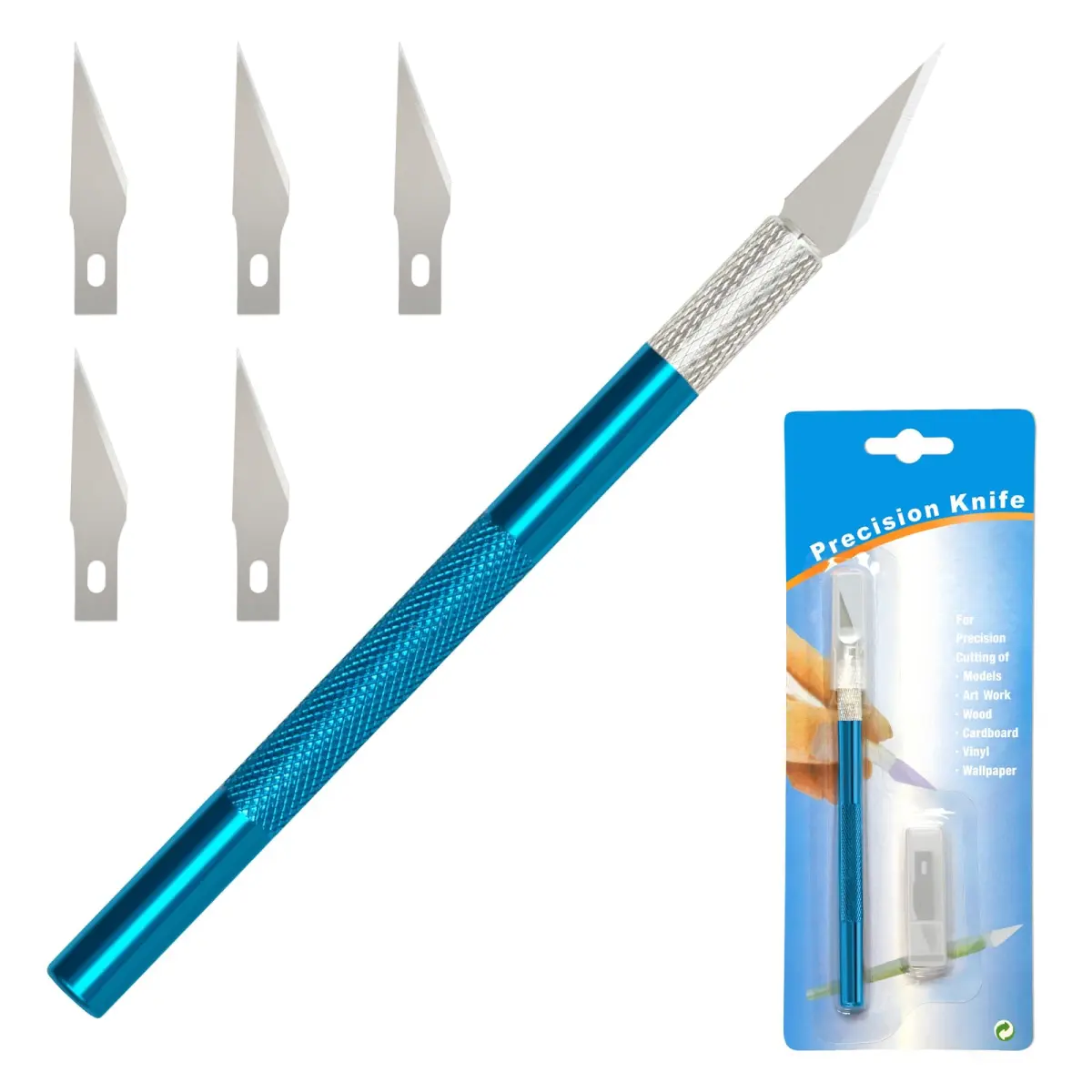
Use heavy cardstock for the base and lighter-weight paper for the internal pop-up mechanism to ensure smooth folding. Precision is key, so use a craft knife and a metal ruler to score fold lines before assembling the card.
How can I preserve pressed flowers for a craft project?
Place flowers between two sheets of absorbent parchment paper inside a heavy book for at least two weeks. Once dried, apply a thin layer of decoupage glue or clear acrylic spray to protect the petals from crumbling.
Is it better to use liquid glue or glue sticks for paper crafts?
Glue sticks are ideal for large surface areas to prevent the paper from wrinkling or bubbling. Liquid glue is better for small, intricate details but should be applied sparingly to avoid soaking through the material.
How do I make a DIY Valentine’s Day garland?
Cut heart shapes from felt or patterned paper and attach them to a length of twine using small wooden clothespins. This method allows you to adjust the spacing of the hearts easily without damaging the decorations.
What is the most common mistake when making handmade gifts?
The most frequent error is rushing the drying process, which leads to smudged ink or loose embellishments. Always allow at least 24 hours for adhesives and paints to cure completely before packaging or gifting the item.
Can I use recycled materials for Valentine’s crafts?
Yes, repurposing old book pages, cardboard boxes, or fabric scraps adds a unique, eco-friendly touch to your projects. Ensure all recycled materials are clean and dry before incorporating them into your design.
This answer was created with the help of AI research tools and reference sources. Spotted an error? Let us know — we correct mistakes quickly. See our editorial policy.