How do you draw a pig for beginners?
Short answer
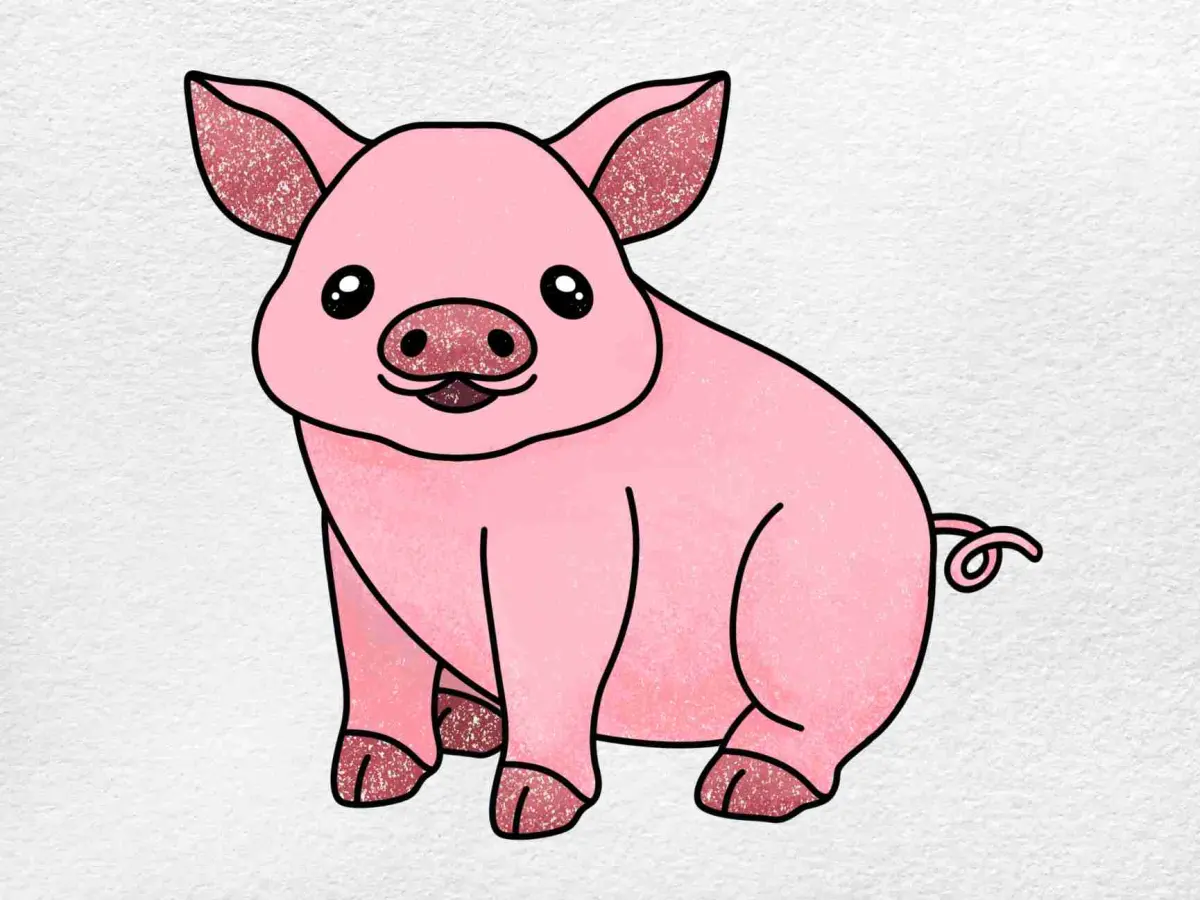
Drawing a pig is best approached by breaking the animal down into simple geometric shapes. By starting with a large oval for the body and a smaller circle for the head, you can easily map out the proportions. Adding details like the snout, ears, and curly tail completes the recognizable pig figure.
On this page
How to draw a pig step by step
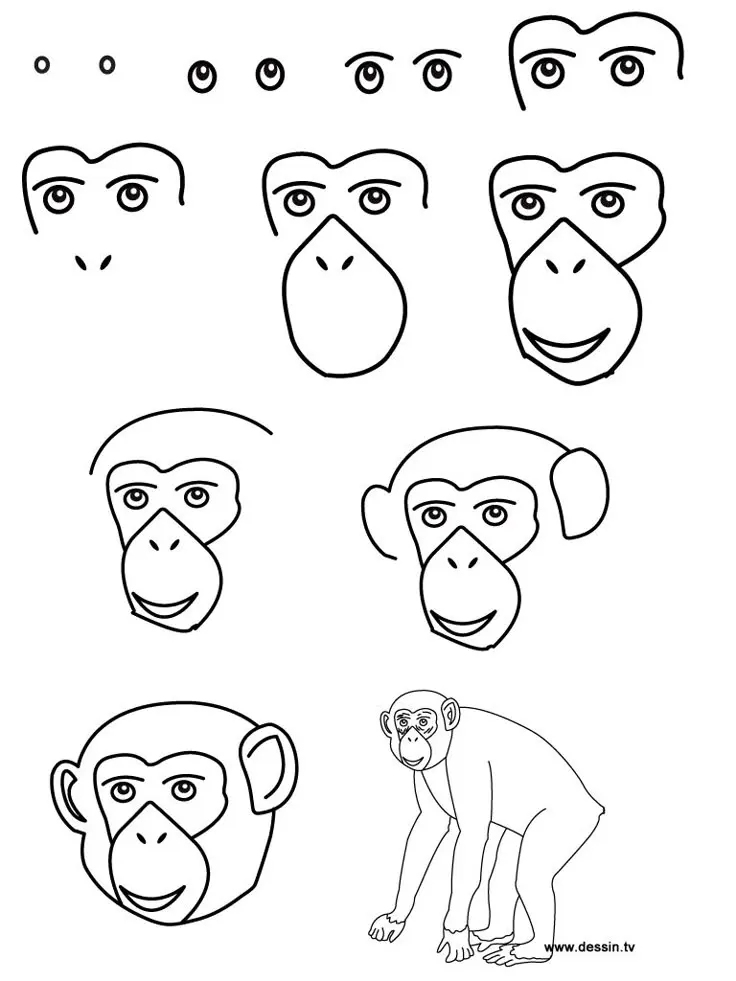
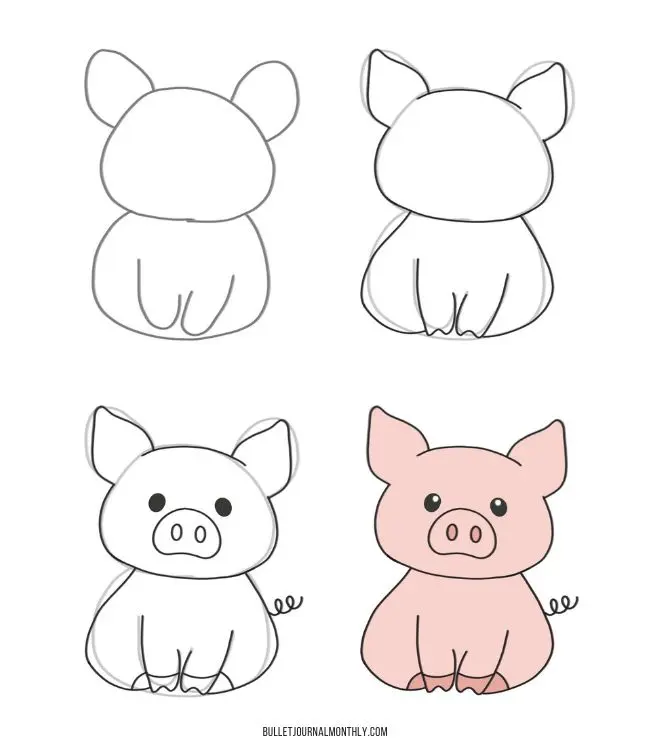
To begin your drawing, focus on the basic structure rather than intricate details. Start by sketching a large horizontal oval in the center of your paper to serve as the main body. Directly to the left or right, draw a slightly smaller circle that overlaps the oval slightly; this will be the head. Ensure the head is positioned proportionally to the body, keeping it about one-third the size of the torso.
Once your primary shapes are set, follow these steps to refine the form:
- Draw a smaller, rounded rectangle on the front of the head to define the snout.
- Add two small triangles on top of the head for the ears, pointing slightly outward.
- Sketch four short, thick rectangles beneath the body to act as legs, adding small ovals at the bottom for hooves.
- Draw a thin, squiggly line at the rear of the body to represent the signature curly tail.
- Connect your shapes with smooth, continuous lines to create the final silhouette.
Best tools for drawing pigs for beginners
When starting out, the quality of your tools can significantly influence your confidence and the final outcome. Graphite pencils are the industry standard for beginners because they allow for easy adjustments and shading. A standard HB pencil is perfect for the initial outlining phase, while a 2B pencil provides a softer lead that is ideal for adding darker values and texture to the pig's skin.
Beyond pencils, consider using a kneaded eraser, which is highly effective for lifting graphite off the page without damaging the paper surface. You should also choose a smooth, medium-weight drawing paper that won't tear during repeated erasing. Keeping a mechanical pencil sharpener nearby ensures your lines remain crisp, which helps maintain the clean geometric structure of your pig. Using these reliable tools allows you to focus entirely on the proportions and anatomy rather than struggling with equipment that smudges or breaks easily.
Why pig proportions are difficult to master
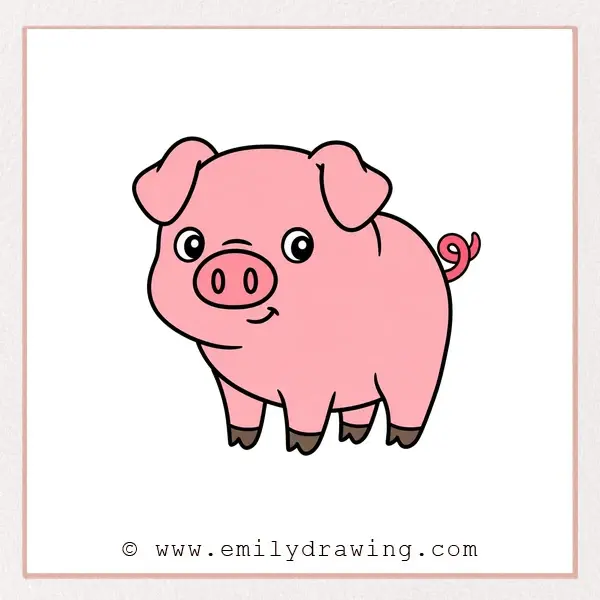
The primary challenge in drawing a pig lies in its compact, stocky anatomy. Unlike horses or dogs, which have elongated limbs and necks, pigs are characterized by their rounded, barrel-like bodies and short, sturdy legs. Beginners often make the mistake of drawing the legs too long or the neck too defined, which results in a creature that looks more like a canine than a swine.
To maintain accurate proportions, always compare the size of the head to the torso. A pig’s head should appear relatively large compared to its short legs, and the snout should be prominent. If you find your drawing looks "off," check the distance between the bottom of the body and the ground. Keeping this space minimal is essential for capturing the authentic, low-to-the-ground appearance of a pig. Regularly stepping back to view your drawing from a distance can help you spot these anatomical imbalances before you commit to permanent ink or shading.
Common mistakes when drawing pigs
One of the most frequent errors is over-detailing the face before the body is fully established. Beginners often spend too much time on the eyes or the nostrils while the torso remains poorly shaped. This often leads to a drawing that feels unbalanced or distorted. Focus on the "gesture" or the overall flow of the body first, ensuring the weight of the pig feels grounded, before moving toward the facial features.
Another common mistake involves the legs. It is easy to draw them as simple sticks, but pigs have thick, muscular limbs that support their heavy frames. Avoid drawing thin, spindly legs, as these will not support the visual weight of the torso. Instead, use slightly flared shapes at the base of the legs to represent the hooves and the weight distribution. Finally, do not forget the ears; they should be positioned toward the top of the head and should have a slight forward tilt to give the pig a lively, alert expression.
How to add texture and shading to your pig
Once your line drawing is complete, you can bring the image to life through shading. Use the side of your pencil lead to create soft, broad strokes across the belly and the underside of the legs. This technique, known as hatching or cross-hatching, helps establish a light source, which should ideally come from one side of the page. By darkening the areas furthest from the light, you create a three-dimensional effect that makes the pig appear rounded rather than flat.
To add texture, consider these final touches:
- Use light, circular motions with your pencil to suggest the coarse skin of the pig.
- Leave small, white highlights on the top of the back and the snout to indicate where the light hits the skin most directly.
- Use a darker pencil grade to add shadow under the pig's feet, which anchors the animal to the ground.
- Keep your shading strokes consistent in direction to ensure the surface of the pig looks uniform.
By layering your graphite carefully, you transform a simple outline into a professional-looking illustration that captures the unique personality of the animal.
Key facts
- Start by drawing a large oval for the body and a smaller circle for the head to establish the pig's proportions.
- Connect the head to the body with two curved lines to form a thick, sturdy neck.
- Use a small, flattened oval on the front of the head to create the snout, adding two dots for nostrils.
- Draw four short, rectangular legs at the bottom of the body, adding small triangles at the base for hooves.
- Place two triangles on top of the head to represent ears, positioning them slightly forward.
- Add a small, tight spiral or a squiggly line at the rear of the body to create the signature curly tail.
The bottom line
Drawing a pig is an accessible exercise that relies on mastering basic geometric shapes like ovals and circles. By focusing on the animal's signature features—specifically the snout, rounded body, and curly tail—you can create a recognizable figure quickly. Practice maintaining soft, curved lines to capture the pig's plump appearance. With consistent effort, you will develop the spatial awareness needed to illustrate various animals with confidence.
People also ask
Why do pigs have curly tails?
A pig's tail curls because of the specific muscle structure and tension in the tail vertebrae. In healthy, content pigs, the tail remains tightly coiled, while a limp or straight tail can sometimes indicate stress or illness.
How do I make the pig look more realistic?
Focus on adding texture to the skin and shading beneath the belly and legs to create depth. Use soft, rounded lines rather than sharp angles to mimic the pig's naturally plump and sturdy physique.
Should I draw the pig standing or sitting?
Beginners should start with a standing profile view as it clearly shows all four legs and the body shape. A sitting pig requires more complex foreshortening, which can be difficult to balance correctly on the page.
What is the best tool for drawing animals?
A graphite pencil is ideal for beginners because it allows for easy erasing and layering of light and dark tones. You can use a soft-lead pencil for shading and a harder lead for initial construction lines.
How do I draw the eyes of a pig?
Place small, dark circles on the sides of the head, slightly above the level of the snout. Keeping the eyes simple and dark helps maintain the friendly, cartoonish appearance typical of pig illustrations.
Can I draw a pig using only basic shapes?
Yes, almost any animal can be broken down into circles, ovals, and rectangles. By mastering these simple geometric forms, you can construct the pig's body accurately before adding the final details like ears and hooves.
This answer was created with the help of AI research tools and reference sources. Spotted an error? Let us know — we correct mistakes quickly. See our editorial policy.