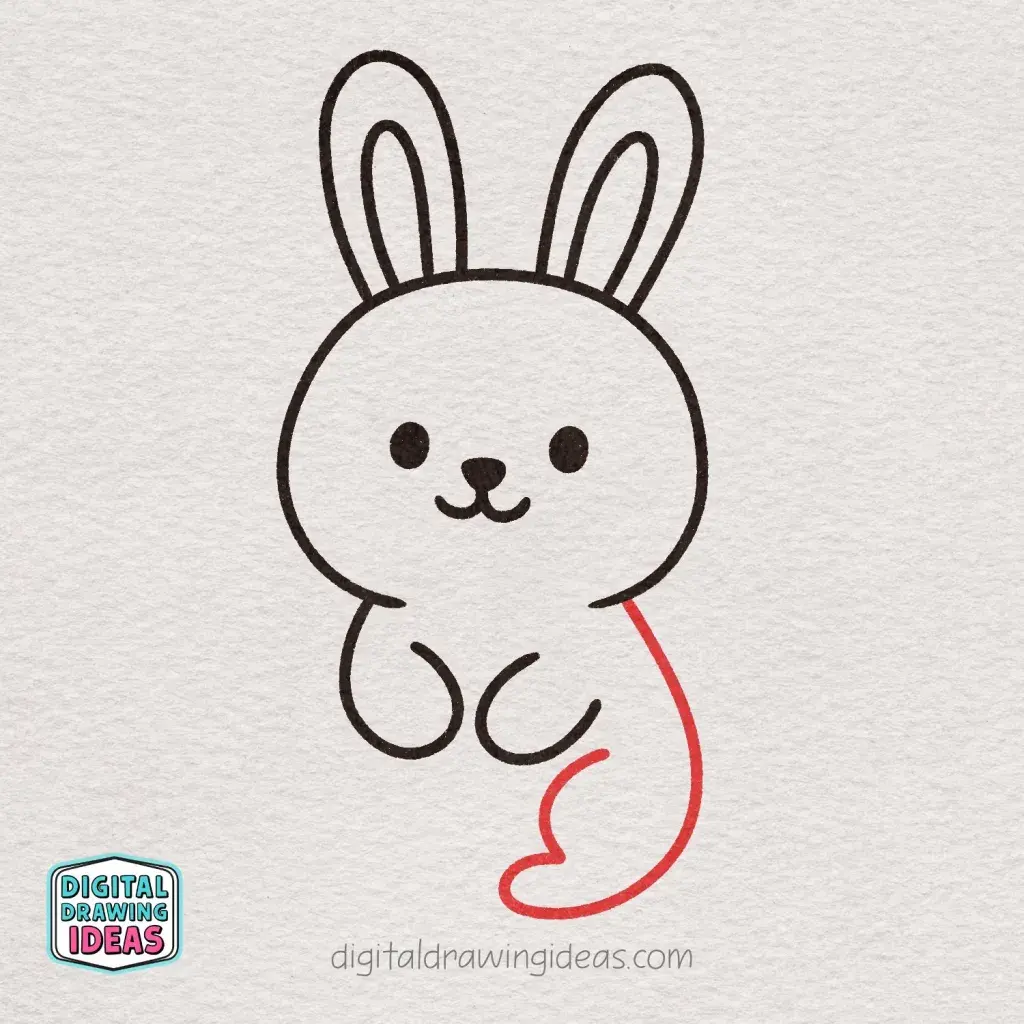
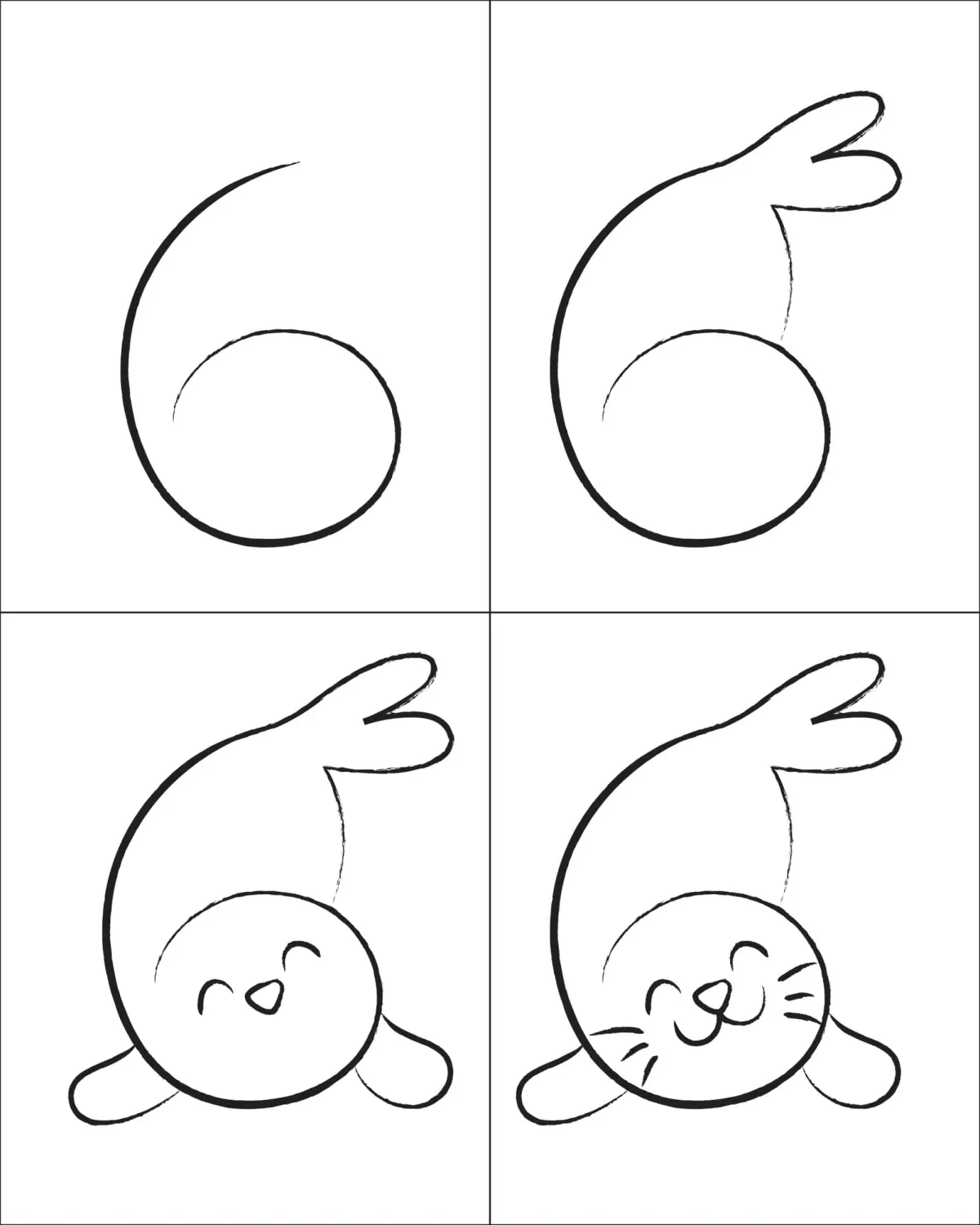
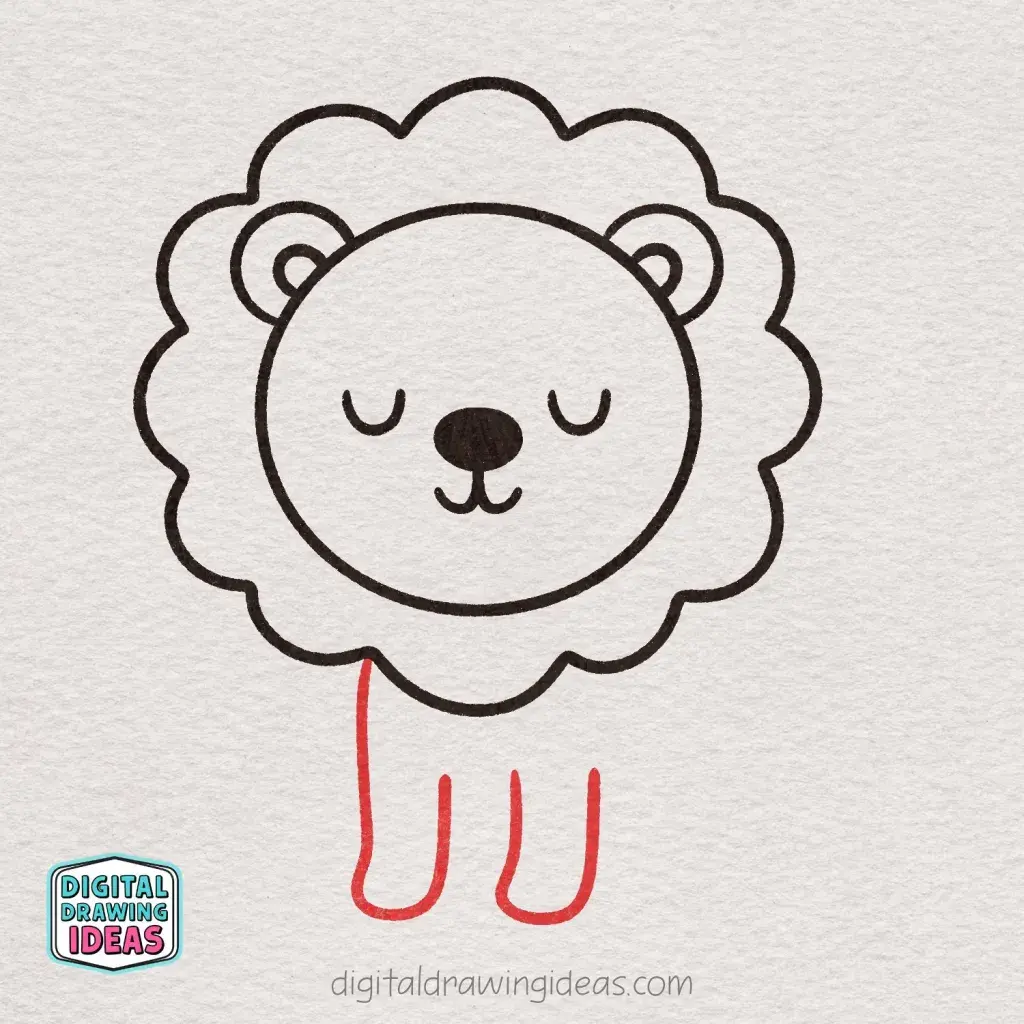
How do you draw a cute pig?
Short answer
Drawing a cute pig involves simplifying the animal’s anatomy into rounded, soft shapes. Focus on a large oval body, a prominent snout, and expressive eyes. By emphasizing circular proportions and minimizing sharp angles, you create a friendly, approachable character. Consistent practice with these basic geometric foundations will allow you to master the style.
On this page
How to draw a basic pig shape
To draw a cute pig, begin by visualizing the animal as a collection of soft, rounded shapes rather than rigid lines. Start by sketching a large, horizontal oval to serve as the main body. Above or slightly to the side of this, draw a smaller, slightly flattened circle for the head. Ensure these shapes overlap slightly to create a cohesive silhouette. Use a light pencil touch during this phase so you can easily erase guidelines later.
Once the primary forms are established, connect them with smooth, curved lines to suggest a neck or a seamless transition. Keep the overall proportions chubby; a cute pig is characterized by its roundness, so avoid making the limbs or torso too thin. The goal is to create a silhouette that looks plump and friendly. By focusing on these fundamental geometric volumes, you establish a strong foundation that makes adding details much easier and more effective.
How to add the snout and facial features
The snout is the most recognizable feature of a pig and serves as the focal point for your drawing. Draw an oval shape on the front of the head, slightly overlapping the edge. Inside this oval, place two small, vertical slits or dots to represent the nostrils. Positioning the snout lower on the face often enhances the "cute" factor, as it leaves more room for large, expressive eyes placed higher up.
For the eyes, draw two large circles spaced evenly apart. Adding a small white highlight within each pupil creates a reflective, lively appearance that makes the character look more alert. Use these steps to complete the face:
- Sketch a small, curved line beneath the snout to suggest a gentle, smiling mouth.
- Add two triangular shapes on top of the head for the ears, rounding the tips to keep them soft.
- Keep the ears relatively small compared to the head to maintain a balanced, youthful look.
Best tools for beginners to use
Starting with the right equipment can significantly improve your results and make the process more enjoyable. For beginners, a standard HB graphite pencil is ideal because it provides a good balance between hardness and darkness. This allows you to sketch initial shapes lightly and then darken the final outlines without smudging the paper excessively. Pair your pencil with a soft, white vinyl eraser, which is gentle on paper fibers and removes graphite cleanly.
When you are ready to refine your drawing, consider using a fine-liner pen or a technical pen with a 0.5mm tip. These tools provide a consistent line weight that looks professional and clean. If you prefer working with digital mediums, a tablet with pressure sensitivity is an excellent choice. Regardless of the tool, focus on maintaining a steady hand and practicing your line quality. Remember that high-quality paper, such as a smooth-surfaced sketchbook, will help your pencil or pen glide more effectively.
Common mistakes when drawing pigs
One of the most frequent errors is making the pig look too realistic or anatomical. Remember that "cute" design relies on exaggeration and simplification, so avoid drawing overly detailed hooves or complex skin textures. Another common issue is inconsistent line weight. If your outlines are too thin or shaky, the drawing may lack confidence. Use firm, deliberate strokes once you have finalized your sketch to give the character a polished, finished appearance.
Additionally, beginners often struggle with the placement of the limbs. When drawing the legs, ensure they are short and stout to match the round body. Avoid making them too long, as this can make the pig look like a different animal entirely. Follow these tips to avoid common pitfalls:
- Avoid sharp, jagged lines; always prioritize curves and soft edges.
- Do not make the body too long; a compact, circular body is key to the cute aesthetic.
- Ensure the snout is centered properly to avoid a distorted facial structure.
How to add personality to your pig
Once you have mastered the basic form, you can add personality through minor adjustments and accessories. A slight tilt of the head or a change in the expression of the eyes can completely alter the mood of your drawing. For example, drawing the eyebrows in a slight arch can make the pig look surprised, while closing the eyes into upward-curving lines creates a look of contentment. These small details are what transform a simple drawing into a character.
You can also add simple props to tell a story or enhance the theme. A small bowtie, a flower behind the ear, or even a tiny puddle of mud can provide context and charm. Experiment with different ear positions, such as one ear flopped down and one standing up, to add a sense of movement. By practicing these variations, you will develop your own unique style and gain the confidence to create a wide variety of cute pig illustrations.
Key facts
- Start with a large oval for the body and a smaller circle for the head to establish clear proportions.
- Position the snout as a rounded rectangle in the center of the face to give the pig its iconic look.
- Use simple triangles for ears, placing them at the top of the head to emphasize a youthful, cute appearance.
- Keep limbs short and stout, ending in simple rounded shapes to suggest the animal’s heavy, compact build.
- Add a small, tight spiral for the tail to create a sense of movement and playfulness.
- Place the eyes close together and slightly above the snout to enhance the "baby-like" features that humans perceive as cute.
The bottom line
Drawing a cute pig relies on simplifying complex anatomy into basic, rounded geometric shapes. By focusing on a stout body, large eyes, and a prominent snout, you create an appealing character that feels friendly and soft. Avoid overly complex details, as clean lines are essential for a cartoon aesthetic. Practice these proportions consistently, and you will soon be able to sketch charming pigs with ease and confidence.
People also ask
What is the most common mistake when drawing a pig?
Many beginners make the legs too long or thin, which makes the pig look like a dog or a deer. Keep the legs thick and short to maintain the characteristic silhouette of a pig.
Should I use ink or pencil for a cute pig drawing?
Pencils are better for beginners because they allow you to sketch light guidelines that can be erased later. Once you are satisfied with the shape, using a fine-liner pen helps make the features pop.
How do I make the pig look friendly?
Draw the eyes as large, simple dots or circles and add a slight upward curve for the mouth. Avoiding harsh angles and using rounded, soft lines will naturally make the character appear more approachable.
Do I need to add fur to the drawing?
Domestic pigs have very sparse, coarse hair that is usually not visible in a stylized cartoon drawing. Focus on smooth, clean outlines rather than trying to texture the skin.
How can I add color to my pig?
Use soft shades of pink or light peach for the body. You can add a slightly darker shade of pink to the snout and inner ears to create depth and visual interest.
How do I draw the snout correctly?
Draw a rounded rectangle and place two small, vertical ovals inside it for nostrils. Keeping these shapes symmetrical makes the snout look clean and professional.
This answer was created with the help of AI research tools and reference sources. Spotted an error? Let us know — we correct mistakes quickly. See our editorial policy.