How do you draw a cute bunny?
Short answer
Drawing a cute bunny involves creating a rounded, simplified silhouette characterized by large eyes, long ears, and a small, triangular nose. By focusing on soft, fluid shapes and exaggerated features, you can achieve a charming aesthetic. Following a structured approach—starting with basic geometric forms—ensures balanced proportions and a professional, polished finish.
On this page
How to draw a basic bunny shape
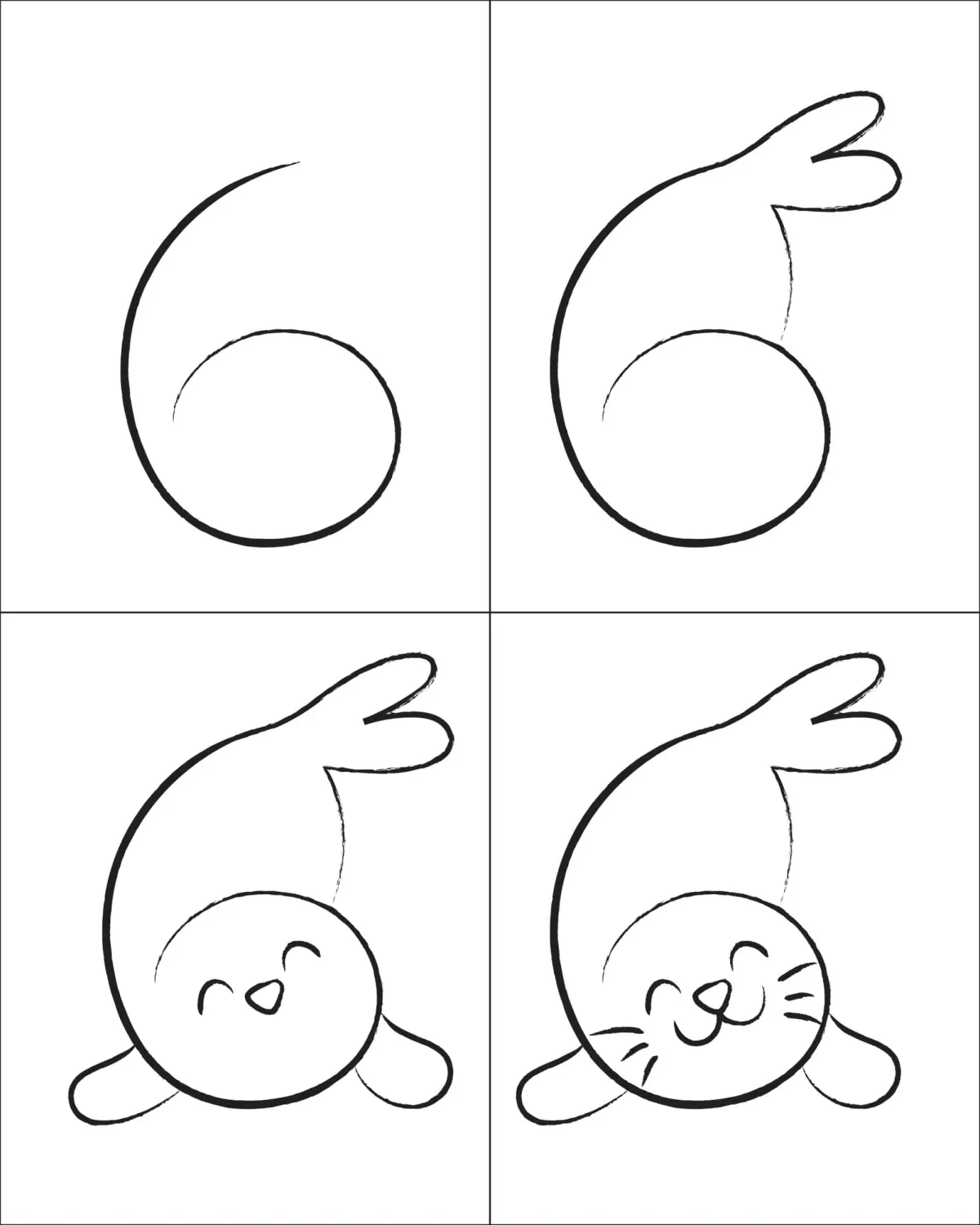
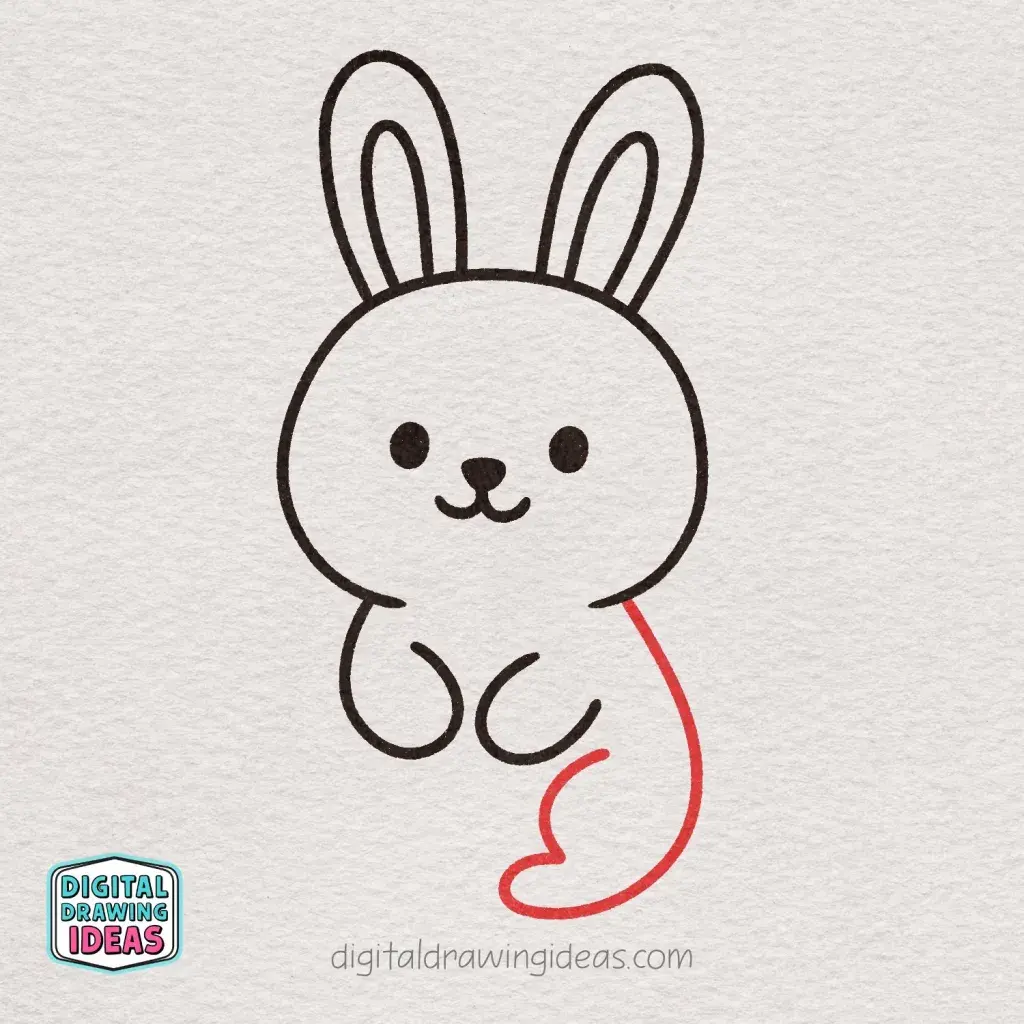
To draw a cute bunny, begin by sketching two overlapping circles. The top circle, which serves as the head, should be slightly smaller than the bottom circle, which forms the body. Use a light pencil stroke so you can easily erase or adjust these guidelines later. Ensure the circles are centered vertically to maintain a balanced, upright posture.
Once your base shapes are set, refine the silhouette by connecting the circles with smooth lines. Add two long, oval-shaped ears extending from the top of the head. For a cuter appearance, make the ears slightly larger than they would appear in nature. Keep the lines soft and curved rather than sharp or angular to emphasize the animal's gentle, approachable character.
- Draw a small circle for the head.
- Draw a larger, slightly oval shape for the body.
- Connect the two with a smooth neck line.
- Add two long, rounded ear shapes on top.
Best drawing tools for beginners
For those new to drawing, starting with a graphite pencil is essential. A standard HB pencil allows for light sketching and easy corrections, while a 2B pencil is ideal for adding darker, final outlines. Always keep a soft white eraser nearby to clean up construction lines without damaging the paper surface. Using high-quality, smooth-finish drawing paper will also prevent your pencil from catching on the grain.
If you prefer working with ink, use a fine-liner pen with a consistent tip size, such as 0.3mm or 0.5mm. These pens allow for precise details around the eyes and nose. When coloring, soft pastels or colored pencils work best to create a fuzzy, textured look. Avoid using heavy markers, as they can bleed through the paper and obscure the delicate details that make the bunny look cute.
- HB pencil for initial sketching.
- Soft white eraser for clean corrections.
- 0.5mm fine-liner for permanent outlines.
- Colored pencils for shading and texture.
How to draw bunny facial features
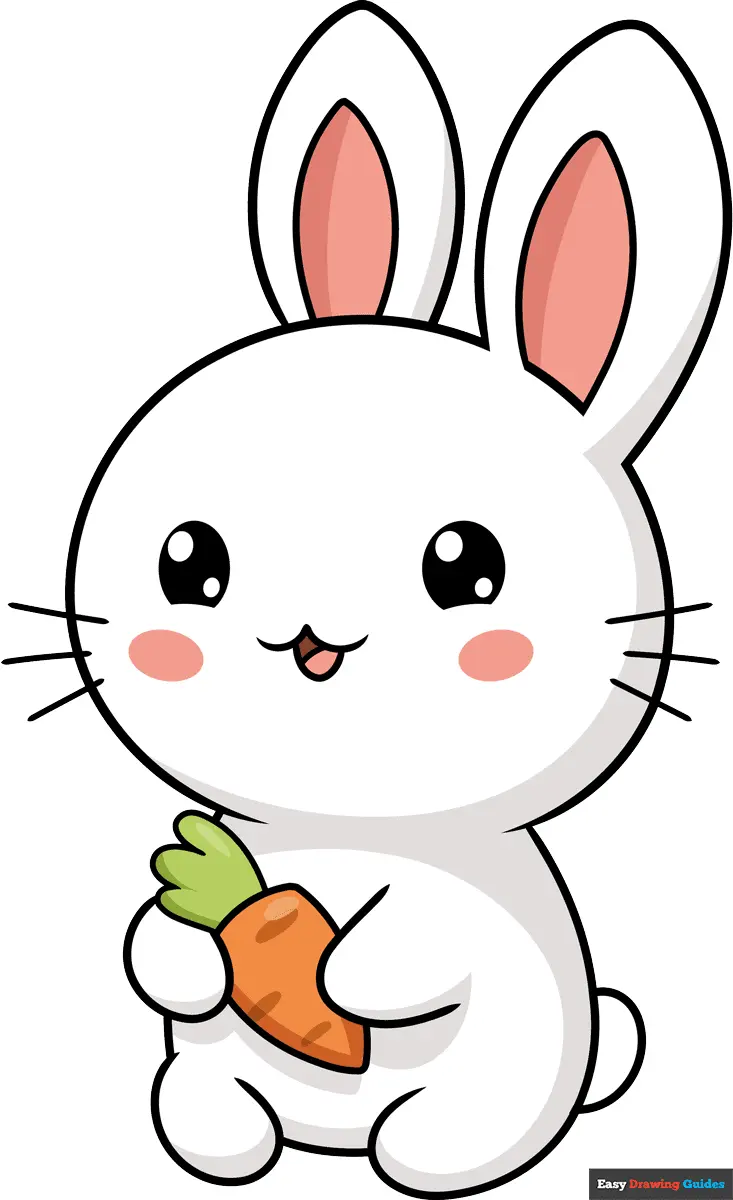
The secret to a cute bunny lies in the facial proportions. Position the eyes slightly below the center of the head, making them large and round to evoke a sense of innocence. Place a small, inverted triangle between the eyes for the nose, and draw a tiny "w" shape underneath for the mouth. Adding a subtle highlight within each eye can make the bunny appear lively and alert.
Pay attention to the whiskers, as they add a sense of realism and charm. Use quick, light flicks of your pencil to draw three or four thin lines extending from the sides of the nose. Keep these lines sparse and delicate; over-drawing the whiskers can make the face look cluttered. Remember that in cartooning, larger features generally translate to a "cuter" aesthetic, so feel free to slightly exaggerate the size of the eyes.
Common mistakes when drawing bunnies
One of the most frequent errors is drawing the ears too short or too wide. If the ears are not proportionate to the head, the bunny may look more like a cat or a bear. Always ensure the ears are at least as long as the head itself. Another common mistake is placing the eyes too high, which can make the forehead look disproportionately large and distract from the bunny's face.
Avoid using harsh, straight lines when outlining the fur. Bunnies are naturally soft and round, so your lines should reflect that by being curved and fluid. If you draw the body as a perfect, rigid circle, the bunny will look stiff. Instead, try to vary the width of the body to suggest a seated or crouching position. Taking a moment to step back and look at your drawing from a distance often helps identify these proportion issues.
How to add texture and shading
To make your bunny look soft, use short, light, overlapping strokes around the edges of your drawing. This mimics the appearance of fur without requiring you to draw every individual hair. Focus the shading on the areas where the head meets the body and under the ears. These shadows provide depth and prevent the drawing from looking flat or one-dimensional on the page.
When applying color, use a light hand to build up layers. Start with a base tone, such as soft cream or light gray, and add darker shades only in the crevices or shadowed areas. If you want to add a highlight, leave a small area of the paper blank or use a white gel pen to create a bright spot on the nose or eyes. These final touches bring the drawing to life and complete the overall cute aesthetic.
Key facts
- Use simple geometric shapes like circles and ovals as the foundation for the head and body.
- Draw long, vertical ovals for ears, as these are the defining feature of a rabbit.
- Place the eyes slightly below the horizontal center of the head to maintain a "cute" or youthful proportion.
- Keep the nose small and triangular, positioned near the bottom of the facial circle.
- Use soft, curved lines for the body rather than sharp angles to emphasize the animal's fluffiness.
- Add whiskers using light, quick strokes to provide a sense of movement and realism.
The bottom line
Drawing a cute bunny relies on mastering basic proportions and using soft, rounded lines to convey a gentle appearance. By focusing on large ears, a small nose, and a fluffy silhouette, you can capture the essence of the animal. Practice building your character from simple shapes before adding details like fur texture or whiskers, ensuring your final result remains balanced, endearing, and visually appealing to the viewer.
People also ask
What is the best medium for beginners to practice drawing animals?
Graphite pencils are ideal because they allow for easy erasing and light sketching. Start with an HB pencil for the initial outline and move to a softer 2B or 4B pencil for shading.
How do I make my bunny look fluffy?
Instead of drawing a solid outline, use short, overlapping "v" shapes or jagged lines along the edges. This technique mimics the texture of fur rather than a smooth skin surface.
Should I draw the bunny from the front or the side?
A profile view is often easier for beginners because it simplifies the face and body shape into a few distinct curves. Front-facing drawings require more attention to symmetry.
How can I make the bunny look more expressive?
Adjust the size and placement of the eyes and the curve of the mouth. Larger eyes set wider apart typically appear more endearing, while a slight upward curve for the mouth creates a happy expression.
What are common mistakes to avoid when drawing ears?
Avoid making the ears too stiff or perfectly straight. Adding a slight bend or tilt to one ear makes the drawing feel more natural and dynamic.
How do I draw the bunny's feet correctly?
Rabbits have large, powerful hind legs that are usually folded against the body when sitting. Keep the front paws small and delicate compared to the larger, oval-shaped back feet.
This answer was created with the help of AI research tools and reference sources. Spotted an error? Let us know — we correct mistakes quickly. See our editorial policy.