How do you draw a cute lion?
Short answer
Drawing a cute lion involves simplifying the animal’s anatomy into soft, rounded shapes. Focus on enlarging the head, using oversized eyes, and creating a fluffy, circular mane. By emphasizing these exaggerated, youthful proportions and maintaining gentle, curved lines instead of sharp angles, you can easily capture a charming, friendly cartoon aesthetic.
On this page
How to sketch the basic shapes
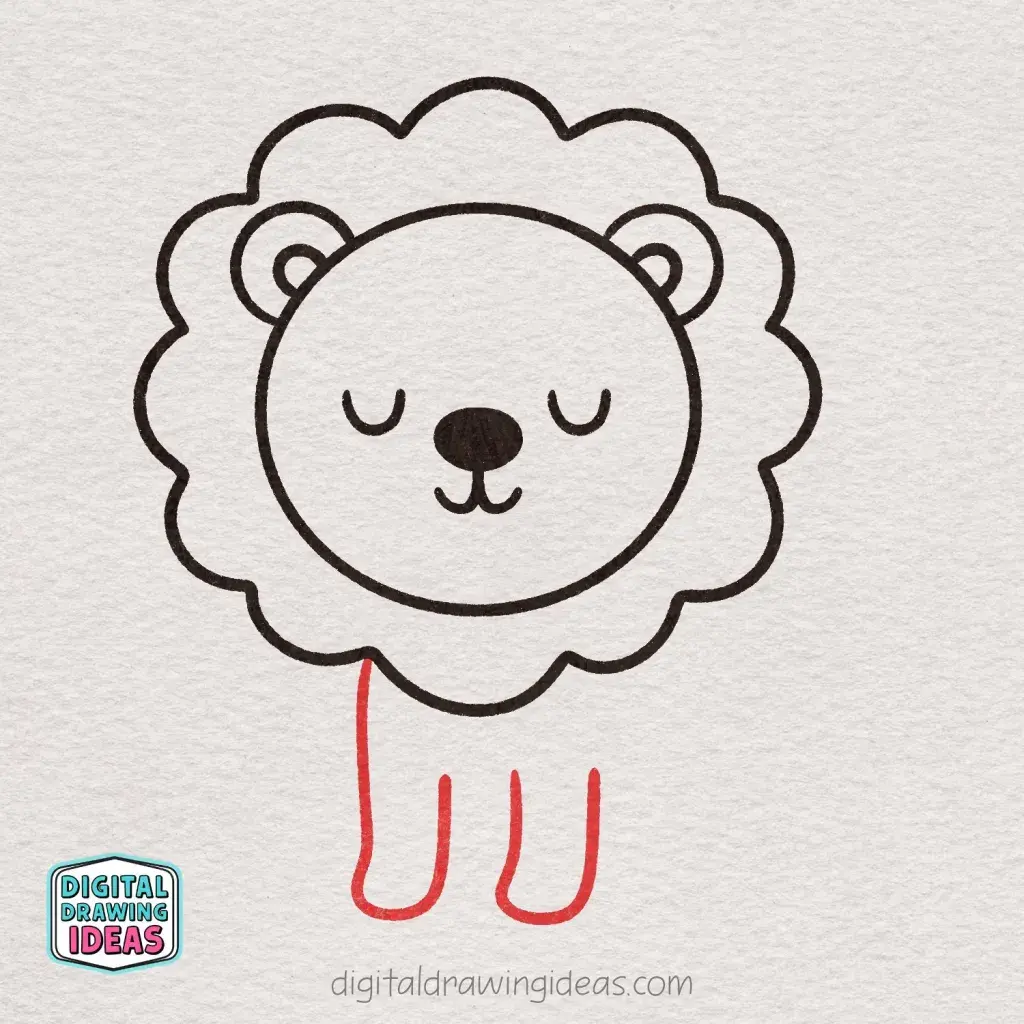
To begin your drawing, focus on building the character using simple geometric forms. Start by sketching a large, perfect circle to serve as the head. Below this, draw a slightly smaller, oval shape that will act as the body. Keep your pencil lines light so you can easily erase them later. The goal is to establish a compact, rounded silhouette that feels approachable and soft rather than realistic or intimidating.
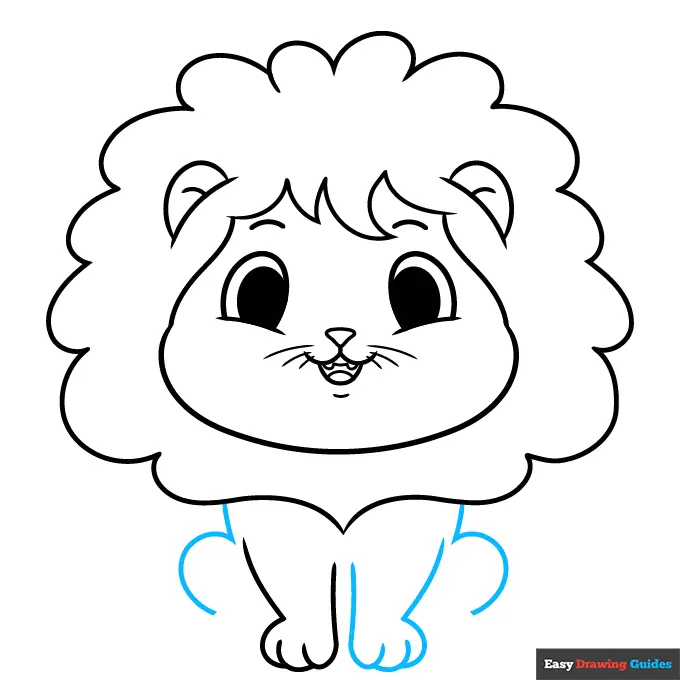
Once the primary shapes are set, you can refine the proportions to enhance the "cute" factor. A common technique is to make the head significantly larger than the body, which mimics the proportions of a human infant. Add two smaller circles at the top of the head for ears, keeping them rounded rather than pointed. By keeping all your initial construction lines curved, you ensure the final character maintains a friendly and harmless appearance throughout the drawing process.
How to add facial features for a cute look
The face is the most important part of your drawing. To achieve a cute expression, place the eyes low on the head, well below the horizontal center line. Large, wide-set eyes with prominent pupils give the lion an innocent, curious look. Add a small, inverted triangle for the nose and a simple "w" shape for the mouth. These minimal features prevent the face from looking cluttered and keep the focus on the eyes.
When detailing the face, consider these specific placement tips:
- Position the eyes near the bottom third of the head circle.
- Draw the pupils as large, dark circles with tiny white highlights to add sparkle.
- Keep the muzzle area small and slightly rounded to avoid an aggressive or snout-heavy look.
- Use soft, curved lines for the eyebrows, angled slightly upward to suggest a happy or inquisitive mood.
How to draw a fluffy lion mane
The mane is what defines a lion, but for a cute version, it should look like a soft, cloud-like halo. Instead of drawing long, jagged strands of hair, use a series of connected "u" shapes or soft scallops around the head. This technique creates a plush, teddy-bear-like texture that feels inviting to the touch. Ensure the mane is thick and uniform, framing the face without obscuring the ears.
You can customize the mane to suit your specific style by following these steps:
- Start by drawing a light outline around the head where the mane will sit.
- Use a "scalloped" brush stroke to create the outer edge of the hair.
- Add a few internal lines to suggest depth, but avoid over-detailing.
- Keep the mane symmetrical to maintain a balanced, pleasing composition.
Best drawing tools for beginners
Choosing the right equipment can significantly improve your experience and the final quality of your sketch. A standard HB pencil is ideal for initial construction lines because it is easy to erase. For outlining, a fine-tip felt pen or a micron liner provides clean, consistent edges that make the drawing pop. If you prefer digital methods, a tablet with pressure-sensitive brushes allows for varying line weights, which adds a professional touch to your work.
Paper selection also plays a role in how your drawing develops. A smooth, medium-weight sketchbook paper is best for pencil work, as it prevents graphite from smudging too easily. If you intend to color your lion, ensure your paper is thick enough to handle markers or colored pencils without bleeding through. Always keep a soft white eraser nearby to clean up your construction lines once the final outline is complete, ensuring the drawing looks crisp and polished.
Common mistakes when drawing cute animals
One of the most frequent errors is using sharp, angular lines, which can make a character look aggressive or mean. Always prioritize curves and rounded corners, as these shapes are psychologically associated with safety and friendliness. Another common mistake is placing facial features too far apart or too high on the head. This disrupts the "baby-like" proportions that are essential for making an animal appear cute, often resulting in a face that looks unnatural or distorted.
Avoid these pitfalls to ensure your drawing remains successful:
- Do not make the neck too long or thin, as this makes the head look unstable.
- Avoid using too many small details, which can distract from the main expression.
- Do not press too hard with your pencil early on, as this leaves permanent indentations.
- Remember to keep the paws small and rounded, avoiding sharp claws or overly muscular legs.
By following these guidelines and maintaining a light, playful hand, you will successfully create a charming lion character that feels both professional and endearing.
Key facts
- Start with a large circle for the head and a smaller oval for the snout to establish proportions.
- Draw the eyes as two large, filled-in circles placed low on the face to create a "chibi" or cute aesthetic.
- Use a series of rounded, cloud-like shapes around the head instead of jagged lines to form a soft, friendly mane.
- Keep the body small and round to emphasize the head, which is a classic technique for making animal characters look infantile and endearing.
- Add tiny, triangular ears tucked slightly behind the mane to maintain a clean, simple silhouette.
- Use a light touch with your pencil so you can easily erase guidelines once the final outlines are inked.
The bottom line
Drawing a cute lion relies on simplifying anatomy into rounded, soft shapes. By emphasizing a large head, oversized eyes, and a small, compact body, you create a character that feels approachable and endearing. Focus on using smooth, flowing lines for the mane and avoid sharp, aggressive features. With practice, these basic proportions will allow you to design a charming lion that captures a friendly, cartoon-like aesthetic.
People also ask
What is the best medium for drawing cute animals?
Graphite pencils are ideal for beginners because they allow for easy corrections. Once you are comfortable with the shapes, fine-liner pens or digital tablets work well for creating clean, bold outlines.
How do I make the lion look friendly instead of fierce?
Avoid drawing sharp, angular teeth or visible claws. Focus on soft, curved lines and give the lion a gentle, upward-curving mouth rather than a snarling expression.
Should I draw the mane as individual hairs?
For a cute style, it is better to draw the mane as a single, unified mass or large, puffy segments. Individual hairs often make a drawing look messy or overly realistic.
How can I add personality to my lion drawing?
You can add simple accessories like a small bow, a flower behind the ear, or a playful expression. These small details help define the character's mood and charm.
What is a common mistake when drawing a lion's face?
A frequent error is placing the eyes too high on the head. Keeping the eyes low creates more space for a large forehead, which is a key trait of "cute" character design.
Do I need to include whiskers?
Whiskers are optional, but adding just three small dots or short lines on each side of the snout adds a nice touch of detail. Do not overdo them, as too many lines can clutter the face.
This answer was created with the help of AI research tools and reference sources. Spotted an error? Let us know — we correct mistakes quickly. See our editorial policy.