What is a good art project for kindergarten?
Short answer
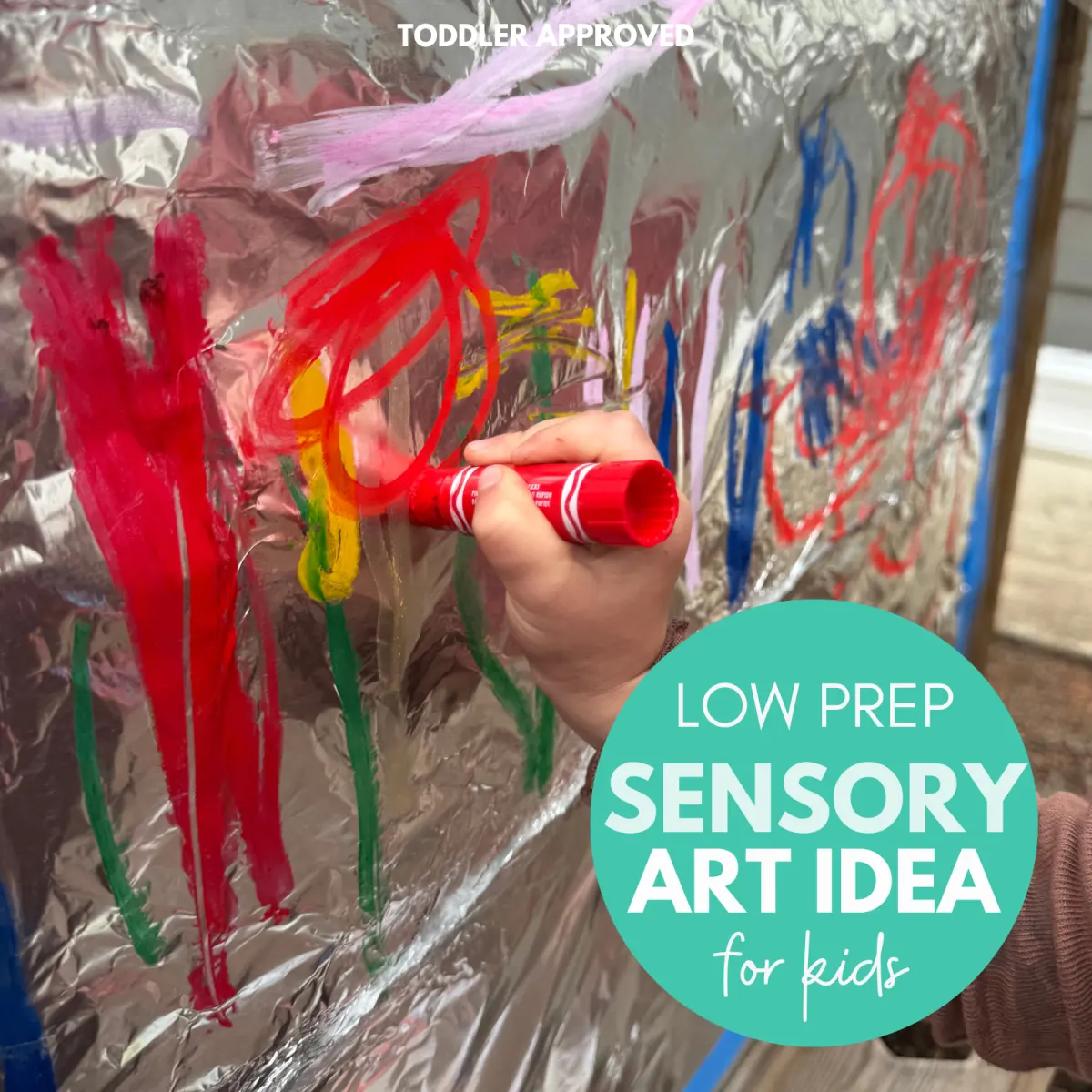
Process-oriented art projects, such as resist painting with tape or tactile collage making, are ideal for kindergarteners. These activities prioritize creative exploration over perfect results, helping children develop fine motor skills, color recognition, and spatial awareness. By focusing on the experience of creating rather than the final product, children build lasting artistic confidence.
On this page
What are the best art projects for kindergarteners?
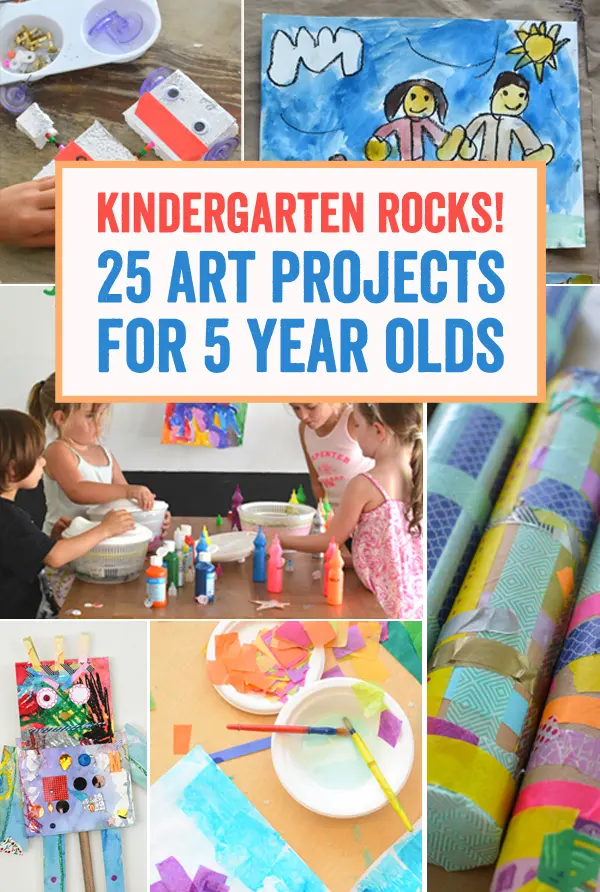
The most effective projects for five-year-olds are those that allow for open-ended experimentation. Process art is a pedagogical approach where the focus remains entirely on the act of creating rather than the aesthetic outcome. Projects like "Tape Resist Canvas" or "Nature Collage" work exceptionally well because they require minimal instruction and allow children to make independent choices. These activities are developmentally appropriate because they do not demand high levels of precision, which can often frustrate young learners who are still refining their hand-eye coordination.
When selecting a project, prioritize materials that are non-toxic and easy to manipulate. Water-based tempera paints, thick construction paper, glue sticks, and recycled materials are staples of a successful kindergarten art program. By limiting the complexity of the tools, you ensure that the child remains focused on the sensory experience of mixing colors or textures. This approach fosters a positive relationship with creativity that encourages students to experiment without the fear of making a mistake.
How to organize a successful art session
Preparation is the key to managing a classroom or home art session with young children. Before starting, clear a dedicated workspace and cover surfaces with butcher paper or a plastic tablecloth to simplify the cleaning process. Have all necessary supplies ready on a tray so that you are not searching for items while the children are waiting. A calm, organized environment helps children transition into a creative mindset and reduces the likelihood of spills or frustration.
Follow these steps to ensure a smooth creative experience:
- Lay out all materials in a way that is easily accessible to small hands.
- Provide a brief, two-minute demonstration of the technique, such as how to hold a brush or apply glue.
- Allow the children to explore the materials freely, offering encouragement rather than specific instructions on what to draw.
- Set a timer if the activity has a specific duration, or provide a five-minute warning before cleanup begins.
- Create a designated drying area where finished projects can sit undisturbed until they are ready to be taken home.
Why process art is important for development
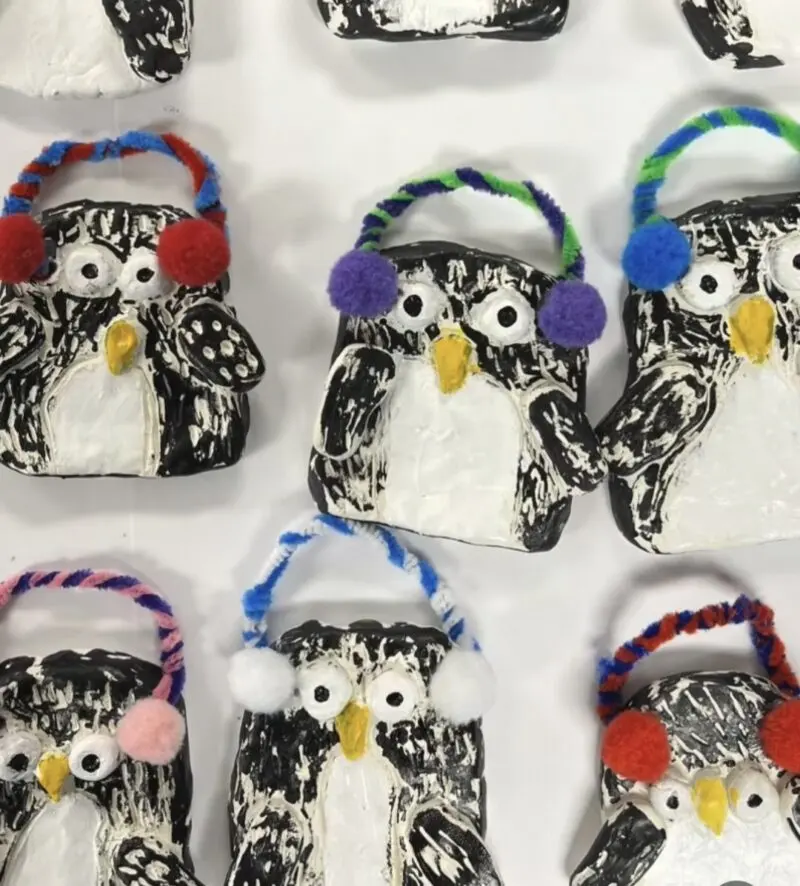
Engaging in art projects provides significant benefits for a child’s cognitive and physical development. Manipulating brushes, scissors, and glue sticks strengthens the small muscles in the hands and fingers, which is essential for later academic tasks like handwriting. Beyond physical skills, art allows children to process their emotions and communicate ideas that they may not yet have the vocabulary to express verbally. This form of self-expression is a vital component of emotional regulation during the early years of schooling.
Furthermore, art encourages critical thinking and problem-solving. When a child decides how to arrange collage pieces or observes how two colors blend together on paper, they are conducting informal scientific experiments. They learn about cause and effect, spatial relationships, and the properties of different materials. This exploratory learning style builds a foundation for future academic success by teaching children that they are capable of making decisions and creating something entirely unique from their own imagination.
Common mistakes when planning art activities
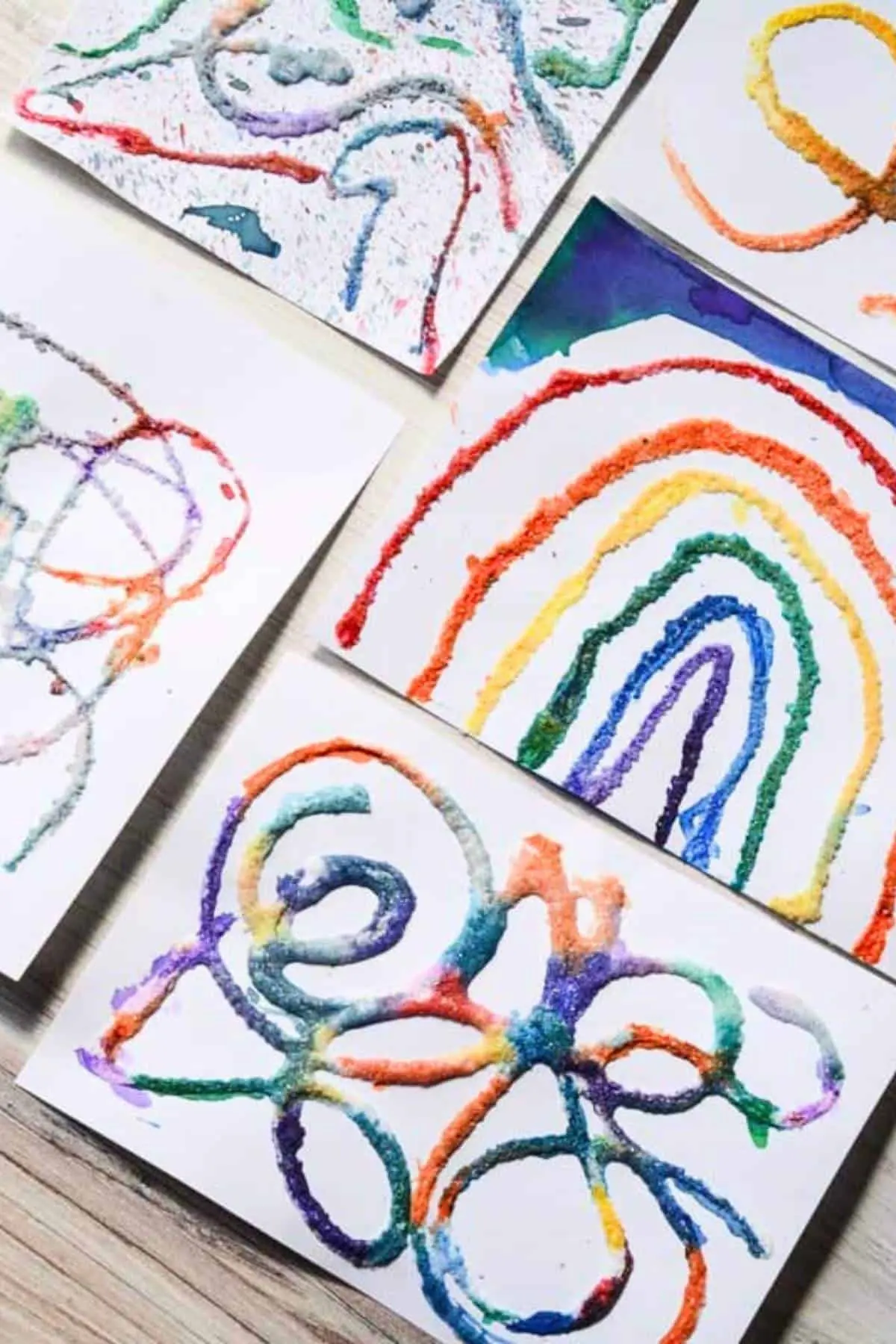
One of the most frequent errors is providing too much structure, which can stifle a child's natural curiosity. When adults insist that a project must look like a specific object, such as a flower or a house, the child often loses interest or becomes anxious about getting it "wrong." Another common mistake is using materials that are too difficult to control, such as thin markers that bleed through paper or glues that take hours to set. Avoid these pitfalls by keeping the goals broad and the materials simple.
Consider these common pitfalls to avoid:
- Over-explaining the project, which can overwhelm young children and lead to boredom.
- Using low-quality materials that break easily, such as cheap crayons that snap under slight pressure.
- Forgetting to account for cleanup time, which often leads to rushed endings and unnecessary stress.
- Focusing on the final product instead of the child's effort, which can discourage future experimentation.
- Providing too many choices at once, which can lead to decision paralysis for younger students.
How long does it take to complete a project?
Kindergarteners generally have an attention span of about 15 to 25 minutes for a single task. It is important to plan projects that fit within this window to ensure that children remain engaged and successful. If an activity is too long, children may become restless or lose interest, leading to messy behavior or unfinished work. If an activity is too short, they may not have enough time to truly explore the materials. If a project requires more time, consider breaking it into two sessions, such as painting on one day and adding collage elements on the next.
Always remain flexible with your timing. If a child is deeply engrossed in their work, allow them to continue for a few extra minutes, but be prepared to pivot if the group loses interest. The goal is to finish on a high note, leaving the children feeling proud of their work rather than exhausted by the process. By keeping the timeline realistic and respecting the natural pace of the child, you will foster a lasting love for artistic expression that will serve them well throughout their education.
Key facts
- Kindergarten art projects should focus on the process of creation rather than the final aesthetic result.
- Use non-toxic, washable materials to ensure safety and simplify the cleanup process for young children.
- Provide thick-handled brushes and large-grip crayons to accommodate developing fine motor skills in five-year-olds.
- Incorporate sensory elements like textured paper or modeling clay to engage multiple learning styles simultaneously.
- Limit the number of choices provided to avoid overwhelming students and to help them focus on the task.
- Always demonstrate the technique first, as visual modeling is more effective than verbal instructions for this age group.
The bottom line
The most effective kindergarten art projects prioritize exploration and tactile engagement over technical precision. By selecting age-appropriate materials and keeping instructions brief, you create a supportive environment where children feel confident experimenting. Focus on the joy of discovery, provide clear demonstrations, and celebrate the unique creative choices of every child to build their artistic self-esteem while developing essential motor skills through hands-on, sensory-rich experiences.
People also ask
How long should a typical kindergarten art project last?
Most kindergarteners have an attention span of 15 to 20 minutes for structured activities. Keeping projects within this timeframe prevents frustration and ensures the children remain engaged throughout the process.
Should I use glue sticks or liquid glue for classroom projects?
Glue sticks are generally better for kindergarteners because they are less messy and easier to control. Liquid glue often results in oversaturation, which can cause paper to tear and significantly extend drying times.
How can I help children who are afraid of making mistakes?
Encourage "happy accidents" by framing errors as opportunities for creative problem-solving. Remind them that art is about personal expression rather than achieving a perfect, realistic representation of an object.
What is the best way to display student artwork?
Hang artwork at the children's eye level to foster a sense of pride and ownership. Using a dedicated gallery wall or clothesline display allows you to rotate pieces frequently without damaging the classroom walls.
How do I manage cleanup effectively in a classroom?
Assign specific cleanup roles to students, such as "brush washer" or "paper collector," to build responsibility. Keep a supply of baby wipes nearby for quick hand cleaning before moving on to the next activity.
Is it better to provide pre-cut shapes or have children cut their own?
This depends on the specific fine motor goals of the lesson. If the focus is on composition, pre-cut shapes save time; if the goal is scissor practice, allow children to cut their own shapes.
This answer was created with the help of AI research tools and reference sources. Spotted an error? Let us know — we correct mistakes quickly. See our editorial policy.