How do you overcome perfectionism in art?
Short answer
Overcoming perfectionism in art requires shifting your focus from the final product to the creative process. By setting strict time limits, embracing intentional mistakes, and prioritizing quantity over quality, you lower the stakes of each session. This practice builds resilience, allowing you to bypass the paralyzing fear of judgment and artistic failure.
On this page
Why perfectionism happens in art
Perfectionism in art often stems from a cognitive distortion known as "all-or-nothing thinking," where an artist views a piece as either a masterpiece or a complete failure. This mindset is frequently fueled by social media, where curated feeds showcase only the most polished final outcomes, hiding the messy, iterative work that precedes them. Psychologists suggest that perfectionism is a defense mechanism; by setting impossibly high standards, an artist avoids the vulnerability of being judged for their genuine, unrefined efforts.
This fear of inadequacy often leads to "analysis paralysis," where the artist spends more time planning or worrying than actually creating. When you believe that every brushstroke must be flawless, the act of making art becomes a source of anxiety rather than expression. Recognizing that perfection is an abstract, unattainable concept is the first step toward reclaiming your creative autonomy and moving past the mental blocks that keep your canvas blank.
How to lower the stakes of your practice
The most effective way to combat perfectionism is to intentionally remove the pressure of a "finished" result. By treating your studio time as an experiment rather than a performance, you create a safe space to explore new techniques without the weight of expectation. This shift in perspective allows you to view errors as data points rather than character flaws, making it easier to continue working when things do not go as planned.
To effectively lower the stakes, consider these practical adjustments to your routine:
- Use inexpensive materials like newsprint or ballpoint pens to remove the fear of "wasting" professional-grade supplies.
- Work on multiple pieces simultaneously to prevent over-focusing on a single, high-pressure project.
- Set a timer for 15 minutes and commit to making as many marks as possible before the alarm sounds.
- Designate a "bad art" folder where you store work that you feel failed, allowing you to detach your self-worth from individual pieces.

Common mistakes when trying to be perfect
Many artists mistakenly believe that more time spent on a single piece equates to higher quality. In reality, overworking a project often leads to "noodling," where an artist loses the initial energy and clarity of the work by obsessively refining minor details. This habit frequently obscures the focal point of the piece and results in a muddy, overworked final image. Another common error is comparing your "behind-the-scenes" process to another artist’s polished portfolio.
When you fall into these traps, your progress stalls because you are fighting against your own instincts. Avoiding these pitfalls requires active discipline:
- Stop working on a piece the moment you feel the urge to "fix" something that is not actually broken.
- Step away from your work for at least 24 hours to gain a fresh perspective before making final adjustments.
- Limit your color palette or tool selection to force creative problem-solving within constraints.
- Avoid seeking external validation while the piece is still in the messy, developmental stage of creation.

Best exercises for overcoming artistic anxiety
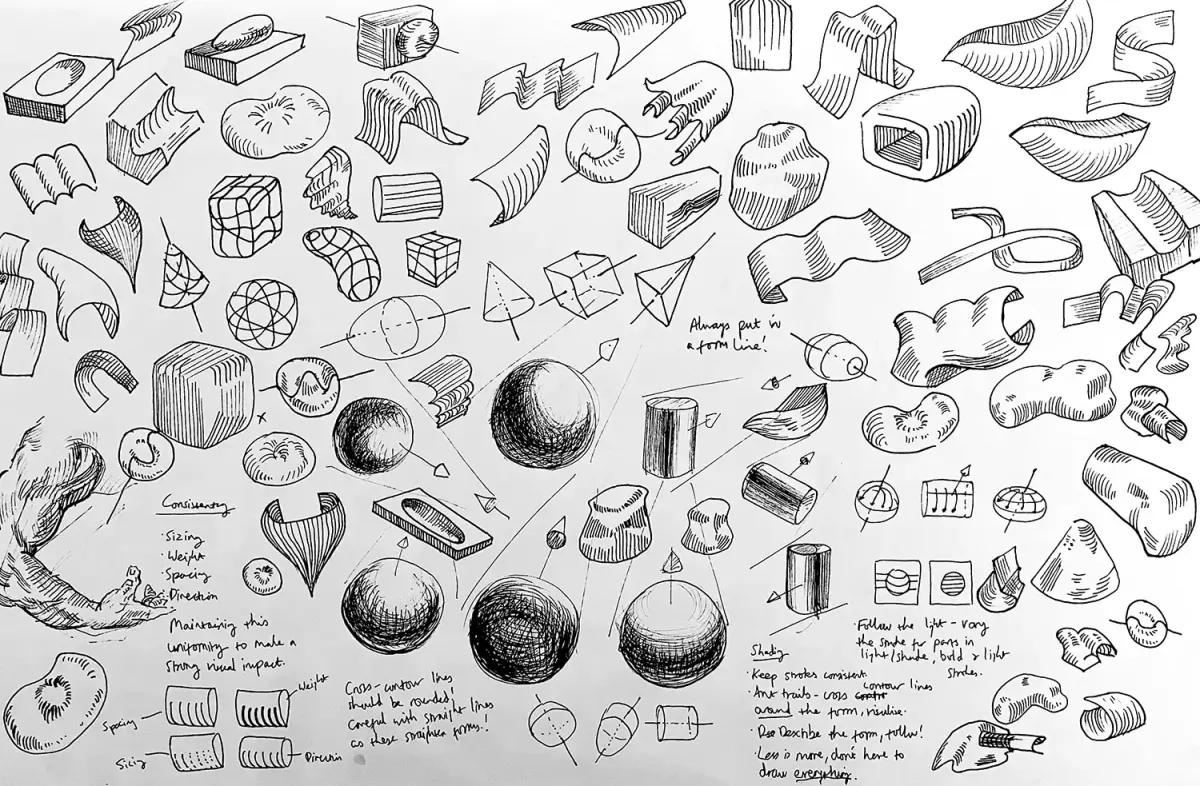
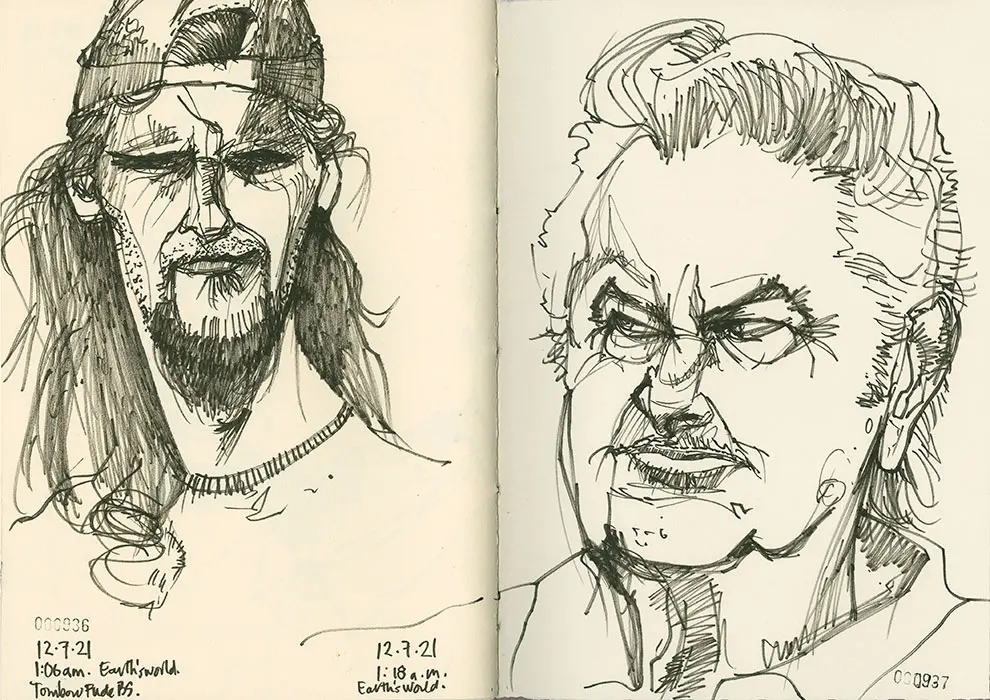
Practical exercises can rewire your brain to value action over outcome. One popular technique is the "100-day project," where you commit to creating one small, simple piece every day for 100 days. Because the volume is so high, it becomes impossible to obsess over every single entry, which naturally forces you to accept imperfection. Another effective method is "blind contour drawing," where you draw an object without looking at your paper.
These exercises serve as a form of exposure therapy for the creative mind. By forcing yourself to engage in activities where you cannot possibly be perfect, you desensitize yourself to the fear of making mistakes. Consider these structured approaches to build your creative endurance:
- The "Five-Minute Sketch": Draw a complex subject in five minutes, then move on regardless of how it looks.
- The "Non-Dominant Hand Challenge": Complete a drawing using your non-dominant hand to bypass your internal critic.
- The "Limited Stroke Count": Attempt to render a portrait using only 50 lines, forcing you to prioritize essential shapes over details.
How to build a healthier creative mindset
Building a sustainable artistic practice requires a fundamental shift in how you define success. Instead of measuring your worth by the quality of a finished painting, start measuring it by the consistency of your effort. When you prioritize the habit of showing up, the outcome becomes a secondary benefit rather than the primary goal. This transition turns art into a lifelong practice of curiosity rather than a high-stakes test of your inherent talent.
Cultivating this mindset involves acknowledging that every great master in history produced thousands of failed sketches and drafts. You are not an exception to the rule of iteration; you are part of a long tradition of creators who learned through trial and error. By embracing the process, you allow yourself the freedom to evolve, experiment, and eventually produce work that reflects your authentic voice rather than an imagined standard of perfection. Stay patient with your growth, as the most significant breakthroughs often occur after you have finally stopped trying to be perfect.
Key facts
- Set a strict timer for 30 minutes to complete a sketch, forcing a focus on gesture over detail.
- Adopt the "80/20 rule," where 80 percent of a piece's impact comes from the first 20 percent of effort.
- Limit your color palette to three primary colors to reduce decision paralysis during the painting process.
- Practice "ugly art" sessions where the explicit goal is to create something messy or imperfect.
- Document your progress with photos to gain objective distance from the work in its unfinished state.
- Use smaller canvases or sketchbooks, as large surfaces often trigger a fear of wasting expensive materials.
The bottom line
Overcoming perfectionism requires shifting your focus from the final product to the process of creation. By setting time constraints, embracing mistakes, and prioritizing volume, you dismantle the fear that hinders progress. Remember that art is a practice of continuous iteration rather than a quest for a flawless result. Consistent, imperfect action will always yield more growth and creative satisfaction than the paralysis of seeking total perfection.
People also ask
Is perfectionism a sign of high artistic skill?
Perfectionism is often a psychological barrier rather than a marker of talent. It frequently leads to procrastination and creative burnout, preventing artists from finishing projects or experimenting with new techniques.
How can I stop comparing my work to professional artists?
Recognize that social media showcases only the final, polished results of an artist's career. Focus on comparing your current work to your past work rather than measuring yourself against external standards.
Should I throw away my "bad" art?
Keep your failed pieces to track your growth over time. Reviewing past mistakes provides valuable data on where your technical skills need improvement, turning perceived failures into educational tools.
What is the benefit of quantity over quality?
Prioritizing volume helps you bypass the fear of ruining a single "masterpiece." By creating many works, you lower the stakes for each individual piece and accelerate your learning curve.
How do I know when a piece of art is finished?
A piece is finished when it meets the original intent of the concept, not when every detail is flawless. Set clear goals before starting so you have a defined stopping point.
Can perfectionism lead to creative block?
Yes, perfectionism creates a fear of failure that paralyzes the decision-making process. This anxiety prevents artists from starting new projects because they anticipate an inability to meet impossible standards.
This answer was created with the help of AI research tools and reference sources. Spotted an error? Let us know — we correct mistakes quickly. See our editorial policy.