What is an immersive art exhibition?
Short answer
An immersive art exhibition is a multisensory experience that surrounds visitors with large-scale projections, surround sound, and interactive elements to blur the lines between the viewer and the artwork. Unlike traditional galleries with static frames, these digital environments invite participants to step inside the canvas and engage physically with the creative space.
On this page
What makes an exhibition immersive?
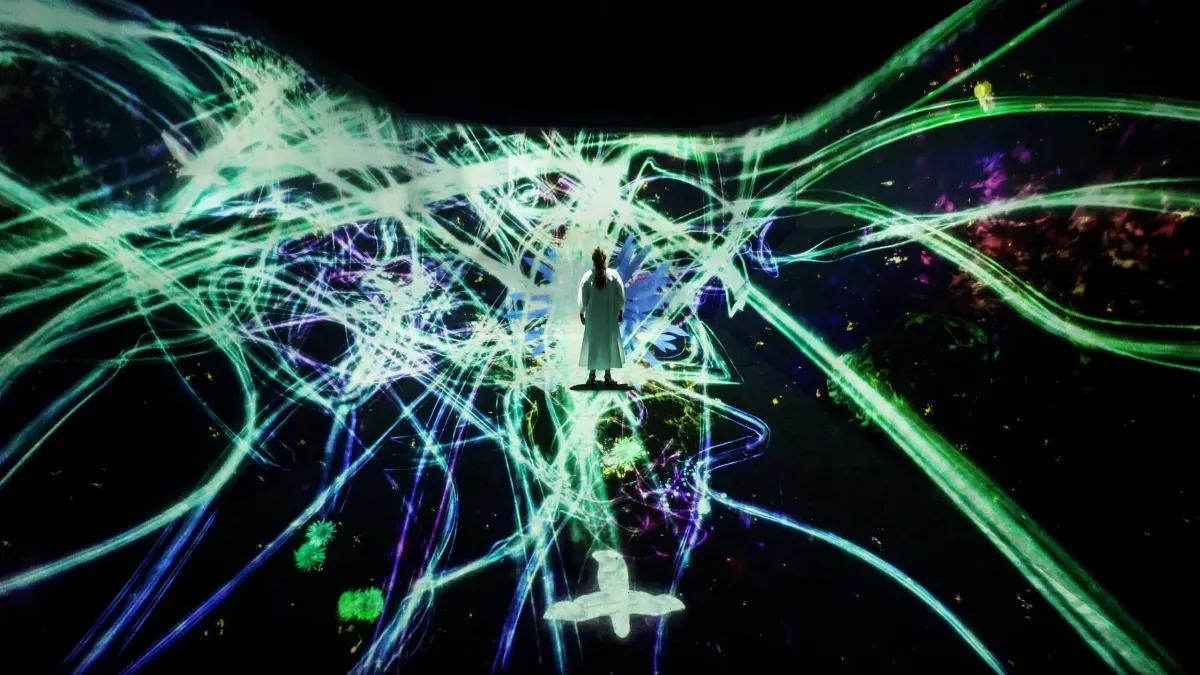
Immersive art transforms the passive act of viewing into an active, participatory event. By utilizing high-definition projectors, motion sensors, and spatial audio systems, these exhibitions envelop the audience in a 360-degree environment. The goal is to remove the physical barrier of the frame, allowing the art to react to the presence and movement of the people within the room.
These installations often focus on themes of scale and atmosphere rather than historical context or traditional curation. By manipulating light, color, and sound, creators can evoke visceral emotional responses that are difficult to achieve through two-dimensional media. The technology acts as a bridge, turning abstract concepts into tangible, explorable landscapes that feel alive and responsive to the human form.
How do you prepare for your first visit?
Preparing for an immersive show requires a shift in mindset compared to visiting a standard museum. Because these experiences are often non-linear and sensory-heavy, it is best to enter with an open mind rather than a rigid itinerary. Check the venue's website beforehand to determine if the exhibition requires timed entry tickets, as these popular shows frequently sell out weeks in advance.
To make the most of your time, consider the following steps:
- Wear comfortable shoes, as you will likely be standing or walking for the duration of the experience.
- Check if the venue allows photography, but prioritize experiencing the art with your eyes rather than through a phone screen.
- Arrive fifteen minutes early to acclimate to the lighting and sound levels of the environment.
- Dress in layers, as the temperature inside large projection halls can fluctuate significantly based on the equipment heat.
Why are immersive exhibitions so popular?
The rise of immersive art, exemplified by organizations like teamLab or the widespread "Van Gogh Alive" tours, stems from a desire for shared, social experiences. In an era dominated by digital isolation, these exhibitions offer a physical destination that is highly photogenic and accessible to non-experts. They democratize art by removing the "do not touch" rules of traditional museums, making the content feel less intimidating and more playful.
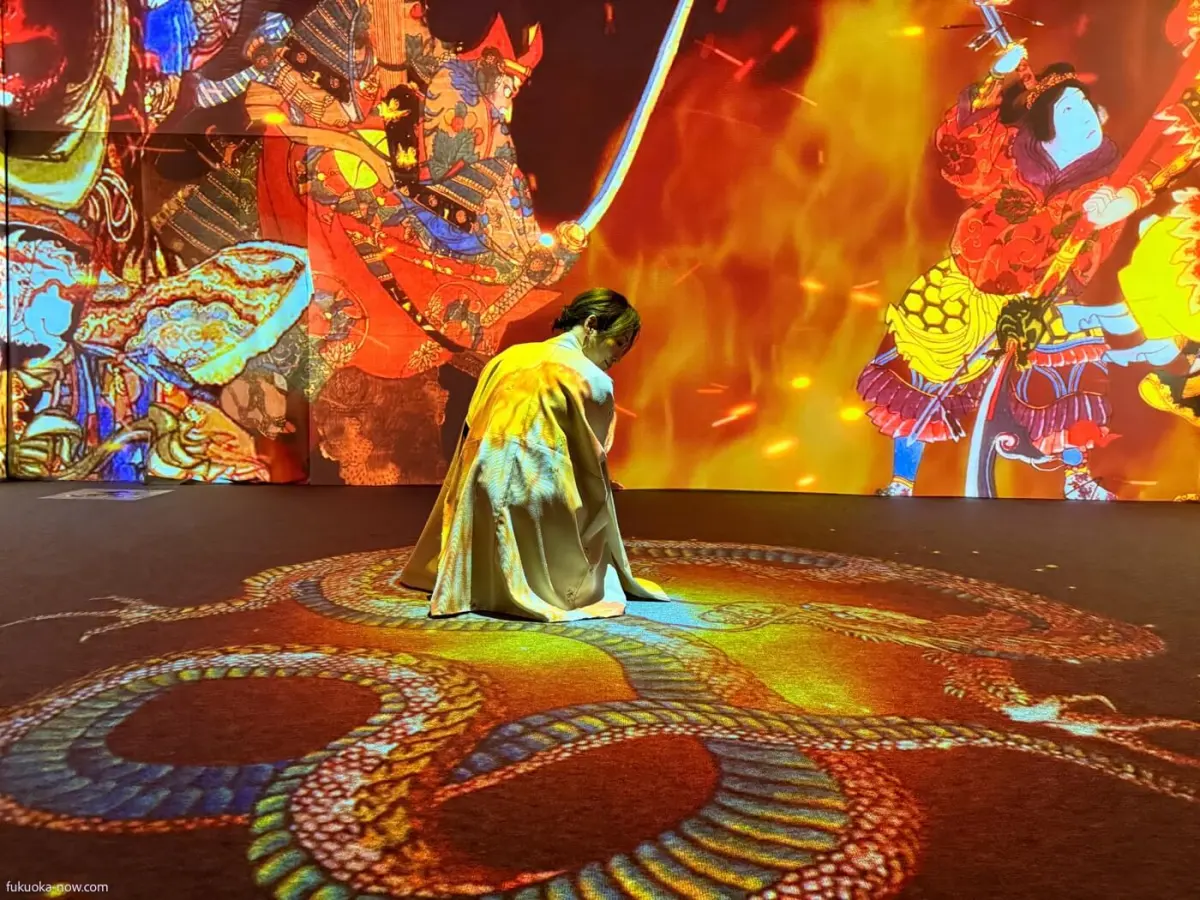
Furthermore, the scale of these installations provides a sense of awe that is difficult to replicate at home. By projecting artwork onto floors, ceilings, and walls, creators can highlight details that would be invisible in a standard gallery setting. This format appeals to all ages, turning complex artistic movements into a spectacle that prioritizes wonder and engagement over academic analysis or rigorous historical study.
Common mistakes when visiting immersive art
One of the most frequent errors visitors make is rushing through the space. Immersive art is designed to be experienced in loops; staying in one room for 20 to 30 minutes allows you to see the full narrative arc of the projection cycle. Another common mistake is failing to check for accessibility needs. While most venues are ADA-compliant, the flashing lights and loud, directional soundscapes can be overwhelming for individuals with sensory processing sensitivities.
Avoid these pitfalls to ensure a better experience:
- Do not assume the exhibition is a guided tour; most are self-paced, so you must choose your own path.
- Avoid bringing large bags or bulky coats, as many venues have limited storage and crowded spaces.
- Do not ignore the warning signs regarding strobe lights or loud noises if you have medical conditions.
- Do not try to photograph every second, as you will miss the fluid transitions of the digital art.
Where can you find immersive art near you?
Most major metropolitan areas now host permanent or rotating immersive art centers. To find one, search for "digital art installations" or "multisensory exhibitions" in your city. Many cities have converted old warehouses or industrial spaces into these venues, as the high ceilings and open floor plans are ideal for large-scale projection mapping. Check local museum calendars, as many traditional institutions are now commissioning immersive wings to attract younger audiences.
If you are traveling, look for established collectives like Meow Wolf, which operates permanent, highly interactive "art houses" in cities like Santa Fe, Las Vegas, and Denver. These locations offer a more permanent, narrative-driven version of the immersive experience compared to the traveling projection shows. By researching the specific type of exhibition—whether it is a digital light show or a physical, sculptural environment—you can better align your expectations with the artistic style being presented to ensure a rewarding visit.
Key facts
- Immersive art exhibitions replace traditional framed paintings with floor-to-ceiling digital projections that surround the viewer.
- These displays often incorporate surround-sound audio and synchronized lighting to create a multi-sensory environment.
- The genre gained global popularity in the late 2010s, popularized by touring shows featuring the works of Vincent van Gogh.
- Visitors are encouraged to move freely through the space rather than standing in front of static canvases.
- Many exhibitions utilize high-definition laser projectors to map imagery onto architectural surfaces like walls, floors, and columns.
- When visiting, wear comfortable shoes and avoid bringing large bags, as many venues require significant walking and standing.
The bottom line
Immersive art exhibitions transform the passive act of viewing paintings into an active, multi-sensory experience. By utilizing advanced projection technology and spatial audio, these shows allow visitors to step inside the artist's world. While they do not replace the historical value of original works in museums, they offer a modern, accessible way to engage with art through scale, sound, and total environmental engagement.
People also ask
How does an immersive exhibition differ from a traditional museum visit?
Traditional museums focus on the preservation and display of original physical artifacts in quiet, stationary settings. Immersive exhibitions prioritize the visitor's sensory experience, using digital technology to interpret art in a dynamic, large-scale format.
Are these exhibitions suitable for children?
Most immersive art shows are highly family-friendly because they are visually stimulating and allow for movement. However, the loud music and flashing lights may be overwhelming for younger children or those with sensory sensitivities.
Can I take photographs inside the exhibition?
Photography is generally permitted and encouraged at most immersive art shows, as they are designed to be highly photogenic. Always check the specific venue policy, as some restrict the use of professional equipment or flash photography.
How long should I plan to spend at an immersive art show?
Most visitors spend between 60 and 90 minutes exploring the digital galleries. While many shows operate on a loop, you are typically free to stay as long as you like during operating hours.
Do I need to buy tickets in advance?
Booking tickets online ahead of time is strongly recommended to guarantee entry for a specific time slot. Popular exhibitions frequently sell out, especially on weekends and holidays.
What is the most common mistake visitors make?
The most common error is rushing through the space without finding a place to sit or stand still. Immersive art is designed to be experienced slowly, so take time to let the visual narrative unfold around you.
This answer was created with the help of AI research tools and reference sources. Spotted an error? Let us know — we correct mistakes quickly. See our editorial policy.