What does a gallery owner do?
Short answer
A gallery owner acts as the primary bridge between artists and the art market. They curate exhibitions, manage inventory, and facilitate sales to collectors and institutions. Beyond the physical space, they oversee marketing, artist career development, and financial operations to ensure the gallery remains a viable business within the competitive art world.

On this page
What are the daily responsibilities of a gallery owner?
A gallery owner’s day is a blend of administrative oversight and high-level networking. Mornings are typically spent managing logistics, such as coordinating shipping for sold works, updating inventory databases, or communicating with artists about upcoming projects. They must ensure that the physical space is maintained to professional standards, which includes lighting adjustments, wall preparation, and managing staff schedules.
In the afternoons, the focus shifts to client relations and sales. Owners spend significant time meeting with collectors, curators, and interior designers to discuss available works. They must possess deep knowledge of their artists’ portfolios to provide context and provenance for potential buyers. This role requires a constant balance between the creative needs of the artists and the commercial demands of the business.
- Reviewing incoming submissions and scouting new talent at art fairs.
- Overseeing the installation and de-installation of rotating exhibitions.
- Managing marketing campaigns, including social media, press releases, and exhibition catalogs.
- Negotiating commission structures and sales contracts with private buyers and museums.
- Balancing the gallery’s budget, including rent, insurance, and payroll expenses.
How do gallery owners select artists to represent?
The selection process is highly subjective but grounded in long-term strategy. Owners look for artists whose work shows technical proficiency, a unique conceptual voice, and the potential for career longevity. They often scout talent at graduate degree shows, regional art fairs, or through recommendations from trusted curators and established artists. The goal is to build a cohesive roster that reflects the gallery’s specific aesthetic or mission.
Once an artist is identified, the owner assesses their professional maturity. A gallery owner needs to know that an artist can meet deadlines, produce consistent work, and engage with the public during openings. They also consider marketability, evaluating whether the artist’s work fits current trends or fills a specific niche in the market. The relationship is a partnership, and the owner must feel confident that they can effectively advocate for the artist’s vision to collectors.
- Originality and a distinct visual language.
- A consistent body of work that demonstrates growth.
- Professionalism and reliability in meeting exhibition deadlines.
- Alignment with the gallery’s existing brand and price point.
- Potential for critical acclaim or institutional interest.
How does a gallery owner price artwork?
Pricing is one of the most critical and sensitive aspects of the job. Owners determine the value of a piece based on a combination of the artist’s exhibition history, past sales performance, and the size or medium of the work. They often consult with other dealers and auction house data to ensure that prices remain competitive yet sustainable. Setting prices too high can stall sales, while setting them too low may devalue the artist’s brand.
Transparency is essential during this process. Owners must justify price increases to collectors, typically citing museum acquisitions, positive critical reviews, or participation in major biennials as evidence of the artist’s rising value. They also manage the standard commission structure, which in the primary market is typically a 50/50 split between the artist and the gallery. This revenue must cover the gallery’s overhead, including marketing, shipping, and the costs of hosting events.
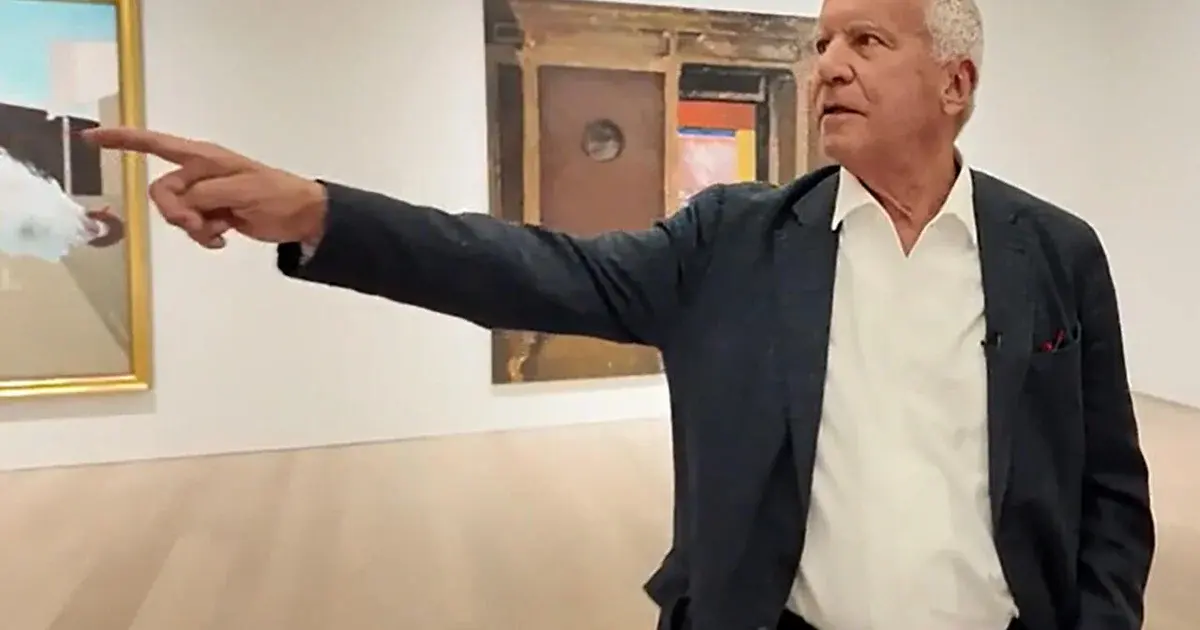
Common mistakes when running an art gallery
One of the most frequent errors is overextending the gallery’s exhibition schedule. Beginners often try to host too many shows, which prevents the staff from properly promoting each artist and building the necessary momentum for sales. Another common mistake is failing to maintain a robust client database. Without accurate records of collector preferences and purchase history, it becomes nearly impossible to target the right buyers for specific works.
Financial mismanagement is another major pitfall. Many galleries operate on thin margins, and failing to account for hidden costs like climate-controlled storage, insurance premiums, and professional photography can lead to insolvency. Owners should also avoid being too insular. Relying solely on a small circle of local buyers limits growth; successful owners actively participate in international art fairs like Art Basel or Frieze to expand their reach and connect with a global network of collectors.
How to build a successful gallery brand
Building a brand requires a clear identity that distinguishes the gallery from competitors. This is achieved through the quality of the exhibitions, the consistency of the roster, and the gallery’s presence in the academic and critical community. Owners often host artist talks, panel discussions, and collaborative events to foster a sense of community. By positioning the gallery as a thought leader, they attract not just buyers, but also critics and curators who validate the work.
Digital presence has become equally important in the modern era. A professional website, high-quality documentation of works, and active engagement on platforms like Instagram allow galleries to reach collectors who may never visit the physical space. However, the core of the brand remains the trust established between the owner and their clients. By providing honest advice and maintaining high ethical standards, a gallery owner ensures that their business remains a respected pillar of the art world for years to come.
Key facts
- Gallery owners typically earn a commission of 40% to 50% on every artwork sold.
- A primary responsibility is curating exhibitions that establish a cohesive narrative for the gallery's brand.
- Owners must maintain a professional database of collectors to facilitate private sales and networking events.
- Successful galleries often spend 5% to 10% of their annual revenue on marketing and exhibition openings.
- Legal contracts between artists and galleries must clearly define exclusivity, insurance responsibilities, and payment timelines.
- Networking at international art fairs like Art Basel is essential for discovering new talent and securing high-profile clients.
The bottom line
The gallery owner serves as the essential bridge between the creative vision of an artist and the financial demands of the art market. By balancing the roles of curator, salesperson, and business manager, they cultivate an artist's career while providing collectors with access to significant works. Success requires deep market knowledge, meticulous administrative discipline, and the ability to foster long-term professional relationships within the global art community.
People also ask
How do gallery owners find new artists to represent?
Owners frequently scout talent by attending graduate school thesis shows, exploring independent art fairs, and receiving referrals from existing artists. They look for a consistent body of work that demonstrates both technical skill and a unique conceptual perspective.
What is the difference between a commercial gallery and a non-profit space?
Commercial galleries operate as for-profit businesses focused on selling inventory to collectors and institutions. Non-profit spaces, conversely, rely on grants, donations, and memberships to fund experimental projects that may not be intended for immediate sale.
Do gallery owners need to be art experts?
While formal training in art history is common, the most successful owners are experts in the art market. They must understand valuation, provenance, and how to position an artist's career within the broader cultural landscape.
How much capital is required to open a gallery?
Startup costs vary wildly, but a modest physical space in a major city often requires at least $50,000 to $100,000 for rent deposits, insurance, lighting, and initial marketing. Many owners begin by operating online or through pop-up events to minimize overhead.
What is the most common mistake new gallery owners make?
The most frequent error is underestimating the importance of administrative tasks like inventory management and shipping logistics. Ignoring these operational details often leads to strained relationships with artists and potential legal liabilities.
How do galleries handle the pricing of artwork?
Pricing is determined by comparing an artist's history, exhibition record, and the size or medium of the piece. Owners must ensure prices remain stable across different markets to protect the long-term investment value for collectors.
This answer was created with the help of AI research tools and reference sources. Spotted an error? Let us know — we correct mistakes quickly. See our editorial policy.