What is museum glass?
Short answer
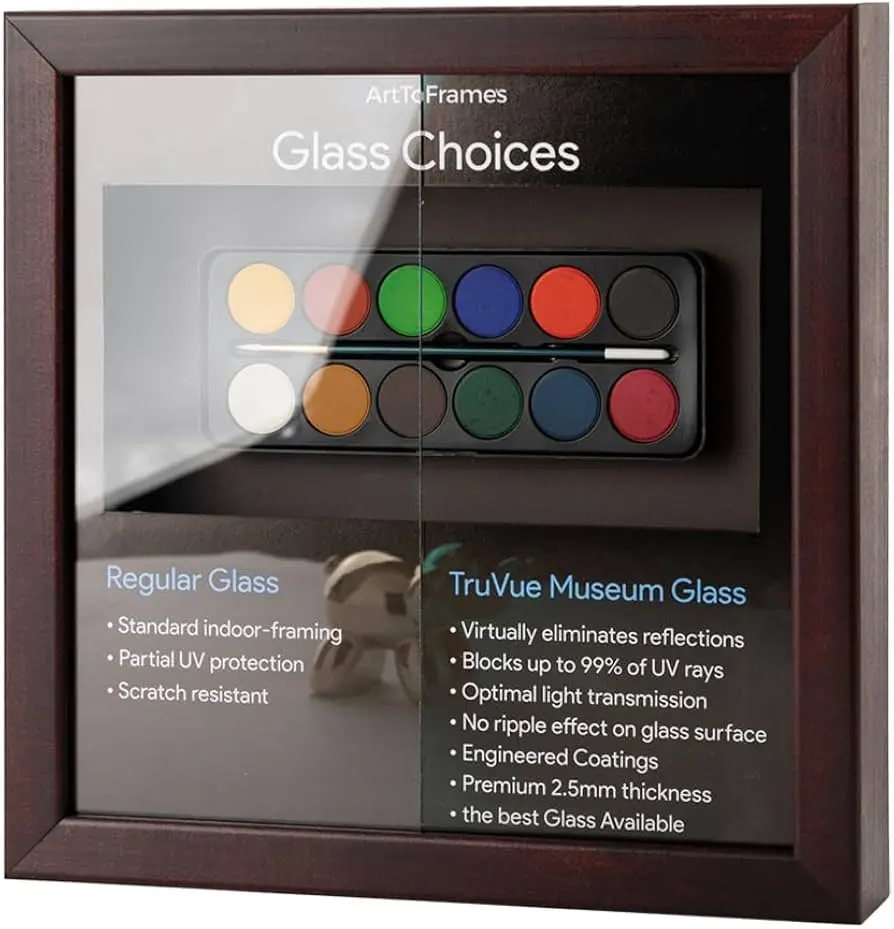
Museum glass is a specialized, high-clarity glazing product treated with an anti-reflective coating to eliminate glare and block harmful ultraviolet rays. By reducing light reflection to less than one percent, it allows viewers to see artwork clearly without obstruction, while simultaneously protecting delicate materials from fading and degradation over time.
On this page
What is museum glass made of?
Museum glass is manufactured using a process called magnetron sputtering, where thin layers of metal oxides are applied to a high-quality, low-iron glass substrate. Unlike standard window glass, which has a slight green tint due to iron content, museum glass is engineered to be exceptionally clear and colorless. This clarity ensures that the colors of a painting, photograph, or document remain true to the original intent of the artist.
The anti-reflective properties are achieved through sophisticated optical interference technology. By layering these microscopic coatings, the glass manipulates light waves to cancel out reflections. The result is a surface that appears almost invisible to the naked eye. Because this coating is bonded at a molecular level, it is durable and resistant to the peeling or scratching often associated with cheaper, film-based anti-glare alternatives.
How does museum glass protect art?
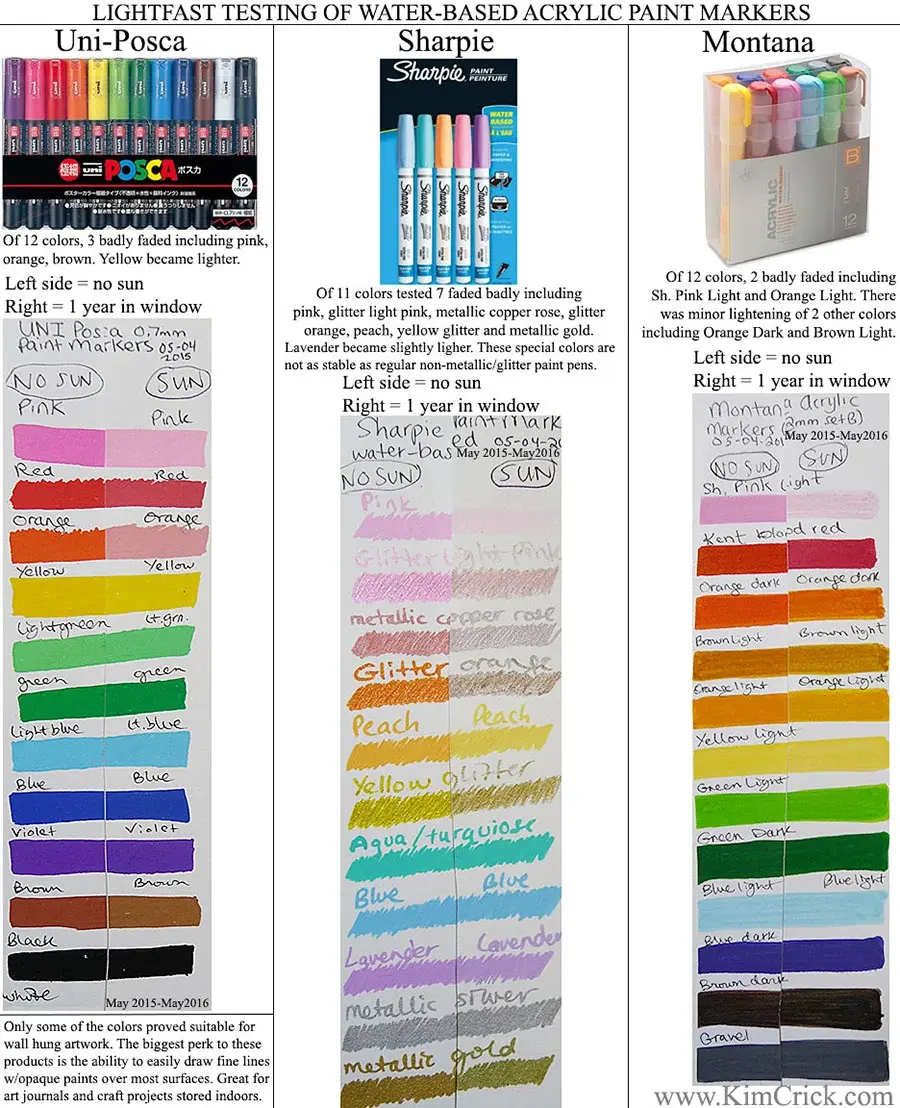
The primary function of museum glass beyond visual clarity is the preservation of sensitive media. Standard glass allows a significant portion of ultraviolet (UV) light to pass through, which initiates chemical reactions that cause paper to yellow, pigments to fade, and organic materials to become brittle. Museum glass is specifically designed to filter out at least 97 to 99 percent of these damaging UV rays.
This protection is essential for items that are prone to light damage, such as:
- Historical documents and manuscripts
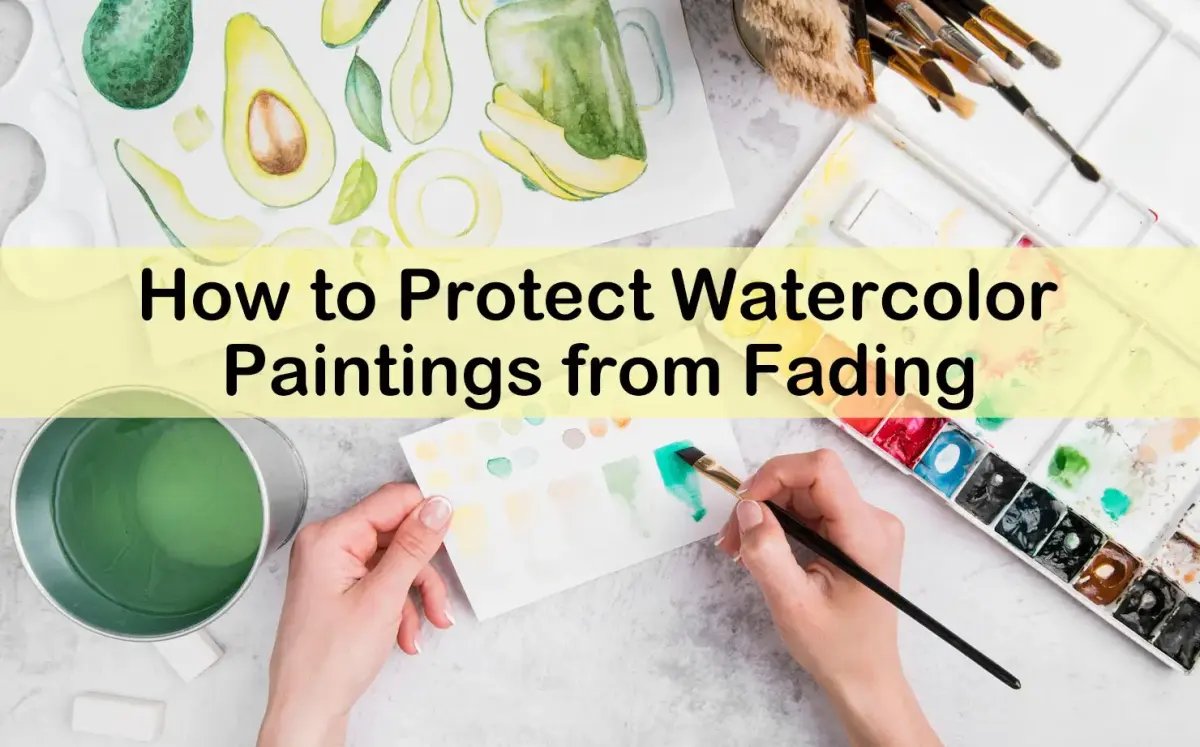
- Watercolor paintings and sketches
- Rare vintage photographs
- Textiles and embroidery
- Signed memorabilia and ink-based prints
By blocking the spectrum of light that causes the most rapid deterioration, museum glass allows collectors to display their most precious items in well-lit rooms without the constant fear of irreversible environmental damage.

How to identify museum glass?
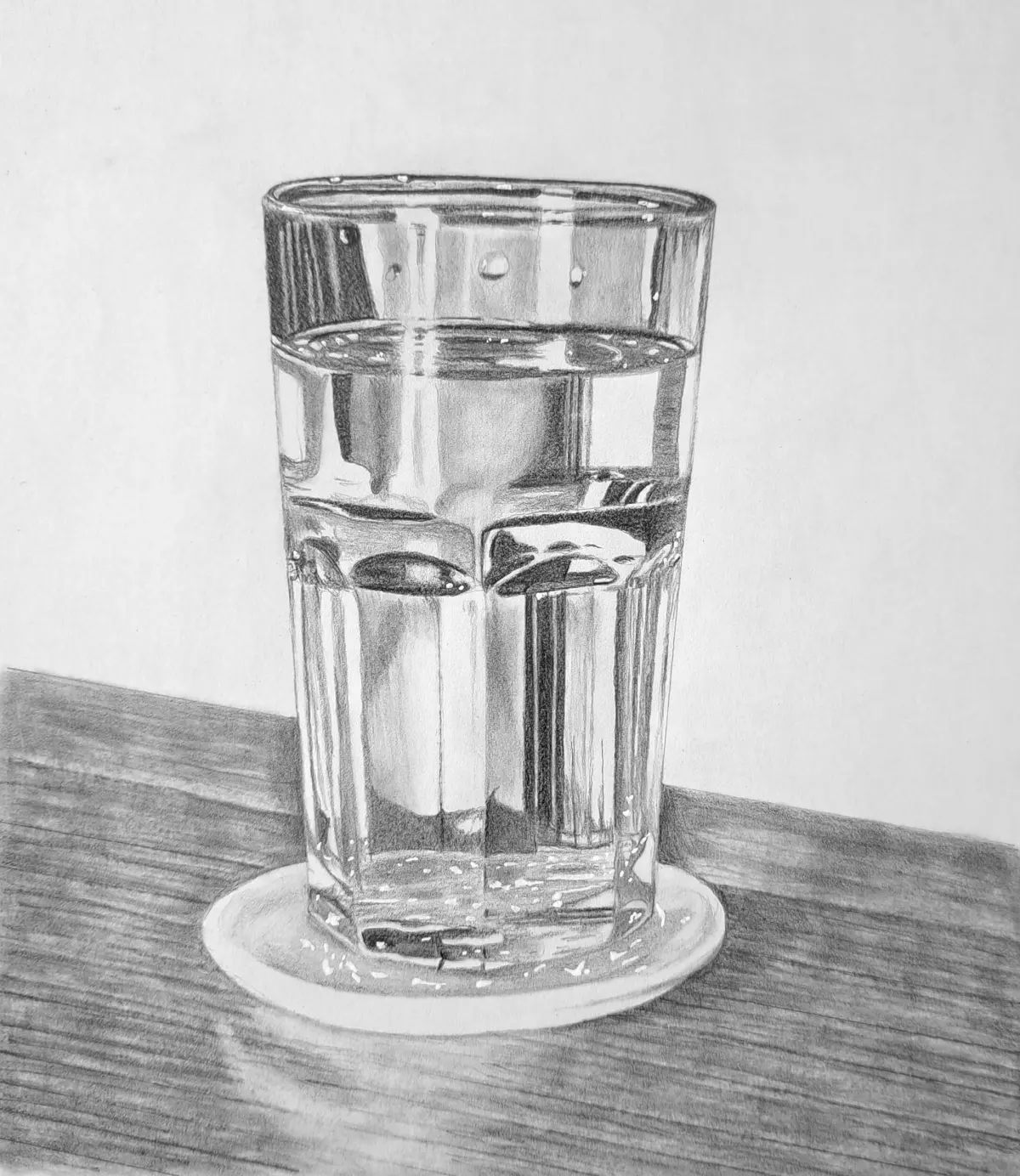
Distinguishing museum glass from standard or non-glare glass is relatively straightforward if you know what to look for. When you hold a piece of standard glass at an angle, you will see a bright, mirror-like reflection of your surroundings. Non-glare glass, which is often etched to scatter light, will appear slightly blurry or "milky" when viewed from a distance. Museum glass, however, remains crisp and clear regardless of the viewing angle.
To verify the quality of your glazing, follow these steps:
- Place the glass in a room with a single light source, such as a lamp.
- View the glass from an angle; look for a faint, often purple or blue, sheen on the surface, which indicates the presence of anti-reflective coatings.
- Observe the clarity of an object placed directly behind the glass; if it looks as sharp as it would without any glass present, it is likely high-quality museum-grade glazing.
- Check for the absence of a "hazy" or "frosted" appearance that is characteristic of cheaper, etched glass products.
Common mistakes when cleaning museum glass
Because museum glass relies on a delicate optical coating, improper maintenance can permanently damage the surface. Many owners make the mistake of using standard household glass cleaners, which often contain ammonia or vinegar. These chemicals can streak or even degrade the anti-reflective layers over time, leading to a cloudy appearance that cannot be repaired.
To keep your glass in pristine condition, avoid these common errors:
- Using paper towels, which contain wood fibers that can create microscopic scratches on the coating.
- Spraying cleaner directly onto the glass, which allows liquid to seep into the frame and damage the artwork inside.
- Applying excessive pressure while wiping, which can rub off the protective optical layers.
- Using abrasive sponges or cloths that have been previously used with harsh chemicals.
Instead, use a soft, lint-free microfiber cloth and a dedicated, ammonia-free glass cleaner. Always spray the cloth lightly, never the glass itself, and wipe in gentle, circular motions to remove dust or fingerprints.
Is museum glass worth the investment?
The decision to upgrade to museum glass depends largely on the value and longevity of the item being framed. While it is significantly more expensive than standard float glass or acrylic, it is an investment in the long-term preservation of your collection. For items of high monetary or sentimental value, the cost is often justified by the prevention of damage that would otherwise require expensive professional restoration.
Consider the following factors when deciding if the upgrade is necessary:
- The replacement cost of the artwork if it were to fade or degrade.
- The amount of direct or ambient sunlight in the room where the item will be displayed.
- The desire for an unobstructed viewing experience in a gallery or home setting.
- The historical significance of the piece, which may necessitate archival-grade storage and display standards.
If you are framing a mass-produced poster, standard glass is likely sufficient. However, for original art, family heirlooms, or signed documents, museum glass provides the necessary defense against the inevitable passage of time.
Key facts
- Museum glass is a specialized glazing material treated with an anti-reflective coating to reduce glare to less than 1 percent.
- It provides up to 99 percent protection against harmful ultraviolet (UV) radiation, which prevents artwork from fading or yellowing.
- The glass is typically made of high-quality, low-iron silica to ensure maximum clarity and neutral color transmission.
- To clean museum glass, use a microfiber cloth and a pH-neutral glass cleaner, avoiding ammonia-based products that can strip the coating.
- Never use abrasive paper towels or rough sponges, as these can create micro-scratches that permanently damage the anti-reflective surface.
- When framing, place the coated side facing outward, as the specialty layer is designed to filter light before it touches the artwork.
The bottom line
Museum glass is the gold standard for protecting and displaying artwork, offering unparalleled clarity through its anti-reflective properties and essential UV filtration. By minimizing glare and blocking light-induced degradation, it ensures that pieces remain vibrant for generations. While it requires careful maintenance and a higher initial investment, the visual improvement and preservation benefits make it the preferred choice for collectors and professional framers worldwide.
People also ask
Can I use regular window glass for framing valuable art?
Regular window glass provides no UV protection and creates significant reflections that obscure the artwork. It is best reserved for inexpensive prints where long-term preservation is not a primary concern.
How can I tell if a piece of glass is actually museum-grade?
Museum glass is nearly invisible when viewed head-on and often displays a subtle blue or green sheen when tilted at an angle. If the glass looks like a mirror, it is likely standard float glass.
Does museum glass prevent condensation inside a frame?
No, glass does not regulate humidity or prevent condensation on its own. Proper mounting with spacers to ensure airflow is necessary to prevent mold growth behind the glass.
Is museum glass made of acrylic or actual glass?
While "museum glass" usually refers to mineral glass, there are acrylic equivalents known as museum-grade plexiglass. Acrylic is lighter and shatter-resistant, making it safer for large-scale installations or high-traffic areas.
Why does my museum glass look slightly tinted?
The anti-reflective coating uses thin-film interference to cancel out reflections, which can sometimes result in a faint color cast. This is a normal byproduct of the manufacturing process and is generally imperceptible under proper lighting.
Is it worth the extra cost for home displays?
If you are framing original art, historical documents, or sentimental photographs, the investment is worthwhile to prevent irreversible damage. For mass-produced posters, standard framing materials are usually sufficient.
This answer was created with the help of AI research tools and reference sources. Spotted an error? Let us know — we correct mistakes quickly. See our editorial policy.