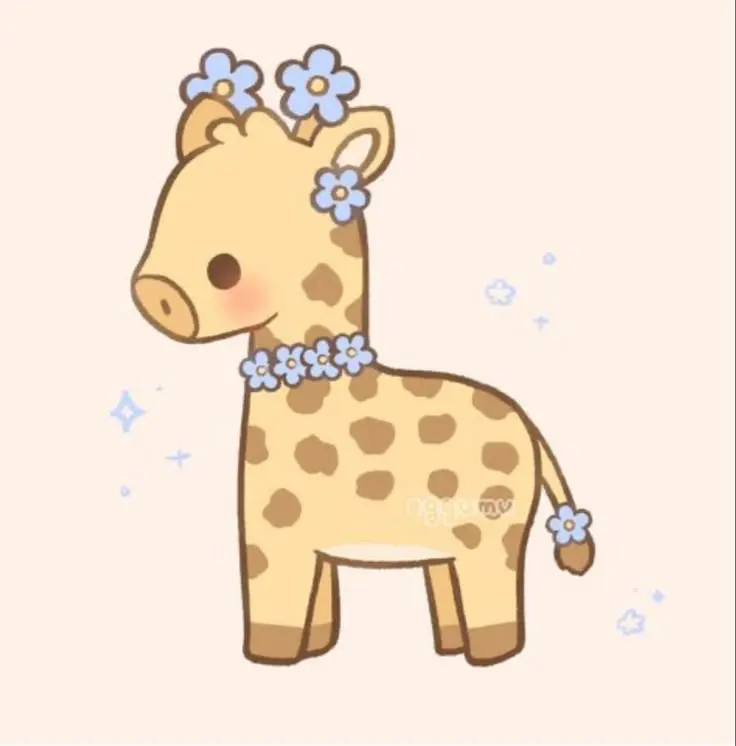
How do you draw a cute bear?
Short answer
Drawing a cute bear relies on using soft, rounded shapes and oversized features. Start with a large circular head and a smaller, oval-shaped snout. By keeping lines curved rather than jagged and placing the eyes slightly below the horizontal midline, you create an endearing, youthful appearance that captures a friendly, approachable character.
On this page
How to draw the basic shapes of a cute bear
Creating a cute bear begins with foundational geometry. Rather than using sharp angles, prioritize circles and ovals to establish a soft silhouette. Start by sketching a large, slightly flattened circle for the head. Beneath this, draw a smaller, horizontal oval for the body. This proportion—a head larger than the torso—is a classic technique in character design to evoke a sense of innocence and youth, similar to the proportions of a human infant.
Once your main shapes are placed, add two smaller circles on top of the head for ears. Position them slightly wider than the edges of the face to give the bear a balanced look. Keep your pencil strokes light during this phase so you can easily erase or adjust the proportions. Remember that the goal is to create a cohesive, rounded form that feels cuddly rather than realistic or intimidating.
Best tools for beginners to use
You do not need professional-grade equipment to start drawing. A standard HB pencil is ideal for sketching, as it allows for light, erasable lines. Pair this with a soft white eraser, which is less likely to smudge your paper than pink rubber erasers. For the final outline, a fine-liner pen or a felt-tip marker with a consistent tip size will provide a clean, bold look that makes the character pop.
When choosing paper, look for a smooth, acid-free sketchbook. Rough paper can catch your pen tip and create jagged lines, which detract from the "cute" aesthetic. If you plan to add color, consider using alcohol-based markers or soft colored pencils, which allow for smooth blending. Follow these steps to prepare your workspace:
- Clear a flat, well-lit surface to avoid shadows.
- Keep a scrap piece of paper nearby to test your pen flow.
- Use a sharpener to maintain a consistent point on your pencil.
- Lay out your materials in order of use to maintain focus.
How to draw the facial features for maximum cuteness
The "cute factor" is primarily determined by the placement and size of the facial features. To achieve this, draw two large, dark circles for the eyes and position them well below the center line of the head. Leave a significant amount of space between the eyes to enhance the wide-eyed, innocent expression. A small, inverted triangle or an oval serves as the nose, placed just below the eye line.
The mouth should be drawn as a simple, curved line extending from the bottom of the nose, often resembling a soft "w" shape. This minimal detail prevents the face from looking cluttered. To add extra charm, include a small highlight—a tiny white circle—inside each eye. This technique, known as the "glint," makes the eyes appear wet and lively. Avoid drawing heavy eyebrows or complex wrinkles, as these add age and seriousness that contradict the intended cute aesthetic.
Common mistakes when drawing cute bears
One of the most frequent errors is making the limbs too thin or long. A cute bear should have stubby, rounded arms and legs that appear soft and plush. If the limbs are too long, the bear will look more like an adult grizzly, which lacks the intended charm. Another common mistake is placing the ears too high or too close together. Ears should be placed on the sides of the head to maintain a wide, friendly profile.
Furthermore, beginners often use heavy, dark outlines for every detail. This can make the drawing feel rigid. Instead, use varied line weights; keep the outer silhouette bold and the inner facial features slightly thinner. This creates depth and keeps the image feeling light. Be careful with the snout size as well; if it is too large, it will dominate the face and hide the eyes. Keep the snout small and rounded to maintain the character's overall balance.
How to add personality with accessories and pose
Once the basic bear is complete, you can enhance its personality through simple poses and accessories. A bear holding a small object, such as a heart, a flower, or a honey pot, immediately tells a story and makes the character more engaging. Keep the pose simple, such as having the arms tucked in front of the body or waving. These gestures imply a friendly interaction with the viewer.
Color choice also plays a significant role in the final result. Soft, warm tones like light browns, creams, or even pastel colors like soft blues and pinks contribute to the overall feeling of comfort. When applying color, use circular shading motions to keep the texture looking soft. If you want to add depth, use a slightly darker shade of your base color to create a small shadow under the chin or near the ears. By focusing on these small, deliberate choices, you turn a simple sketch into a memorable, endearing character that feels complete and full of life.
Key facts
- Start by drawing a large circle for the head and a slightly larger oval for the body to establish proportions.
- Use two smaller circles at the top corners of the head for ears, ensuring they are symmetrical.
- Place the eyes, nose, and mouth in the lower third of the head circle to create a youthful, "cute" appearance.
- Keep limbs short and rounded to emphasize the bear's cuddly, non-threatening aesthetic.
- Add a small oval patch on the chest or around the muzzle to provide visual contrast and texture.
- Use soft, curved lines instead of sharp angles to make the character look approachable and friendly.
The bottom line
Drawing a cute bear relies on prioritizing rounded shapes and simplified, youthful facial proportions. By keeping the limbs short, the eyes large, and the overall lines soft, you create an approachable character. Avoid overly complex details or sharp angles that might make the bear appear aggressive. With practice, these basic geometric building blocks will allow you to sketch charming, expressive bears with ease and confidence.
People also ask
What is the best pencil to use for sketching a bear?
An HB or 2B pencil is ideal because it allows for light initial sketches that can be easily erased. These pencils provide enough darkness for final outlines without being too difficult to smudge or correct.
How do I make the bear look more like a cartoon?
Exaggerate the size of the eyes and keep the nose small and simple. Large, shiny pupils with white highlights are a classic technique to make any character appear more endearing.
Why does my bear look angry instead of cute?
You likely placed the eyebrows too low or angled them toward the nose. To fix this, raise the eyebrows or curve them upward to create a surprised or happy expression.
Should I use fur texture in my drawing?
Avoid drawing individual hairs, as this can make the bear look messy. Instead, use soft, jagged lines only at the edges of the limbs to suggest fluffiness without cluttering the design.
How can I make the bear look like it is sitting?
Draw the legs in a "V" shape extending from the bottom of the body oval. Adding rounded foot pads at the bottom of these legs helps ground the character.
What is the most common mistake when drawing bear ears?
Beginners often draw ears that are too large or placed too far down the sides of the head. Keep ears small and position them near the top curve of the head to maintain a balanced look.
This answer was created with the help of AI research tools and reference sources. Spotted an error? Let us know — we correct mistakes quickly. See our editorial policy.