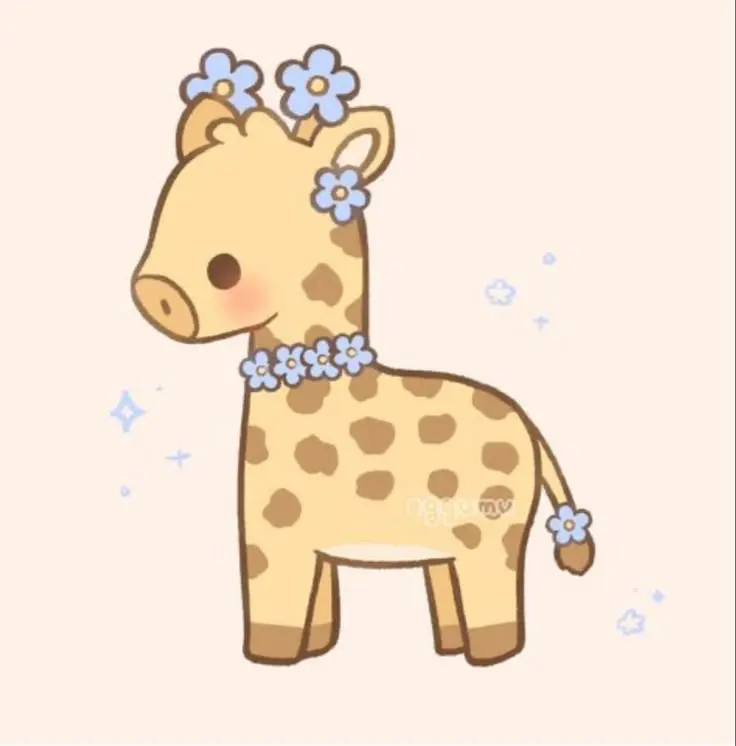
How do you draw a cute elephant?
Short answer
Drawing a cute elephant involves simplifying its anatomy into soft, rounded shapes. Focus on an oversized head, large expressive eyes, and a slightly shorter, curled trunk to emphasize a youthful, cartoonish appearance. By prioritizing these exaggerated proportions over realistic detail, you can create a charming character using basic geometric building blocks.
On this page
How to draw a cute elephant step-by-step
To begin your drawing, focus on the fundamental shapes that define a character’s silhouette. Start by sketching a large circle for the head and a slightly smaller, overlapping oval for the body. These shapes provide a sturdy foundation for the elephant’s bulky frame while keeping the overall look soft and approachable.
Once the main structure is in place, add the limbs and facial features. Keep the legs short and stubby to enhance the "cute" factor, as elongated limbs often look more realistic or mature. Use these steps to guide your initial sketch:
- Draw a large circle for the head and an oval for the body.
- Add two large, rounded triangles on the sides of the head for the ears.
- Sketch a curved, tapering shape extending from the center of the face for the trunk.
- Place two wide-set, large circles for the eyes to create a friendly expression.
- Draw four small, thick cylinders at the bottom of the body for the feet.
Best drawing tools for beginners
For those just starting out, using a graphite pencil with a medium hardness, such as an HB or 2B, is ideal. These pencils allow for light initial sketches that are easy to erase if you make a mistake. Using a high-quality eraser, preferably a kneaded one, will help you lift away graphite without damaging the texture of the paper.
As you gain confidence, you may want to transition to pens or markers to finalize your lines. Fine-liner pens with varying tip sizes allow you to create clean, bold outlines that make your character pop. Consider these essential supplies for your kit:
- HB graphite pencils for sketching and layout.
- A kneaded eraser for precision cleanup.
- Smooth-surface drawing paper to prevent smudging.
- Fine-tip black markers for outlining the final design.
- Colored pencils or markers for adding soft, pastel highlights.
Why proportions matter for cuteness
The concept of "cuteness" in drawing is often tied to the "baby schema," a set of physical features that trigger a nurturing response. By exaggerating certain traits, such as a larger head-to-body ratio and bigger eyes, you tap into these biological instincts. An elephant with a small head and long legs will look like a realistic adult, whereas a large head with big, glassy eyes will appear inherently infantile and endearing.
When drawing the trunk, keep it relatively short and slightly curled upward. A long, straight trunk can look aggressive or too realistic, which detracts from the whimsical quality you are trying to achieve. Similarly, making the ears disproportionately large—almost like oversized fans—adds a sense of vulnerability and charm. Balancing these exaggerated features against a compact, rounded body is the secret to creating a character that feels both balanced and undeniably adorable.
Common mistakes when drawing elephants
A frequent error is drawing the elephant’s legs too thin or spindly. Elephants are naturally heavy, sturdy creatures, and even in a cartoon style, their legs should convey a sense of weight. If the legs are too narrow, the character will look fragile rather than solid and huggable. Ensure the feet are wide and rounded to maintain the character's stability and overall aesthetic.
Another common pitfall is over-detailing the skin. In a cute illustration, adding too many wrinkles or skin folds can make the elephant look aged or weary. Instead, focus on smooth, clean lines that emphasize the roundness of the shapes. If you feel the need to show texture, add a few subtle, short lines only at the joints or the tip of the trunk. Keeping the surface area clear and simple helps the viewer focus on the character’s expressive face rather than anatomical complexity.
How to add personality to your elephant
Once you have mastered the basic form, you can inject personality through minor adjustments to the facial features. Changing the shape of the eyebrows or the curve of the mouth can instantly shift the elephant’s mood from happy to curious or shy. Tilting the head slightly to one side often makes a character appear more engaging and inquisitive to the viewer.
Color choice also plays a significant role in how the final drawing is perceived. While elephants are naturally gray, using soft shades of blue, lavender, or even warm gray can make the character feel more inviting. You can also add simple accessories, such as a small bow or a flower, to further define the character's identity. By experimenting with these small details, you transform a generic drawing into a unique, memorable character that stands out with its own distinct charm and personality.
Key facts
- Use soft, rounded shapes like circles and ovals to create a sense of cuteness.
- Draw the body as a large, slightly pear-shaped oval to anchor the figure.
- Keep the eyes large and placed low on the head to emphasize a youthful, innocent appearance.
- Simplify the trunk into a gentle "S" curve rather than adding complex wrinkles.
- Make the ears disproportionately large, as oversized features are a hallmark of "chibi" or cute design.
- Use thick, bold outlines for the main body and thinner lines for internal details like toes.
The bottom line
To draw a cute elephant, focus on exaggerating youthful proportions by using large, rounded shapes and oversized ears. Keep your lines smooth and avoid unnecessary details like heavy skin folds or complex anatomy. By placing the eyes low on the head and curling the trunk upward, you create an approachable, friendly character. Practice these simple, rounded forms to master the balance between simplicity and charm in your illustrations.
People also ask
Why do larger eyes make a drawing look cuter?
Large eyes trigger a biological response associated with infant features, which humans are naturally wired to perceive as endearing. This is a common technique in character design known as the "baby schema."
Should I use straight or curved lines for a cute elephant?
Always prioritize curves over straight lines. Sharp angles create a sense of aggression or realism, while smooth, rounded lines feel soft, approachable, and friendly.
How do I make the trunk look expressive?
Position the trunk pointing upward or curled into a loop to suggest playfulness. Avoid drawing it hanging straight down, which can make the character look sad or tired.
What is the best way to draw elephant feet?
Draw simple, thick cylinders or semi-circles at the base of the legs. Adding two or three small, shallow notches at the bottom is enough to represent toenails without cluttering the design.
How much detail should I include in the skin?
Keep the skin texture smooth and clean. Adding too many wrinkles or folds will make the elephant look old or realistic rather than cute and cartoonish.
What color palette works best for a cute elephant?
Soft, desaturated colors like light gray, periwinkle, or pastel blue work best. Avoid harsh, dark grays, as they can make the drawing feel heavy and somber.
This answer was created with the help of AI research tools and reference sources. Spotted an error? Let us know — we correct mistakes quickly. See our editorial policy.