How do you draw monsters?
Short answer
Drawing monsters involves combining familiar animal anatomy with exaggerated, unsettling features. Start by sketching basic geometric shapes to establish a silhouette, then layer on textures like scales or fur. Focus on asymmetry and distorted proportions to create a sense of unease, ensuring the creature’s design reflects its specific environment and behavior.
On this page
How to design a monster from scratch
The most effective monster designs begin with a clear concept rather than random scribbles. Start by determining the creature’s habitat, as this dictates its physical traits. A cave-dwelling monster might lack eyes but possess sensitive antennae, while a swamp predator might feature camouflage-patterned skin and webbed limbs. Sketching simple silhouettes allows you to experiment with unique shapes before committing to fine details.
Once you have a silhouette, focus on the "readability" of the design. A good monster should be instantly recognizable even as a shadow. Use the following steps to build your foundation:
- Define the creature’s primary function, such as hunting, hiding, or scavenging.
- Select a base animal template, like a feline, insect, or reptile, to ground the anatomy in reality.
- Distort one or two features, such as lengthening the limbs or adding extra joints, to make the creature feel otherworldly.
- Establish a focal point, such as a glowing organ or a massive set of mandibles, to draw the viewer’s eye.
Best drawing techniques for beginners
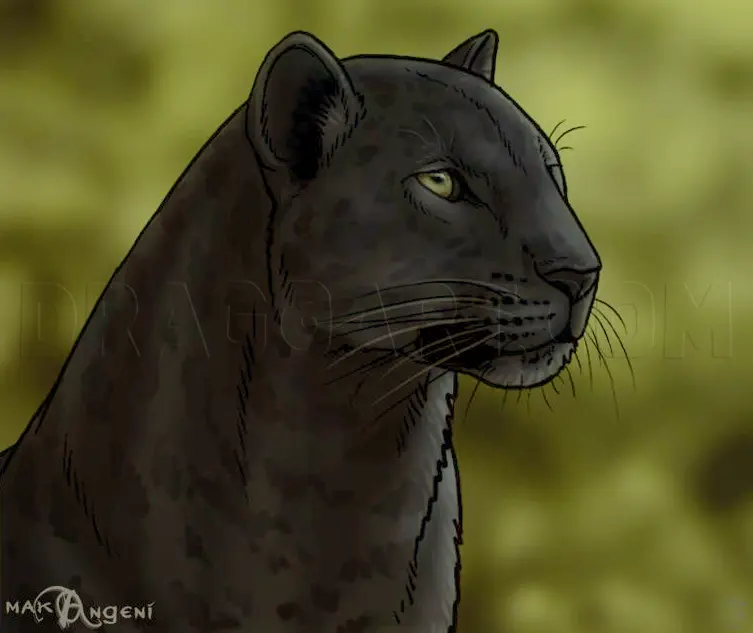
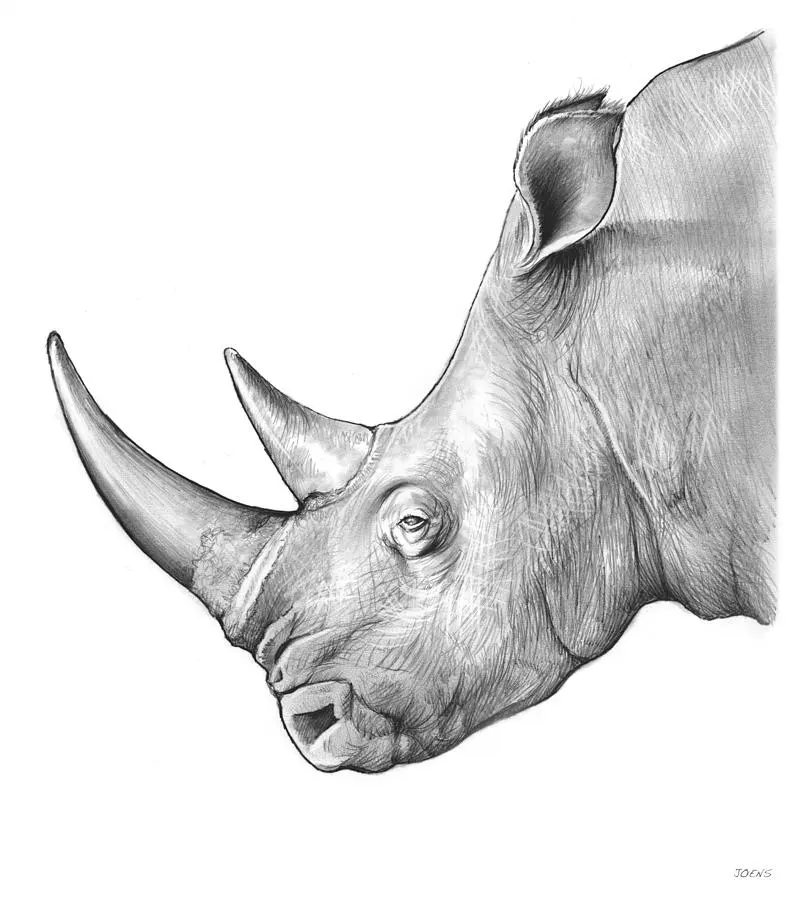
Beginners often struggle with making a monster look "real." The secret lies in using anatomy as a anchor. Even if you are drawing a multi-headed hydra or a floating orb, look at reference photos of real animals to understand how muscles, skin, and bone connect. This adds a layer of biological plausibility that makes the creature feel dangerous rather than just messy.
When adding detail, think about how the monster interacts with its world. Consider these elements to enhance your drawing:
- Texture: Use short, jagged strokes for fur, smooth gradients for slimy skin, or cross-hatching for chitinous armor.
- Weight: Ensure the limbs look capable of supporting the creature's body mass.
- Expression: Use the placement of eyes and the shape of the mouth to convey intelligence, hunger, or mindless aggression.
- Lighting: Determine a single light source to create deep shadows, which naturally hide details and increase the mystery of the design.
Why monster anatomy looks distorted
The sense of "uncanny valley" or fear often comes from asymmetry. In nature, most animals are symmetrical, which our brains perceive as safe or predictable. By intentionally breaking this symmetry—such as giving a monster one oversized claw, a crooked jaw, or eyes of different sizes—you trigger a primal response of unease in the viewer. This is a classic technique used by creature designers in cinema to make monsters feel wrong.
Another reason for distortion is the adaptation to extreme environments. If a monster lives in high-pressure deep-sea trenches, it might have a translucent, gelatinous body. If it lives in a volcanic region, it might have heat-resistant, rock-like plates. By pushing these adaptations to an extreme, you create a creature that looks like it has survived a harsh reality. Always ask yourself if the distortion serves a purpose, as purposeful design is always more compelling than random spikes or limbs.
Common mistakes when drawing monsters
One of the most frequent errors is over-complicating the design. Beginners often try to add every possible scary feature, such as wings, horns, tails, and tentacles, all at once. This results in a cluttered image that loses its impact. Instead, choose one or two primary traits and emphasize them. A monster with only one giant, weeping eye is often far more terrifying than one with twenty eyes scattered randomly across its face.
Another common mistake is neglecting the creature's pose. A static, upright monster often looks like a statue. To make your drawing dynamic, try the following:
- Use a "line of action" to give the body a sense of movement or tension.
- Place the creature in a specific action, such as pouncing, stalking, or feeding.
- Vary the thickness of your lines to show depth and weight, using thicker lines for foreground elements and thinner lines for distant parts.
- Avoid perfectly straight lines, as organic creatures are composed of curves and irregular shapes.
How to add personality to your creature
A monster is more than just a collection of scary parts; it is a character with a history. You can convey this through subtle environmental storytelling. If your monster has scars, missing teeth, or torn ears, it suggests a life of conflict and survival. If it wears scavenged armor or carries tools, it implies a level of intelligence or social structure. These details invite the viewer to imagine the creature's story.
Finally, consider the color palette to influence the mood. Muted, earthy tones suggest a creature that blends into its environment, while bright, saturated colors often warn of toxicity or aggression. Experiment with high-contrast patterns to make the creature stand out or low-contrast schemes to make it blend into the shadows. By combining these artistic choices with your anatomical research, you can create a monster that feels like a living, breathing part of a dark and fascinating world.
Key facts
- Start by sketching basic geometric shapes like spheres, cubes, and cylinders to establish the creature's volume and posture.
- Use asymmetrical features, such as uneven horns or mismatched limbs, to make a monster appear more organic and unpredictable.
- Study anatomy books on reptiles, insects, and deep-sea fish to create realistic biological textures like scales, chitin, or slime.
- Vary the silhouette of your creature by using exaggerated proportions, such as oversized claws or an elongated neck, to make it instantly recognizable.
- Incorporate "negative space" by adding gaps or holes in the monster's body, which adds intrigue and breaks up solid forms.
- Avoid making the creature look too human by adjusting the eye placement, such as moving them to the sides of the head or adding extra sets.
The bottom line
Drawing compelling monsters requires a balance between imaginative flair and biological logic. By utilizing foundational geometric shapes, referencing real-world animal anatomy, and carefully considering the creature’s environment, you can create designs that feel both unique and grounded. Focus on silhouette clarity and purposeful texture to ensure your creation is memorable. With practice, these techniques will allow you to construct terrifying and creative beings with confidence.
People also ask
How can I make my monster look more frightening?
Focus on exaggerated predatory features like jagged teeth, multiple eyes, or sharp, elongated limbs. Using a dark, high-contrast color palette can also heighten the sense of dread and mystery.
Should I use a reference when drawing monsters?
Yes, professional artists frequently use references from nature to ground their designs in reality. Combining the features of a bat, a crab, and a snake often results in a more convincing creature than drawing from memory alone.
What is the best way to design a creature's skin or texture?
Think about the environment where the monster lives. A creature from a swamp might have wet, bumpy skin, while one from a desert would likely have dry, armored plates or thick, leathery hide.
How do I choose the right color scheme for a monster?
Use bright, saturated colors to signal danger or toxicity, similar to patterns found in venomous snakes or frogs. Alternatively, use muted, earthy tones if you want the monster to blend into its surroundings for a stealthy look.
How do I give a monster a sense of personality?
Use facial expressions and body language to imply intelligence or aggression. A monster that is hunched over with its ears pinned back suggests fear or caution, while an upright posture with wide eyes suggests curiosity or predatory focus.
What are common mistakes beginners make when drawing monsters?
A common error is neglecting the creature's skeletal structure, which makes the monster look like it lacks internal support. Another mistake is overcomplicating the design with too many spikes or patterns, which can overwhelm the viewer's eye.
This answer was created with the help of AI research tools and reference sources. Spotted an error? Let us know — we correct mistakes quickly. See our editorial policy.