How do you draw a stylized animal?
Short answer
Drawing a stylized animal involves simplifying complex biological forms into essential geometric shapes and expressive lines. By identifying the core silhouette, exaggerating key physical traits, and removing unnecessary anatomical detail, you create a recognizable character. Focus on gesture, personality, and clean linework to transform realistic subjects into unique, artistic interpretations.
On this page
How to simplify animal anatomy into basic shapes
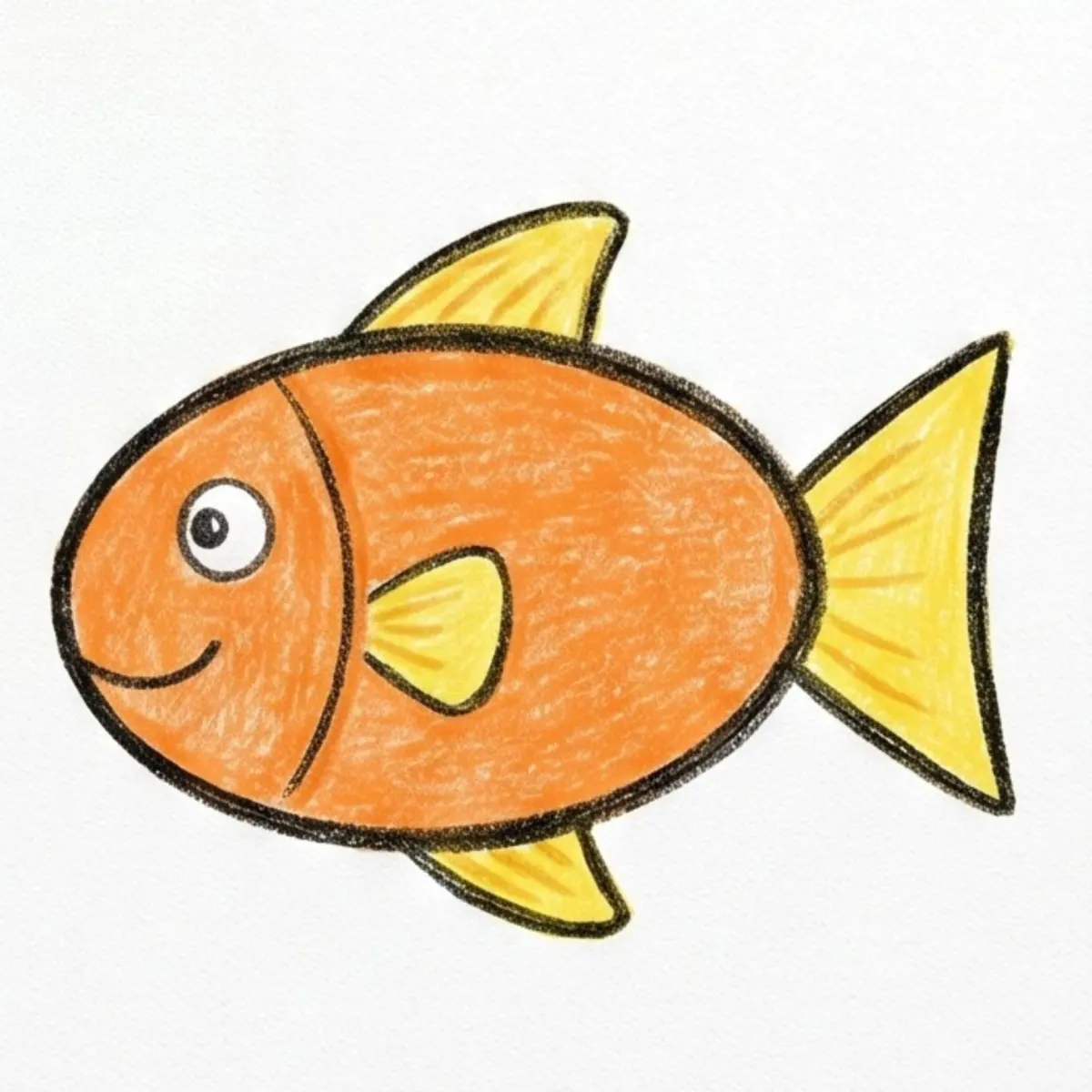
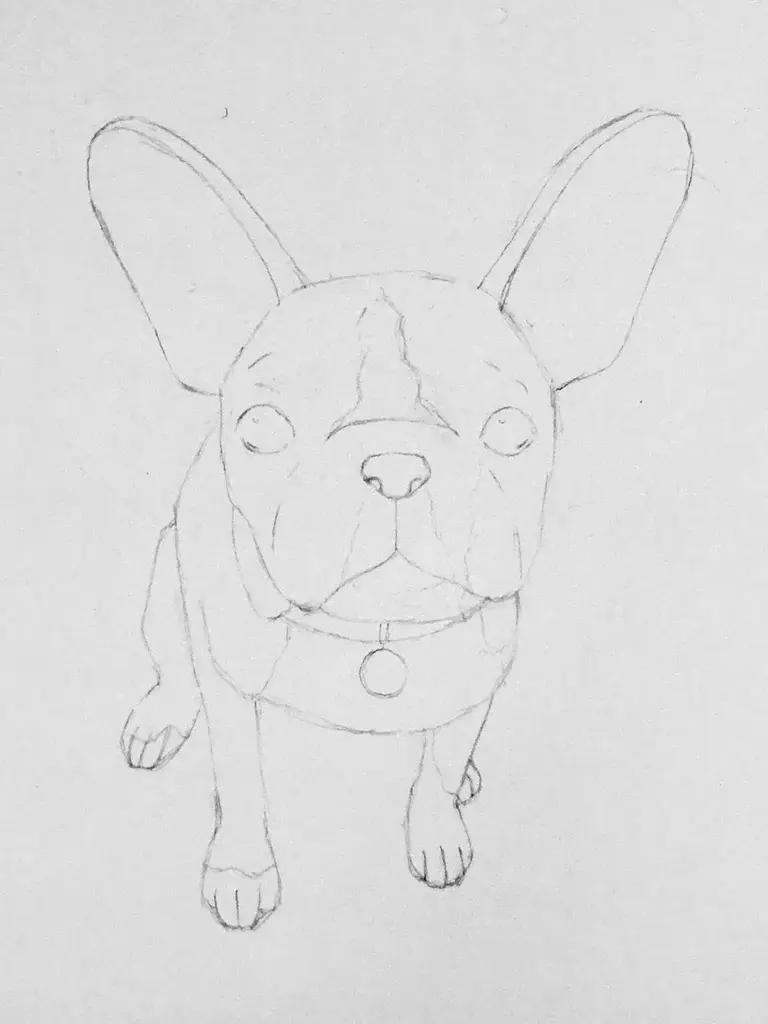
The foundation of any stylized drawing is the process of abstraction. Instead of focusing on individual hairs or complex muscle groups, look at the animal as a collection of simple geometric primitives like spheres, cylinders, and cubes. For instance, a cat can be reduced to a circular head, an oval torso, and tubular limbs. By breaking the subject down into these manageable components, you establish a sturdy framework that maintains the correct proportions while allowing for creative flexibility.
Once you have established these basic shapes, you can manipulate them to convey movement or personality. If you want to draw a fast or energetic animal, elongate the ovals to suggest speed; if you want a sturdy or grumpy character, use heavy, square-like forms. This technique ensures that your stylized animal remains grounded in reality even when it is highly abstracted.
- Observe the subject and identify its primary volumes.
- Sketch these volumes lightly using basic shapes.
- Connect the shapes with fluid, continuous lines.
- Refine the outline to emphasize the animal's signature silhouette.
Best techniques for exaggerating character features
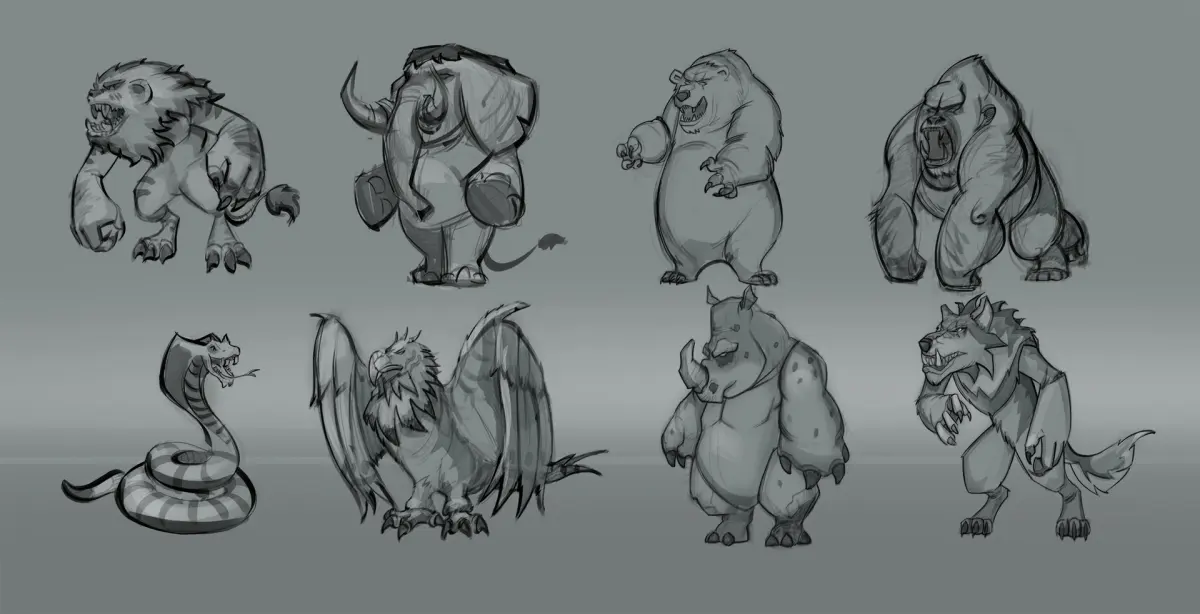
Stylization thrives on the principle of exaggeration, which helps define a character's personality at a glance. Identify the most distinct feature of the animal—such as the long neck of a giraffe, the oversized ears of a fennec fox, or the bushy tail of a squirrel—and amplify it. By pushing these proportions to an extreme, you create a clear visual hook that makes the drawing more memorable and expressive than a realistic study.
When exaggerating, it is important to maintain a sense of balance so the character does not look broken. If you make the head significantly larger, ensure the neck or body can logically support it within your stylized logic. This "caricature" approach is standard in animation and illustration design, where the goal is to communicate the essence of the creature immediately.
- Focus on the eyes to convey emotion or intelligence.
- Use posture to tell a story about the animal's mood.
- Simplify paws and feet into rounded shapes rather than individual toes.
- Vary line thickness to create a sense of depth and weight.
Why silhouette is critical for stylized animals
A strong silhouette is the hallmark of professional character design. If you were to fill your drawing with solid black, the animal should still be instantly recognizable based on its outline alone. This clarity is achieved by avoiding "tangents," where lines accidentally touch, and by ensuring that the limbs and features are clearly separated from the main body mass. A clear silhouette allows the viewer to understand the pose and action without needing internal details.
To test your silhouette, try squinting at your drawing or flipping the canvas horizontally to spot awkward gaps or cluttered areas. If the outline is muddy, simplify the shapes further by removing overlapping elements or adjusting the limb positions. A well-designed silhouette acts as a roadmap for the viewer's eye, guiding them to the most important parts of the animal's form.
Common mistakes when drawing stylized animals
One of the most frequent errors beginners make is over-detailing the drawing too early in the process. Adding fur texture, whiskers, or complex skin folds before the underlying structure is solid often leads to a messy and confusing result. Stylization is about subtraction, not addition; if a detail does not contribute to the character's personality or silhouette, it should be removed. Focus on the "big picture" before worrying about the fine points.
Another common mistake is failing to maintain consistent proportions across different poses. Even in a stylized world, the character must feel like it occupies a physical space. If the head size changes drastically between a standing pose and a sitting pose, the audience will lose their suspension of disbelief. Keep a reference sheet of your character’s basic proportions to ensure that the stylistic choices remain consistent throughout your work.
How to develop your own unique style
Developing a personal style is a gradual process of experimentation and refinement. Start by studying the works of various illustrators, animators, and comic book artists to see how they interpret different animal forms. Notice how some artists prefer sharp, angular lines, while others lean toward soft, organic curves. By mixing these influences and incorporating your own preferences, you will eventually discover a visual language that feels authentic and distinct.
Practice is the only way to solidify your style. Try drawing the same animal in five different ways: one using only straight lines, one using only curves, one with exaggerated proportions, one with minimal detail, and one with a focus on fluid movement. This exercise reveals which visual elements resonate most with you. Over time, these individual experiments will coalesce into a cohesive style that allows you to draw any animal with a recognizable, personal flair that sets your work apart from others.
Key facts
- Simplify complex anatomy into basic geometric shapes like circles, triangles, and rectangles.
- Exaggerate one or two specific features, such as large ears or long legs, to create a distinct character.
- Use a consistent line weight to keep the design clean and readable.
- Limit your color palette to three or four harmonious hues to prevent visual clutter.
- Focus on the "line of action," an imaginary curve that dictates the flow and energy of the animal's pose.
- Remove unnecessary details like individual fur strands, focusing instead on the overall silhouette.
The bottom line
Drawing stylized animals is a process of deliberate simplification and character design. By breaking down complex biological forms into fundamental geometric shapes and exaggerating key physical traits, you create a memorable and expressive representation. Focus on capturing the essence of the creature through a strong silhouette and fluid motion. With consistent practice and careful observation of nature, you can develop a unique visual style that elevates your artwork.
People also ask
How do I choose which features to exaggerate?
Identify the animal's most recognizable trait, such as a giraffe's neck or a rabbit's ears. Emphasizing these characteristics makes the animal instantly identifiable even when the design is highly abstract.
Should I use reference photos when drawing stylized animals?
Yes, always study real animals first to understand their skeletal structure and movement. Once you grasp the reality of the creature, you can effectively distort it without losing its essential identity.
What is the best way to practice stylization?
Try drawing the same animal ten times, each time changing one specific element like the head size or limb length. This repetition helps you discover which proportions feel most appealing and expressive.
Does stylization mean the drawing has to look cartoonish?
Not necessarily, as stylization can also lean toward minimalism or elegant, flowing lines. The goal is to interpret the subject through a specific aesthetic lens rather than replicating a photograph.
How do I make a stylized animal look like it is in motion?
Focus on the curve of the spine and the placement of the joints. A dynamic pose relies on tension and balance, so ensure the weight of the animal feels grounded in its environment.
Can I use different styles for different animals in the same scene?
It is generally better to keep a consistent visual language across your work to maintain a cohesive style. Using uniform line quality and shading techniques ensures that all characters look like they belong in the same world.
This answer was created with the help of AI research tools and reference sources. Spotted an error? Let us know — we correct mistakes quickly. See our editorial policy.