
Science & Nature
What colors can dogs see?
Dogs see the world primarily in shades of blue and yellow, a spectrum known as dichromatic vision. Unlike humans, who possess…
Animals, plants, the human body, space and how the natural world works.
Dogs see the world primarily in shades of blue and yellow, a spectrum known as dichromatic vision. Unlike humans, who possess…
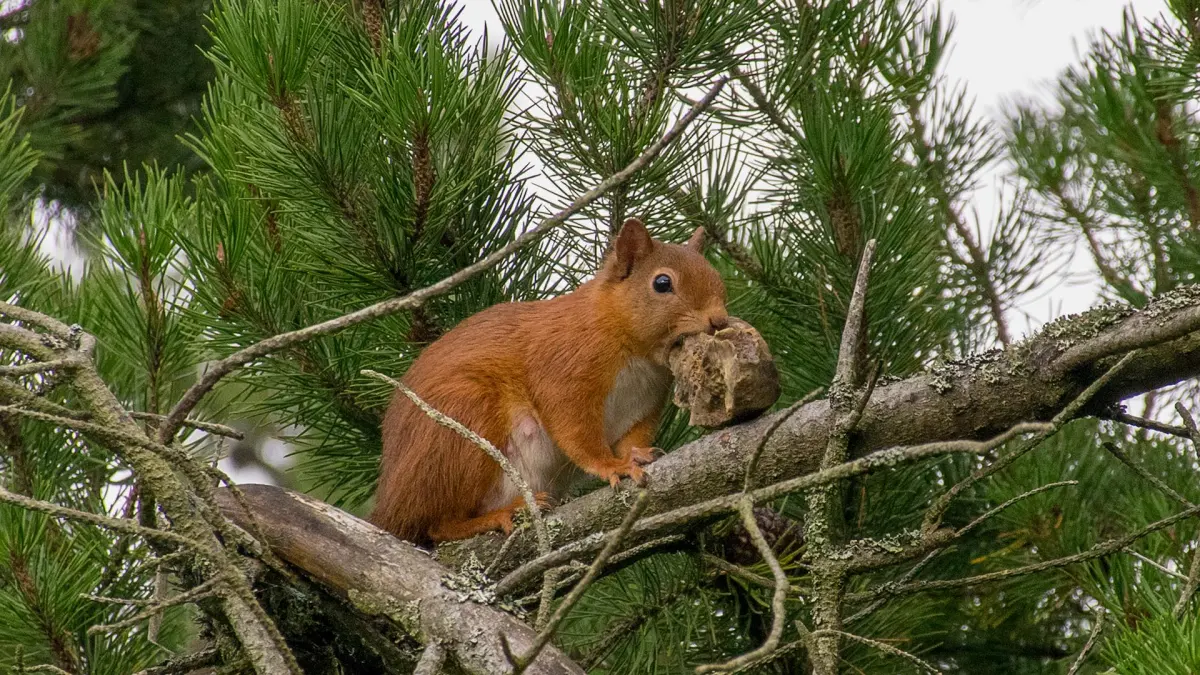
Squirrels are opportunistic omnivores that primarily consume plant-based foods like nuts, seeds, fruits, and fungi. While they…
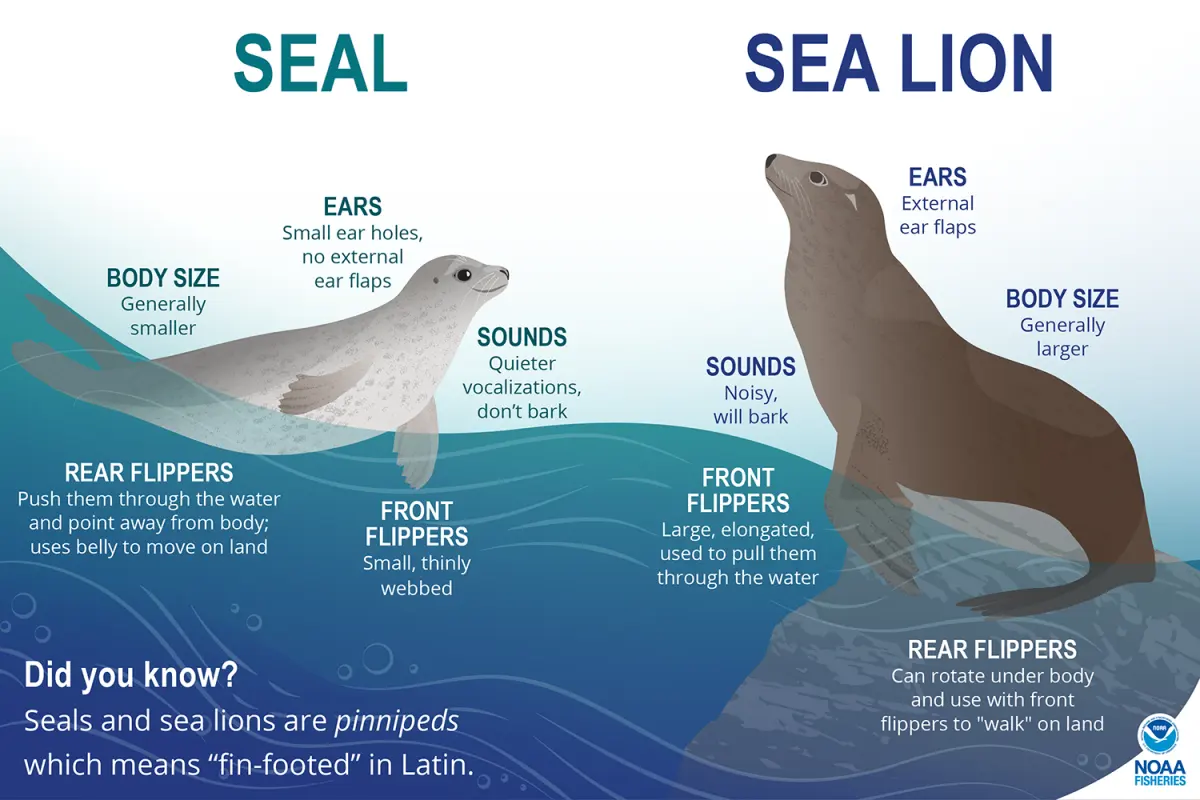
Seals and sea lions are both pinnipeds, but they belong to different families. True seals lack external ear flaps, have small…

A baby cat is called a kitten. This term applies from birth until the animal reaches maturity, typically around one year of age…
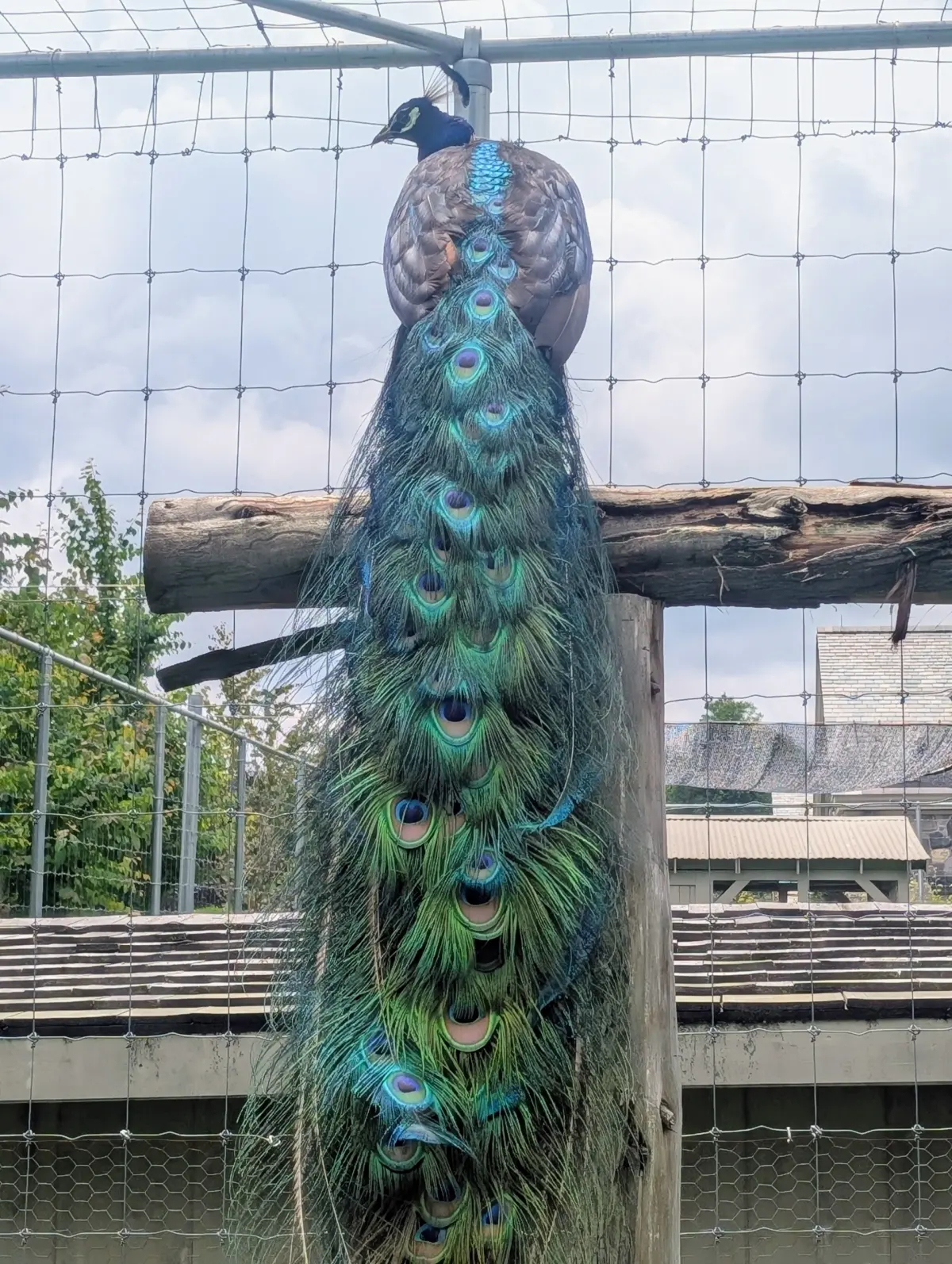
Peacocks, more accurately called peafowl, vary significantly in size based on their species and gender. Males of the common…
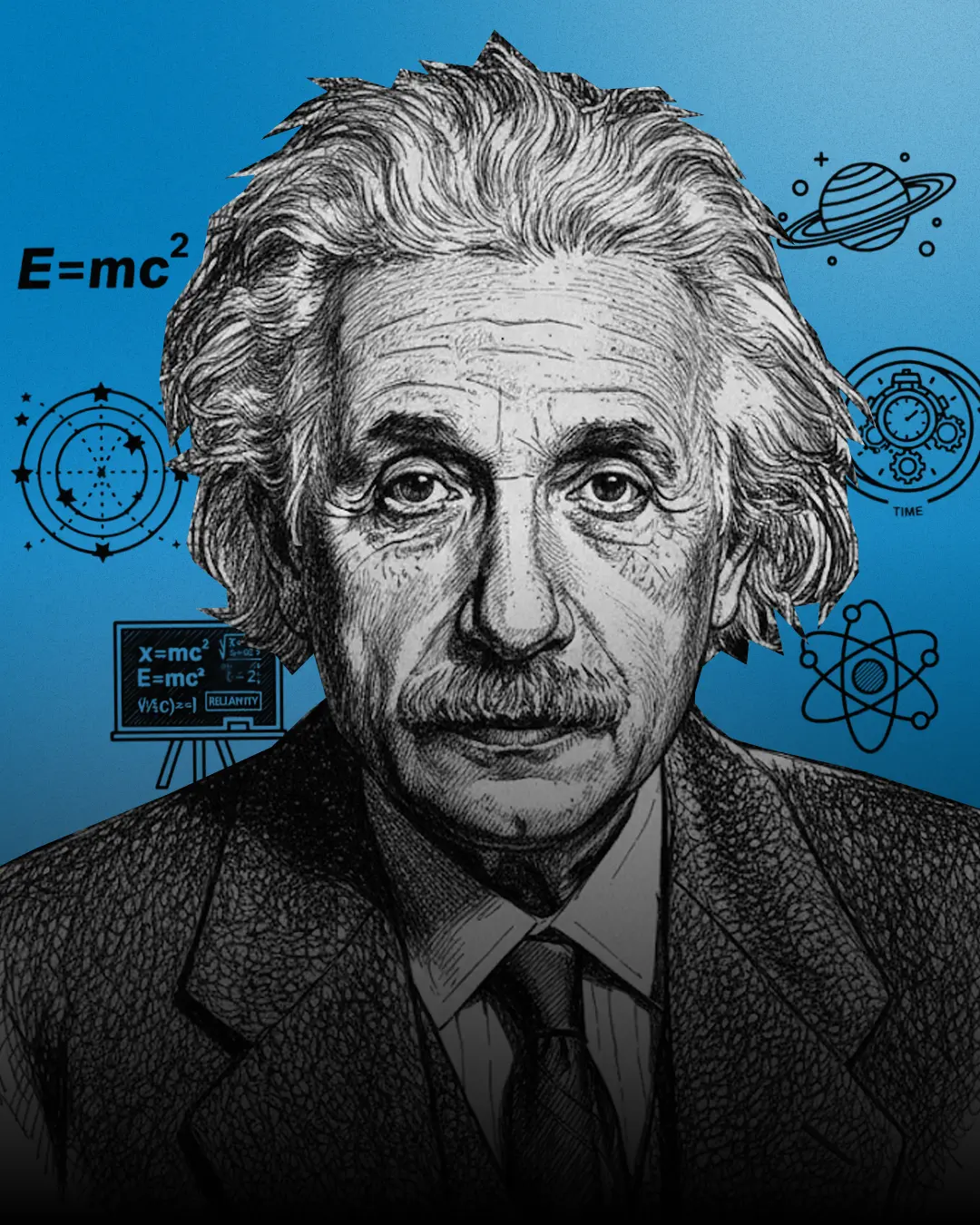
Albert Einstein was a German-born theoretical physicist who revolutionized our understanding of the universe. Best known for his…

Solar panels convert sunlight into electricity using the photovoltaic effect. When photons from sunlight strike silicon cells…
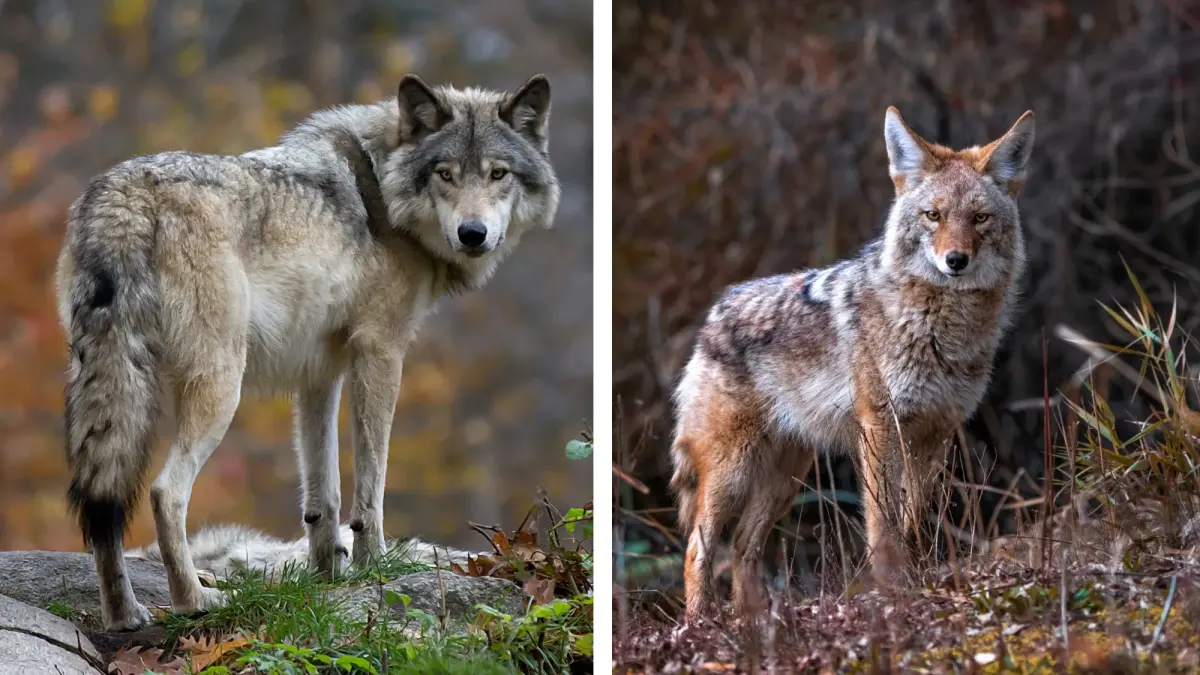
Wolves and coyotes are distinct members of the Canidae family, differing primarily in size, social structure, and physical…
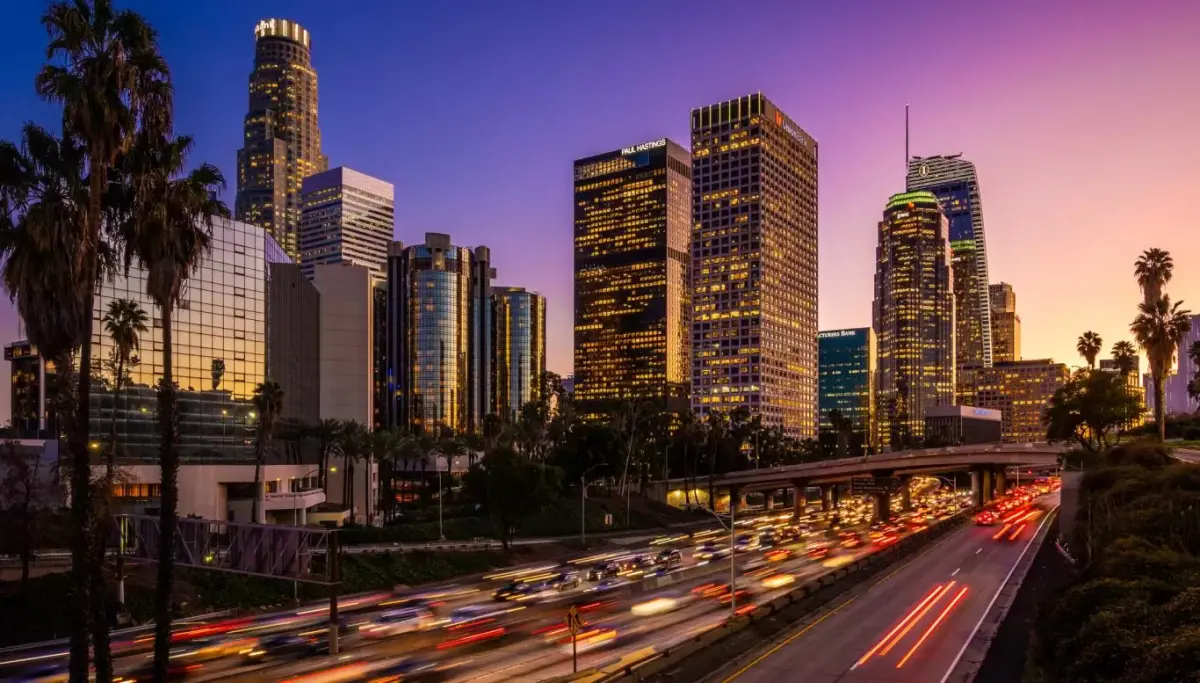
Los Angeles is globally renowned as the epicenter of the entertainment industry, particularly Hollywood. Beyond film and…
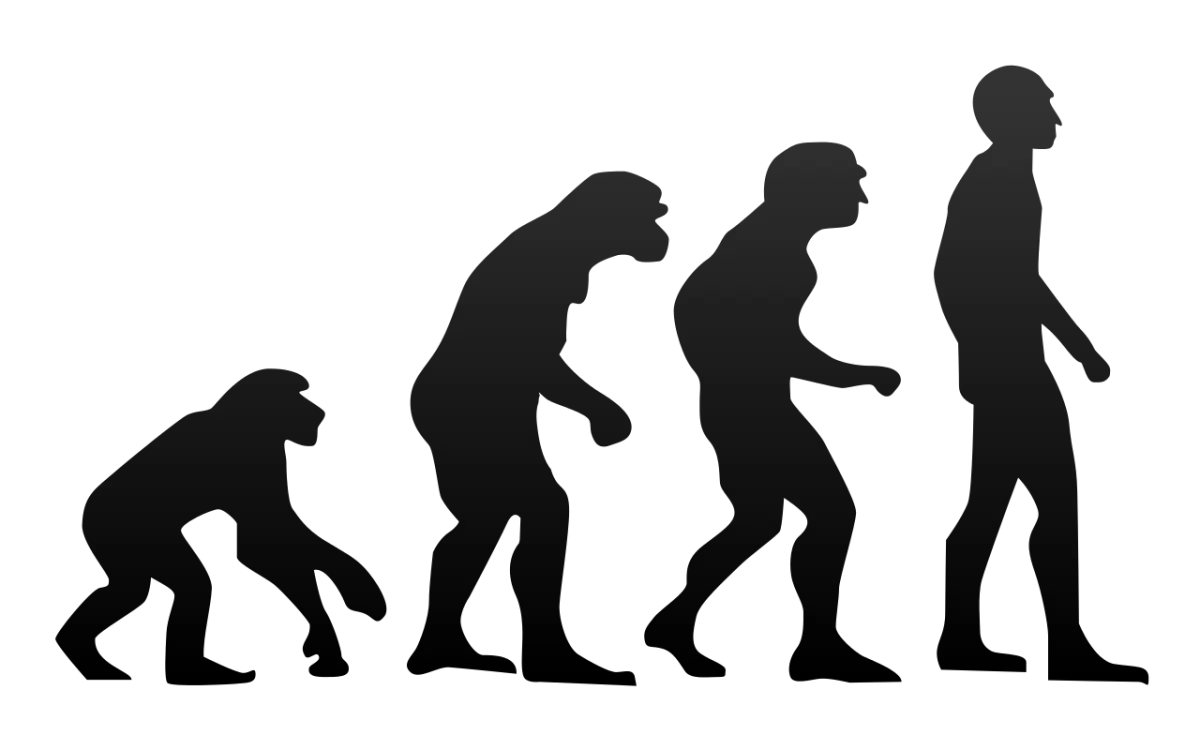
Evolution is the process by which populations of living organisms change over successive generations through genetic variation…
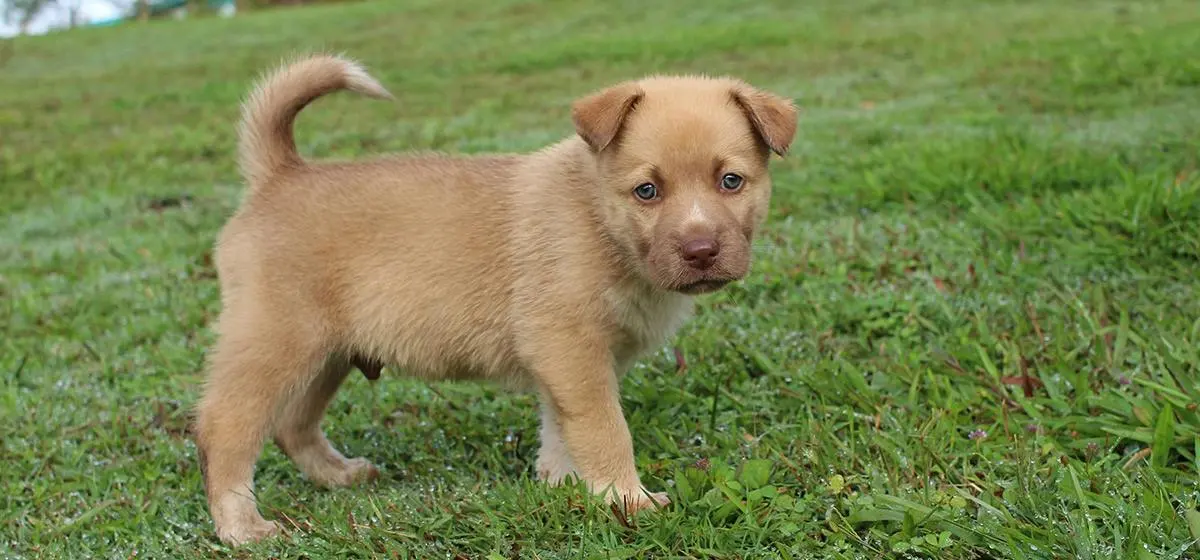
Most dogs live between 10 and 13 years, though lifespans vary significantly based on breed, size, and genetics. Smaller breeds…
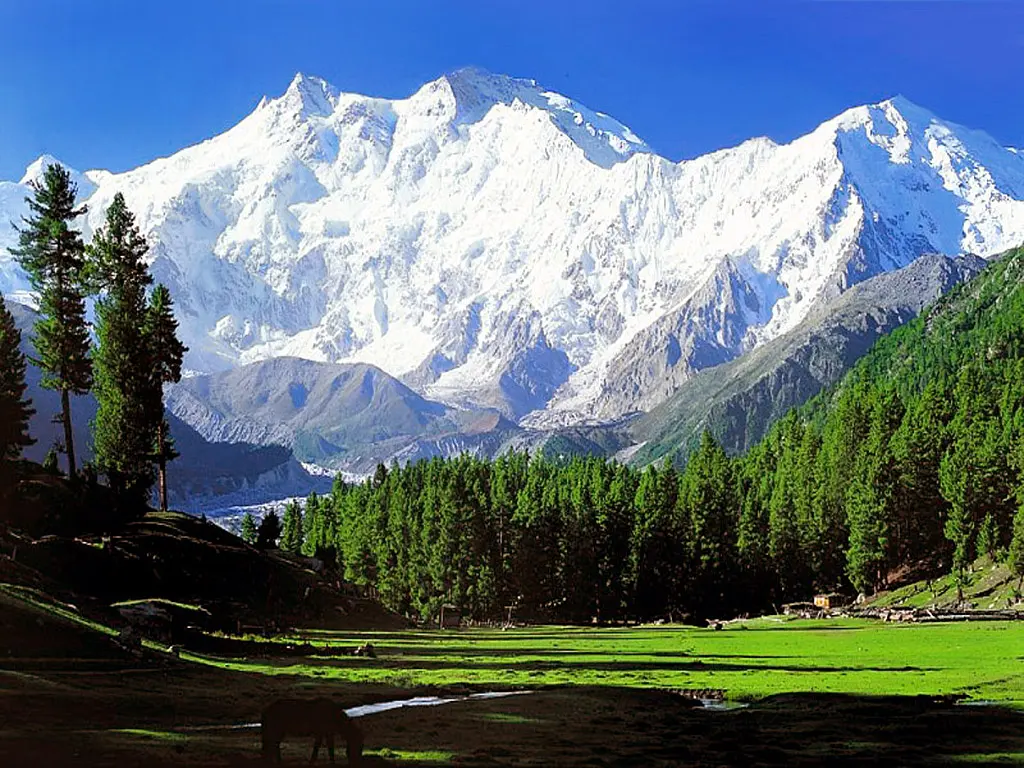
Mount Everest is the tallest mountain in the world when measured by elevation above sea level, reaching 29,032 feet (8,849…
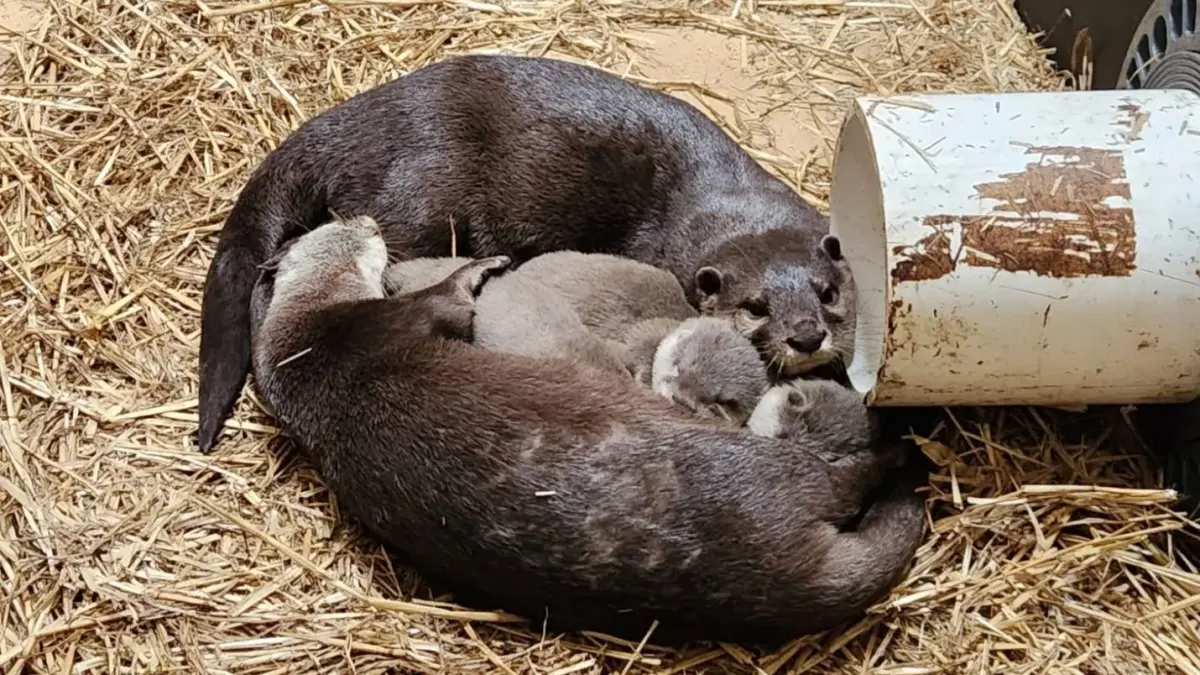
Otters typically give birth to one to three pups at a time, though some species may occasionally have up to five. Litter sizes…

Dogs are facultative carnivores that thrive on a balanced diet of proteins, fats, and carbohydrates. While they descend from…
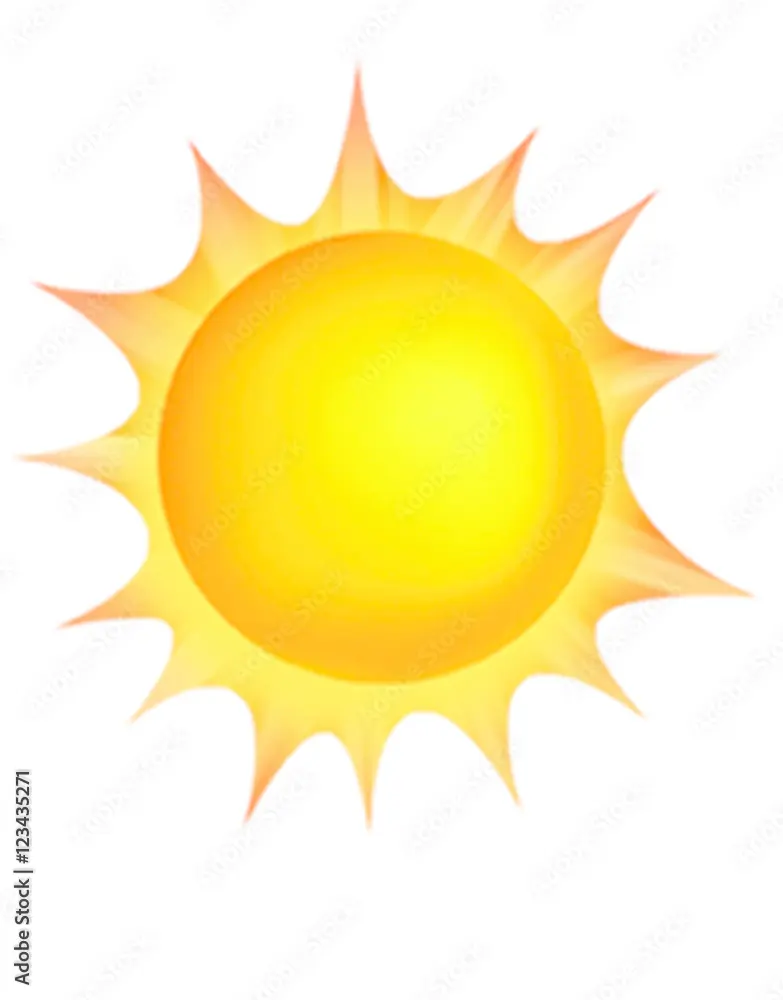
The Sun has a radius of approximately 432,690 miles (696,340 kilometers), making it about 109 times wider than Earth. Its mass…
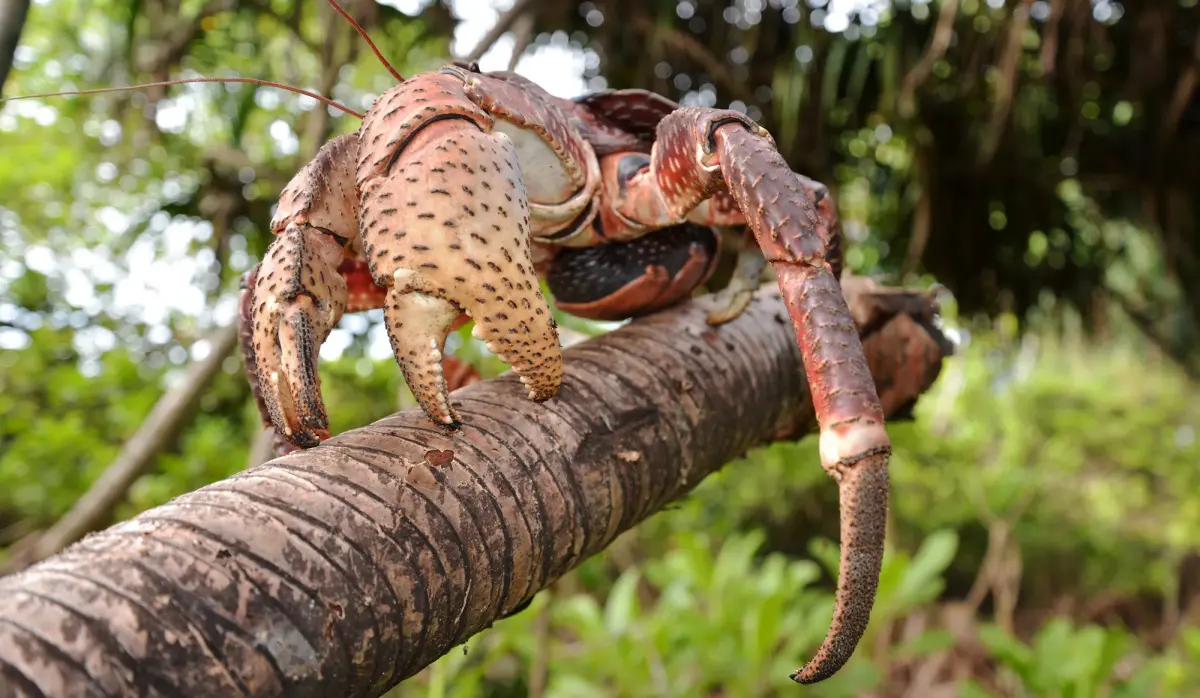
Crab sizes vary drastically depending on the species, ranging from tiny pea crabs measuring just a few millimeters to the…
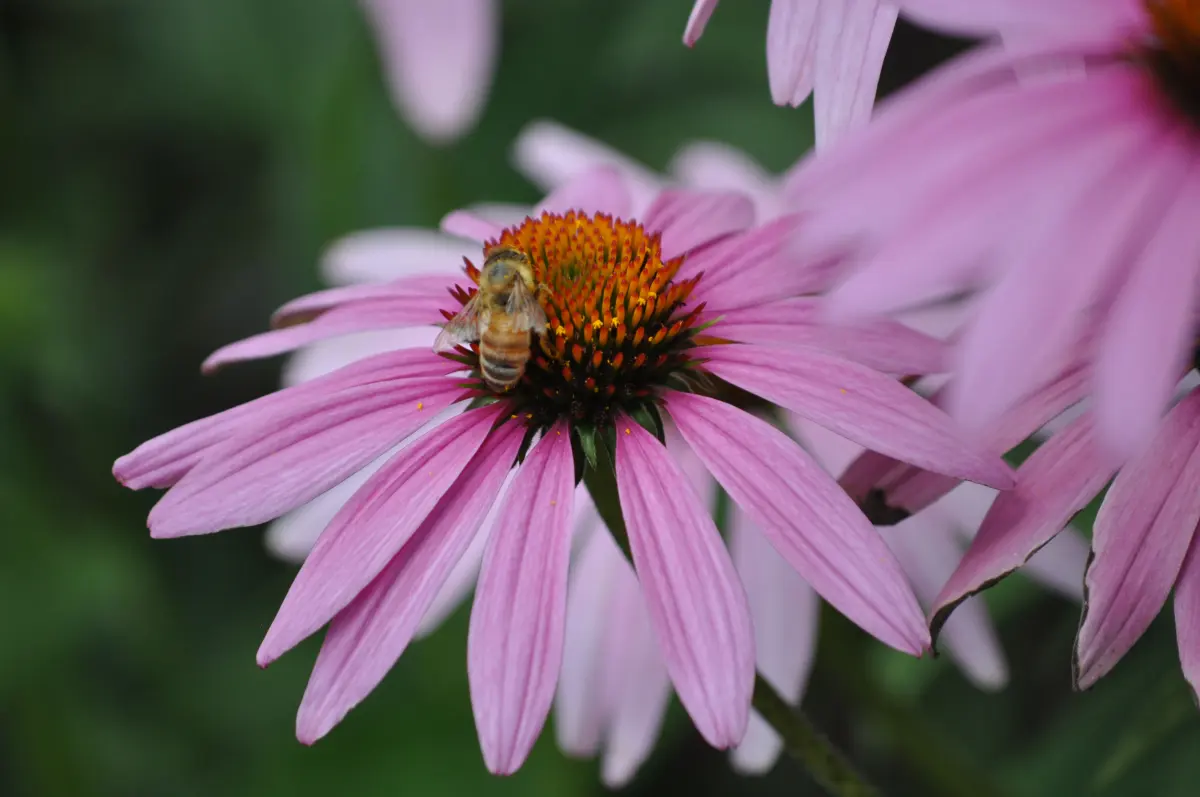
Flowers produce scents primarily to attract specific pollinators, such as bees, moths, or birds, which facilitate reproduction…
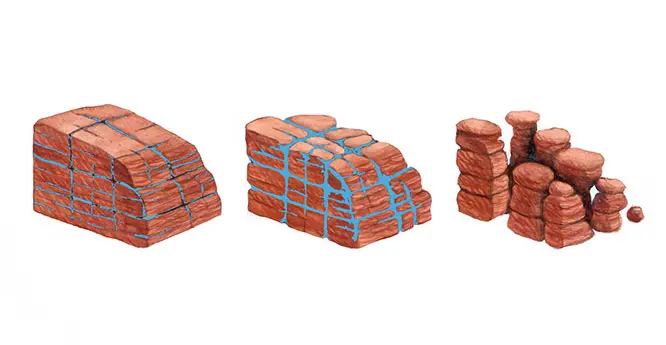
Weathering is the natural process of breaking down rocks, minerals, and soils through contact with the Earth's atmosphere…
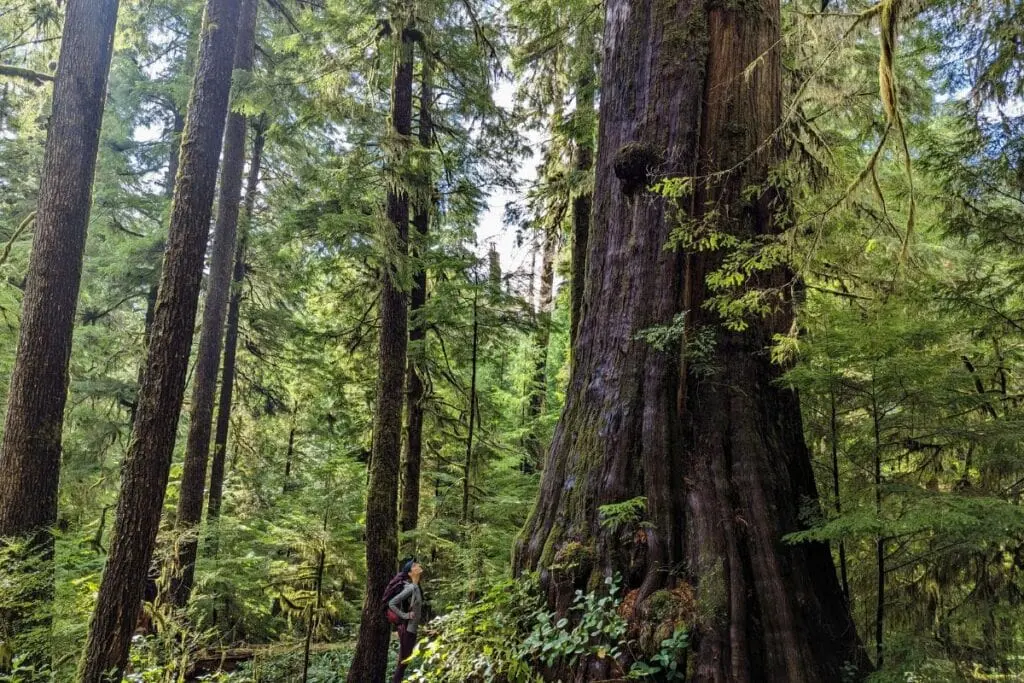
Vancouver’s temperate rainforest climate supports a diverse mix of native conifers and ornamental deciduous trees. The landscape…
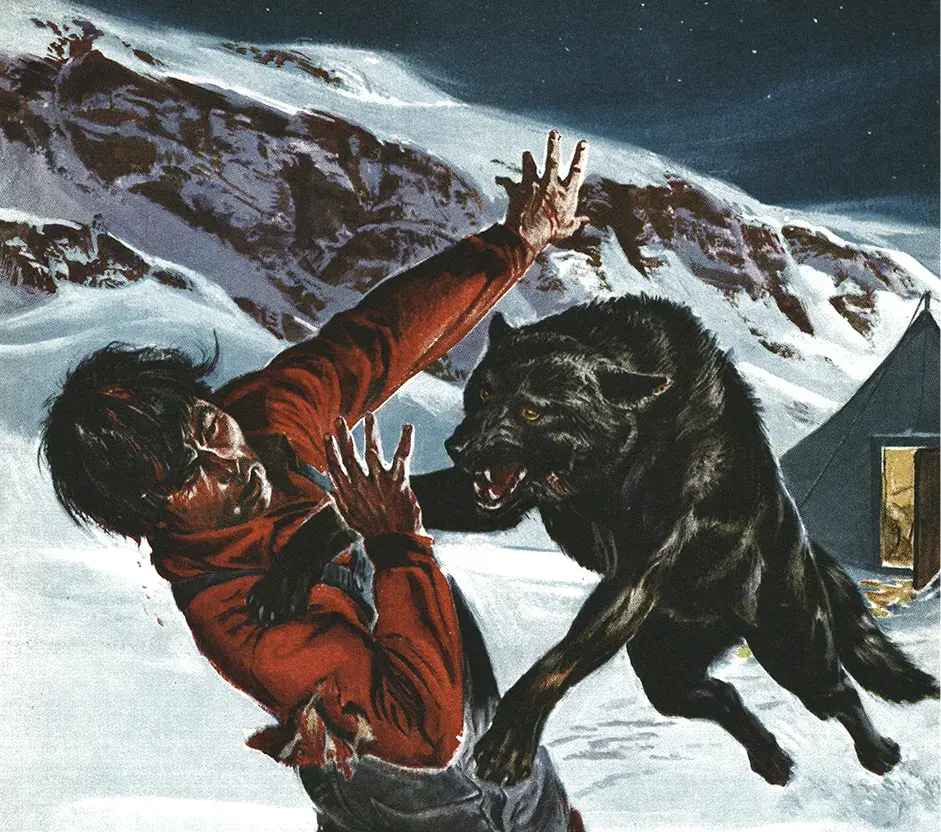
Wolves are rarely dangerous to humans, as they are naturally shy and typically avoid contact with people. While attacks are…
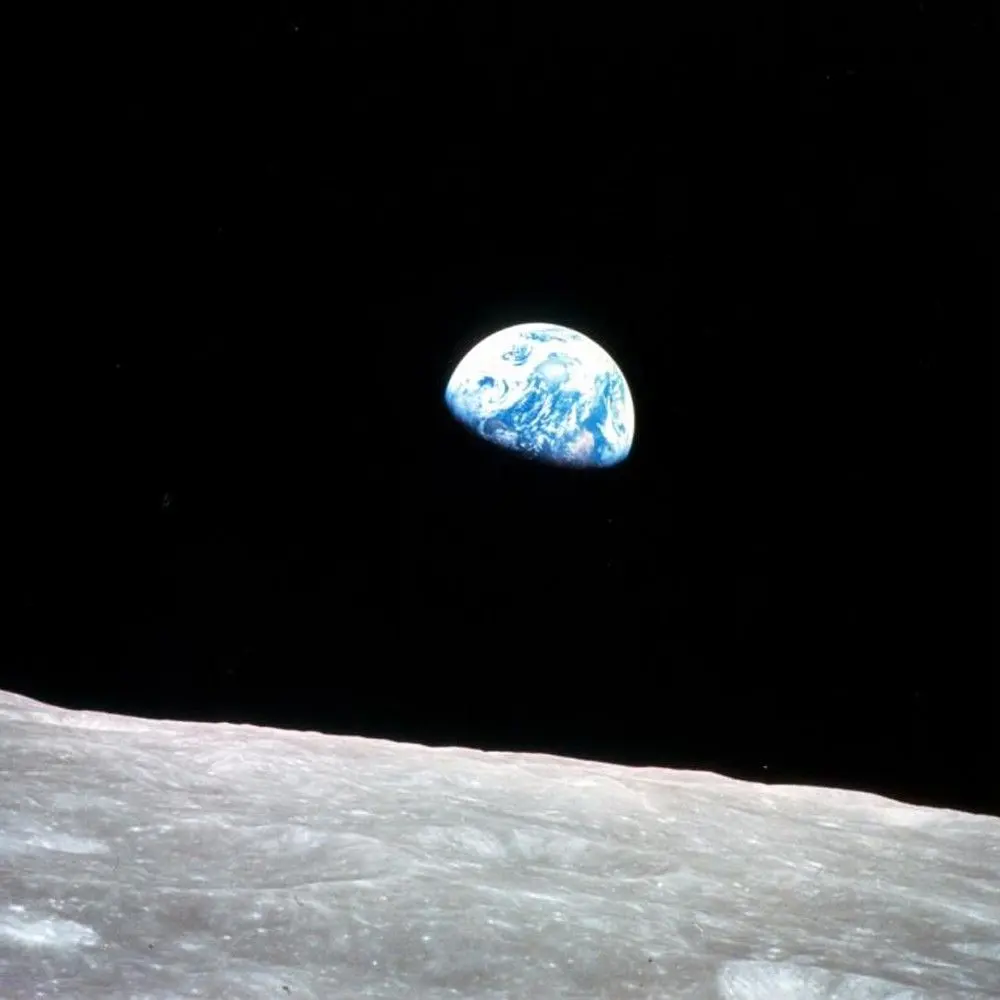
The Moon orbits Earth at an average distance of approximately 238,855 miles (384,400 kilometers). Because the lunar orbit is…
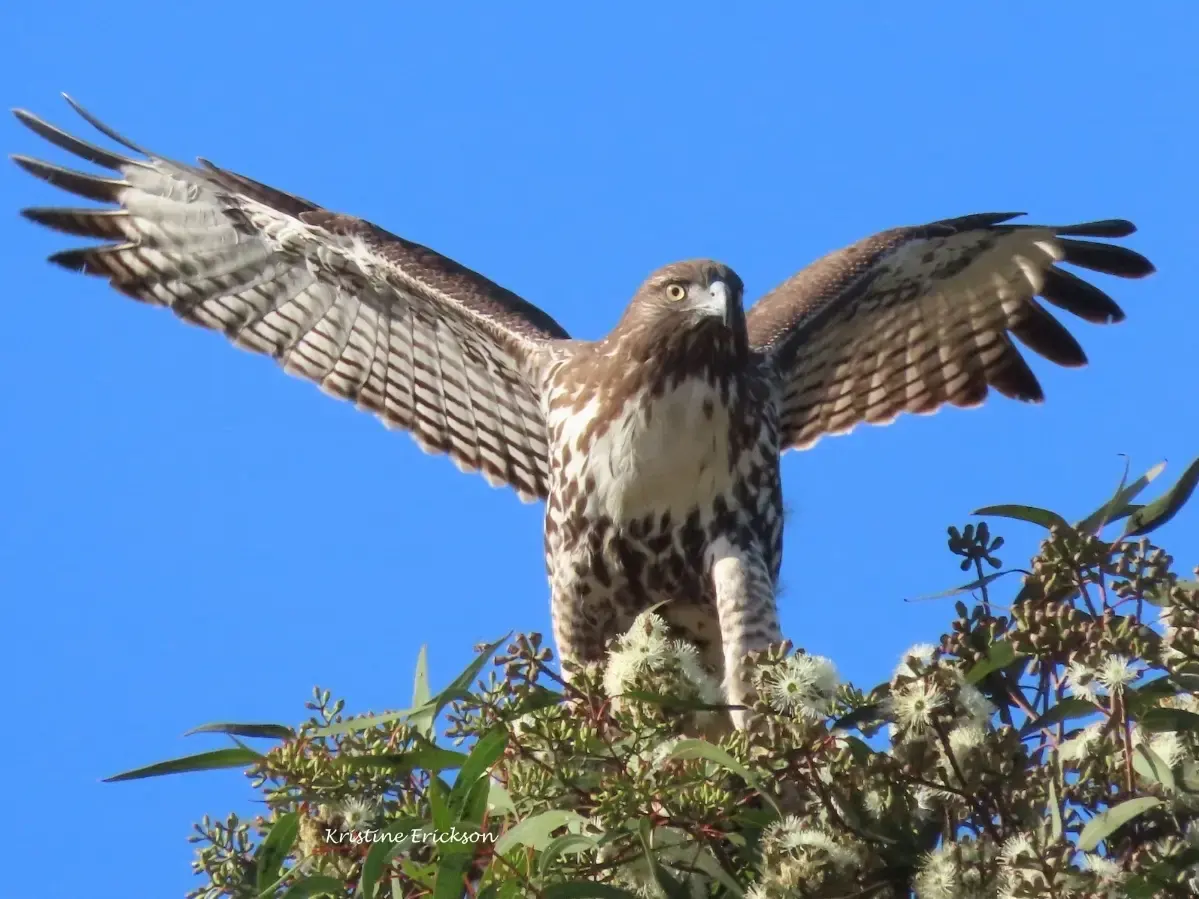
Hawks vary significantly in size depending on the species. Small hawks, like the Sharp-shinned Hawk, weigh as little as 3 ounces…
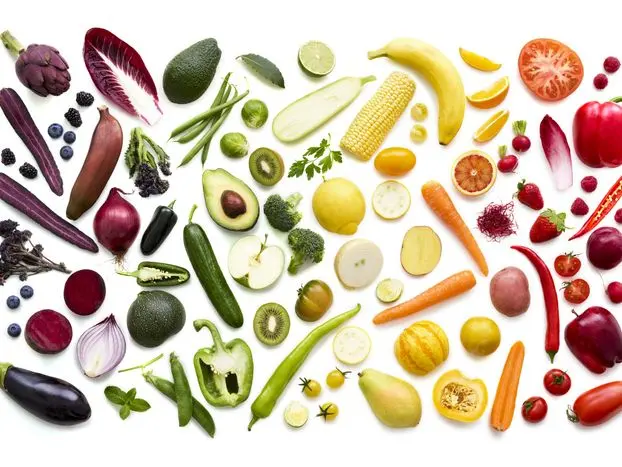
Botanically, a fruit is the seed-bearing structure that develops from the ovary of a flowering plant, while a vegetable refers…
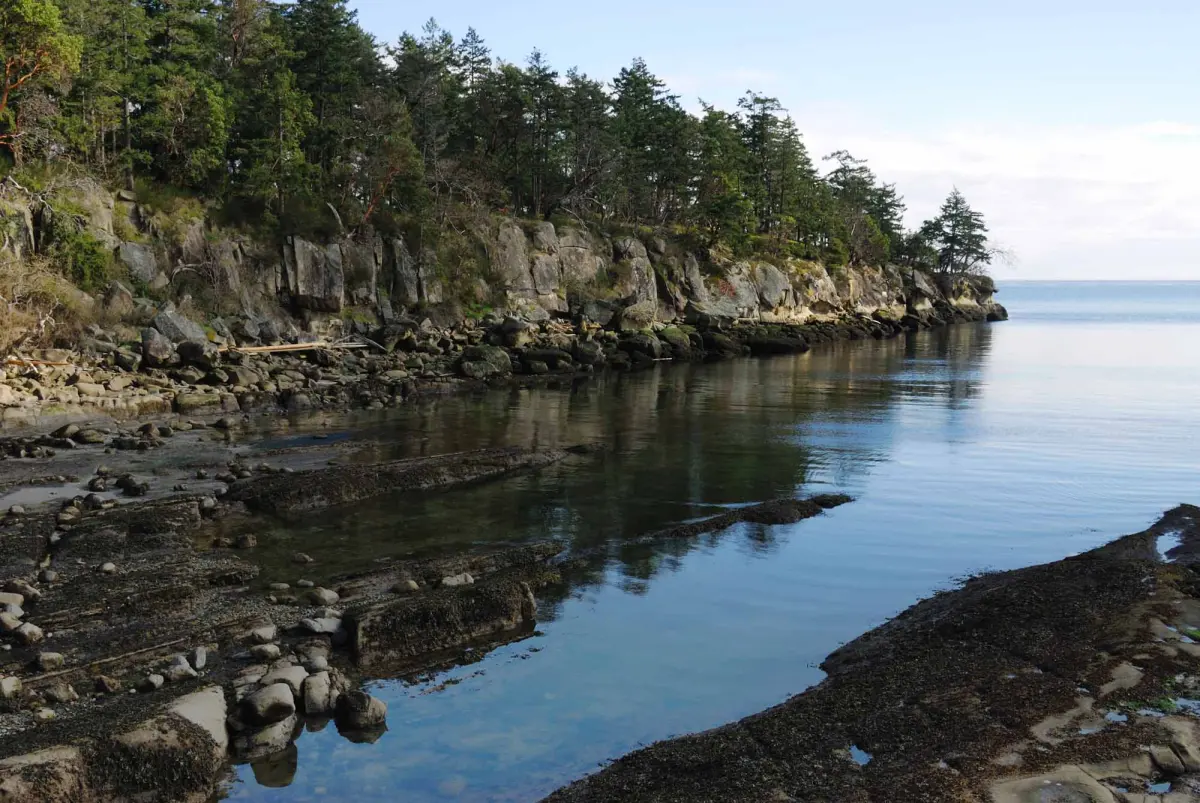
The Gulf Islands, located between mainland British Columbia and Vancouver Island, are renowned for their temperate…