What trees grow in Vancouver?
Short answer
Vancouver’s temperate rainforest climate supports a diverse mix of native conifers and ornamental deciduous trees. The landscape is dominated by Western Red Cedars, Douglas Firs, and Western Hemlocks. Additionally, the city is famous for its thousands of ornamental cherry trees, which bloom in vibrant shades of pink and white every spring.
On this page
Which native trees grow in Vancouver?
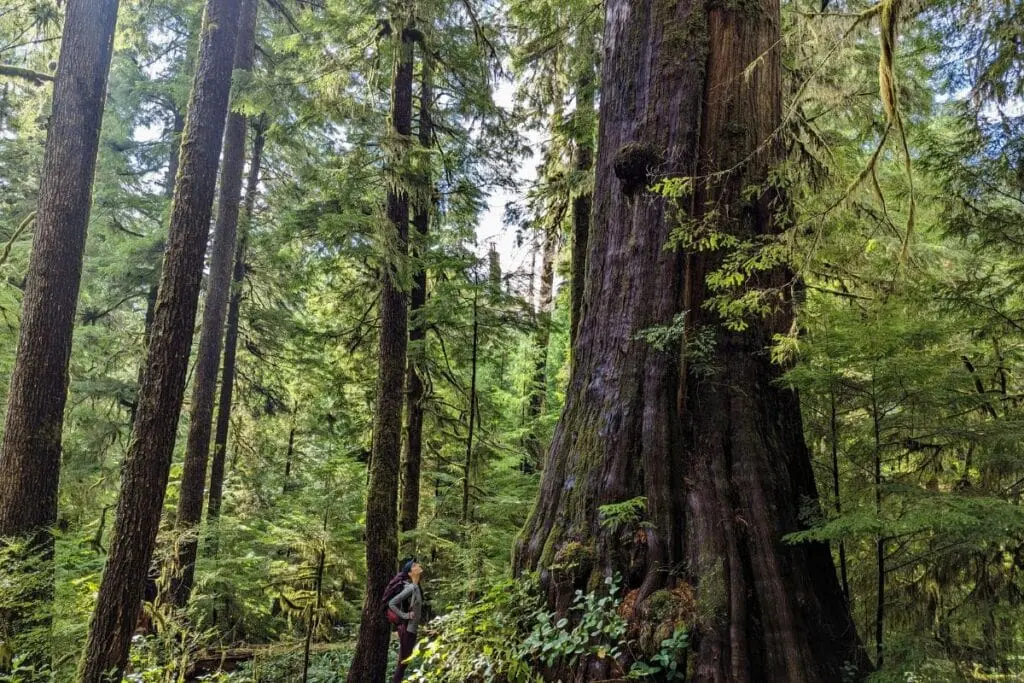
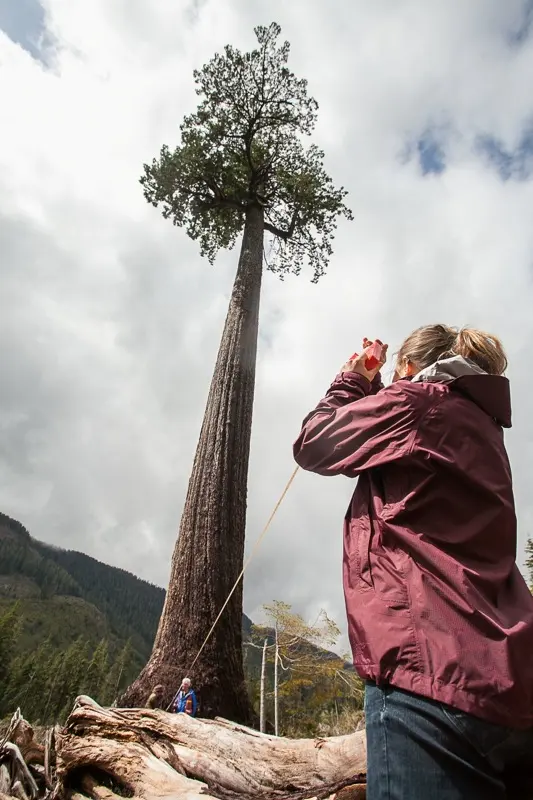
Vancouver’s natural landscape is defined by the coastal western hemlock biogeoclimatic zone, which favors large, evergreen conifers. The Western Red Cedar is the most iconic, recognized by its drooping branches and shaggy, fibrous bark. It thrives in the city’s moist, nutrient-rich soils and can live for over 1,000 years in protected areas.
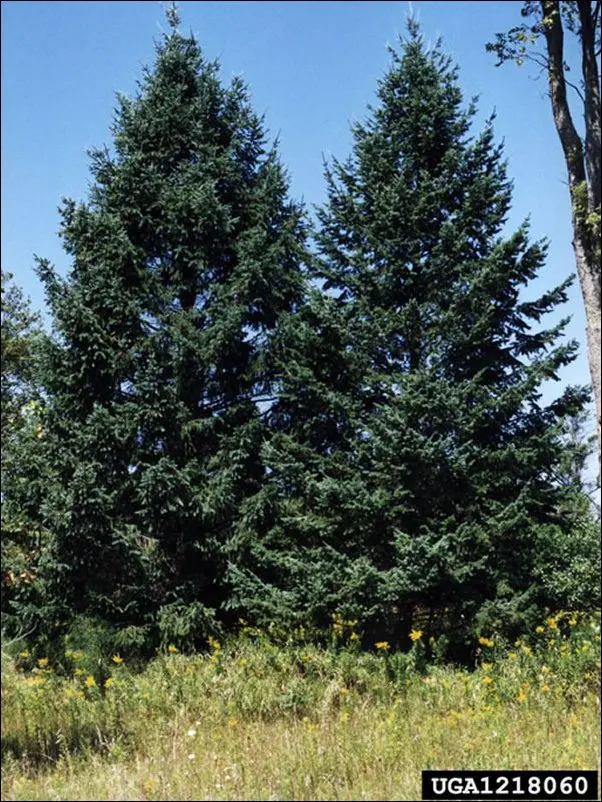
The Douglas Fir is another pillar of the local ecosystem, often reaching massive heights in regional parks like Stanley Park. You will also frequently encounter the Western Hemlock, which prefers shadier, cooler spots within the forest understory. These trees provide essential habitat for local wildlife, including bald eagles and varied thrushes.
- Western Red Cedar: Characterized by scale-like leaves and reddish bark.
- Douglas Fir: Identified by its thick, corky bark and cones with three-pointed bracts.
- Western Hemlock: Known for its delicate, feathery needles and small, rounded cones.
- Sitka Spruce: Found primarily near the coast, featuring sharp needles and papery bark.
What are the best ornamental trees for Vancouver gardens?
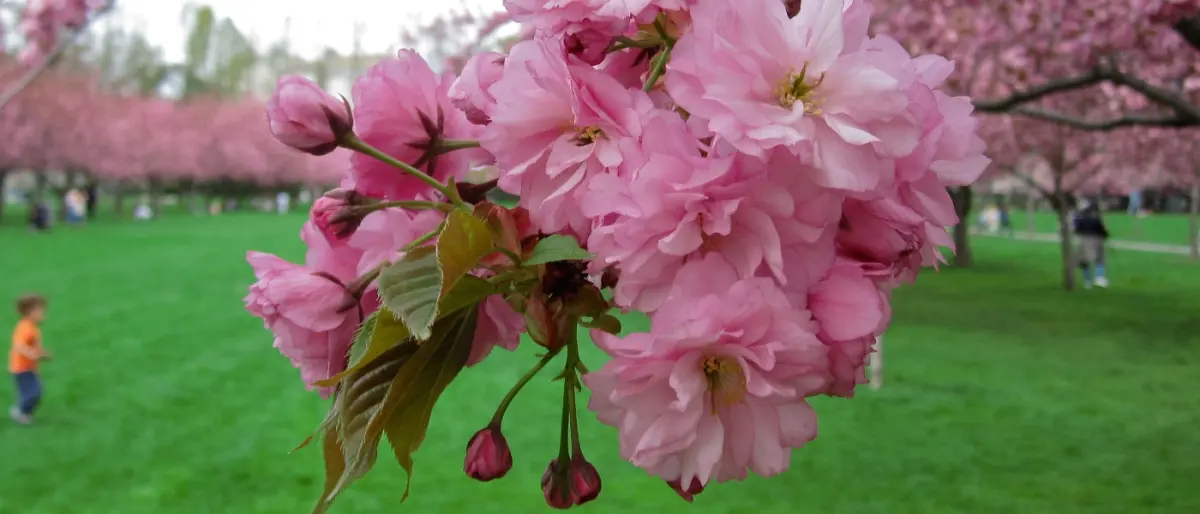
Many residents choose ornamental trees that provide seasonal interest, particularly those that offer spectacular spring blossoms. The city maintains over 40,000 ornamental cherry trees, with the Akebono and Yoshino varieties being the most popular. These trees transform the city into a pink canopy during the late March and early April blooming season.
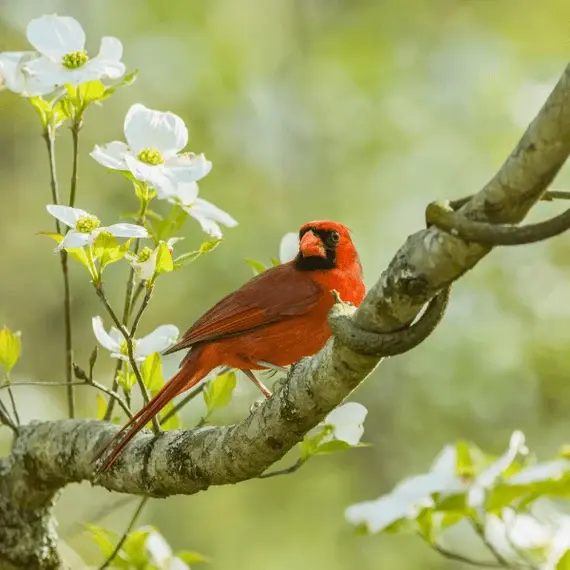
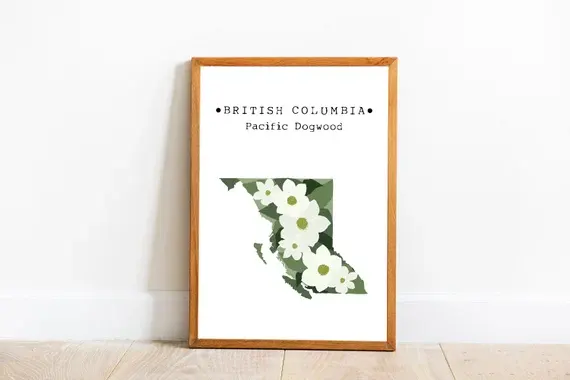
For autumn color, the Japanese Maple is a favorite choice for residential gardens due to its manageable size and brilliant foliage. Dogwood trees, specifically the Pacific Dogwood, are also highly valued for their elegant white bracts. These species are well-suited to the region’s mild winters and generally require minimal intervention once established in a well-draining spot.
- Select a planting site with at least six hours of indirect sunlight.
- Dig a hole twice as wide as the root ball but no deeper.
- Gently loosen the roots to encourage outward growth into the native soil.
- Apply a layer of organic mulch around the base, keeping it away from the trunk.
How to choose the right tree for a small space?
Selecting a tree for a small urban lot requires careful consideration of mature size and root behavior. Columnar varieties, such as the Columnar English Oak or the Sky Pencil Holly, are excellent for narrow side yards where space is limited. These trees grow vertically rather than spreading outward, preventing encroachment on sidewalks or neighboring fences.
Dwarf fruit trees are another practical option for Vancouverites with limited square footage. Varieties grafted onto dwarfing rootstocks can produce full-sized apples, pears, or plums while staying under eight feet in height. When choosing, always check the "mature height" on the nursery tag to ensure the tree will not eventually interfere with overhead power lines or building foundations.
- Columnar English Oak: Ideal for tight vertical spaces.
- Dwarf Apple: Produces high yields without requiring a large orchard.
- Japanese Maple (Dwarf): Provides aesthetic beauty without overwhelming a small patio.
- Serviceberry: A multi-stemmed shrub-tree that offers berries and fall color.
Why do Vancouver trees struggle with urban conditions?
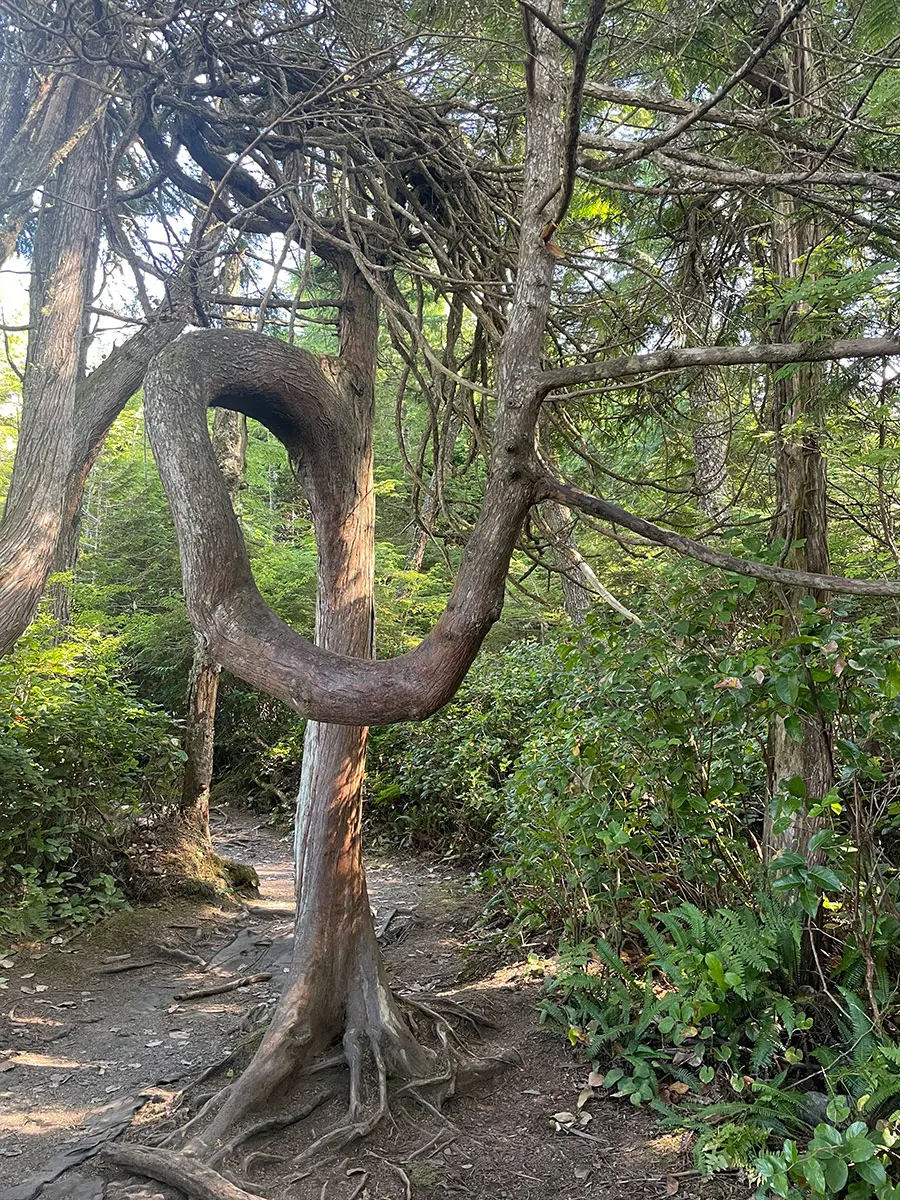
Despite the favorable climate, urban trees often face significant stressors that can lead to premature decline. Soil compaction is a primary issue, as heavy foot traffic and construction equipment crush the air pockets that roots need to breathe. Without proper aeration, trees become susceptible to root rot and struggle to absorb essential water and nutrients.
Another common problem is the "heat island" effect, where concrete and asphalt absorb heat, raising temperatures higher than in surrounding forests. This can cause drought stress even during months with moderate rainfall. Furthermore, improper pruning—such as "topping"—can leave trees vulnerable to decay and structural failure during the city’s frequent winter windstorms.
- Soil Compaction: Limits oxygen and water movement to the root zone.
- Heat Stress: Increases transpiration rates, leading to scorched leaves.
- Improper Pruning: Creates large wounds that invite fungal infections and pests.
- Salt Damage: Occurs near busy roads where winter de-icing agents accumulate.
Common mistakes when planting and maintaining trees?
One of the most frequent mistakes is planting a tree too deeply, which buries the root flare and causes the trunk to rot. The root flare, where the trunk widens at the base, should always be visible above the soil line. Another error is over-mulching, often called "mulch volcanoes," where mulch is piled against the trunk, creating a moist environment for pests and disease.
Watering habits also play a major role in tree health. Many people water lightly and frequently, which encourages shallow root growth rather than deep, drought-resistant systems. Instead, provide a deep soak once a week during the dry summer months to ensure water reaches the entire root ball. By avoiding these simple pitfalls, you ensure your tree remains a healthy, long-term asset to your property.
Key facts
- Vancouver’s urban forest is dominated by native conifers like the Western Red Cedar, Douglas Fir, and Western Hemlock.
- The city’s official tree is the Pacific Dogwood, known for its iconic white spring blossoms.
- Street tree diversity is managed by the city to include over 150,000 public trees, ranging from maples to cherry trees.
- When planting, always ensure the root flare is visible above the soil line to prevent rot and girdling roots.
- Avoid planting large tree species under overhead power lines; consult the city’s "Street Tree Selection Guide" before digging.
- Watering young trees deeply once a week during the dry summer months is essential for their establishment in the first three years.
The bottom line
Vancouver’s temperate rainforest climate supports a vibrant mix of towering native conifers and ornamental flowering trees. Whether you are managing a private garden or admiring streetscapes, selecting the right species for your specific site is vital for long-term health. By following local bylaws, providing consistent water during dry summers, and respecting the city's diverse canopy, you contribute to the ongoing legacy of Vancouver’s green urban environment.
People also ask
Are cherry blossoms native to Vancouver?
No, the famous cherry blossoms seen throughout the city are ornamental varieties imported from Japan in the 1930s. They were gifted to the city as a gesture of goodwill and are not indigenous to the Pacific Northwest.
Can I plant any tree I want on my property?
While you have more freedom on private land, Vancouver has strict tree protection bylaws. You must apply for a permit before removing or pruning significant trees, even if they are on your own property.
Which trees are best for small urban gardens?
Smaller, slow-growing species like the Japanese Maple, Serviceberry, or Vine Maple are excellent choices. These trees provide seasonal interest without outgrowing limited space or causing foundation issues.
How do I identify a Western Red Cedar?
Look for scale-like, glossy green leaves that form flat, fan-like sprays. The bark is fibrous and reddish-brown, often peeling in long, vertical strips as the tree matures.
Do I need to fertilize my trees in Vancouver?
Generally, no. Most established trees in the region thrive in native soil without supplemental fertilizer, which can sometimes cause excessive, weak growth. Focus on mulching to retain moisture and improve soil health instead.
Why are some trees in Vancouver marked with ribbons?
Ribbons often indicate that a tree has been assessed by an arborist for health, safety, or potential removal. Sometimes, they mark trees designated for protection during nearby construction projects.
This answer was created with the help of AI research tools and reference sources. Spotted an error? Let us know — we correct mistakes quickly. See our editorial policy.