What is a Douglas fir?
Short answer
The Douglas fir (Pseudotsuga menziesii) is a massive, long-lived evergreen conifer native to western North America. Despite its name, it is not a true fir but belongs to its own unique genus. Highly valued for its strength and timber, it is also the most popular Christmas tree species in the United States.
On this page
What is a Douglas fir tree?
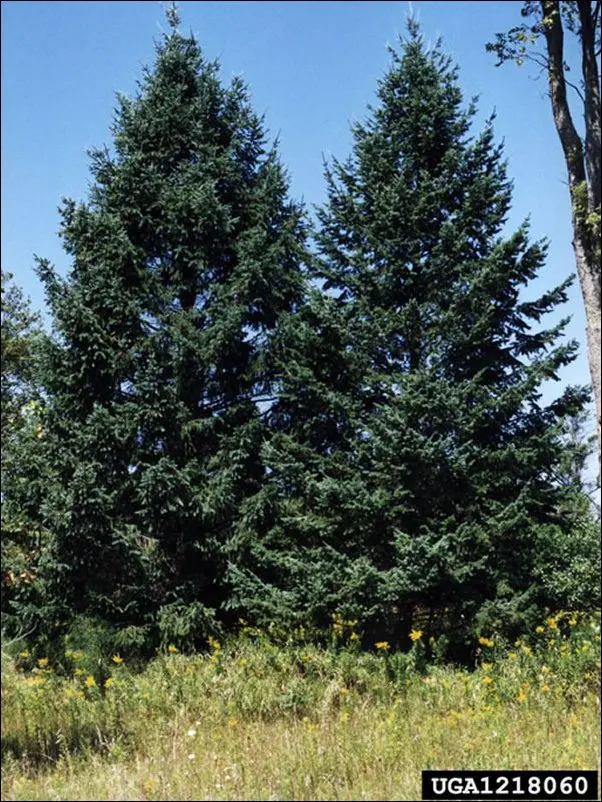
The Douglas fir is a monumental conifer that dominates the forests of the Pacific Northwest. It is characterized by its thick, corky bark and soft, flat, needle-like leaves that radiate in all directions around the branch. When crushed, these needles emit a distinct, sweet, citrus-like fragrance. The tree is easily identified by its unique cones, which feature three-pointed, trident-shaped bracts that poke out from between the scales.
Botanically, the Douglas fir is neither a fir, a spruce, nor a pine. It occupies the genus Pseudotsuga, meaning "false hemlock." These trees are among the tallest in the world, with some specimens in old-growth forests reaching heights of over 300 feet. They are essential to the ecosystem, providing critical habitat for species like the northern spotted owl and various small mammals that rely on their seeds for winter sustenance.
How to identify a Douglas fir
Identifying a Douglas fir requires looking at the needles, the cones, and the overall growth habit of the tree. While other conifers might look similar at a distance, the specific arrangement of the needles and the structure of the cones provide definitive proof of the species.
- Inspect the needles: They should be about an inch long, soft to the touch, and grow individually from the branch rather than in clusters.
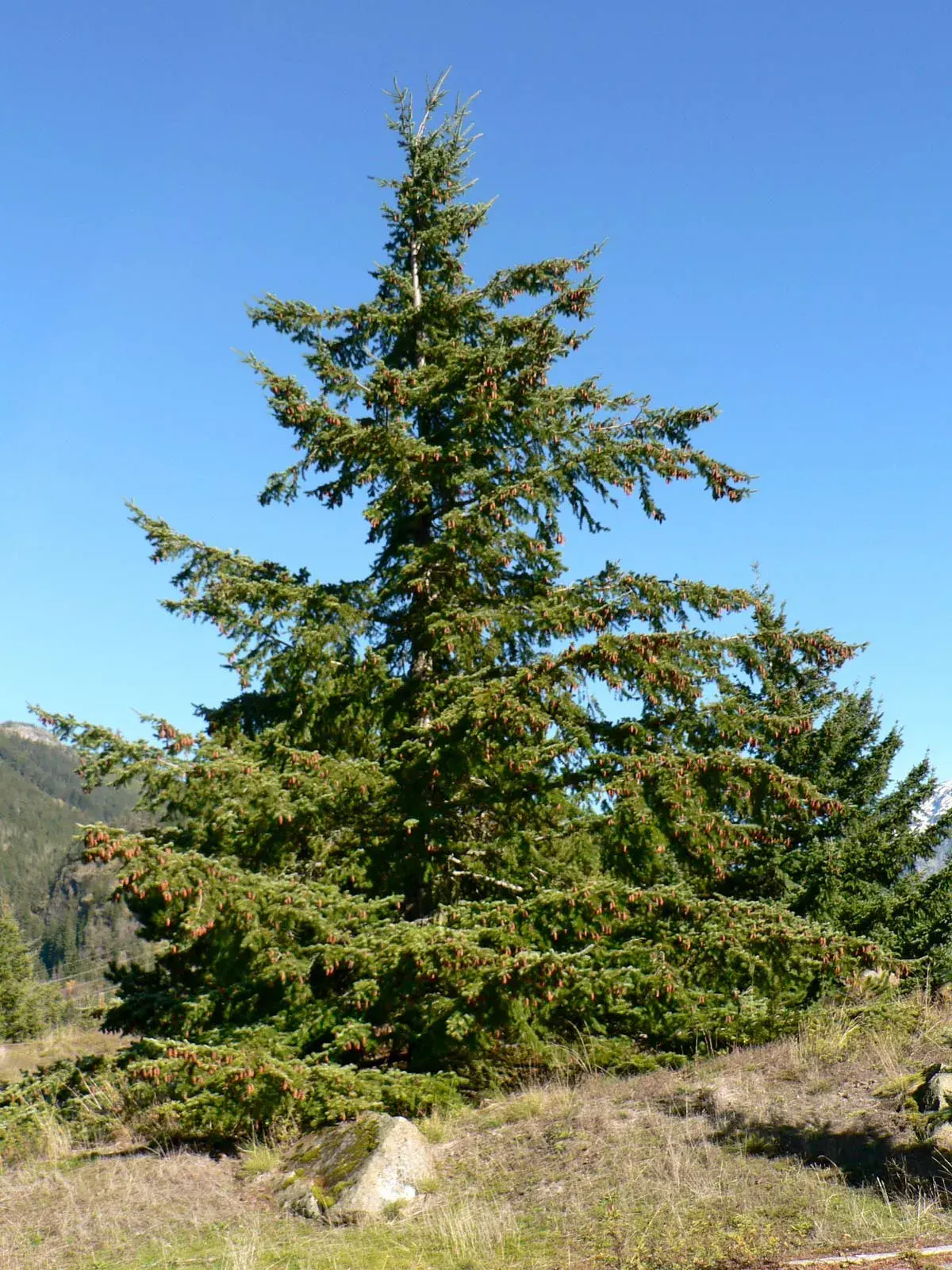
- Examine the cones: Look for the papery, three-pointed bracts that extend beyond the scales, resembling the hind legs and tail of a mouse hiding in the cone.
- Check the bark: On younger trees, the bark is smooth with resin blisters, but as the tree matures, it becomes thick, deeply furrowed, and reddish-brown.
- Observe the buds: The terminal buds are very sharp, pointed, and reddish-brown, which helps distinguish them from the rounded buds of true firs.
Where do Douglas firs grow best?
Douglas firs are incredibly adaptable but thrive in climates with cool, moist summers and mild winters. They prefer deep, well-draining soil and are frequently found on mountain slopes where they can access significant sunlight. In their native range, they grow from sea level up to the subalpine zone, showing a remarkable ability to colonize disturbed areas after fires or logging.
If you are considering planting one, ensure you have ample space, as these trees can grow quite wide at the base. They require full sun to maintain a healthy shape and will struggle in heavy, waterlogged clay soils. While they are resilient, they are susceptible to certain pests like the Swiss needle cast fungus in areas with excessive humidity. Providing adequate air circulation and choosing a site with good drainage will significantly improve the long-term health of the tree.
Common mistakes when planting Douglas firs
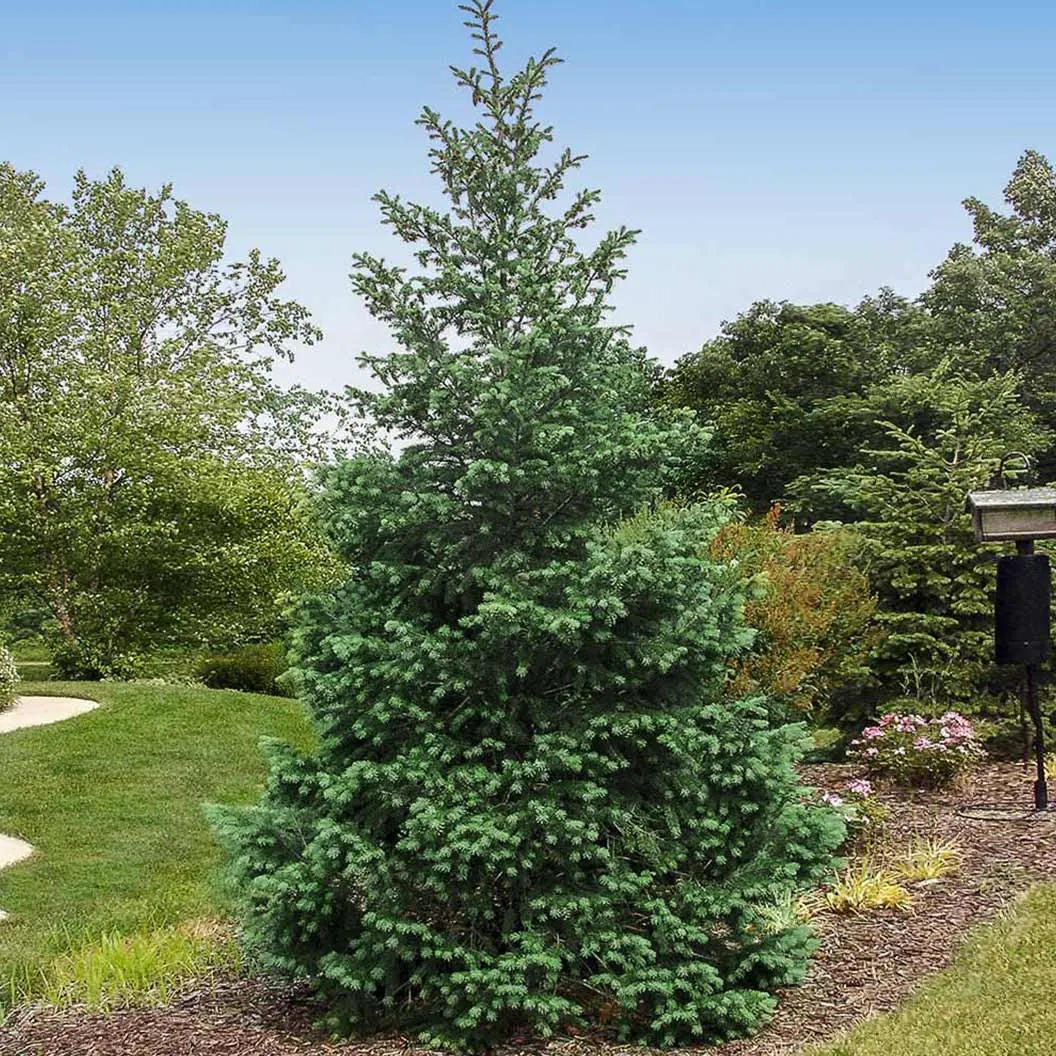
Many gardeners fail with Douglas firs because they underestimate the tree's eventual size. Planting a tree that will grow 200 feet tall within a few feet of a house foundation or power lines is a recipe for future disaster. Always research the specific cultivar, as some are bred to be smaller for residential landscapes, but even these require significant room to spread their roots and branches.
Another frequent error is improper watering during the first few years of establishment. While mature trees are drought-tolerant, young saplings need regular, deep watering to survive their first two summers. Avoid the following pitfalls to ensure success:
- Planting too deeply, which can cause the root flare to rot.
- Using excessive mulch piled against the trunk, which invites pests and disease.
- Failing to protect young trees from deer, which are known to browse on the soft, nutritious needles.
- Ignoring soil pH requirements, as these trees prefer slightly acidic soil conditions.
Why Douglas firs are important for industry
The Douglas fir is widely considered the most important timber species in North America. Its wood is exceptionally strong, stiff, and resistant to decay, making it the preferred choice for structural framing in home construction. Because the trees grow straight and tall, they yield high-quality lumber that is essential for beams, joists, and plywood. The forestry industry manages vast tracts of land dedicated to the sustainable harvest of these trees.
Beyond construction, the species is a cornerstone of the holiday industry. Millions of Douglas firs are harvested annually as Christmas trees due to their excellent needle retention and pleasant scent. To maintain this industry, foresters utilize selective breeding and thinning techniques to ensure that the trees grow with the dense, conical shape consumers expect. By balancing timber production with ecological conservation, the Douglas fir remains a vital economic and environmental resource that continues to support both human infrastructure and complex forest ecosystems across the continent.
Key facts
- The Douglas fir (Pseudotsuga menziesii) is not a true fir, spruce, or pine, but a distinct genus in the pine family.
- It is the second-tallest conifer in the world, with some specimens reaching heights of over 300 feet.
- You can identify the tree by its cones, which feature unique three-pointed bracts that protrude from between the scales.
- These trees are the most important timber species in North America, widely used for construction framing and plywood.
- They thrive in temperate climates and are the most popular choice for Christmas trees in the United States.
- When planting, ensure the tree has full sun and well-drained soil to prevent root rot, a common cause of failure.
The bottom line
The Douglas fir is a cornerstone of North American ecology and the lumber industry, prized for its immense size and high-quality wood. Whether you are identifying them in the wild by their unique three-pointed cone bracts or selecting one as a holiday centerpiece, these trees remain iconic. With proper site selection and care, they serve as resilient, long-lived giants that define the landscape of the Pacific Northwest.
People also ask
How can I tell a Douglas fir apart from a true fir?
Look at the cones; Douglas fir cones hang downward and have distinctive three-pointed bracts, while true fir cones stand upright and disintegrate while still on the branch. Additionally, Douglas fir needles are attached to the twig by a small, woody stalk rather than a suction-cup base.
Are Douglas firs suitable for small residential gardens?
Most species grow far too large for standard backyards, often exceeding 100 feet in height. Unless you have significant acreage, consider planting a dwarf cultivar specifically bred for ornamental garden use.
What is the best time of year to plant a Douglas fir?
The ideal time is during the dormant season, typically in late autumn or early spring. Planting during these times allows the root system to establish itself before the heat of summer or the deep freeze of winter.
How much water does a young Douglas fir need?
During the first two years, water the tree deeply once a week, ensuring the moisture reaches the root zone. Avoid shallow watering, which encourages weak root systems that are susceptible to drought stress.
Why are Douglas firs so popular as Christmas trees?
They are favored for their soft, dark green needles and excellent needle retention after being cut. They also possess a pleasant, sweet fragrance that is widely associated with the holiday season.
What are the most common pests affecting these trees?
The Douglas fir beetle and the spruce budworm are the most significant threats. Monitor your trees for signs of boring holes or needle discoloration and consult an arborist if you suspect an infestation.
This answer was created with the help of AI research tools and reference sources. Spotted an error? Let us know — we correct mistakes quickly. See our editorial policy.