Do cherry blossoms produce cherries?
Short answer
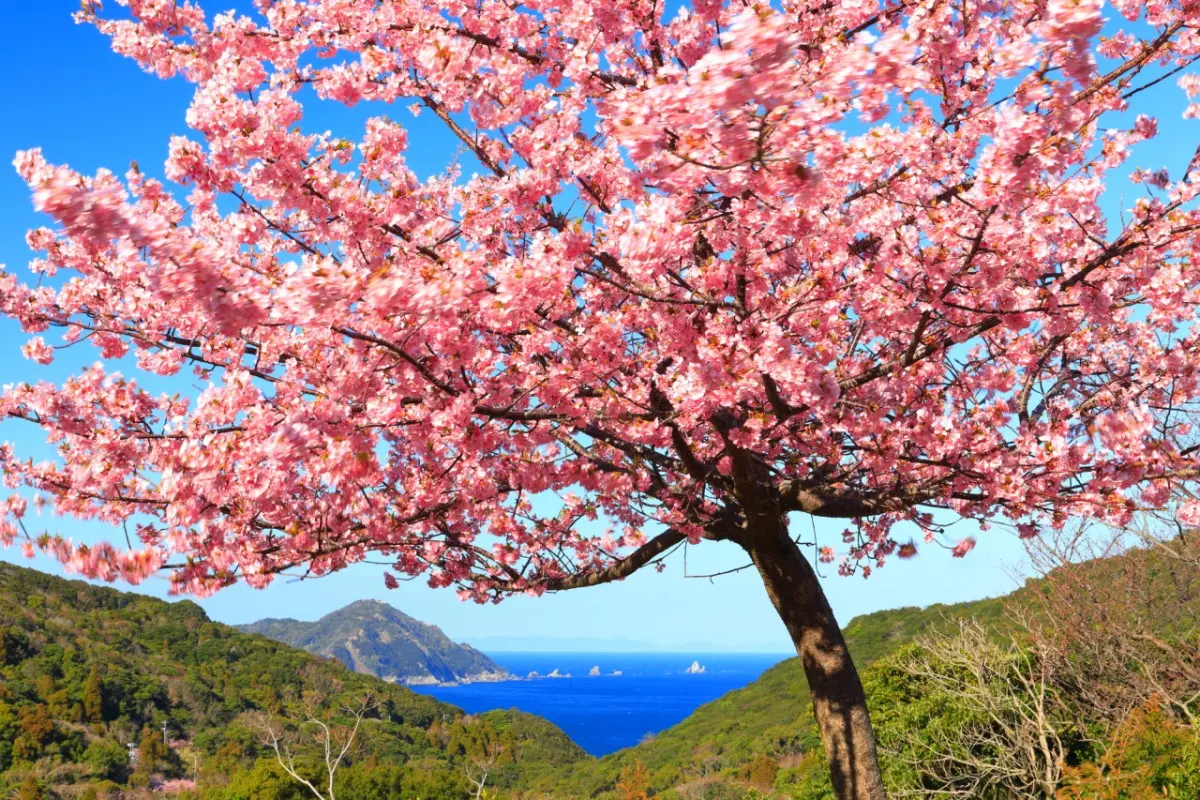
Yes, cherry blossoms produce cherries, but they are generally not the sweet fruit found in grocery stores. Most ornamental cherry trees, such as the famous Japanese Prunus serrulata, produce small, bitter, or sour drupes. While technically edible, these fruits are often tiny, mostly pit, and lack the flavor profile desired for culinary use.
On this page
Do all cherry blossoms grow fruit?
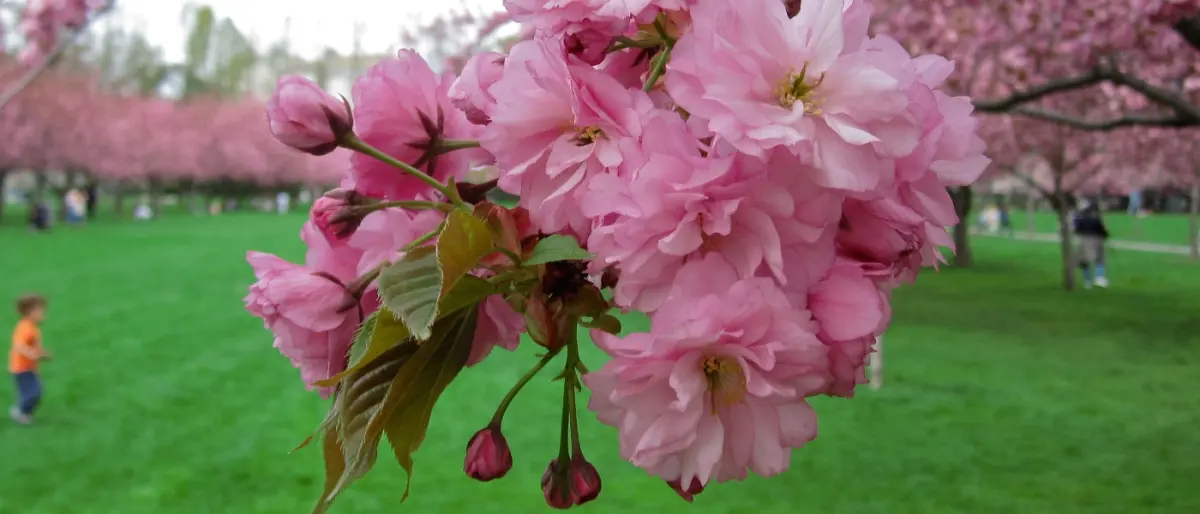
Botanically, all cherry trees belong to the genus Prunus. Because they are flowering plants, they must produce fruit to propagate their seeds after pollination occurs. However, the ornamental varieties planted in parks and gardens have been selectively bred over centuries for their aesthetic qualities rather than their fruit production. While these trees do develop small fruits, they are often overlooked by casual observers.
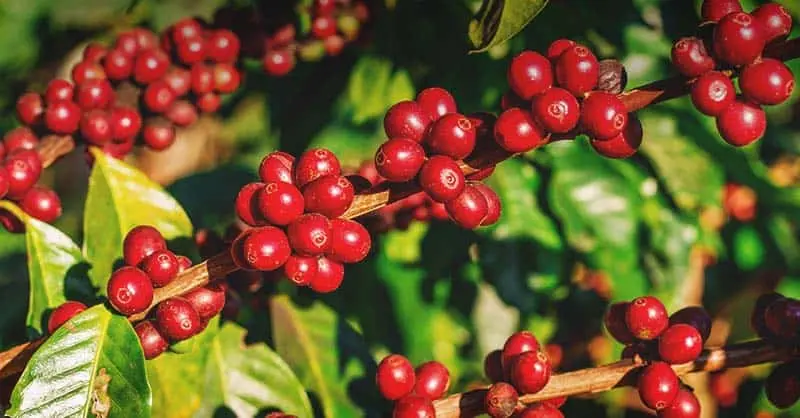
The fruit produced by ornamental cherry trees is typically very small, measuring less than half an inch in diameter. Because the trees prioritize energy for massive, showy blooms, the fruit often remains underdeveloped or sparse. If you examine a Yoshino or Kwanzan cherry tree in late spring, you may notice tiny dark berries forming where the flowers once were. These fruits are rarely harvested because they are essentially miniature, tart versions of the commercial cherry, containing very little flesh and a disproportionately large stone.
Why are ornamental cherries not for eating?
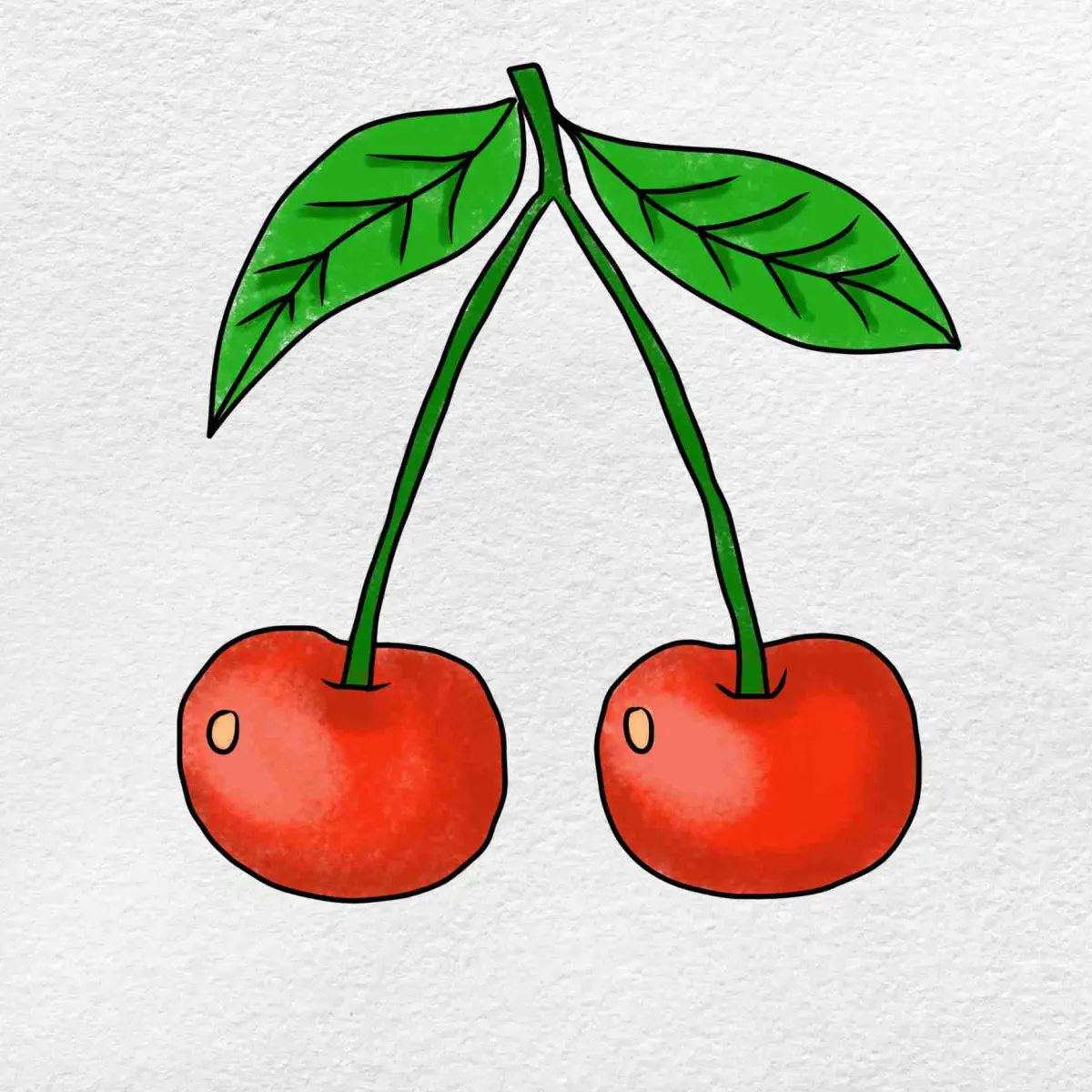
The primary reason ornamental cherries are not consumed is their flavor and physical composition. Commercial cherries, such as the Bing or Rainier varieties, are the result of rigorous agricultural breeding programs designed to maximize sugar content, size, and texture. In contrast, ornamental trees are bred for petal count, color intensity, and bloom duration. The fruit on these trees is often bitter, astringent, or completely flavorless, making them unappealing to the human palate.
Beyond the lack of flavor, the fruit of ornamental trees is often quite fibrous. Many ornamental varieties are hybrids, and their fruit quality can be inconsistent or even unpalatable. While they are generally not toxic, they offer no culinary value. If you are looking to harvest fruit for pies, jams, or fresh snacking, you should specifically select cultivars categorized as "fruiting cherries" rather than "flowering cherries." Planting the wrong type will result in years of disappointment when the tree fails to produce a viable harvest.
How to identify fruit-bearing cherry trees
If your goal is to grow cherries for consumption, you must look for specific characteristics in the tree. Commercial fruit trees are usually grafted onto hardy rootstocks to ensure disease resistance and manageable size. When selecting a tree, look for labels that specify the variety, such as "Montmorency" for sour cherries or "Stella" for sweet cherries. These trees are specifically engineered to produce abundant, fleshy, and flavorful fruit.
To ensure success in your home orchard, follow these guidelines for selection:
- Verify the pollination requirements, as many cherry trees require a second, different variety nearby to cross-pollinate.
- Check the "chill hours" required for your specific climate to ensure the tree will break dormancy correctly.
- Choose dwarf or semi-dwarf varieties if you have limited space, as these are easier to net against birds.
- Look for disease-resistant cultivars, especially if you live in a humid region prone to fungal issues like brown rot.
Common mistakes when growing cherry trees
A frequent error among novice gardeners is assuming that all flowering cherry trees are interchangeable. Many people plant an ornamental tree expecting it to eventually provide a harvest, only to find the fruit is inedible. Another common mistake is failing to protect the fruit from local wildlife. Birds are highly attracted to cherry trees and can strip a harvest in a matter of hours if the tree is not properly netted.
Proper maintenance is also critical for fruit production. If you are growing a fruiting variety, consider these steps to avoid common pitfalls:
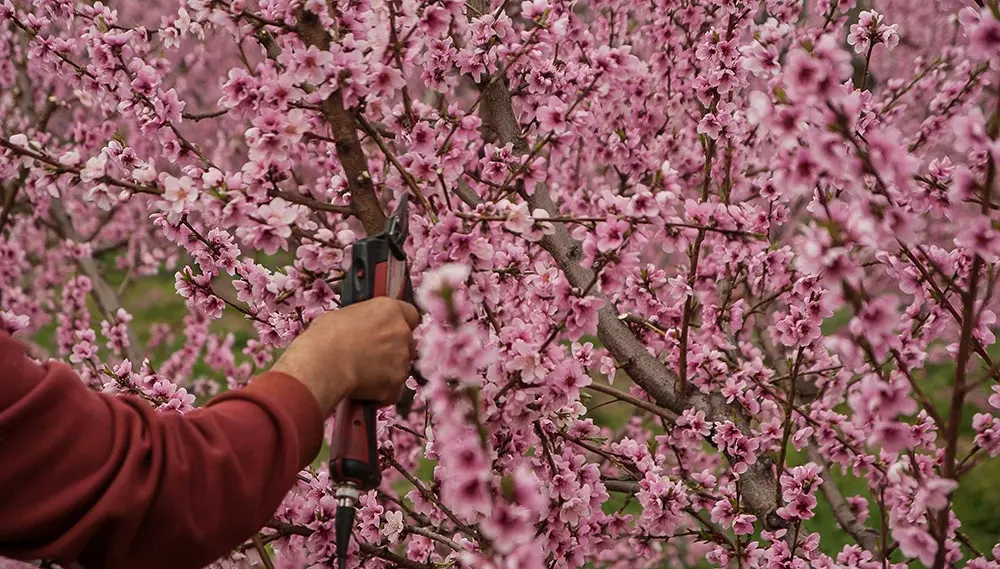
- Prune the tree annually in late winter to open the canopy, which allows sunlight to reach the fruit and improves airflow to prevent disease.
- Monitor soil moisture consistently, as drought stress during the fruit-ripening phase can lead to small, shriveled cherries.
- Avoid over-fertilizing with nitrogen, which encourages leafy growth at the expense of fruit production.
- Thin the fruit clusters if the tree is overloaded, as this ensures the remaining cherries grow to a larger, more desirable size.
When do cherry trees produce fruit?
The timing of fruit production depends heavily on the tree's variety and the local climate. Most cherry trees bloom in early spring, typically between March and May, depending on the latitude. After the blossoms fall, the fruit begins to develop from the ovary of the flower. Depending on the specific cultivar, the cherries will reach maturity anywhere from 60 to 100 days after the petals drop.
Harvesting usually occurs in early to mid-summer. You can tell if a cherry is ready by its color, which should be deep and uniform, and its texture, which should be firm but slightly yielding to pressure. If you are unsure if your tree is a fruiting or ornamental variety, observe the fruit size and taste a small sample once it is fully ripe. If the fruit is tiny and bitter, you are likely looking at an ornamental tree that is meant to be admired for its beauty rather than its harvest.
Key facts
- Most ornamental cherry trees (Prunus serrulata) are bred for flowers, not fruit production.
- While they may produce small, bitter drupes, these are generally inedible and often consumed by birds.
- Edible cherries come from specific cultivars like Prunus avium (sweet) or Prunus cerasus (sour).
- Ornamental varieties focus energy on petal development rather than sugar accumulation in fruit.
- If you want to harvest fruit, ensure you purchase a tree labeled for "fruiting" rather than "flowering."
- Avoid eating fruit from unknown ornamental trees, as they may have been treated with pesticides not intended for food crops.
The bottom line
While ornamental cherry trees are prized for their breathtaking spring displays, they are distinct from the varieties cultivated for human consumption. These flowering trees prioritize aesthetic beauty over fruit development, resulting in small, bitter drupes that are unsuitable for eating. If your goal is to harvest fresh cherries for baking or snacking, prioritize selecting specific cultivars bred for fruit production rather than purely ornamental landscaping.
People also ask
Can I eat the fruit from a Yoshino cherry tree?
While the fruit of the Yoshino cherry is technically non-toxic, it is extremely small, dry, and lacks the flavor profile of culinary cherries. Most people find them unpalatable, and they are primarily left for local wildlife to consume.
How can I tell if my cherry tree is for fruit or flowers?
Check the nursery tag or the botanical name of the tree before planting. Fruiting trees are typically categorized as sweet or sour varieties, while ornamental trees are often labeled with names like "Kwanzan" or "Yoshino."
Do cherry blossoms attract pests?
Yes, both ornamental and fruiting cherry trees are susceptible to aphids, scale insects, and Japanese beetles. Regular monitoring of the leaves and branches is necessary to maintain the tree's overall health regardless of its fruit production.
Is it possible to graft a fruiting branch onto an ornamental cherry tree?
While grafting is biologically possible between compatible species, it is rarely successful for the average gardener. It is much more practical to plant a dedicated fruiting tree if your goal is to harvest cherries.
Why do my cherry blossoms fall off so quickly?
Cherry blossoms are delicate and typically have a short bloom window of one to two weeks. Factors like heavy wind, rain, or unseasonably high temperatures can cause the petals to drop prematurely.
Do I need two cherry trees to get fruit?
Most fruiting cherry trees require cross-pollination from a different variety to produce a significant harvest. Always check if your chosen cultivar is self-fertile or if it requires a compatible partner tree planted nearby.
This answer was created with the help of AI research tools and reference sources. Spotted an error? Let us know — we correct mistakes quickly. See our editorial policy.