What is a habitat?
Short answer
A habitat is the specific natural environment where an organism lives, grows, and reproduces. It provides the essential resources—such as food, water, shelter, and appropriate climate conditions—required for a species to survive. Habitats range from vast ecosystems like tropical rainforests to micro-habitats found under a single rotting log or stone.
On this page
What defines a healthy habitat?
A healthy habitat is defined by its ability to provide the specific biological requirements of the species residing within it. While humans might view a habitat simply as a place, ecologists analyze it through the lens of resource availability. Every organism requires a unique combination of abiotic factors, such as temperature, humidity, light intensity, and soil pH, alongside biotic factors like the presence of prey or symbiotic partners. When these conditions are stable, populations can thrive and maintain genetic diversity.
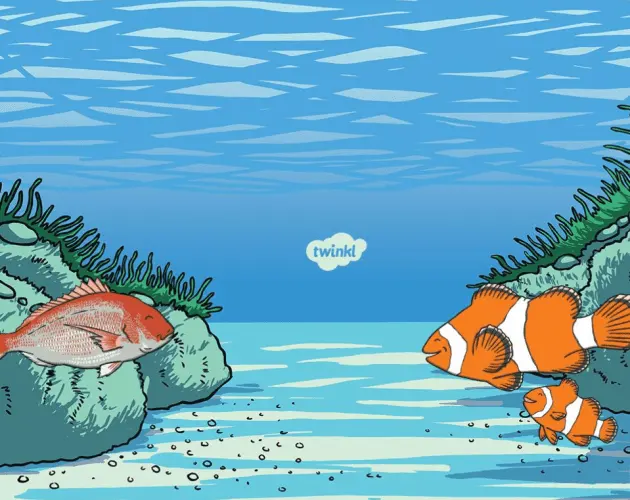
The quality of a habitat is often measured by its carrying capacity, which is the maximum population size an environment can sustain without degrading its resources. If a habitat is healthy, it possesses a balance of energy flow and nutrient cycling. For instance, a coral reef provides complex structural shelter and nutrient-rich waters that support thousands of marine species. If the water temperature rises or pollution enters the system, the habitat degrades, often leading to a rapid decline in the diversity and health of the resident organisms.
How do habitats change over time?
Habitats are rarely static; they undergo constant transformation through natural cycles and external pressures. Succession is the primary process by which the structure of a biological community evolves over time. For example, after a forest fire clears an area, pioneer species like grasses and shrubs move in, eventually giving way to larger trees as the soil quality and shade levels change. This transition illustrates that a habitat is a dynamic entity rather than a permanent fixture on the landscape.
Human activity has significantly accelerated these changes, often leading to habitat fragmentation. When large, continuous areas are broken into smaller, isolated patches by roads or urban development, the species within them struggle to find enough food or mates. This process often results in the loss of interior-dwelling species that require deep forest or undisturbed plains to survive. Understanding these shifts is crucial for conservation, as it highlights why protecting large, connected corridors is often more effective than preserving small, isolated pockets of land.
What are the different types of habitats?
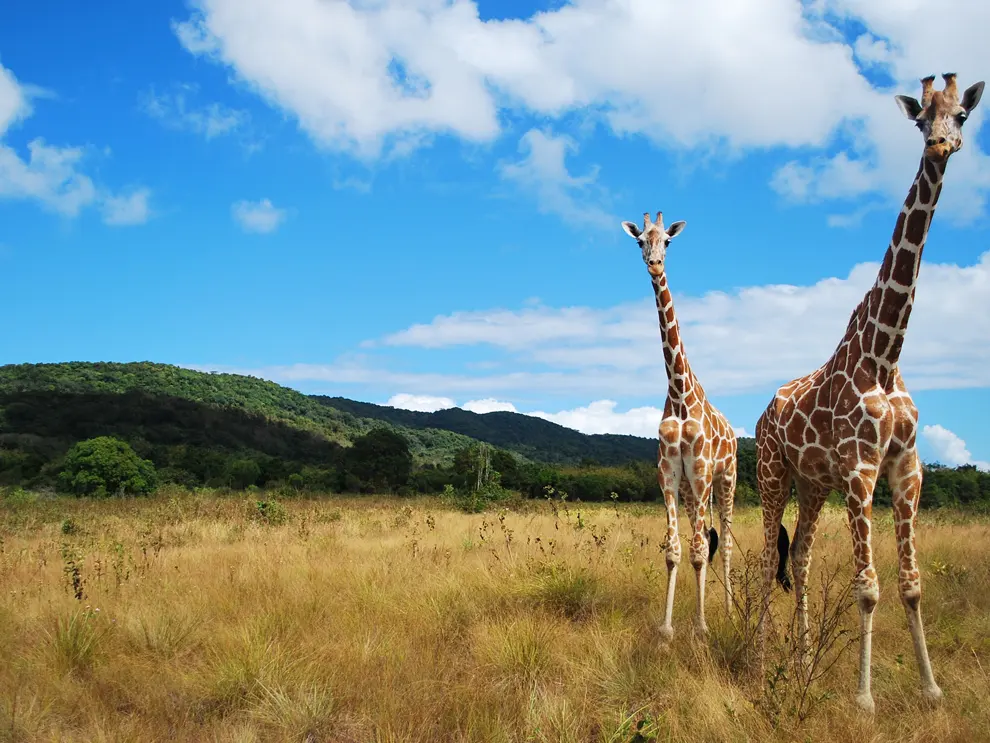
Habitats are generally categorized based on their physical characteristics and the dominant life forms they support. Scientists often divide them into two primary realms: terrestrial and aquatic. Terrestrial habitats include forests, deserts, grasslands, and tundras, each defined by specific rainfall and temperature patterns. Aquatic habitats are further divided into freshwater, such as lakes and rivers, and marine, which encompasses the vast saltwater ecosystems of the world's oceans.
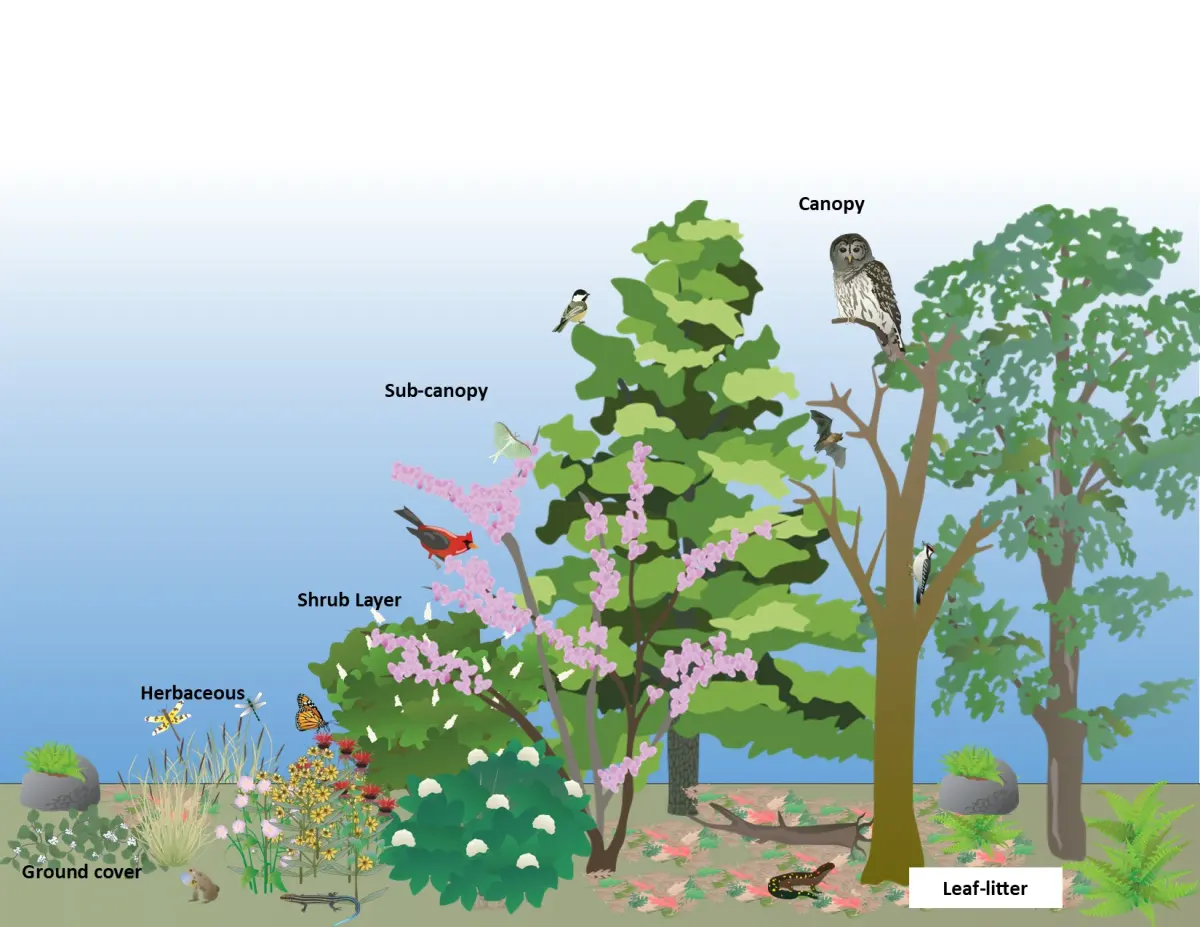
Within these broad categories, there are several specialized zones that support unique biodiversity:
- Intertidal zones: Areas exposed to air at low tide and submerged at high tide.
- Canopy layers: The upper levels of a forest that receive the most sunlight.
- Benthic zones: The lowest ecological region of a body of water, including the sediment surface.
- Subterranean habitats: Underground environments, such as caves, which lack light but provide stable temperatures.
- Riparian zones: The interface between land and a river or stream, acting as a buffer for water quality.
How to identify a local habitat?
You can identify a local habitat by observing the specific interactions between the plants and animals in your immediate environment. Start by looking for the "indicator species," which are organisms that reveal the health and type of the environment. For example, the presence of certain lichens can indicate clean air, while specific aquatic insects in a stream suggest high water quality. By observing these biological markers, you can begin to map the boundaries and characteristics of the habitat around you.
To conduct a basic habitat assessment, follow these steps:
- Observe the physical landscape: Note the soil type, water sources, and sunlight exposure.
- Catalog the vegetation: Identify the dominant plant species, as they provide the structural foundation for the habitat.
- Document animal activity: Look for signs such as tracks, scat, nests, or vocalizations that indicate which animals utilize the space.
- Monitor seasonal changes: Record how the environment shifts from spring to winter to understand the habitat's annual cycle.
- Identify potential stressors: Look for signs of human interference, such as litter, invasive species, or erosion.
Common mistakes when studying habitats
One common mistake is assuming that a habitat is defined solely by the presence of animals. People often overlook the critical role of soil, fungi, and bacteria, which are the unseen engines of every ecosystem. Without the decomposition provided by these organisms, nutrients would not cycle back into the soil, and the plants that support the entire food web would fail. A truly accurate study of a habitat must include the invisible biological processes that sustain the visible life above ground.
Another frequent error is the belief that all habitats are pristine or "natural." Many species have adapted to thrive in human-altered environments, such as urban parks, agricultural fields, or even backyard gardens. These "anthropogenic" habitats are increasingly important for biodiversity in a changing world. When studying a habitat, avoid the tendency to ignore these modified spaces, as they often serve as vital corridors or refuges for resilient species. By expanding your definition of what constitutes a habitat, you gain a more complete understanding of how life persists in our modern, interconnected world.
Key facts
- A habitat is the specific natural environment where a species finds the food, water, shelter, and space required to survive and reproduce.
- Habitats are categorized by their physical and biological features, such as temperature, humidity, light availability, and soil composition.
- The term "microhabitat" refers to a very small, localized area within a larger habitat, such as the underside of a rotting log or a single leaf.
- Habitat loss due to human activity, such as deforestation or urbanization, is currently the leading cause of global biodiversity decline.
- Animals and plants often possess specialized adaptations, such as webbed feet or thick fur, that make them uniquely suited to their specific habitat.
- To support local wildlife, you can create a backyard habitat by providing native plants, a clean water source, and nesting structures.
The bottom line
A habitat is the essential home that provides everything an organism needs to live, including food, water, and protection. Understanding these environments is crucial for conservation, as every species relies on specific conditions to thrive. By protecting these spaces from destruction and fragmentation, we preserve the delicate balance of nature and ensure that diverse life forms can continue to flourish in their natural homes.
People also ask
What is the difference between a habitat and an ecosystem?
A habitat is the specific place where an organism lives, while an ecosystem includes all living organisms in an area interacting with their physical environment. You can think of the habitat as the "address" and the ecosystem as the "community."
Can an animal live in more than one habitat?
Yes, many species are generalists and can thrive in diverse environments, while others are specialists that require very specific conditions. Migratory animals, such as the Arctic tern, may utilize different habitats across the globe throughout the year.
How does climate change affect natural habitats?
Climate change alters temperature and precipitation patterns, forcing species to migrate to new areas or face extinction. When a habitat changes too rapidly, the resident species may be unable to adapt in time to survive.
What are the most common types of habitats on Earth?
The major global habitats, or biomes, include forests, grasslands, deserts, tundra, and aquatic environments like oceans and wetlands. Each of these broad categories contains countless smaller, specialized habitats.
Why is habitat fragmentation a problem for wildlife?
Fragmentation occurs when large habitats are broken into smaller, isolated patches by roads or buildings. This limits the movement of animals, reduces genetic diversity, and makes it harder for species to find sufficient resources.
How can I identify the habitat of a local plant or animal?
Observe where the organism spends most of its time and what resources it seems to be utilizing. Look for key indicators like proximity to water, specific types of vegetation, or the presence of shelter like rocks and burrows.
This answer was created with the help of AI research tools and reference sources. Spotted an error? Let us know — we correct mistakes quickly. See our editorial policy.