Where do black bears live?
Short answer
American black bears (Ursus americanus) inhabit a vast range across North America, spanning from the northern reaches of Alaska and Canada down to central Mexico. They primarily thrive in forested regions, though they are highly adaptable and can be found in swamps, mountains, and occasionally near human-populated suburban areas.
On this page
Where do black bears live geographically?
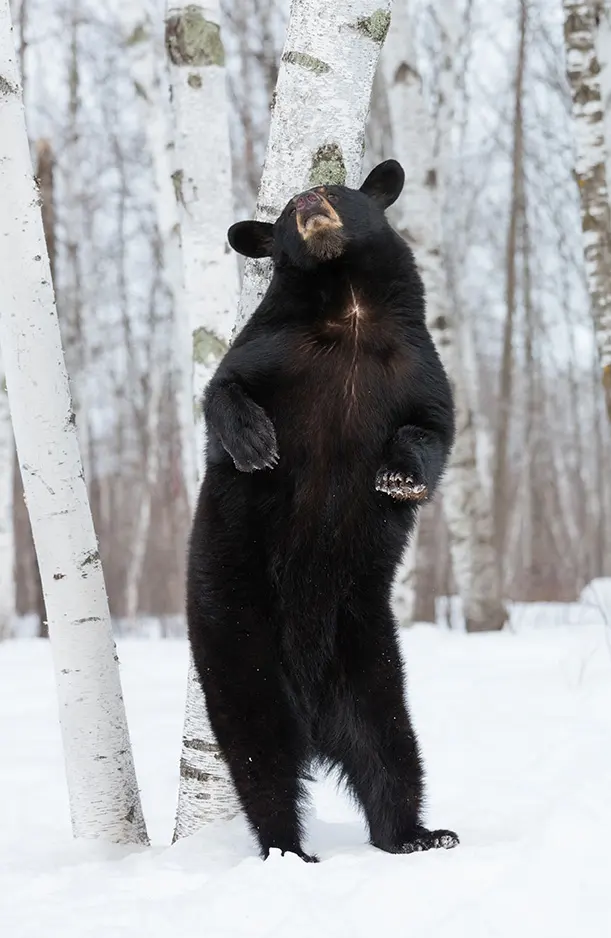
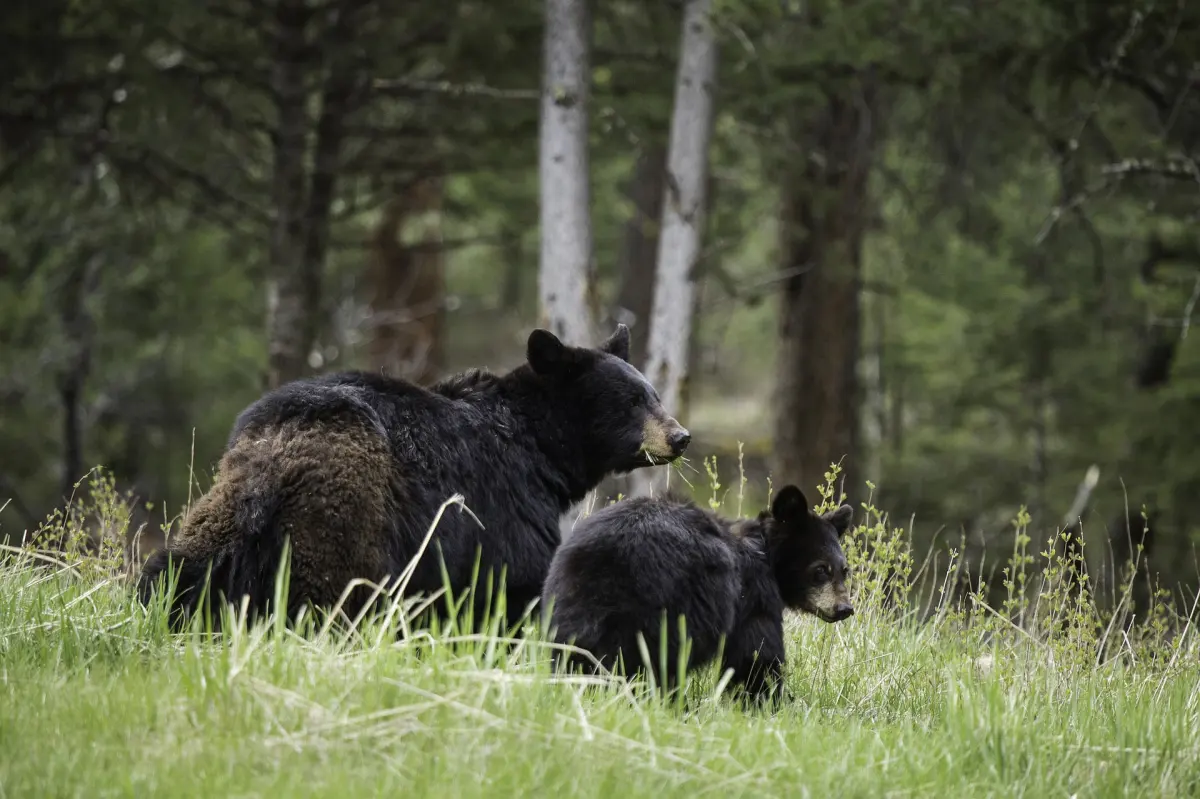
The American black bear is the most widely distributed bear species in North America. Their range extends from the northern timberline in Alaska and Canada, across most of the continental United States, and southward into the highlands of central Mexico. Unlike other species that require specific climates, black bears have successfully colonized diverse environments, including the dense boreal forests of the north, the temperate deciduous woods of the eastern United States, and the rugged, arid mountain ranges of the Southwest.
While they are absent from the most arid desert regions and the high-altitude treeless tundra, their adaptability allows them to exist in fragmented habitats. In the United States, they are found in nearly every state with significant forest cover, including stable populations in the Appalachian Mountains, the Rocky Mountains, and the Pacific Northwest. Their ability to survive in such varied latitudes and elevations makes them one of the most successful large mammals on the continent.
What type of habitat do black bears prefer?
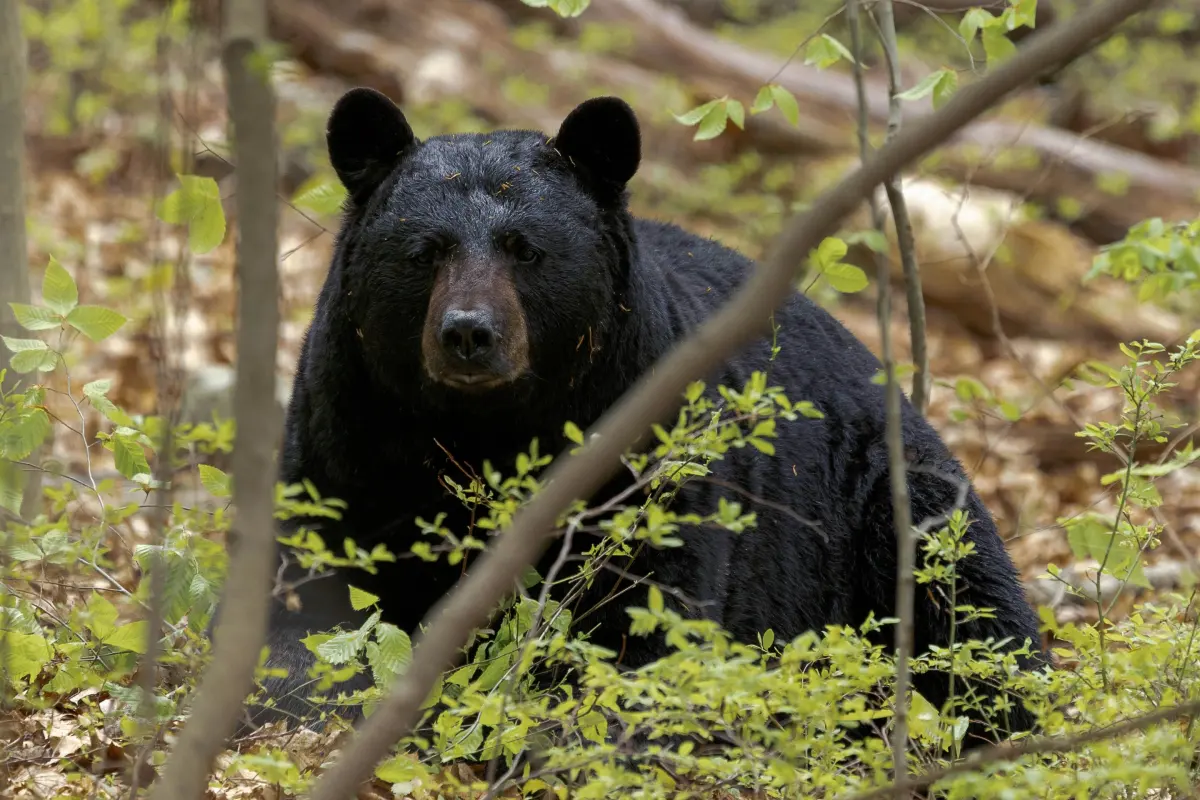
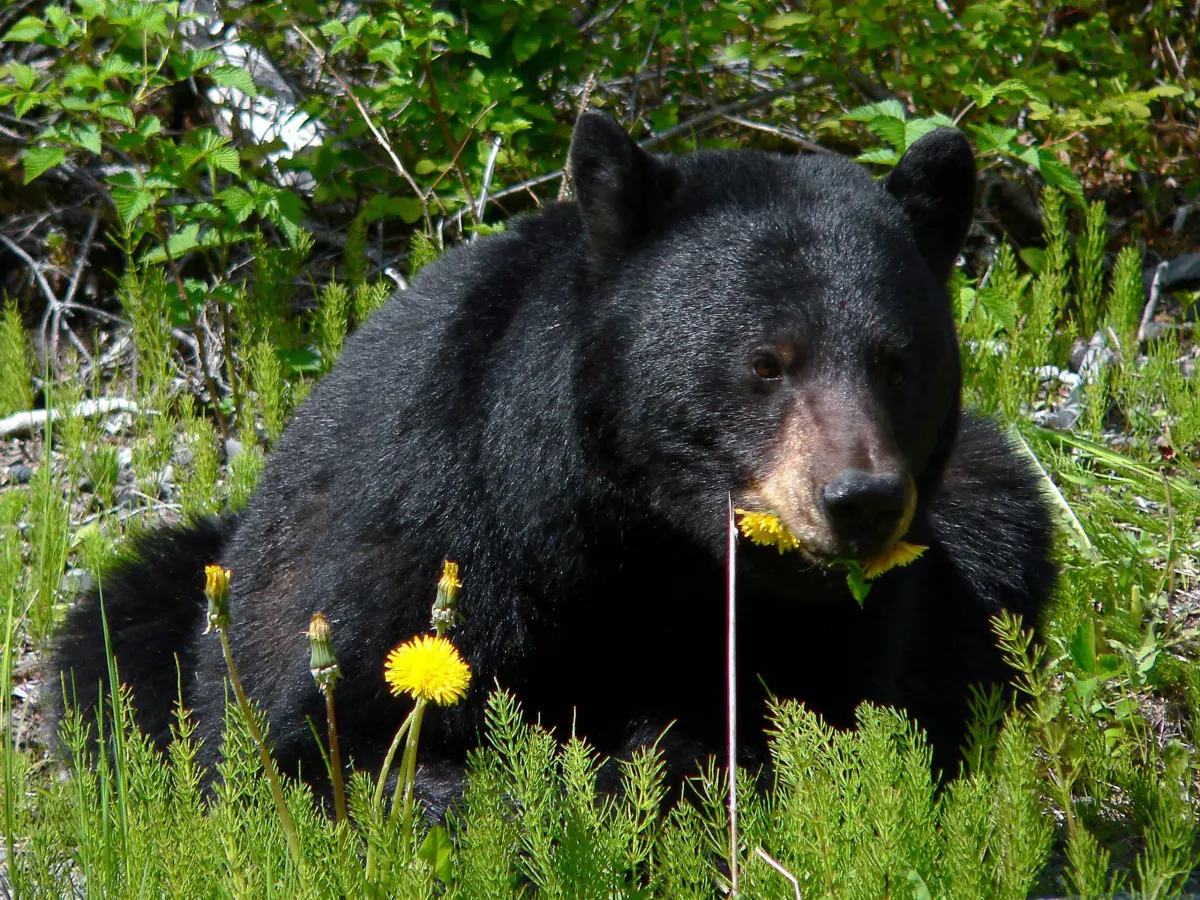
Black bears are primarily forest-dwelling animals that rely on dense vegetation for protection, denning sites, and food sources. They prefer areas characterized by a mix of forest types, such as coniferous and deciduous trees, which provide a diverse diet of berries, nuts, insects, and succulent plants. Large, contiguous tracts of forest are ideal, as they provide the necessary cover for the bears to feel secure while foraging or raising their cubs.
Beyond basic forest cover, black bears look for specific environmental features to support their seasonal needs. They are particularly attracted to areas with:
- Riparian zones: Streams and rivers that provide water and seasonal fish runs.
- Mast-producing trees: Oak, beech, and hickory forests that offer high-calorie nuts for winter fat storage.
- Dense understory: Thick brush or blowdowns that offer safe bedding areas during the day.
- Wetland complexes: Swamps or marshes that provide early spring vegetation and thermal regulation during hot summer months.
How do black bears adapt to human environments?
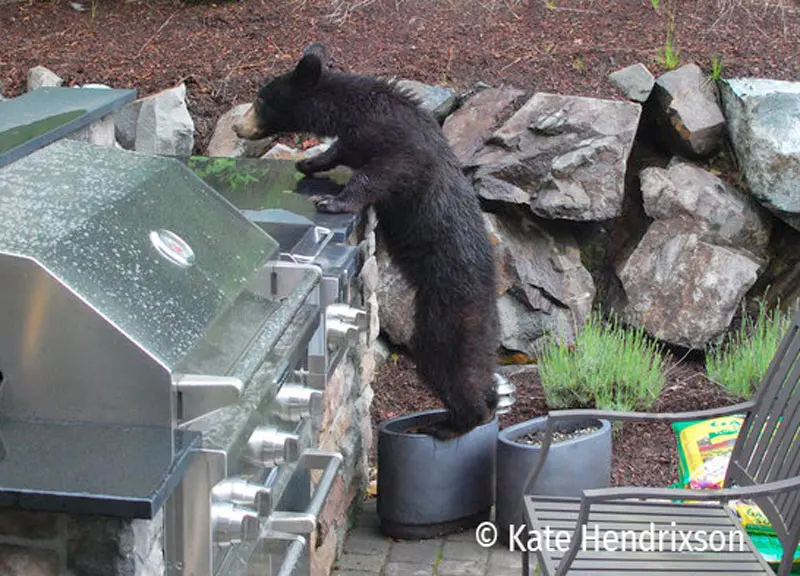
In recent decades, black bears have increasingly moved into suburban and rural areas where human development overlaps with their natural range. This phenomenon, often called the "urban bear" interface, occurs when bears discover that human-provided food sources—such as bird feeders, garbage cans, and pet food—are easier to access than natural forage. Because black bears are opportunistic omnivores, they can quickly learn to associate human activity with high-calorie rewards.
This proximity to humans often leads to habituation, where the bear loses its natural fear of people. While this might seem like a peaceful coexistence, it frequently results in negative outcomes for both parties. Bears that become food-conditioned often lose their ability to forage effectively in the wild and may become aggressive or destructive. Consequently, wildlife agencies are often forced to relocate or euthanize bears that have become too comfortable in residential neighborhoods, highlighting the importance of keeping wild animals wild.
Common mistakes when living near black bears
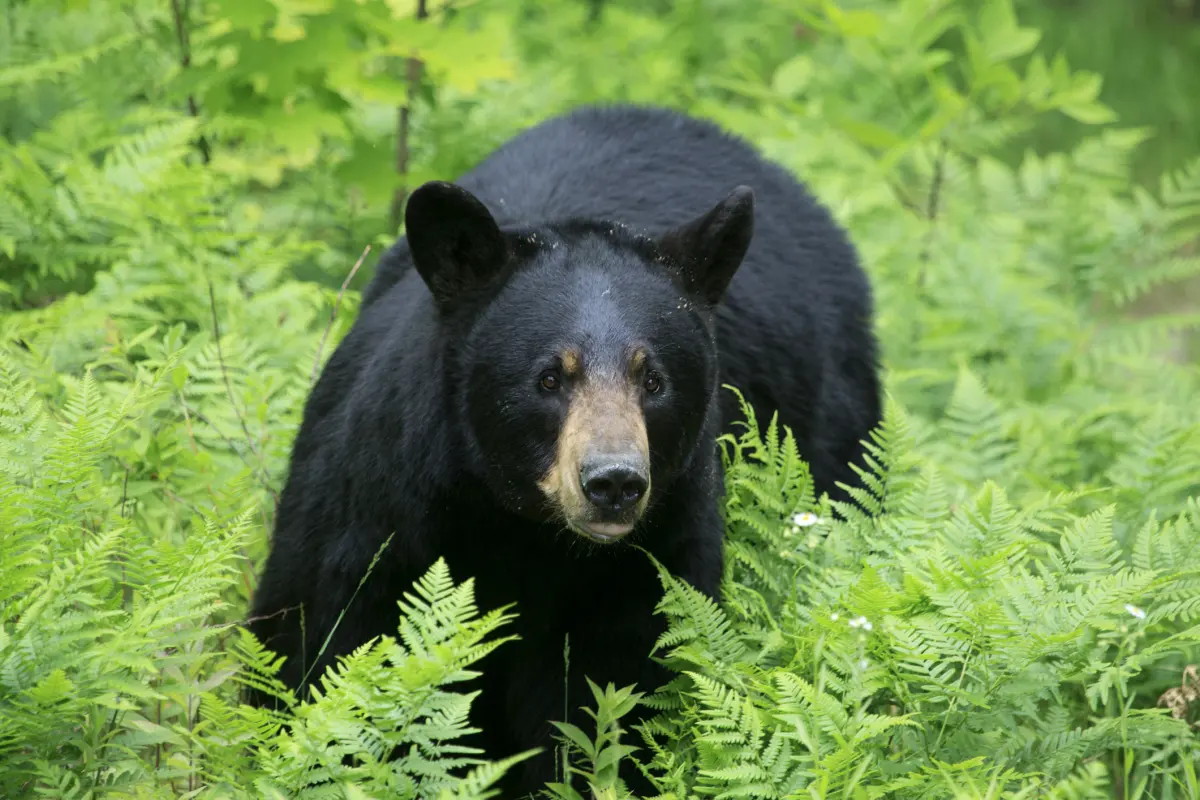
Living in bear country requires a proactive approach to prevent attracting these animals to your property. A common mistake is the belief that black bears are only active in deep wilderness, leading homeowners to leave attractants unsecured. Another error is failing to understand the bear’s sense of smell, which is significantly more acute than that of a bloodhound. Even small amounts of food residue can draw a bear to a porch or garage from miles away.
To minimize the risk of conflict, follow these essential guidelines:
- Secure all garbage: Use bear-resistant containers and keep them in a locked shed or garage until the morning of pickup.
- Remove bird feeders: Birdseed is a high-calorie attractant that is difficult for bears to resist; remove these entirely during the spring and summer.
- Clean outdoor grills: Burn off food residue after every use and store the grill in a secure area.
- Manage pet food: Never leave pet food bowls outside, as the scent is a major draw for hungry bears.
- Compost responsibly: Avoid adding meat, dairy, or fruit scraps to compost piles, as these items are highly aromatic.
Why do black bears move during different seasons?
Black bear movement is dictated primarily by the search for food, which shifts throughout the year. In the spring, they emerge from their winter dens and seek out low-elevation areas where new, succulent green vegetation is the first to sprout. As summer progresses, they move toward berry patches and fruit-bearing shrubs. By autumn, they enter a period known as hyperphagia, where they must consume massive amounts of calories to build fat reserves for the winter.
During this fall period, bears will travel long distances to find high-energy foods like acorns or beechnuts. If natural food crops fail due to drought or frost, bears will travel even further, often wandering into residential areas in search of alternative sustenance. Understanding these seasonal patterns is key to predicting bear activity. By respecting their need for space and securing potential food sources, humans can help ensure that black bears remain in their natural habitats rather than becoming a nuisance in our own backyards.
Key facts
- The American black bear (Ursus americanus) is the most widely distributed bear species in North America.
- Their range spans from the northern reaches of Alaska and Canada down to central Mexico.
- Black bears thrive in diverse habitats, including dense coniferous forests, deciduous woodlands, and swampy wetlands.
- While they are primarily forest dwellers, they frequently venture into suburban areas in search of easily accessible food.
- To prevent attracting bears to your property, secure all trash cans with bear-resistant locks and remove bird feeders during active months.
- Never store food or scented toiletries inside a tent while camping, as these items can draw bears into your immediate vicinity.
The bottom line
Black bears are remarkably resilient animals that inhabit a vast array of North American ecosystems, from deep wilderness forests to the outskirts of human settlements. Their survival depends on access to varied food sources and sufficient cover. By respecting their space and securing potential attractants like trash and pet food, humans can safely coexist with these intelligent creatures while ensuring they remain wild and healthy.
People also ask
Are black bears found in every U.S. state?
No, black bears are not present in every state. They are notably absent from most of the Great Plains, parts of the Midwest, and Hawaii.
Do black bears hibernate in the winter?
Black bears enter a state of torpor, which is similar to hibernation. During this time, they lower their body temperature and heart rate to conserve energy, but they can still wake up if disturbed.
Can black bears live in urban environments?
Yes, black bears are highly adaptable and often live in the "wildland-urban interface." They may forage in residential neighborhoods if they find unsecured garbage, pet food, or fruit trees.
How large is a typical black bear's home range?
A male black bear's home range can span 15 to 80 square miles, depending on the availability of food. Females typically occupy much smaller ranges, often between 2 and 15 square miles.
Do black bears live in the same areas as grizzly bears?
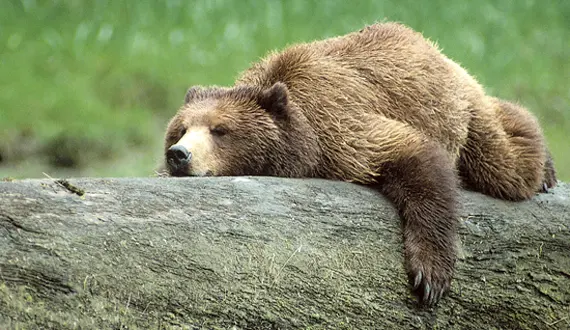
In some regions, such as parts of the Rocky Mountains and Canada, their ranges overlap. However, they generally compete for resources, and black bears often avoid areas dominated by the more aggressive grizzly.
How can I tell if a bear lives near my home?
Look for signs such as claw marks on trees, overturned logs, scat, or tracks in soft soil. If you notice these signs, ensure you are practicing proper food storage and waste management to avoid conflicts.
This answer was created with the help of AI research tools and reference sources. Spotted an error? Let us know — we correct mistakes quickly. See our editorial policy.