How long do black bears live?
Short answer
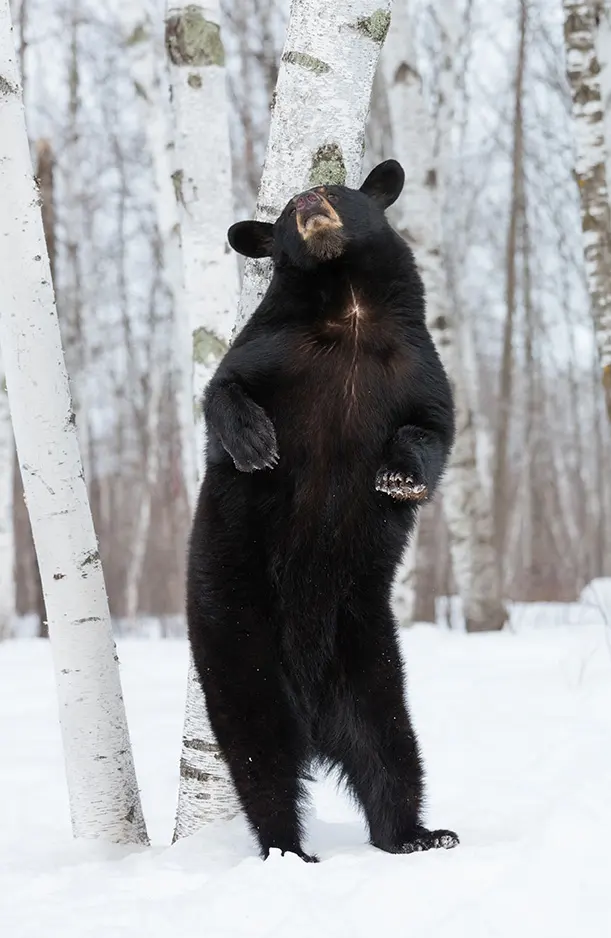
American black bears typically live 15 to 25 years in the wild. While some individuals reach 30 years under ideal conditions, high mortality rates often limit average lifespans to closer to 10 years. Bears in captivity frequently live significantly longer, sometimes exceeding 35 years due to consistent nutrition and lack of environmental threats.
On this page
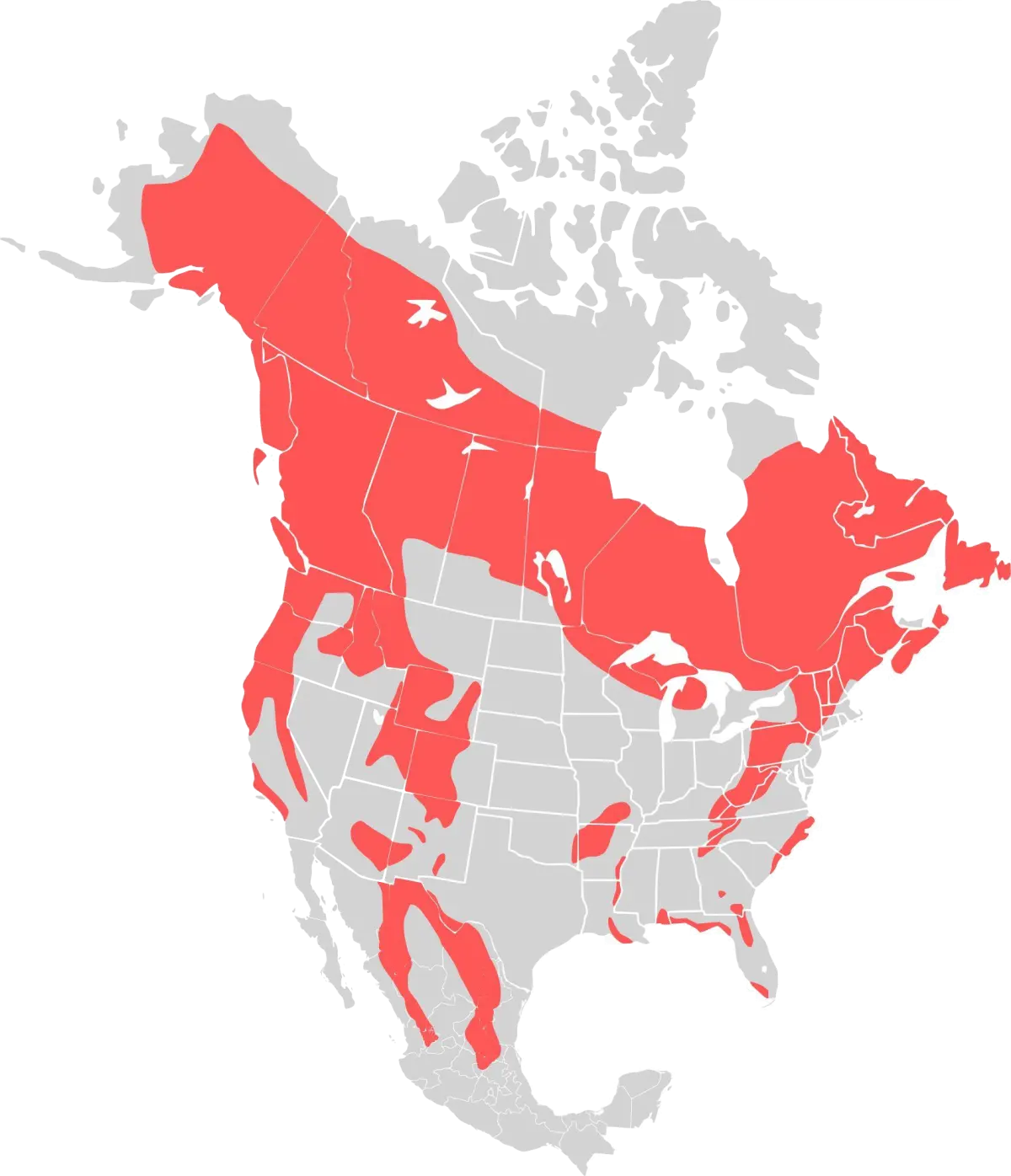
How long do black bears live in the wild?
In natural habitats, the lifespan of a black bear is heavily influenced by environmental pressures, food availability, and human interaction. While a bear is biologically capable of living for three decades, most wild bears do not reach this age. Factors such as disease, injuries, and competition for territory play a significant role in determining how long an individual survives.
Young bears face the highest risk of mortality during their first few years of life. Cubs are vulnerable to predation by larger carnivores, including other bears, and they face high risks during their first winter if they fail to accumulate sufficient fat reserves. Once a bear reaches adulthood, its chances of survival increase significantly, provided it can successfully navigate human-dominated landscapes and secure a reliable food source.
Why do black bears live longer in captivity?
Bears kept in zoos or sanctuaries often live well into their thirties because they are shielded from the primary causes of premature death. In these controlled environments, animals receive regular veterinary care, prophylactic treatments for parasites, and a consistent, nutritionally balanced diet. They do not need to expend energy foraging, nor do they face the risks associated with territory disputes or vehicular collisions.
The absence of environmental stressors allows these bears to reach their biological maximum age. While they lack the freedom of the wild, their physical health is monitored closely by professionals. This stark difference in longevity highlights how much external factors, rather than just genetics, dictate the lifespan of the species.
- Access to high-quality medical care.
- Elimination of seasonal food scarcity.
- Protection from poaching and hunting.
- Absence of territorial combat injuries.
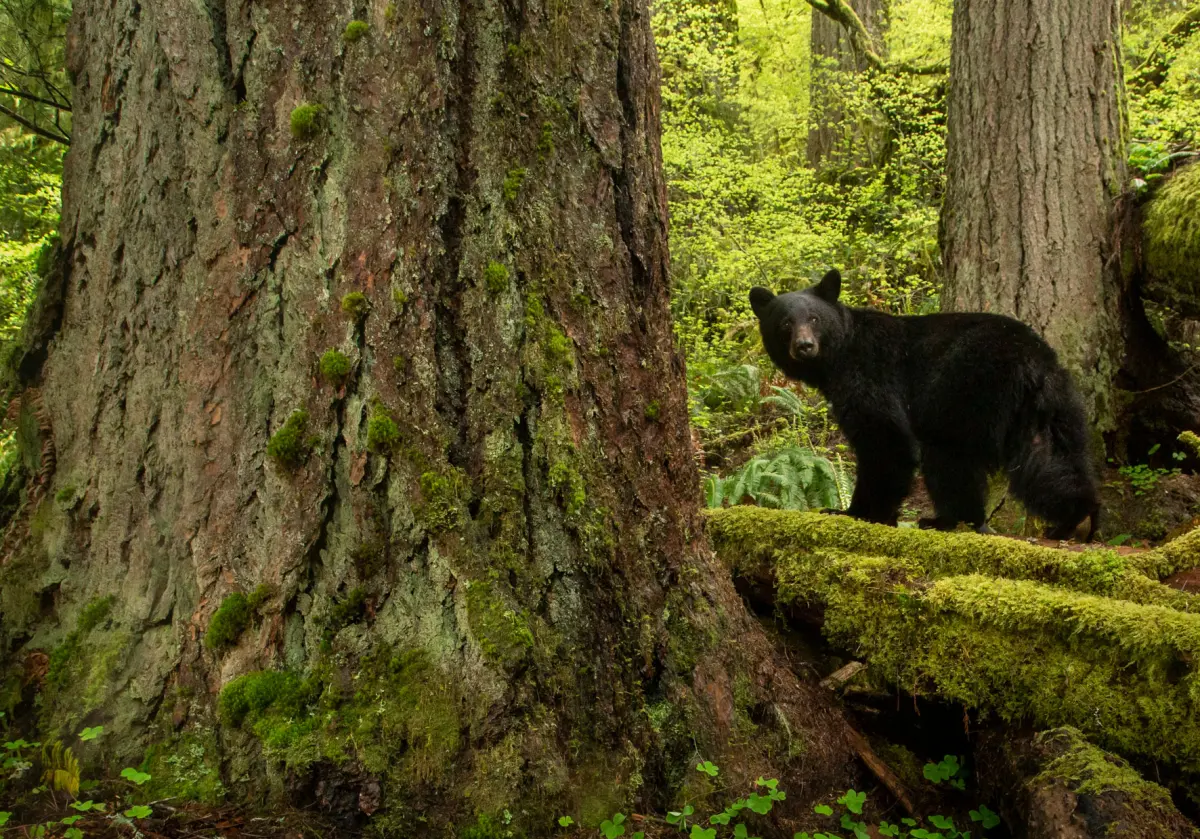
What factors shorten a black bear's lifespan?
Human activity is the leading cause of premature death for black bears in North America. Vehicle collisions are a major concern, particularly for younger bears dispersing to find their own territories. Additionally, illegal poaching and legal hunting seasons significantly impact local population structures and reduce the average age of bears in many regions.
Environmental degradation also plays a role in shortening lifespans. As natural habitats become fragmented, bears are forced to travel further to find food, increasing their exposure to roads and human settlements. Bears that become habituated to human food sources, such as garbage or birdseed, often face lethal management actions when they become a nuisance, which is a common and avoidable tragedy.
How can people help bears live longer?
Living in bear country requires a proactive approach to prevent human-bear conflicts. The most effective way to help bears is to make your property unattractive to them by securing potential food sources. When bears are not encouraged to enter residential areas, they remain in their natural habitat, significantly increasing their chances of survival.
- Secure all trash cans in bear-resistant containers or keep them inside a garage until pickup day.
- Remove bird feeders during the spring, summer, and fall, as seeds are a high-calorie attractant.
- Clean outdoor grills thoroughly after every use to remove grease and food residue.
- Pick up fallen fruit from trees immediately so it does not ferment or attract scavengers.
- Keep pet food indoors and never leave it on porches or in open sheds.
Common mistakes when living near black bears
A frequent error people make is assuming that a bear will naturally fear humans or stay away from homes. In reality, bears are highly intelligent and opportunistic; if they find an easy meal, they will return repeatedly. Feeding bears, even accidentally, is the most dangerous mistake a resident can make, as it leads to habituation and often results in the bear being euthanized.
Another common mistake is failing to secure compost piles or outdoor pet enclosures. Many people underestimate a bear’s sense of smell, which can detect food from over a mile away. By failing to manage these attractants, homeowners inadvertently draw bears into dangerous situations where they are more likely to be hit by cars or shot by authorities. Proper management is essential for the long-term health and safety of both the bears and the human community.
Key facts
- Wild American black bears typically live between 15 and 25 years.
- Bears in captivity can live significantly longer, sometimes reaching 30 to 40 years.
- Most bear mortality in the wild is caused by human-related factors like vehicle collisions and hunting.
- A bear’s age is determined by counting growth rings in the cementum of a premolar tooth.
- Females generally live longer than males because they are less likely to engage in risky territorial fights.
- To avoid attracting bears, always secure trash in bear-resistant containers and store food in airtight bags.
The bottom line
While wild black bears usually live for two decades, their lifespan is heavily influenced by their environment and human interaction. By securing food sources and respecting their natural habitats, humans can help reduce unnecessary bear mortality. Understanding that these animals are long-lived, intelligent creatures emphasizes the importance of coexistence. Ultimately, protecting their natural food supply remains the most effective way to ensure they reach their full potential.
People also ask
Do black bears hibernate?
Black bears enter a state of torpor during winter, which is a deep sleep where their heart rate and metabolism slow down. They do not fully hibernate like some smaller mammals, meaning they can wake up quickly if disturbed.
What is the primary cause of death for black bears?
Human activity is the leading cause of mortality, including legal hunting, poaching, and vehicle strikes. Natural causes like starvation, disease, and injuries from other bears also contribute to their death rates.
How can you tell the age of a black bear?
Biologists extract a small premolar tooth from the bear's jaw to analyze its root structure. Under a microscope, the tooth reveals distinct annual rings, similar to the rings found inside a tree trunk.
Are black bears dangerous to humans?
Black bears are generally shy and avoid human contact whenever possible. Attacks are extremely rare, but they can occur if a bear feels threatened, is protecting cubs, or has become habituated to human food sources.
Do black bears have natural predators?
Adult black bears have very few natural predators, though grizzly bears and mountain lions may occasionally kill cubs. In most ecosystems, the black bear is considered an apex predator with no threats other than humans.
How large do black bears grow?
Adult black bears typically weigh between 150 and 400 pounds, depending on their gender and food availability. Males are usually larger than females and can occasionally exceed 600 pounds in areas with abundant resources.
This answer was created with the help of AI research tools and reference sources. Spotted an error? Let us know — we correct mistakes quickly. See our editorial policy.