Where do zebras live?
Short answer
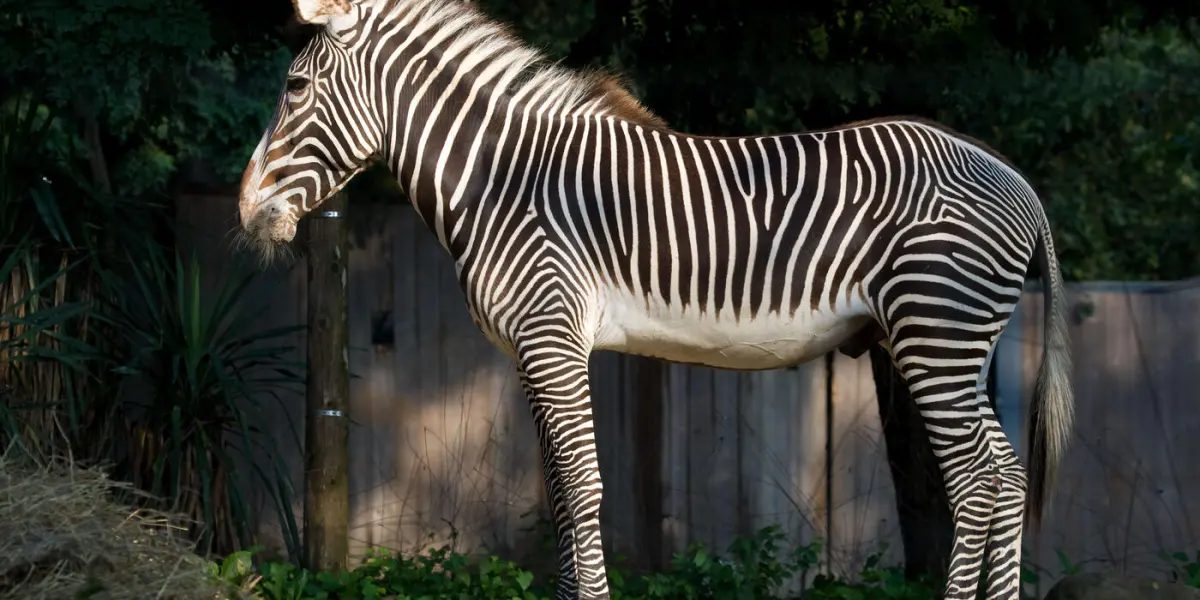
Zebras live exclusively in Africa, inhabiting a variety of environments across the continent’s eastern and southern regions. They are primarily found in savannas, grasslands, woodlands, and mountainous areas. While their range has historically contracted due to human activity, they remain widespread in protected national parks and various private wildlife reserves.
On this page
Where do zebras live in the wild?
Zebras are native to the African continent, where they occupy diverse habitats ranging from the arid plains of the Kalahari to the lush grasslands of the Serengeti. Their distribution is largely determined by the availability of water and grazing resources, as these animals are highly dependent on reliable access to both. While they were once found across much of sub-Saharan Africa, their current range is fragmented.
Most wild populations are now concentrated in protected areas, national parks, and private conservancies. These regions provide the necessary security and environmental conditions for the three distinct species—Plains, Grevy’s, and Mountain zebras—to thrive. The specific geographical distribution of these animals is as follows:
- Plains zebras: Found across eastern and southern Africa, including countries like Kenya, Tanzania, Botswana, and South Africa.
- Grevy’s zebras: Primarily restricted to small, isolated populations in northern Kenya and parts of Ethiopia.
- Mountain zebras: Inhabited in the rugged, elevated terrain of Namibia and South Africa.
What habitats do zebras prefer?
Zebras are remarkably adaptable herbivores that favor open landscapes where they can easily spot approaching predators. The Plains zebra, the most common species, thrives in savanna woodlands and vast grasslands. These environments offer a mix of tall grasses for food and open space for visibility, which is essential for survival in areas populated by lions and hyenas.
In contrast, the Mountain zebra is physiologically adapted to rocky, steep environments. They possess specialized hooves that provide excellent traction on uneven, mountainous slopes, allowing them to access vegetation that other grazers cannot reach. Meanwhile, the endangered Grevy’s zebra prefers semi-arid scrublands. These regions are characterized by sparse vegetation and harsh, dry conditions, requiring the animals to be highly mobile as they travel long distances to find water holes and patches of forage.
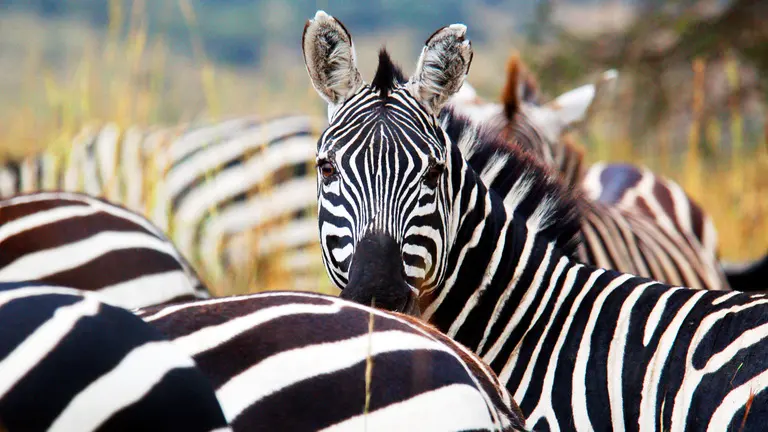
How to spot zebras in their natural habitat
If you are planning a safari to observe zebras, timing and location are critical factors for success. The best time to view them is during the dry season, which typically runs from June to October in East Africa. During these months, vegetation thins out, and zebras congregate around permanent water sources, making them much easier to locate.
To increase your chances of a successful sighting, follow these professional guidelines:
- Research the specific park or reserve to identify which of the three species is present.
- Focus your search near riverbeds, dams, and artificial waterholes during the early morning or late afternoon.
- Look for herds near migratory corridors, especially if you are visiting during the Great Migration in the Serengeti.
- Use binoculars to scan the horizon, as zebras often blend into the tall grass despite their striking patterns.
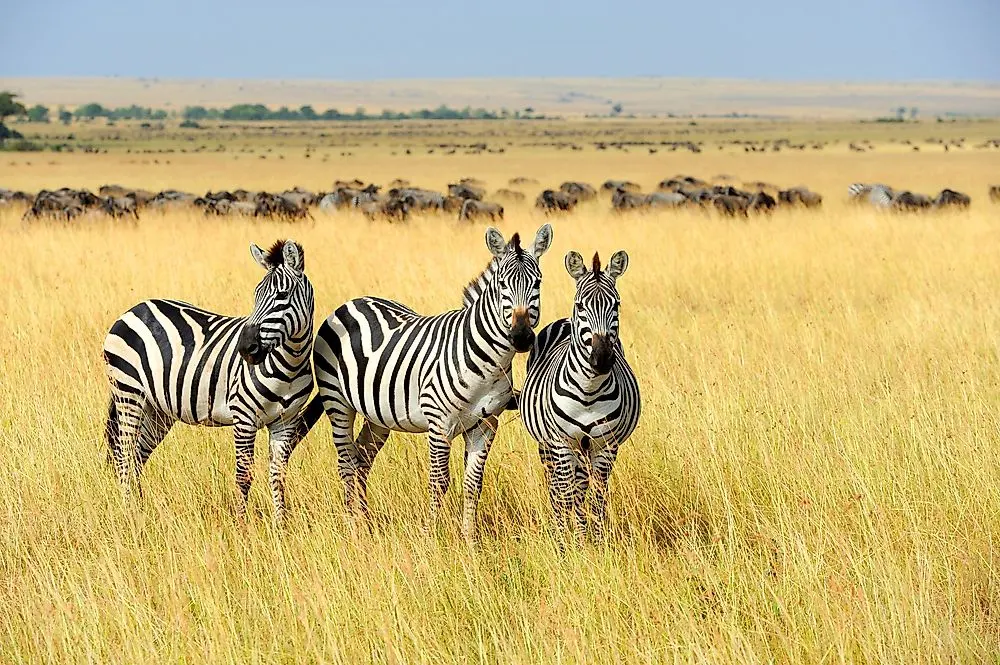
Common mistakes when tracking zebras
One of the most frequent errors travelers make is assuming that zebras are always found in massive, stationary herds. While they are social animals, they are also highly nomadic and constantly on the move to find fresh grazing. Expecting to find them in the exact same location from one day to the next often leads to disappointment. Visitors should remain flexible and rely on the expertise of local guides who track recent movement patterns.
Another common mistake is ignoring the importance of silence and distance. Zebras are naturally skittish and possess excellent hearing and sight. If a vehicle approaches too quickly or passengers make loud noises, the herd will likely bolt, causing them to abandon their feeding or resting spot. Always maintain a respectful distance to observe natural behaviors like grooming, playing, or nursing. Avoid using flash photography, as it can startle the animals and disrupt their social interactions during the critical daylight hours.
Why zebra populations are changing
The historical range of the zebra has been significantly altered by human expansion, agriculture, and infrastructure development. As human settlements grow, the natural corridors that zebras use to migrate between seasonal grazing lands are frequently blocked by fences or roads. This fragmentation limits their ability to access food and water, leading to population declines in unprotected areas. Conservation efforts are now focused on maintaining these corridors and protecting the integrity of national parks.
Climate change also plays a significant role in the shifting distribution of these animals. Increasingly frequent droughts in East Africa have put immense pressure on water-dependent species, particularly the Grevy’s zebra. Conservationists are currently implementing programs to monitor these populations closely and manage water resources to ensure survival during extreme weather events. By supporting community-based conservation initiatives and sustainable tourism, travelers can contribute to the long-term preservation of these iconic animals in their natural African homes.
Key facts
- Zebras are endemic to the African continent and are found nowhere else in the wild.
- The plains zebra has the widest distribution, ranging from Ethiopia down to South Africa.
- Grevy’s zebras are primarily restricted to small, arid regions in northern Kenya and southern Ethiopia.
- Mountain zebras inhabit the rugged, high-altitude terrain of Namibia and South Africa.
- Zebras are highly migratory animals that follow seasonal rainfall patterns to find fresh grass.
- Avoid looking for zebras in dense forests or jungles, as they require open savannas and grasslands to thrive.
The bottom line
Zebras are iconic residents of the African savanna, with their specific distribution dictated by water availability and vegetation type. While they are adaptable, they strictly require open grasslands to graze and escape predators. Whether observing the wide-ranging plains zebra or the specialized mountain zebra, these animals remain essential components of African ecosystems, thriving in diverse habitats that range from arid scrublands to lush, high-altitude mountain ranges.
People also ask
Do zebras live in the Sahara Desert?
No, zebras do not inhabit the Sahara Desert. They require grasslands and savannas with reliable water sources, which are generally absent in the hyper-arid environment of the Sahara.
Can zebras survive in captivity outside of Africa?
Yes, zebras are frequently housed in zoos and wildlife parks globally. They are hardy animals that can adapt to various climates, provided they have adequate shelter and grazing space.
Are all zebra species found in the same areas?
No, the three species have distinct ranges. While their habitats sometimes overlap, Grevy’s zebras prefer arid scrublands, while mountain zebras are specialized for rocky, mountainous slopes.
Do zebras migrate long distances?
Yes, particularly the plains zebra. They participate in massive annual migrations, such as the movement of herds across the Serengeti-Mara ecosystem in search of water and grazing land.
Why do zebras avoid swampy or forested areas?
Zebras rely on their speed and keen eyesight to detect predators like lions and hyenas. Dense vegetation inhibits their ability to run effectively and obscures their view of approaching threats.
Is it possible to see zebras in the wild on a safari?
Yes, many national parks in East and Southern Africa offer guided safaris. The best way to see them is by visiting protected reserves during the dry season when herds congregate near water holes.
This answer was created with the help of AI research tools and reference sources. Spotted an error? Let us know — we correct mistakes quickly. See our editorial policy.