Where do pythons live?
Short answer
Pythons are native to the tropical and subtropical regions of Africa, Asia, and Australia. They inhabit diverse environments, including rainforests, savannas, grasslands, and rocky outcrops. While they prefer dense vegetation near water sources, certain species have adapted to arid landscapes, demonstrating a remarkable ability to thrive across varied Old World ecosystems.

On this page
Where are pythons found in the wild?
Pythons are exclusively found in the Eastern Hemisphere, specifically throughout the tropics of Africa, Asia, and Australia. Unlike boa constrictors, which are native to the Americas, pythons occupy a vast range that spans from the sub-Saharan regions of Africa across the Indian subcontinent and into the islands of Southeast Asia. Their distribution is largely dictated by climate, as these reptiles are ectothermic and require warm temperatures to regulate their metabolism and bodily functions.
Because they rely on external heat sources, you will rarely find pythons in temperate or polar regions. Instead, they congregate in areas where humidity and warmth remain consistent year-round. Their natural habitats are incredibly diverse, ranging from dense, impenetrable jungles and mangrove swamps to open savannas and rocky, mountainous terrain. This adaptability has allowed them to colonize islands throughout the Indonesian archipelago, where they often thrive in the absence of large mammalian predators.
How do pythons choose their habitat?
The primary requirement for a python’s habitat is the presence of reliable cover and proximity to water. Pythons are ambush predators, meaning they spend much of their time lying in wait for prey to pass by. To facilitate this, they seek out environments that provide excellent camouflage, such as thick undergrowth, tall grasses, or the canopy of tropical trees. Water is equally essential, as most python species are strong swimmers and frequently hunt or hide in rivers, lakes, and marshes.
When selecting a home range, pythons often prioritize locations that offer both hunting opportunities and safety from larger threats. Common habitats include:
- Tropical rainforests with high humidity and dense foliage.
- Savannas and scrublands that provide access to small mammals and birds.
- Rocky outcrops or caves that offer shelter from extreme heat and predators.
- Mangrove forests that serve as transition zones between land and water.
- Agricultural areas where rodents are plentiful, often leading to human-wildlife encounters.
Can pythons live in human-populated areas?
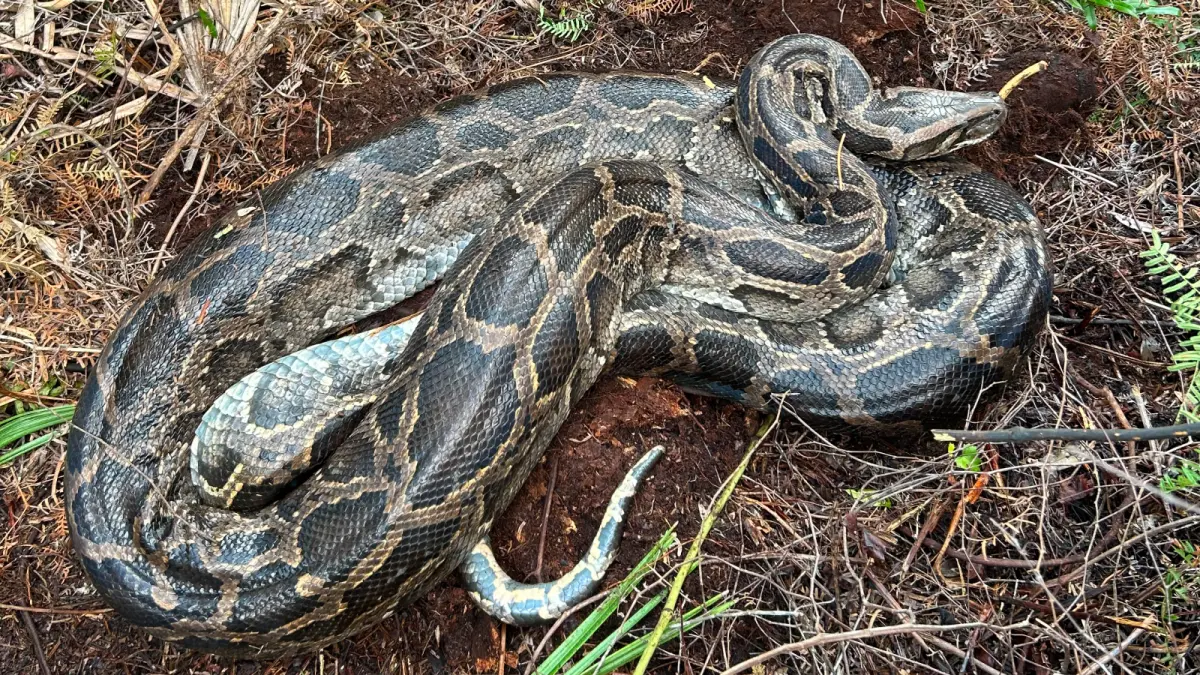
While pythons are wild animals, they are increasingly found in human-altered landscapes, particularly in Southeast Asia and parts of Florida, where they are an invasive species. In their native range, pythons may settle near rural villages or agricultural fields because these areas attract high concentrations of rodents, chickens, and livestock. This proximity often leads to conflicts, as the snakes view domestic animals as easy prey and may find refuge in drainage pipes, crawl spaces, or overgrown gardens.
In regions where pythons have been introduced, such as the Florida Everglades, they have caused significant ecological disruption. The lack of natural predators and an abundance of prey have allowed populations to explode, enabling them to occupy nearly every corner of the wetland ecosystem. Managing these populations is difficult because the snakes are masters of concealment. If you live in an area with a known python population, you should take the following precautions to avoid attracting them:
- Keep your lawn mowed short to remove potential hiding spots.
- Secure all pet food and trash to avoid attracting rodents, which draw in snakes.
- Seal gaps under sheds, porches, and foundations to prevent snakes from nesting.
- Keep pets indoors or in fully enclosed, secure runs during dawn and dusk.
What are common mistakes when identifying python habitats?
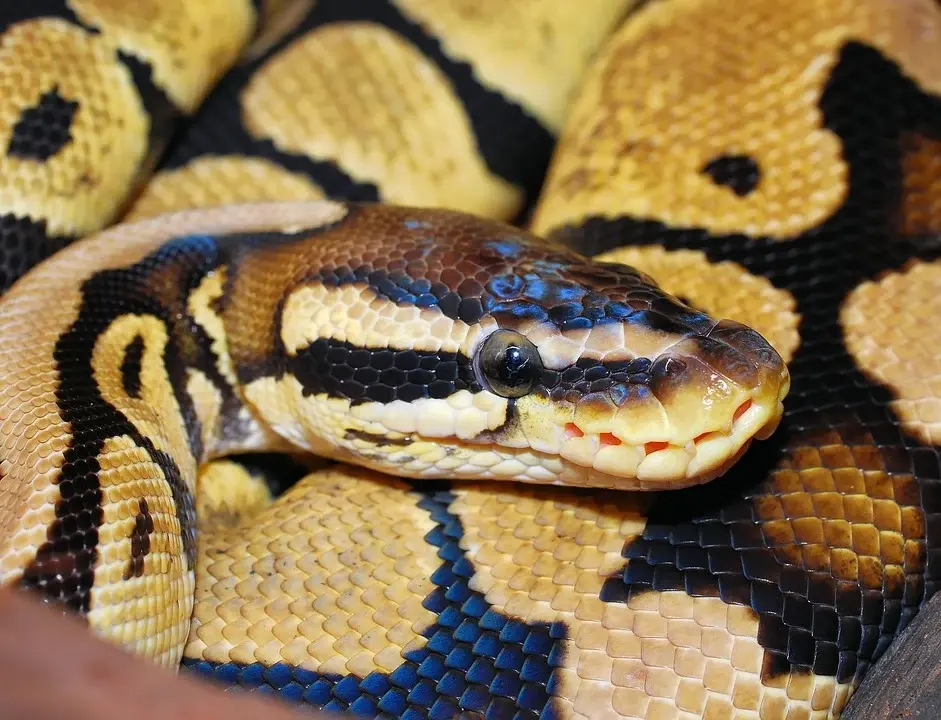
A frequent error people make is assuming that all pythons live in trees. While species like the green tree python are strictly arboreal, many others, such as the Burmese python or the rock python, are primarily terrestrial or semi-aquatic. Assuming a snake is not a python simply because it is on the ground or swimming in a river is a dangerous misconception. Another common mistake is believing that pythons only live in the deepest, most remote parts of the jungle.
Many people also fail to recognize the signs of a python's presence until it is too late. Because these snakes are nocturnal and highly secretive, they can live in close proximity to humans for years without being detected. You should avoid assuming that an area is safe just because you have never seen a snake there. Always remain vigilant in regions known for python activity, especially near water sources or in areas with high rodent populations, as these are the primary drivers of python movement.
How do pythons adapt to different environments?
The ability of pythons to survive in such a wide variety of climates is a testament to their physiological flexibility. In arid environments, pythons may become strictly nocturnal, emerging only at night when temperatures drop and humidity levels rise. Conversely, in swampy regions, they utilize their powerful muscular bodies to navigate both submerged and terrestrial paths with ease. Their scales provide a protective barrier against the elements, while their sensory pits allow them to detect the heat signatures of prey in total darkness.
Beyond physical traits, their behavioral adaptations are equally impressive. Some species can go months without eating, allowing them to survive during seasonal food shortages. They also exhibit remarkable reproductive strategies, such as the female python’s ability to "shiver" her muscles to generate heat, effectively incubating her eggs until they hatch. This level of maternal care ensures higher survival rates for offspring in competitive environments. By mastering these survival techniques, pythons have secured their place as one of the most successful and widespread groups of snakes on the planet.
Key facts
- Pythons are native to the tropical regions of Africa, Asia, and Australia, thriving in rainforests, savannas, and rocky outcrops.
- Unlike vipers, pythons are non-venomous constrictors that kill their prey by wrapping their bodies around them to induce circulatory arrest.
- The reticulated python, found in Southeast Asia, holds the record as the world's longest snake, capable of exceeding 20 feet in length.
- Many python species are excellent swimmers and climbers, allowing them to hunt both in water and high in the forest canopy.
- If you encounter a wild python, maintain a distance of at least 10 feet and avoid sudden movements to prevent startling the animal.
- Never attempt to handle a wild python, as even non-venomous species possess sharp, backward-curving teeth that can cause significant puncture wounds.
The bottom line
Pythons are powerful, non-venomous constrictors found primarily in the tropical landscapes of Africa, Asia, and Australia. While they occupy diverse habitats ranging from dense jungles to arid rocky regions, they are strictly limited to warm climates. Although they are generally elusive, their presence as an invasive species in Florida highlights the importance of responsible pet ownership and the ecological impact of non-native animals in new environments.
People also ask
Do pythons live in the United States?
While not native, Burmese pythons have established an invasive breeding population in the Florida Everglades. These snakes were likely introduced through the exotic pet trade and now pose a significant threat to local wildlife.
How long can a python live?
In captivity, many python species can live for 20 to 30 years with proper care. Lifespans in the wild are often shorter due to predation, disease, and environmental challenges.
Are all pythons dangerous to humans?
Most pythons are shy and will avoid human contact whenever possible. Attacks on humans are extremely rare and usually occur only when the snake feels threatened or is protecting a nest.
What do pythons eat in their natural habitat?
Their diet varies by size and location, ranging from rodents and birds to larger mammals like deer or wild pigs. They use heat-sensing pits along their jaws to locate warm-blooded prey in low-light conditions.
Can pythons survive in cold climates?
No, pythons are ectothermic, meaning they rely on external heat to regulate their body temperature. They cannot survive in freezing temperatures and must inhabit warm, tropical, or subtropical environments.
How do you identify a python in the wild?
Pythons are generally recognized by their thick, muscular bodies and distinct patterns, such as the blotches on a Burmese python. They lack the rattle of a rattlesnake and the hood of a cobra.
This answer was created with the help of AI research tools and reference sources. Spotted an error? Let us know — we correct mistakes quickly. See our editorial policy.