Who built the pyramids?
Short answer
The pyramids of Egypt were built by thousands of skilled Egyptian laborers, not enslaved people. These workers were organized into organized crews who lived in purpose-built towns near the construction sites. They were paid, fed, and honored for their contributions to these monumental royal tombs during the Old and Middle Kingdoms.
On this page
Who actually built the pyramids?
Contrary to popular myths involving enslaved labor or extraterrestrial intervention, archaeological evidence confirms that the pyramids were constructed by a well-organized workforce of Egyptian citizens. Discoveries at the Giza plateau, specifically the "Lost City of the Pyramid Builders," reveal that these workers were recruited from across the country. They lived in barracks, received medical care for work-related injuries, and were provided with high-quality rations.
The workforce was divided into two distinct groups: a permanent core of skilled craftsmen and a rotating labor force of seasonal workers. The permanent staff included stonemasons, architects, and engineers who lived on-site year-round. The seasonal laborers were likely farmers who worked on the pyramids during the annual Nile flood, when their fields were submerged and unusable. This system served as a form of national service, ensuring the pharaoh’s tomb was completed while maintaining the social and economic stability of the kingdom.
How were the pyramids constructed?
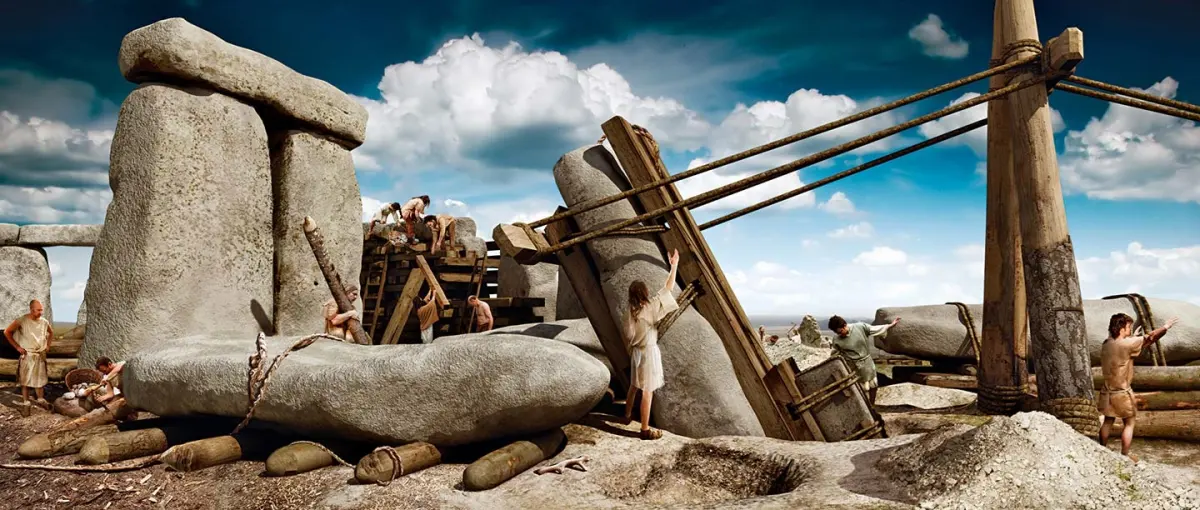
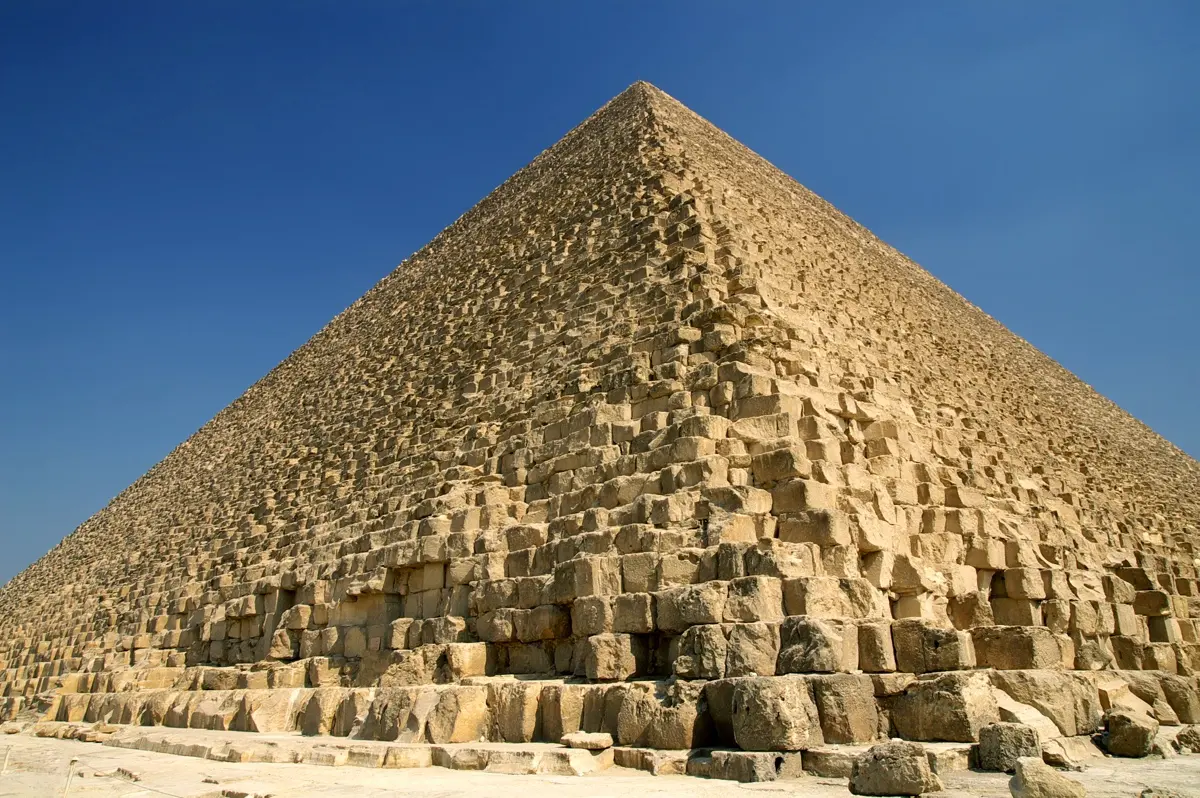
The construction process relied on a combination of sophisticated logistics, simple machines, and massive human effort. Workers quarried limestone from the Giza plateau for the core, while finer white casing stones were transported by boat from Tura across the Nile. Copper chisels, wooden mallets, and stone pounders were the primary tools used to shape these massive blocks, which often weighed several tons.
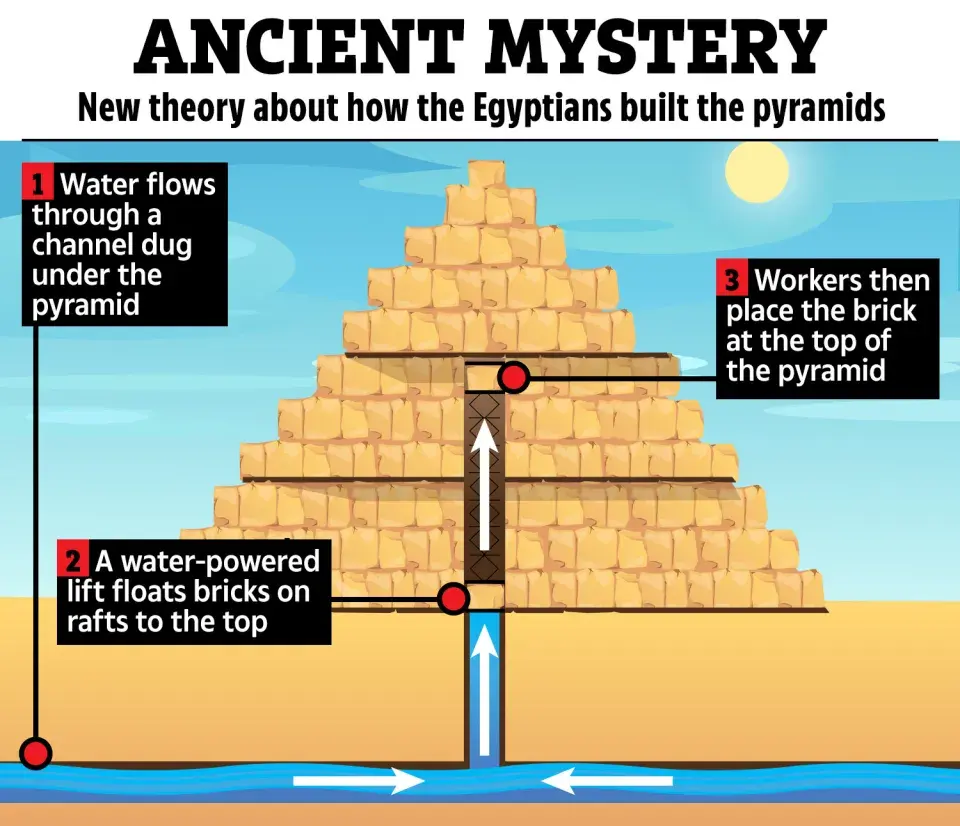
To move these stones, the Egyptians utilized a combination of sledges, lubricated tracks, and ramps. Water was poured onto the sand in front of the sledges to reduce friction, making it significantly easier to pull heavy loads. The exact design of the ramps remains a subject of academic debate, but most researchers agree on the following technical elements:
- Use of copper tools for cutting soft limestone.
- Application of water or oil to reduce friction on sledge tracks.
- Implementation of complex pulley and lever systems for precise stone placement.
- Utilization of specialized survey tools to ensure perfect alignment with cardinal directions.
How long did it take to build a pyramid?
Building a pyramid was a massive undertaking that spanned the entire duration of a pharaoh's reign. For the Great Pyramid of Giza, commissioned by Khufu, historians estimate the construction lasted approximately 20 to 25 years. This timeline required constant coordination between the central government and local provincial administrators to supply food, tools, and labor.
The project was broken down into distinct phases to ensure efficiency:
- Site selection and leveling of the bedrock foundation.
- Construction of the internal chambers and burial vaults.
- Rapid stacking of the core blocks using massive ramps.
- Final casing and polishing of the exterior limestone blocks.
- Installation of the pyramidion, or capstone, at the very summit.
Delays were common due to the death of a pharaoh, which necessitated the immediate completion of the tomb, or disruptions in the supply chain caused by poor harvests or administrative instability.
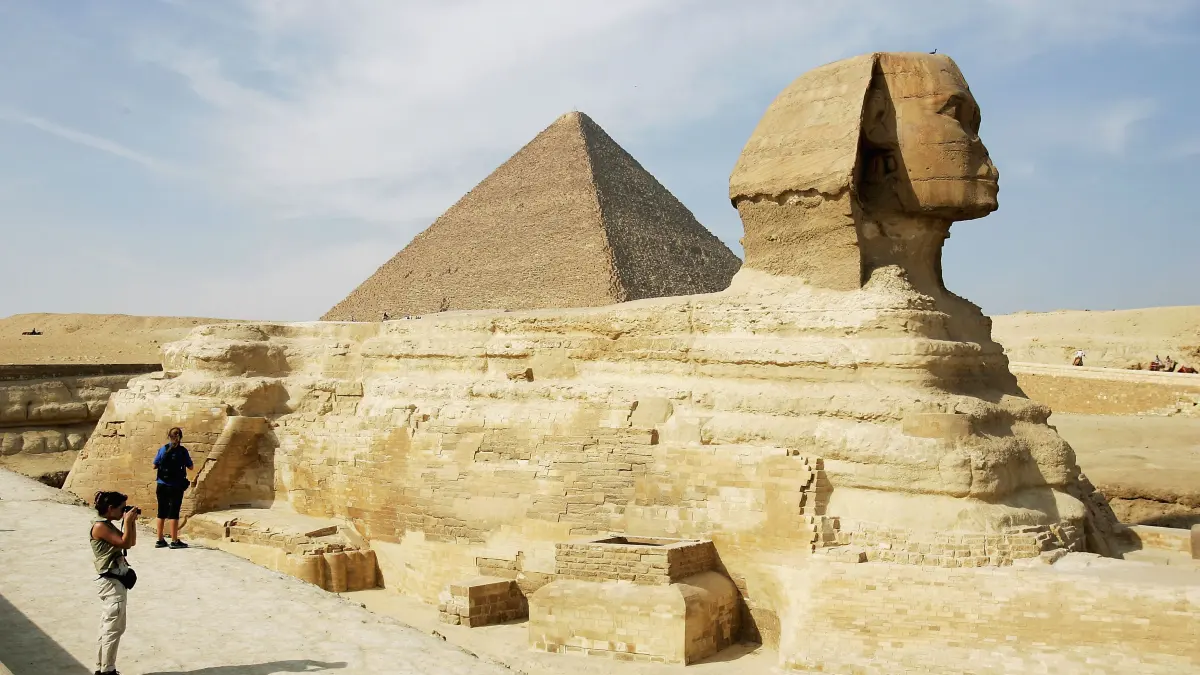
Why are there myths about slave labor?
The misconception that enslaved people built the pyramids can be traced back to ancient Greek historians like Herodotus. Writing centuries after the pyramids were finished, he relied on oral traditions and speculative accounts that lacked archaeological verification. These narratives were later adopted by various cultural and religious traditions, embedding the idea of "oppressed laborers" into the global consciousness for thousands of years.
Modern Egyptology has effectively debunked these claims through the excavation of worker cemeteries. The burial practices found in these sites indicate that the laborers were treated with respect, receiving proper burials near the royal monuments they helped create. Skeletons show evidence of healed fractures and high-protein diets, which are inconsistent with the lives of enslaved people. By understanding the social structure of the Old Kingdom, we now see the pyramids as a national project that unified the Egyptian state under a common religious and political goal.
Common mistakes when studying pyramid history
A frequent error is assuming that the technology used by the Egyptians was primitive simply because it predates the industrial age. In reality, the precision of the pyramid alignment to true north and the mathematical accuracy of the base dimensions suggest a highly advanced understanding of geometry and astronomy. Another common mistake is ignoring the role of the Nile River, which acted as a vital transportation artery for moving heavy stone blocks from distant quarries to the Giza site.
When researching this topic, avoid relying on sensationalized documentaries that ignore the archaeological record. Instead, focus on the following practical steps to gain an accurate understanding:
- Consult reports from the Giza Plateau Mapping Project.
- Examine the physical evidence of worker housing and diet.
- Look at the administrative papyri, such as the Diary of Merer, which documents the transport of stone.
- Distinguish between the Old Kingdom techniques and the different styles used in later periods.
By focusing on these verified sources, you can appreciate the true ingenuity of the ancient Egyptian engineers who built these enduring structures.
Key facts
- The pyramids were built by paid Egyptian laborers, not enslaved people or extraterrestrials.
- Excavations at Giza revealed worker villages, bakeries, and cemeteries for the builders.
- Laborers were organized into crews, often named after pharaohs, such as "Friends of Khufu."
- Workers received high-quality rations, including beef, sheep, and goat, along with bread and beer.
- The workforce consisted of approximately 20,000 to 30,000 skilled laborers and seasonal farmers.
- Builders used copper chisels, stone hammers, and wooden levers to move and shape limestone blocks.
The bottom line
The pyramids of Egypt stand as a testament to the organizational genius and labor of thousands of ancient Egyptians. Far from being the product of forced slave labor, these structures were built by a dedicated, well-fed, and highly skilled workforce. By utilizing advanced logistics, basic physics, and durable copper tools, these ancient builders successfully constructed architectural wonders that have endured for over four millennia of history.
People also ask
Were the pyramids built by slaves?
No, archaeological evidence confirms that the pyramids were constructed by a professional workforce of skilled laborers and peasants. These workers were well-fed and lived in organized settlements near the construction sites.
How long did it take to build the Great Pyramid of Giza?
Historians estimate that the Great Pyramid, built for Pharaoh Khufu, took approximately 20 to 27 years to complete. Construction likely began around 2550 BCE during the Old Kingdom period.
How did they move the massive stone blocks?
Builders moved heavy stones using wooden sleds on tracks lubricated with water or oil to reduce friction. They utilized ramps made of mudbrick and rubble to raise the blocks to higher levels.
What tools did the ancient Egyptians use for stone cutting?
Workers primarily used copper chisels and wooden mallets for softer limestone. For harder stones like granite, they used dolerite pounders and abrasive sand to slowly grind the rock into shape.
Why were the pyramids built in the first place?
The pyramids served as elaborate royal tombs intended to protect the pharaoh’s body and facilitate his journey to the afterlife. They were designed to symbolize the pharaoh's divine power and connection to the gods.
Did the builders have a system of writing?
Yes, the builders used hieroglyphics and hieratic script to track logistics, such as the delivery of supplies and the organization of labor crews. Evidence of these records has been found on papyrus scrolls and graffiti inside the pyramids.
This answer was created with the help of AI research tools and reference sources. Spotted an error? Let us know — we correct mistakes quickly. See our editorial policy.