What was ancient Egypt known for?
Short answer
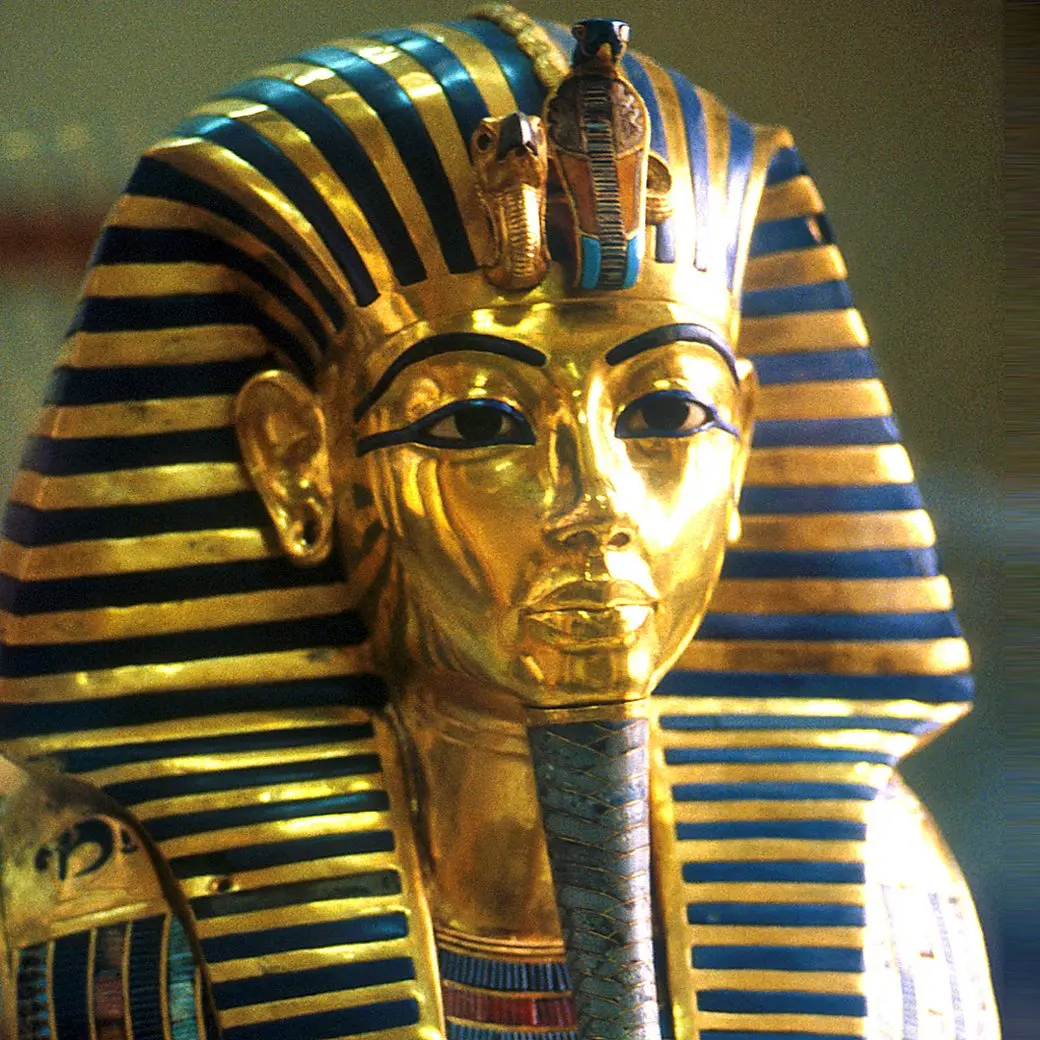
Ancient Egypt is renowned for its monumental architecture, such as the Great Pyramids of Giza, and its sophisticated mastery of engineering and mathematics. The civilization achieved significant breakthroughs in medicine, hieroglyphic writing, and complex religious rituals. Its enduring legacy remains defined by the rhythmic flooding of the Nile and centralized pharaonic rule.
On this page
How were the pyramids built in ancient Egypt?
The construction of the pyramids, particularly during the Old Kingdom (c. 2686–2181 BCE), remains a marvel of engineering. Workers utilized limestone blocks weighing an average of 2.5 tons, quarrying them from nearby sites and transporting them via the Nile. Thousands of laborers, often organized into specialized crews, used copper chisels, wooden mallets, and stone pounders to shape the massive stones.
Engineers relied on simple yet effective tools to ensure structural integrity. They utilized water-filled trenches to level the foundation and ramps to elevate the blocks as the structure grew. Contrary to popular myths, the workforce consisted primarily of skilled peasants and craftsmen rather than enslaved people. These workers were housed in nearby settlements and provided with high-protein diets, including beef and fish, to sustain their strenuous labor.
- Survey the site using a north-south meridian line.
- Create a perfectly level base using water-filled trenches.
- Construct internal ramps to move blocks to higher tiers.
- Apply a smooth white limestone casing for a polished finish.
What are the best ways to understand hieroglyphics?
Hieroglyphics served as a formal writing system combining logographic, syllabic, and alphabetic elements. To begin studying this script, one must understand that it was not merely decorative but a functional language used for royal decrees and religious texts. The system includes over 700 distinct signs, which can be categorized into phonograms, representing sounds, and ideograms, representing specific concepts or objects.
When reading inscriptions, look for the direction in which the human or animal figures are facing; the text is read toward their faces. The decipherment of this script was made possible by the 1799 discovery of the Rosetta Stone. This artifact featured the same decree written in three scripts: hieroglyphic, Demotic, and Ancient Greek. By comparing the Greek text to the Egyptian signs, scholars like Jean-François Champollion finally unlocked the meaning of the ancient language in 1822.
- Phonograms: Signs representing specific consonant sounds.
- Ideograms: Signs representing a whole word or concept.
- Determinatives: Signs placed at the end of words to clarify meaning.
Why did ancient Egyptians practice mummification?
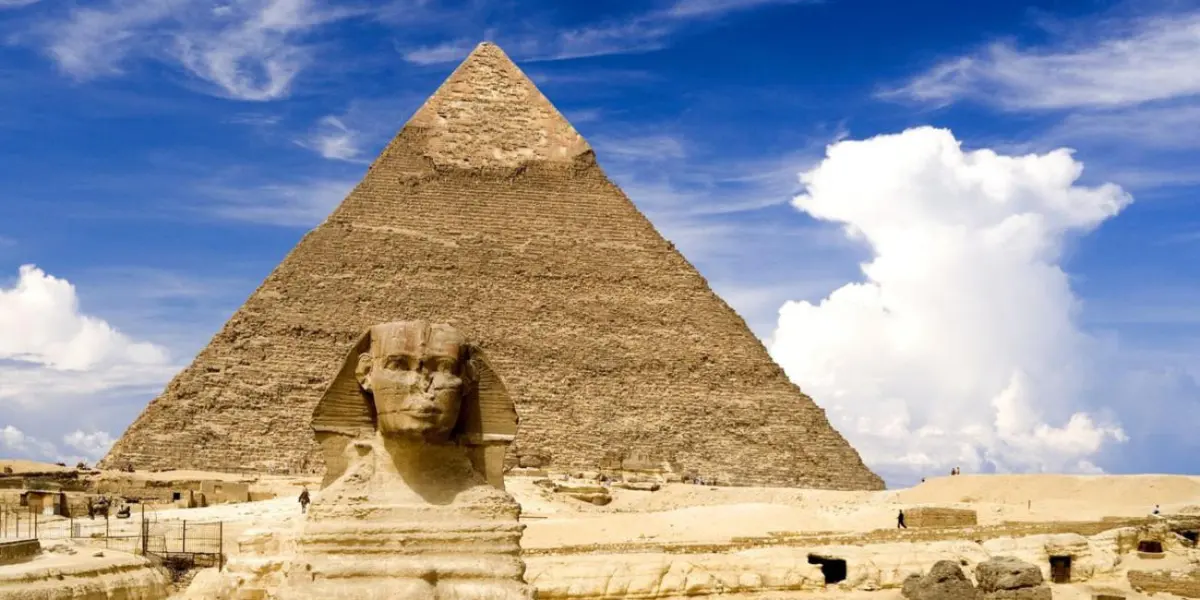
Mummification was a vital religious process intended to preserve the physical body for the afterlife. Egyptians believed that the soul, composed of parts like the ka and ba, required a recognizable vessel to return to after death. If the body decayed, the soul would lose its anchor, resulting in the cessation of existence. This practice evolved over millennia, reaching its peak technical proficiency during the New Kingdom.
The process typically took 70 days and involved the removal of internal organs, which were stored in canopic jars. The body was then dehydrated using natron, a natural salt mixture, for several weeks. Once dried, the corpse was wrapped in hundreds of yards of linen bandages, often interspersed with protective amulets. The precision of this ritual reflected the Egyptian obsession with order and the desire to transcend the limitations of mortality through careful preparation.
Common mistakes when studying Egyptian history
A frequent error is assuming that Egyptian history was static throughout its 3,000-year span. In reality, the culture underwent significant shifts in political stability, religious focus, and artistic style. For example, the artistic conventions of the Amarna Period under Akhenaten were vastly different from the traditional, rigid forms seen in the Middle Kingdom. Failing to account for these chronological variations leads to a distorted view of the civilization’s evolution.
Another mistake is ignoring the environmental dependence on the Nile River. Many students overlook how the annual flood cycle dictated the agricultural calendar and the religious festivals. Without the predictable silt deposits brought by the river, the population density and the centralized government would have been impossible to sustain. Always verify the specific dynasty or era you are researching to avoid applying generalities to periods where they do not fit.
How to identify major Egyptian deities?
Egyptian religion was polytheistic, featuring a pantheon of gods often depicted with animal heads or attributes. To identify these figures, observe their iconography and the symbols they carry. For instance, Osiris is typically shown as a mummified king holding a crook and flail, representing his role as the god of the underworld. Horus is frequently represented as a falcon or a man with a falcon head, symbolizing divine kingship.
Understanding these gods requires looking at their roles in the cosmic order, or Maat. The deities were not just objects of worship but active participants in maintaining the balance of the universe. By analyzing temple wall reliefs and funerary papyri, one can see how these gods interacted with the pharaohs and the common people. Identifying these figures is a practical exercise in decoding the visual language that defined the spiritual life of the ancient Nile valley.
Key facts
- The Great Pyramid of Giza, built for Pharaoh Khufu around 2560 BCE, remained the tallest man-made structure in the world for over 3,800 years.
- Ancient Egyptians developed one of the earliest writing systems, hieroglyphics, which used over 700 distinct pictorial symbols to represent sounds and concepts.
- To preserve bodies for the afterlife, embalmers followed a precise 70-day mummification process that involved removing internal organs and dehydrating the body with natron salt.
- The civilization relied on the annual flooding of the Nile River, which deposited nutrient-rich silt essential for agricultural production in an otherwise arid desert environment.
- When visiting historical sites, avoid touching stone carvings or wall paintings, as the oils from human skin can accelerate the deterioration of ancient pigments.
- Ancient Egyptian medicine was remarkably advanced for its time, with practitioners performing basic surgeries and utilizing honey as a natural antibacterial dressing for wounds.
The bottom line
Ancient Egypt remains a cornerstone of human history, defined by its architectural marvels, sophisticated writing, and deep spiritual devotion. By harnessing the predictable cycles of the Nile, this civilization flourished for millennia, leaving behind a legacy of innovation in medicine, law, and art. Today, these enduring monuments and records continue to offer profound insights into how early humans organized society, governed themselves, and contemplated eternity.
People also ask
Did ancient Egyptians actually use slaves to build the pyramids?
Archaeological evidence suggests the pyramids were built by a skilled, paid workforce of Egyptian citizens. These laborers lived in organized villages near the construction sites and were provided with high-quality food, such as meat and bread, as part of their compensation.
What was the primary purpose of the afterlife in Egyptian religion?
Egyptians believed that death was merely a transition to a blissful existence known as the Field of Reeds. To reach this paradise, the deceased had to pass a series of tests, including the Weighing of the Heart ceremony, where their actions were judged against the feather of truth.
Why did Egyptians worship so many different gods?
Their polytheistic religion reflected the diverse aspects of the natural world, such as the sun, the river, and fertility. By honoring various deities like Ra, Osiris, and Isis, they sought to maintain cosmic order, known as Ma'at, and ensure the continued prosperity of their society.
How did the Rosetta Stone help us understand ancient Egypt?
Discovered in 1799, the stone featured the same decree written in three scripts: hieroglyphics, Demotic, and Ancient Greek. Because scholars could read Greek, they used it as a key to finally decipher the long-lost meaning of Egyptian hieroglyphs.
What was the role of women in ancient Egyptian society?
Compared to many other ancient civilizations, Egyptian women enjoyed significant legal rights. They could own property, initiate divorce, serve as witnesses in court, and in rare instances, even rule as pharaohs, such as the powerful Queen Hatshepsut.
How did the desert climate affect the preservation of artifacts?
The extremely arid environment of the Nile Valley prevented the decay of organic materials like papyrus, wood, and textiles. This unique climate acted as a natural preservative, allowing archaeologists to recover intact items that would have otherwise disintegrated in more humid regions.
This answer was created with the help of AI research tools and reference sources. Spotted an error? Let us know — we correct mistakes quickly. See our editorial policy.