What do jaguars eat?
Short answer
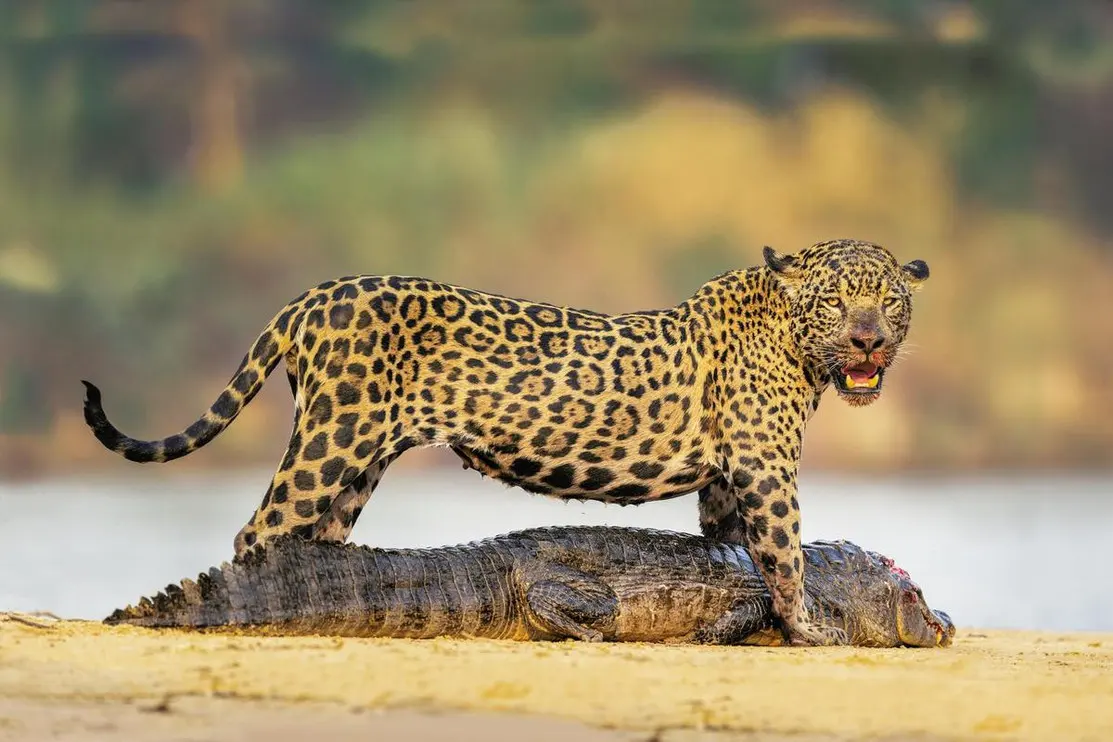
Jaguars are apex predators with an incredibly diverse diet, consuming over 85 different species across their range. They primarily hunt terrestrial mammals like capybaras, peccaries, and deer. Because they are opportunistic hunters, they also frequently prey on aquatic animals, including caimans, turtles, and fish, using their powerful bite to penetrate shells and skulls.
On this page
What do jaguars hunt in the wild?
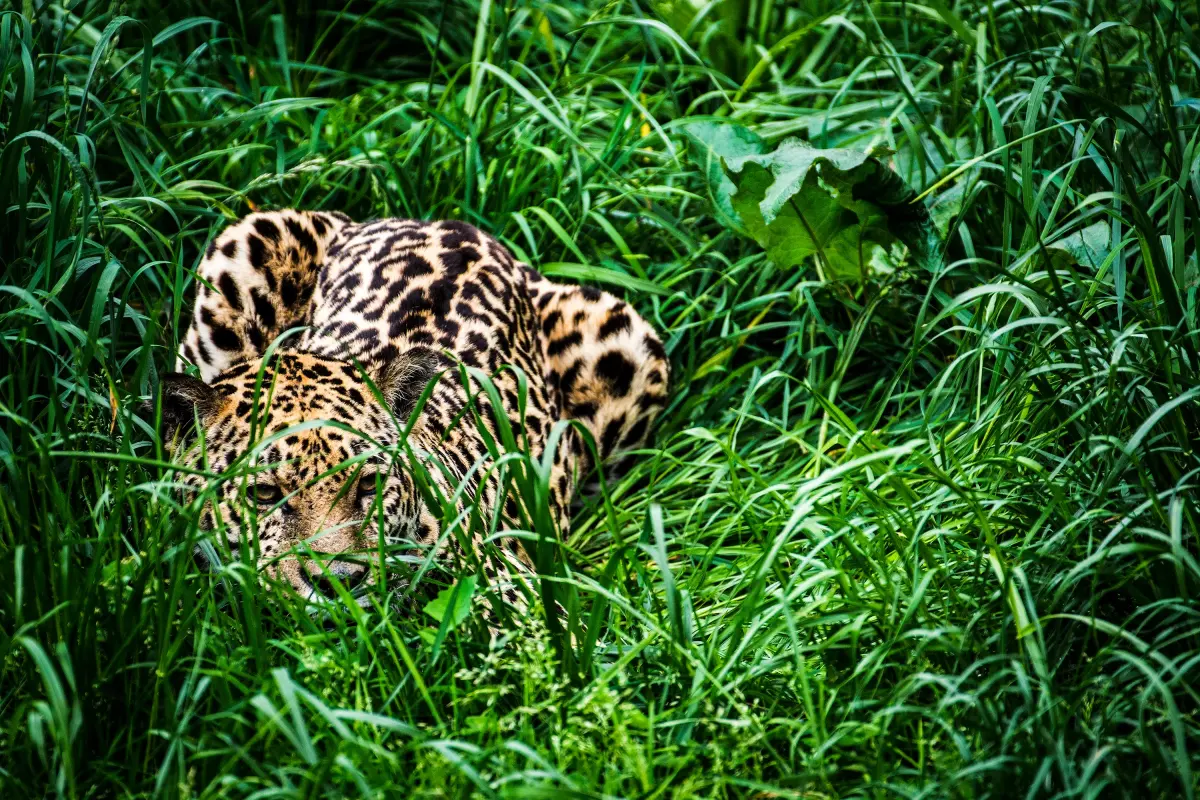
Jaguars are obligate carnivores, meaning they rely entirely on animal flesh for nutrition. As the largest cat species in the Americas, they occupy the top of the food chain, which allows them to hunt a wide variety of prey depending on the local ecosystem. In the dense rainforests of the Amazon, they often target large ground-dwelling mammals that provide substantial caloric intake.
The most common prey items for jaguars include:
- Collared peccaries, which are wild pig-like animals.
- Capybaras, the world’s largest rodents.
- White-lipped peccaries.
- Red brocket deer and marsh deer.
- Giant anteaters.
By focusing on these medium-to-large mammals, jaguars ensure they get enough energy to sustain their muscular bodies. While they prefer larger prey, they are highly adaptable and will not pass up smaller animals if the opportunity arises. Their hunting success depends on stealth and a sudden ambush rather than long-distance chasing.
How do jaguars hunt aquatic prey?
Unlike many other big cats, jaguars are excellent swimmers and are not afraid to enter the water to secure a meal. This behavior is particularly common in the Pantanal wetlands of Brazil, where seasonal flooding creates a unique environment. They use their strong limbs to paddle through rivers and swamps, often stalking prey from the water's edge or even diving to catch fish.
Jaguars frequently target the following aquatic or semi-aquatic animals:
- Caimans, which are small crocodilians that inhabit riverbanks.
- River turtles, whose hard shells are easily crushed by the jaguar's bite.
- Various species of large freshwater fish.
- Anacondas, though these encounters are rarer and riskier for the cat.
This ability to exploit aquatic resources gives jaguars a significant survival advantage over other predators that are restricted to land. By diversifying their diet to include these species, they can maintain population stability even when terrestrial prey numbers fluctuate.
Why is the jaguar's bite force important?
The jaguar possesses the strongest bite force of all felids relative to its size. This biological adaptation is critical because it allows the cat to kill prey in a way that is unique among big cats. While lions and tigers often suffocate their prey by biting the throat, jaguars frequently deliver a lethal bite directly to the skull.
This specialized killing technique allows the jaguar to pierce the thick armor of a turtle shell or the tough hide of a caiman. The pressure exerted by their jaw muscles can easily crush bone, reaching deep into the brain or spinal cord to cause instant death. This efficiency is necessary because many of their preferred prey items are dangerous and could cause serious injury if the struggle were prolonged. Consequently, the jaguar's anatomy is perfectly evolved to handle the tough, armored prey found in tropical environments.
Common mistakes when observing jaguar feeding habits
Many people mistakenly believe that jaguars are strictly nocturnal hunters, but this is a misconception. While they are often more active at night to avoid the heat, they are frequently active during the day, especially in protected areas where human disturbance is minimal. Assuming they only hunt in the dark can lead to inaccurate assessments of their ecological role and activity patterns.
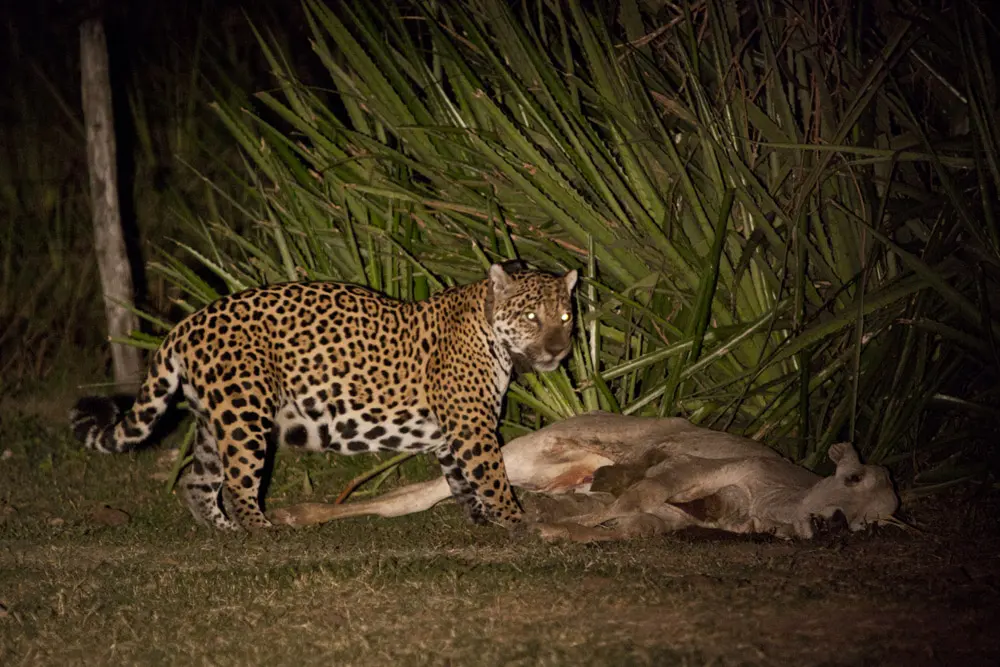
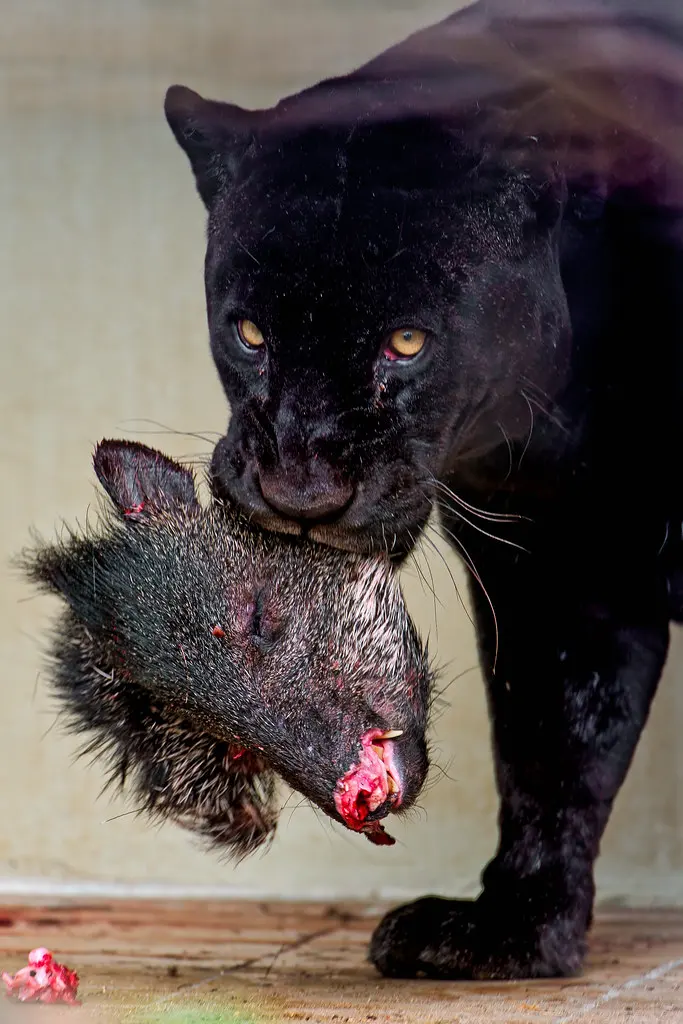
Another common error is assuming that jaguars are indiscriminate killers that eat everything they encounter. In reality, they are highly selective and will often consume the most nutritious parts of a carcass first, such as the internal organs, before feeding on the muscle tissue. They may also drag their kills to a secluded area, such as a dense thicket or a riverbank, to avoid being harassed by scavengers like vultures or other predators. Understanding these behavioral nuances is essential for researchers and wildlife enthusiasts who want to accurately document the feeding ecology of this elusive species.
How does habitat affect jaguar diet?
The diet of a jaguar is heavily influenced by the specific geography of its territory. In the dense, humid forests of Central and South America, the cat must navigate thick vegetation, which favors ambush tactics and a reliance on forest-dwelling mammals. Conversely, in open savanna or wetland regions, the jaguar must adapt to different prey species and hunting conditions.
The availability of water is the primary factor that dictates which prey species are accessible. In arid regions, jaguars may focus more on smaller rodents or livestock if wild game is scarce, which occasionally leads to human-wildlife conflict. This flexibility is the hallmark of the species' success across such a vast geographical range. By adjusting their diet to fit the local environment, jaguars remain resilient in the face of habitat fragmentation and climate change, ensuring their survival as a keystone species in diverse ecosystems across the continent.
Key facts
- Jaguars are obligate carnivores, meaning they require a diet consisting exclusively of meat to survive.
- They are opportunistic hunters that consume at least 87 different species across their range.
- Their powerful bite force, the strongest of all big cats relative to size, allows them to pierce the shells of turtles and caimans.
- Unlike many other cats, jaguars frequently hunt in water, catching fish, turtles, and even caimans.
- An adult jaguar typically requires about 3 to 5 pounds of meat per day to maintain its body weight.
- Avoid approaching a jaguar in the wild, as they are apex predators that view humans as potential threats or prey.
The bottom line
Jaguars are versatile, apex predators that play a crucial role in maintaining the balance of their ecosystems. By consuming a wide variety of prey ranging from small fish to large caimans, they prevent overpopulation of various species. Their specialized hunting techniques and solitary nature make them highly efficient survivors in the dense rainforests and wetlands of the Americas, where they remain masters of their environment.
People also ask
Do jaguars hunt in packs like lions?
No, jaguars are solitary animals and hunt alone. They rely on stealth and ambush tactics rather than group coordination to secure their meals.
How do jaguars kill their prey?
They use a unique killing method by biting directly through the skull of their prey into the brain. This technique is highly efficient and distinguishes them from other big cats that often bite the throat.
Do jaguars eat domestic livestock?
Yes, jaguars will occasionally prey on cattle or sheep if wild game is scarce. This behavior often leads to human-wildlife conflict in areas where ranching overlaps with jaguar habitats.
Are jaguars dangerous to humans?
While attacks are rare, jaguars are powerful predators capable of killing humans. It is essential to maintain a safe distance and never attempt to feed or approach them in the wild.
How much food does a jaguar eat in one sitting?
A jaguar can consume up to 50 pounds of meat in a single meal after a successful hunt. They then often rest for several days to digest the large intake before hunting again.
Do jaguars scavenge for food?
While they prefer fresh kills, jaguars are opportunistic and will scavenge if the opportunity arises. However, they primarily rely on their own hunting prowess to sustain their energy needs.
This answer was created with the help of AI research tools and reference sources. Spotted an error? Let us know — we correct mistakes quickly. See our editorial policy.