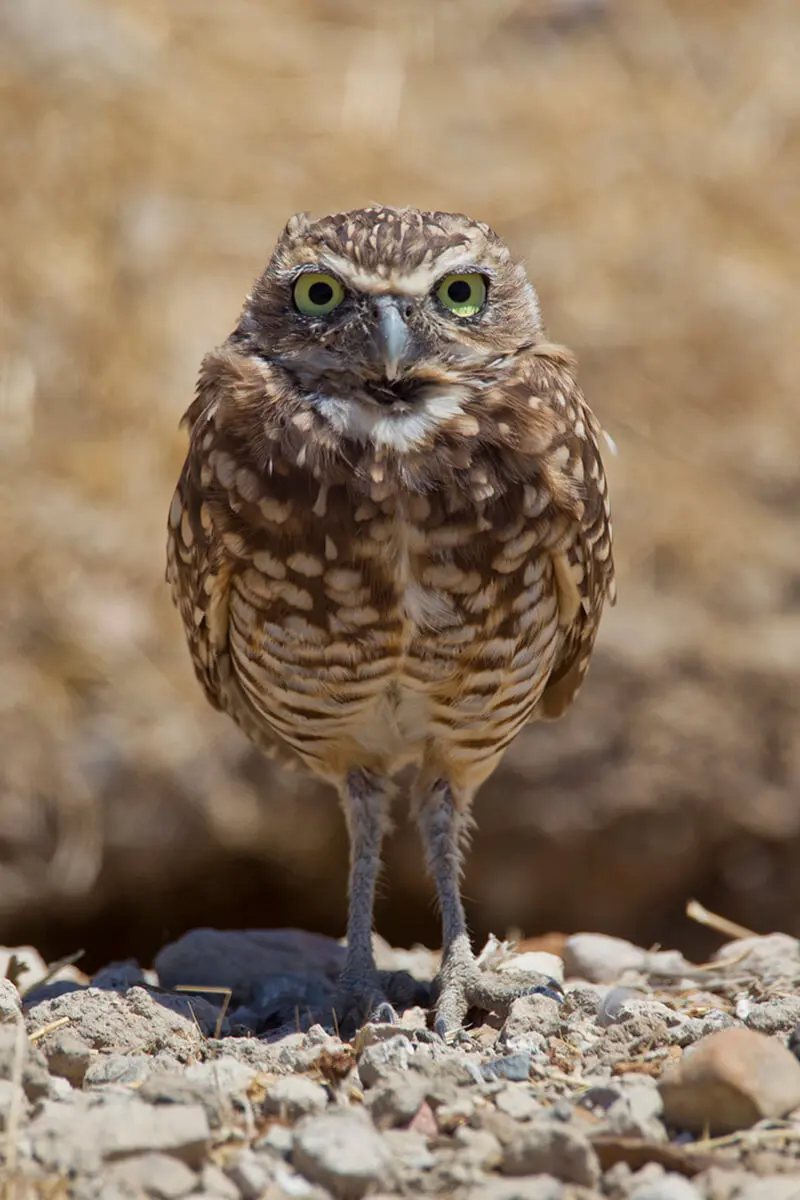
What do owls eat?
Short answer
Owls are strictly carnivorous predators that consume a wide range of prey depending on their size and habitat. Their diet primarily consists of small mammals like rodents, but they also hunt birds, insects, amphibians, and fish. These raptors use keen hearing and silent flight to capture prey during their active hours.
On this page
What do owls eat in the wild?
Owls are opportunistic hunters, meaning they consume whatever prey is most abundant and accessible within their environment. Small mammals, particularly mice, voles, rats, and shrews, form the cornerstone of the diet for most owl species. These creatures provide the high protein and fat content necessary for owls to maintain their energy levels and survive in diverse climates. Larger species, such as the Great Horned Owl, are capable of taking down much larger prey, including rabbits, squirrels, and even skunks.
Beyond mammals, owls exhibit remarkable dietary flexibility. Many species incorporate birds, insects, and reptiles into their meals when small rodents are scarce. Some specialized hunters have evolved to target specific food sources to reduce competition with other predators. For instance, the Snowy Owl often hunts lemmings in the Arctic tundra, while the Eurasian Eagle-Owl is known to consume a variety of prey ranging from hedgehogs to other birds of prey. This adaptability allows owls to thrive in environments ranging from dense forests to open deserts.
How do owls hunt their prey?
Owls possess specialized physical adaptations that make them highly efficient hunters. Their primary tools are their asymmetrical ears, which allow them to pinpoint the exact location of a sound in total darkness. Once the prey is detected, the owl uses its silent flight—enabled by soft, fringed feathers that muffle sound—to approach undetected. They typically strike using sharp talons, which exert immense pressure to secure the target instantly.
The hunting process follows a predictable pattern that ensures success in low-light conditions:
- Scanning: The owl sits on a high perch or flies low, listening for movement in the grass or undergrowth.
- Detection: Using facial discs to funnel sound waves toward their ears, they triangulate the prey's position.
- Strike: The owl glides silently toward the target, extending its feet forward at the last possible second.
- Capture: The talons clamp down immediately, often killing the prey upon impact or shortly thereafter.
Why do owls regurgitate pellets?
After consuming their prey, owls cannot digest certain parts, such as bones, fur, feathers, and teeth. These indigestible materials are compressed into a tight, oval-shaped mass known as a pellet within the owl's gizzard. Several hours after eating, the owl regurgitates this pellet through its mouth. This biological process is essential because it clears the digestive tract of debris that could otherwise cause internal damage or blockages.
Pellets are highly valuable to scientists and researchers who study owl behavior. By dissecting these remains, experts can identify exactly what an owl has been eating without needing to observe the bird directly. This provides a clear window into the local ecosystem and the population health of the prey animals. If you find a pellet under a known roosting site, you are essentially looking at a historical record of the owl's recent meals, complete with tiny skulls and bone fragments.
Common mistakes when observing owl feeding habits
Many enthusiasts eager to see owls hunt often make errors that disturb the birds or alter their natural behavior. The most common mistake is using bright flashlights or spotlights during nighttime observation. Owls have highly sensitive eyes, and sudden, intense light can temporarily blind them, causing them to abandon a hunt or flee their hunting grounds entirely. It is also dangerous to attempt to feed owls human food, such as bread or processed meat, as these items lack the necessary nutrients and can lead to severe health issues.
To observe owls responsibly, follow these guidelines:
- Maintain a significant distance from the owl to avoid causing stress or forcing it to fly away.
- Use infrared or low-light optics instead of visible light sources to monitor their activity.
- Remain perfectly still and quiet to avoid alerting the owl to your presence.
- Never attempt to lure an owl with recorded calls or bait, as this disrupts their natural hunting patterns.
How to support local owl populations
Supporting owls in your area begins with preserving their natural habitat and food sources. If you have a backyard, avoid using rodenticides or chemical pesticides. These poisons often accumulate in the bodies of mice and rats; when an owl eats a poisoned rodent, it can suffer from secondary poisoning, which is frequently fatal. Instead, focus on creating a habitat that encourages natural biodiversity, which will attract owls and keep their prey populations in a healthy, natural balance.
You can also provide structural support to help owls thrive in human-altered landscapes. Installing appropriately sized nesting boxes can provide safe shelter for species like the Barn Owl or Screech Owl, especially in areas where old-growth trees with natural cavities are scarce. Ensure that these boxes are mounted at the correct height and orientation for the specific species you hope to attract. By minimizing human interference and protecting the environment, you ensure that these magnificent predators continue to play their vital role in controlling rodent populations and maintaining the ecological health of the local wilderness.
Key facts
- Owls are carnivorous predators, primarily consuming small mammals, birds, insects, and occasionally fish.
- A single barn owl can consume over 1,000 rodents in a year, making them highly effective natural pest controllers.
- Owls swallow smaller prey whole, later regurgitating indigestible parts like fur and bones in a compact mass called a pellet.
- Most owl species are nocturnal hunters, relying on exceptional hearing and silent flight to ambush unsuspecting prey.
- Avoid using rodenticides near owl habitats, as secondary poisoning from eating contaminated prey is a leading cause of owl mortality.
- Providing natural nesting sites or specialized owl boxes can encourage these birds to hunt in your area, reducing local rodent populations.
The bottom line
Owls are essential apex predators that maintain ecological balance by controlling rodent and insect populations. By relying on superior night vision and acute hearing, they efficiently secure their diet without disrupting the environment. To support these birds, homeowners should avoid chemical pesticides that can harm them through the food chain. Protecting their natural habitats ensures these silent hunters continue to thrive and serve their vital role.
People also ask
Do owls eat other birds?
Yes, many owl species, such as the Great Horned Owl, frequently hunt smaller birds including pigeons, starlings, and even other smaller owl species. They are opportunistic hunters that take advantage of available food sources in their environment.
How do owls digest bones and fur?
Owls have a specialized two-part stomach that separates digestible meat from indigestible materials like bones, teeth, and fur. These leftovers are compressed into a pellet and regurgitated several hours after the meal is consumed.
Do owls drink water?
While owls obtain most of their hydration from the moisture in their prey, they do drink water to stay hydrated. They are also known to bathe in shallow water sources to keep their feathers clean and functional.
Can owls hunt during the day?
Most owls are nocturnal, but some species like the Snowy Owl and the Northern Hawk Owl are diurnal or crepuscular. These species are adapted to hunt during daylight hours or at dawn and dusk.
Do owls eat snakes?
Certain owl species, particularly those living in desert or grassland environments, will hunt snakes. They use their powerful talons to strike the head of the snake to neutralize it before consumption.
Why do owls regurgitate pellets?
Regurgitation is a necessary biological process because owls lack teeth to chew their food. By expelling the indigestible waste, they clear their digestive tract to make room for their next meal.
This answer was created with the help of AI research tools and reference sources. Spotted an error? Let us know — we correct mistakes quickly. See our editorial policy.