How long do lions live?
Short answer
Lions typically live between 10 and 14 years in the wild. While some individuals may survive longer under optimal conditions, high mortality rates among cubs and the physical toll of territorial defense limit their average lifespan. In controlled environments like zoos, lions often live into their late teens or early twenties.
On this page
How long do lions live in the wild?
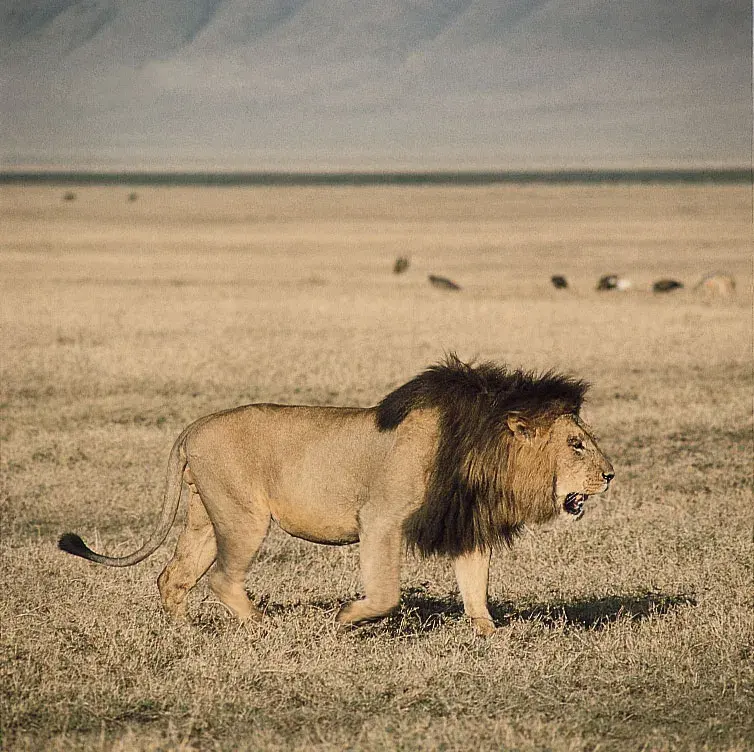
In their natural habitats, such as the savannas of sub-Saharan Africa, lions face a precarious existence. The average lifespan for a wild lion is generally cited at 10 to 14 years. Males often have shorter lives than females because they must constantly defend their pride’s territory against rivals, leading to frequent, often fatal, physical confrontations. Females, meanwhile, benefit from the social structure of the pride, which provides communal protection and cooperative hunting.
Environmental factors play a massive role in these survival statistics. A lion’s life is dictated by the availability of prey, the presence of disease, and human encroachment. When food is scarce, lions become weaker and more susceptible to injuries or infections. Furthermore, nomadic lions—those without a pride—struggle significantly more to secure food and safety, often leading to premature death. The harsh reality of the wild ensures that only the strongest and most adaptable reach the upper limits of their potential lifespan.
How long do lions live in captivity?
Lions kept in professional zoological settings often live significantly longer than their wild counterparts. With access to consistent nutrition, veterinary care, and protection from territorial fighting, it is common for captive lions to reach 18 to 22 years of age. Some exceptional individuals have even lived into their mid-twenties. This longevity is primarily due to the elimination of starvation and the rapid treatment of injuries or illnesses that would otherwise be terminal in the savanna.
However, longevity in captivity depends heavily on the quality of the environment provided. Modern zoos focus on enrichment and physical health to prevent the lethargy and stress-related behaviors that can shorten an animal's life. By providing a balanced diet and monitoring health markers, caregivers can mitigate common age-related issues. The following factors contribute to this extended lifespan:
- Regular veterinary checkups and vaccinations against common feline diseases.
- A controlled, high-quality diet that mimics the nutritional density of wild prey.
- Protection from the physical trauma associated with territorial disputes and poaching.
- Specialized geriatric care for older lions to manage arthritis and dental issues.
Why do lion lifespans vary so much?
The difference in lifespan between wild and captive lions is a result of evolutionary pressures versus human intervention. In the wild, aging is a rapid process because a lion that can no longer hunt effectively or defend its territory is quickly replaced or dies of starvation. Nature does not favor the elderly; once a lion’s physical capabilities decline, its role in the pride is compromised. This evolutionary "use it or lose it" dynamic keeps the population strong but limits the individual’s years.
In contrast, captive environments remove the immediate pressure of survival. Because these lions do not need to hunt or fight for dominance, they can survive well beyond the point where they would have perished in nature. However, this longevity brings its own challenges, such as metabolic diseases or obesity. Understanding these biological differences helps researchers track how environmental stress impacts the aging process across the entire Panthera leo species.
Common mistakes when estimating lion age
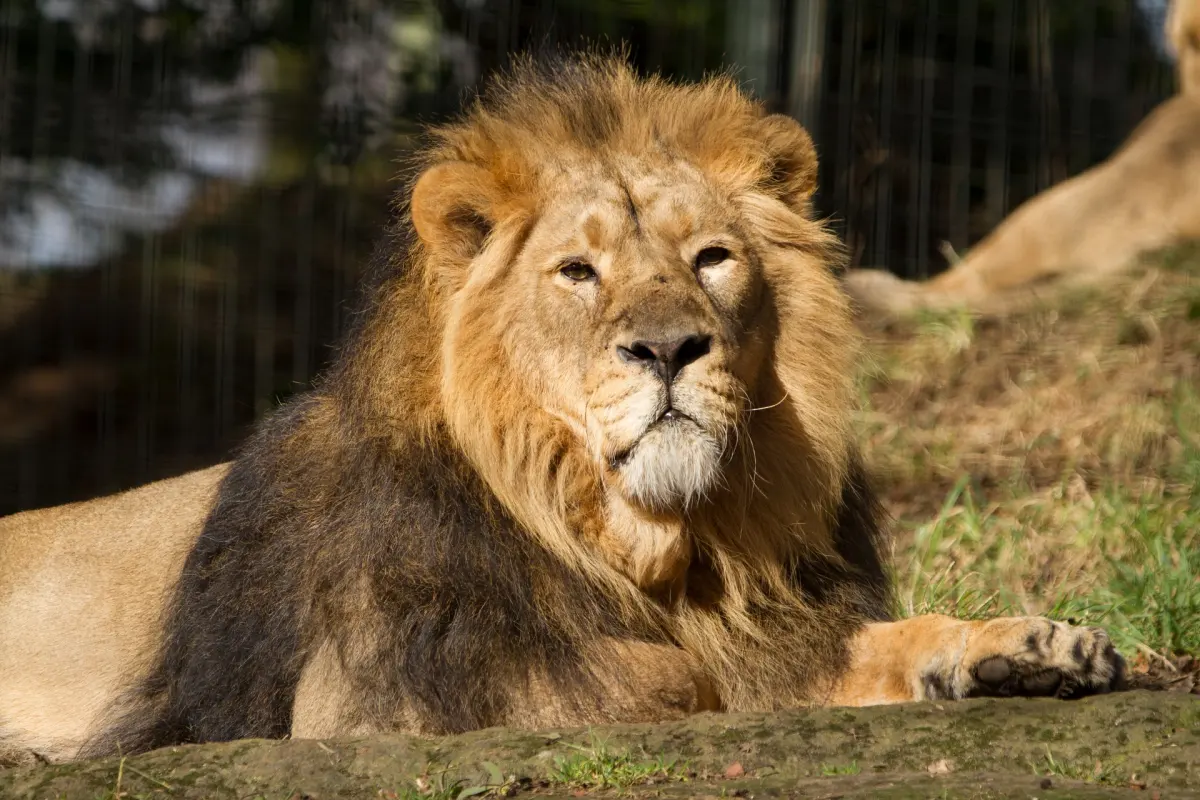
Many people assume that a lion’s age can be determined simply by its size or the fullness of its mane, but these are often unreliable indicators. A common mistake is equating a large, impressive mane with a mature, elderly lion. In reality, a male’s mane color and density are influenced by testosterone levels and genetics, not just age. A younger, healthy male may have a more robust mane than an older, stressed, or malnourished individual.
To accurately assess the age of a lion, researchers look at specific physical markers rather than general appearance:
- Examine the condition of the teeth, which wear down and discolor predictably over time.
- Observe the level of scarring on the face and body, which accumulates as a lion ages and engages in more fights.
- Monitor the nose coloration, which gradually darkens from pink to black as the lion matures.
- Assess the overall muscle tone and the presence of sagging skin, particularly around the belly and jowls.
How to support lion conservation efforts
Supporting the longevity of wild lion populations requires a focus on habitat preservation and the reduction of human-wildlife conflict. As human populations expand, lions are increasingly pushed into smaller territories, which increases competition and the likelihood of retaliatory killings by farmers protecting their livestock. Protecting large, contiguous areas of land is the most effective way to ensure that lions can live out their natural lives without the added pressures of human encroachment.
If you are interested in contributing to the survival of the species, consider these practical steps:
- Support reputable wildlife conservation organizations that focus on habitat corridors and community-based conservation.
- Advocate for policies that promote sustainable ranching practices, which reduce the need for lions to hunt livestock.
- Educate others about the importance of apex predators in maintaining healthy, balanced ecosystems.
- Avoid participating in tourism activities that exploit captive lions, as these rarely contribute to the health or longevity of wild populations.
Key facts
- Wild lions typically live between 10 and 14 years.
- Lions in captivity can live significantly longer, often reaching 20 years or more.
- Males generally have shorter lifespans than females because they face frequent, violent challenges to defend their territory.
- High cub mortality rates mean that many lions do not survive past their first two years of life.
- Avoid assuming that all lions in the wild reach old age, as disease, starvation, and conflict are constant threats.
- Observe lions from a safe distance in protected reserves, as human encroachment is a leading cause of premature death for the species.
The bottom line
The lifespan of a lion is primarily dictated by its environment and social status. While captive lions benefit from veterinary care and consistent food, wild lions face a constant struggle against injury, starvation, and human-led habitat destruction. Most wild lions live roughly a decade, with females typically outlasting males. Understanding these biological realities highlights the fragile nature of lion populations in an increasingly crowded and changing world.
People also ask
Why do male lions die younger than females?
Male lions spend their lives fighting other males to maintain control over a pride and protect their territory. These frequent, brutal physical altercations lead to severe injuries and exhaustion, which often shorten their lives compared to the more communal lifestyle of females.
What is the primary cause of death for lions in the wild?
While natural causes like starvation and disease are common, human-related factors are the most significant threats. Habitat loss, retaliatory killings by farmers protecting livestock, and poaching severely limit the life expectancy of wild lions.
Do lions live in groups to increase their survival rate?
Yes, lions are the only social cats and live in groups called prides. This social structure allows them to hunt more efficiently, share the burden of cub-rearing, and defend their territory against intruders, which collectively improves their chances of survival.
At what age is a lion considered elderly
A lion is generally considered elderly once it passes the age of 12 or 13. At this stage, they often struggle to hunt effectively or defend their pride, frequently leading to them being pushed out by younger, stronger males.
How do environmental conditions affect lion longevity?
Lions living in areas with abundant prey and fewer human conflicts tend to live longer. Conversely, lions in drought-stricken regions or areas with high competition for food often suffer from malnutrition, which weakens their immune systems and reduces their lifespan.
Can lions survive alone in the wild?
It is very difficult for a lion to survive alone, as they rely on the pride for hunting and protection. Nomadic lions, which have been pushed out of prides, are at a much higher risk of starvation or death from injury than those residing in a stable group.
This answer was created with the help of AI research tools and reference sources. Spotted an error? Let us know — we correct mistakes quickly. See our editorial policy.