What is a baby turkey called?
Short answer
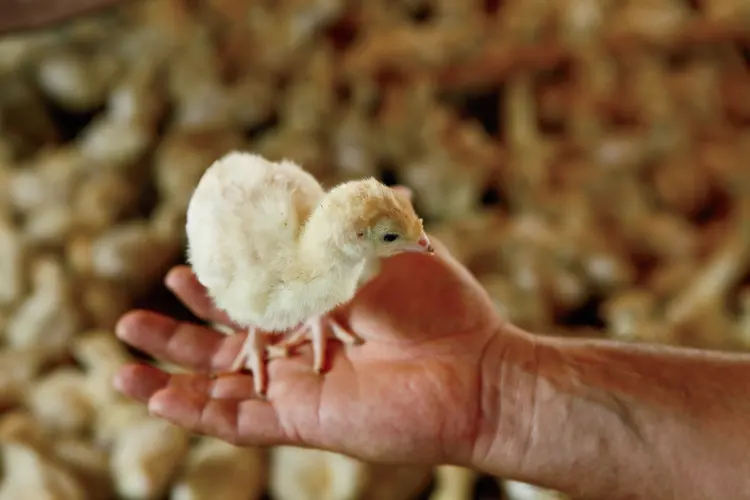
A baby turkey is called a poult. This term applies to both male and female young turkeys from the time they hatch until they reach sexual maturity. Once they reach a certain age, young males are often referred to as jakes, while young females are known as jennies.
On this page
What is a baby turkey called?
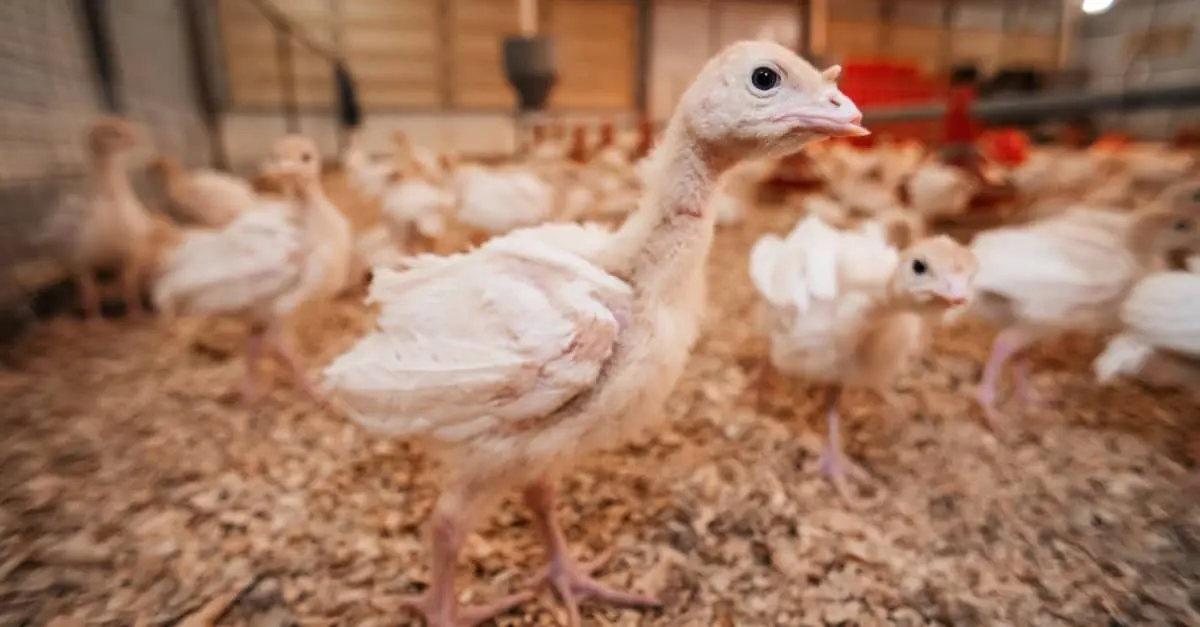
A poult is the standard terminology used by farmers, biologists, and hunters to identify a juvenile turkey. During the first few weeks of life, these birds are highly dependent on their mothers for warmth and protection. They are precocial, meaning they are born with down feathers and can walk and feed themselves shortly after hatching.
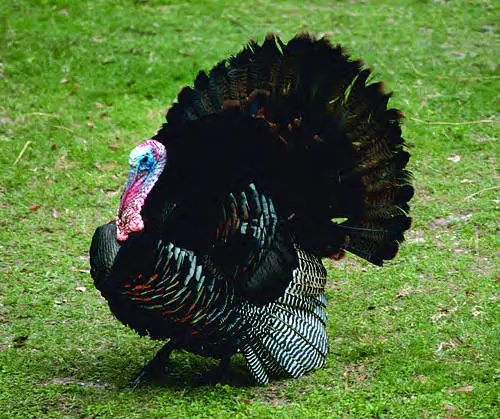
As they grow, the terminology shifts based on their age and sex. A young male turkey, typically in its first year, is called a jake. A young female turkey is referred to as a jenny. These specific labels help poultry managers track development stages, as nutritional requirements and social behaviors change significantly as the birds transition from poults to sub-adults.
How long does it take for a poult to grow?
The growth process of a poult is rapid and requires careful management. From the moment of hatching, these birds gain weight quickly, often doubling their size every few weeks during the first two months. By the time they are four months old, they begin to resemble adult turkeys in both size and feather structure.
To ensure healthy development, poults require specific environmental conditions:
- Maintain a brooder temperature of 95°F (35°C) during the first week.
- Reduce the temperature by 5°F each week until reaching ambient levels.
- Provide high-protein "starter" feed containing at least 28% protein.
- Ensure constant access to clean, shallow water to prevent dehydration.
By the six-month mark, most turkeys are considered mature. However, full physical development, including the growth of the characteristic snood and wattle, may continue for up to a year.
Why do poults need special care?
Poults are notoriously fragile during their first month of life. Unlike chickens, baby turkeys are often slow to learn how to eat and drink. They lack the natural curiosity of other poultry, which can lead to starvation if they are not properly guided to their food and water sources by a human or an experienced adult hen.
Common health risks for young poults include:
- Pasty butt: A condition where droppings stick to the vent, causing a life-threatening blockage.
- Chilling: Failure to maintain proper heat leads to respiratory distress and stunted growth.
- Coccidiosis: A parasitic disease caused by damp, unsanitary bedding conditions.
- Starve-out: The failure to begin eating, which is often fatal within 48 to 72 hours.
Providing a stress-free environment is essential. Excessive noise, drafts, or overcrowding can cause the poults to pile up in corners, which may result in suffocation for those at the bottom of the heap.
Common mistakes when raising poults
Many beginners struggle because they treat turkeys exactly like chickens. One of the most frequent errors is using the wrong type of feed. Turkey poults require a much higher protein content than chicks; feeding them standard chicken starter can lead to skeletal deformities and weak immune systems.
Another common mistake involves the water source. Poults are prone to drowning in deep water containers. It is vital to use shallow trays or specialized poultry waterers with stones placed in the basin to ensure the birds can drink without falling in. Furthermore, failing to keep the brooder area dry is a recipe for disaster. Moisture encourages the growth of bacteria and mold, which can quickly devastate a young flock. Always prioritize ventilation to keep humidity levels low while maintaining the necessary heat for the birds.
How to identify jakes and jennies
Distinguishing between a young male (jake) and a young female (jenny) becomes easier as they approach the four-month mark. While poults look nearly identical, subtle physical differences begin to emerge as they transition into their sub-adult phase. Observing these traits allows farmers to separate the flock if they intend to raise birds for specific purposes, such as meat production or breeding.
Key indicators of sex include:
- The presence of a small, developing beard on the chest, which is more common in males.
- The color of the head and neck, which begins to show more vibrant red and blue hues in males.
- The size of the feet and legs, which are typically thicker and larger in young males.
- The overall body frame, as jakes tend to grow larger and heavier than jennies at the same age.
By monitoring these physical milestones, keepers can better manage the social dynamics of their flock, as males may become aggressive toward one another as they reach sexual maturity. Proper identification ensures a balanced and healthy environment for all birds involved.
Key facts
- A baby turkey is officially called a poult.
- Young males are specifically referred to as jakes, while young females are called jennies.
- Poults are precocial, meaning they are born with down feathers and can walk and feed themselves shortly after hatching.
- A group of young turkeys is commonly referred to as a brood or a rafter.
- Domestic turkey poults require a warm environment, typically starting at 95 degrees Fahrenheit, to survive their first week.
- Avoid using slippery surfaces in a brooder, as this can cause splay leg, a permanent developmental deformity in the bird's joints.
The bottom line
A baby turkey, scientifically known as a poult, is a highly active and precocial bird that requires specialized care during its early weeks. By providing a high-protein diet, consistent warmth, and a clean, non-slip environment, you can ensure their healthy development. Understanding these specific needs is vital for anyone raising turkeys, whether for agricultural purposes or as a rewarding project in small-scale poultry husbandry.
People also ask
How long does it take for a turkey egg to hatch?
Turkey eggs typically take 28 days to incubate. It is crucial to maintain a consistent temperature and humidity level throughout this period to ensure successful development.
What should you feed a baby turkey?
Poults require a high-protein starter feed specifically formulated for game birds or turkeys. This feed should contain roughly 28 percent protein to support their rapid growth and muscle development.
How can you tell the gender of a young turkey?
Determining the sex of a poult is difficult until they reach several months of age. Jakes eventually develop larger, more prominent caruncles and a distinctive beard, while jennies remain smaller and less ornamental.
Do baby turkeys need a heat lamp?
Yes, poults are unable to regulate their body temperature during their first few weeks of life. A heat lamp or brooder plate is necessary to provide a consistent heat source until they grow their juvenile feathers.
When can baby turkeys go outside?
Most young turkeys can begin spending time outdoors when they are six to eight weeks old, depending on the weather conditions. They must be fully feathered and protected from predators and cold drafts before being moved to a permanent coop.
What is the most common health issue for baby turkeys?
Coccidiosis, a parasitic disease of the intestinal tract, is a frequent concern for young poultry. Keeping the brooder dry and clean is the most effective way to prevent this illness from spreading.
This answer was created with the help of AI research tools and reference sources. Spotted an error? Let us know — we correct mistakes quickly. See our editorial policy.