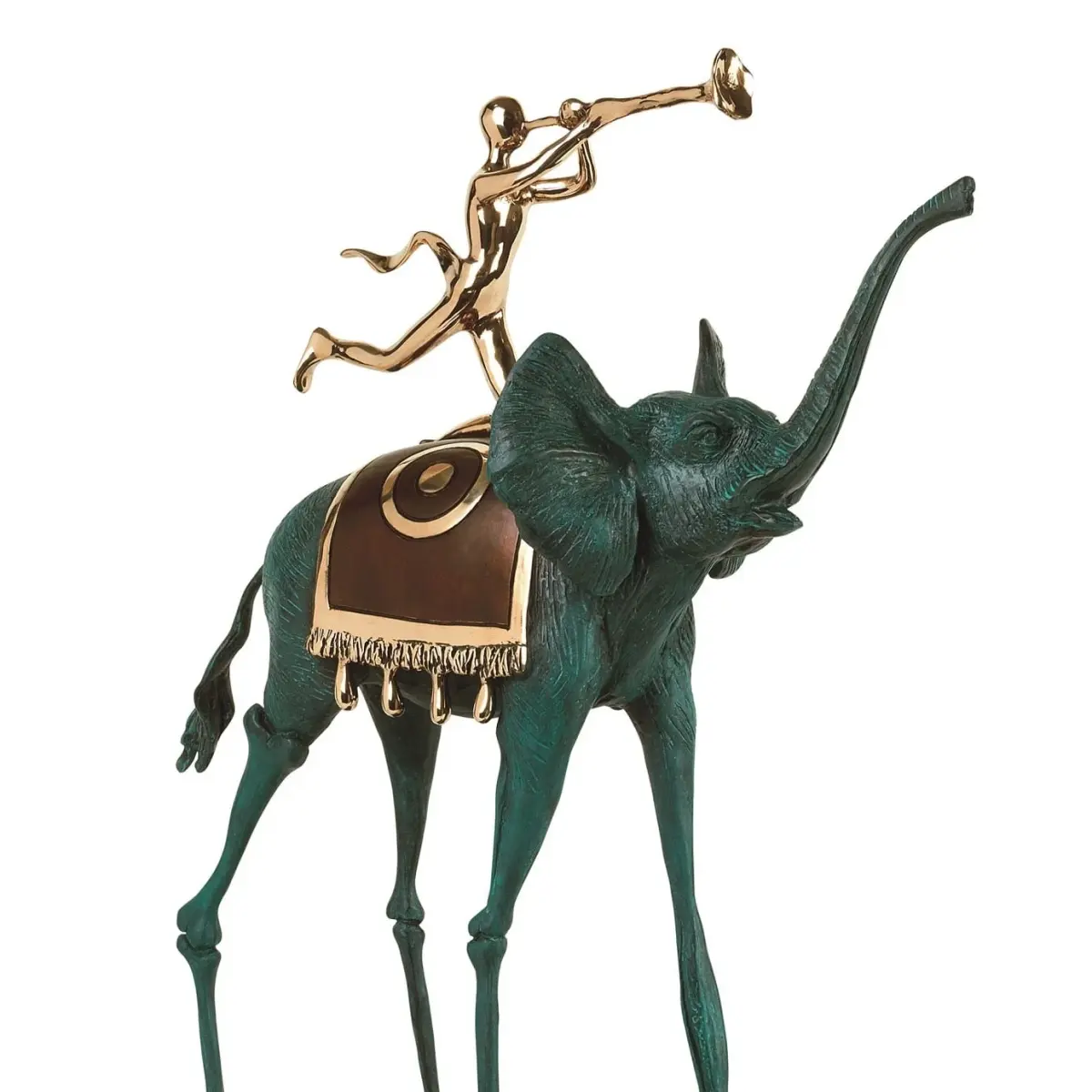
What is a baby elephant called?
Short answer
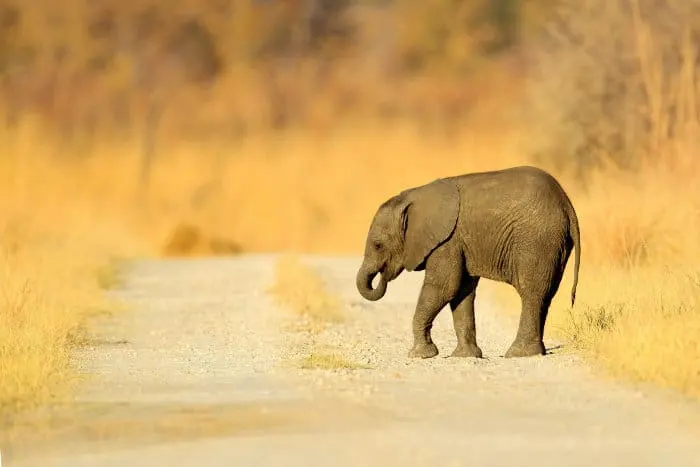
A baby elephant is called a calf. Upon birth, these animals typically weigh between 200 and 250 pounds and stand about three feet tall. Calves are highly dependent on their mothers and the rest of the herd for protection and nourishment, remaining under close supervision for the first several years of their lives.
On this page
What is a baby elephant called?
A baby elephant is officially referred to as a calf, a term used for the young of various large mammals. Within the social structure of an elephant herd, the calf is the center of attention for both its biological mother and the other adult females, known as allomothers. These caregivers assist in protecting the young, teaching them how to navigate their environment and interact with the rest of the group.
The development of a calf is a gradual process that involves learning complex social behaviors and physical coordination. Because elephants are highly intelligent and social creatures, the calf must learn to communicate through vocalizations, body language, and touch. This early period is critical for their survival, as they must integrate into the herd’s hierarchy to ensure long-term stability and protection from predators in the wild.
How long does a calf stay with its mother?
The bond between a calf and its mother is exceptionally strong and lasts for many years. Calves rely on their mother’s milk for nutrition for at least two years, though they may continue to nurse for up to five years. Even after weaning, the calf remains with the maternal family unit to learn essential survival skills, such as locating water sources and identifying edible plants.
Female calves, known as heifers, typically remain with their natal herd for their entire lives. This creates a matrilineal society where generations of related females support one another. Conversely, male calves, or bulls, eventually leave the herd upon reaching sexual maturity, usually between the ages of 10 and 15. This transition is a natural part of their life cycle as they move toward a more solitary or bachelor-group existence.
What do baby elephants eat?
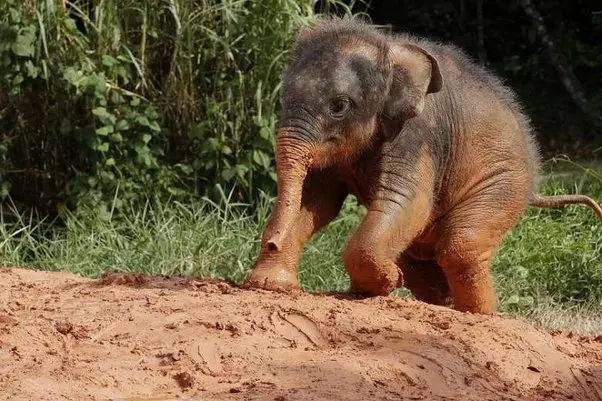
During the first few months of life, a calf’s diet consists exclusively of its mother's milk. As they grow, they begin to show interest in the vegetation that the adults consume, though they lack the coordination to eat it effectively. They often practice by picking up grass or twigs with their trunks, which serves as a vital exercise for developing their motor skills.
- Initially, the calf relies entirely on nursing from its mother.
- By four to six months, the calf begins to experiment with solid food.
- Between one and two years, the calf transitions to a diet of grasses, bark, and fruit.
- By age five, the calf is fully capable of foraging independently while still maintaining social ties.
The process of learning to use the trunk is particularly challenging for a calf. Because the trunk contains over 40,000 muscles, it takes time for the young elephant to gain the dexterity required to pick up small items or drink water. Watching the adults allows the calf to mimic these movements, gradually refining their technique through constant practice and observation.
Why do calves need allomothers?
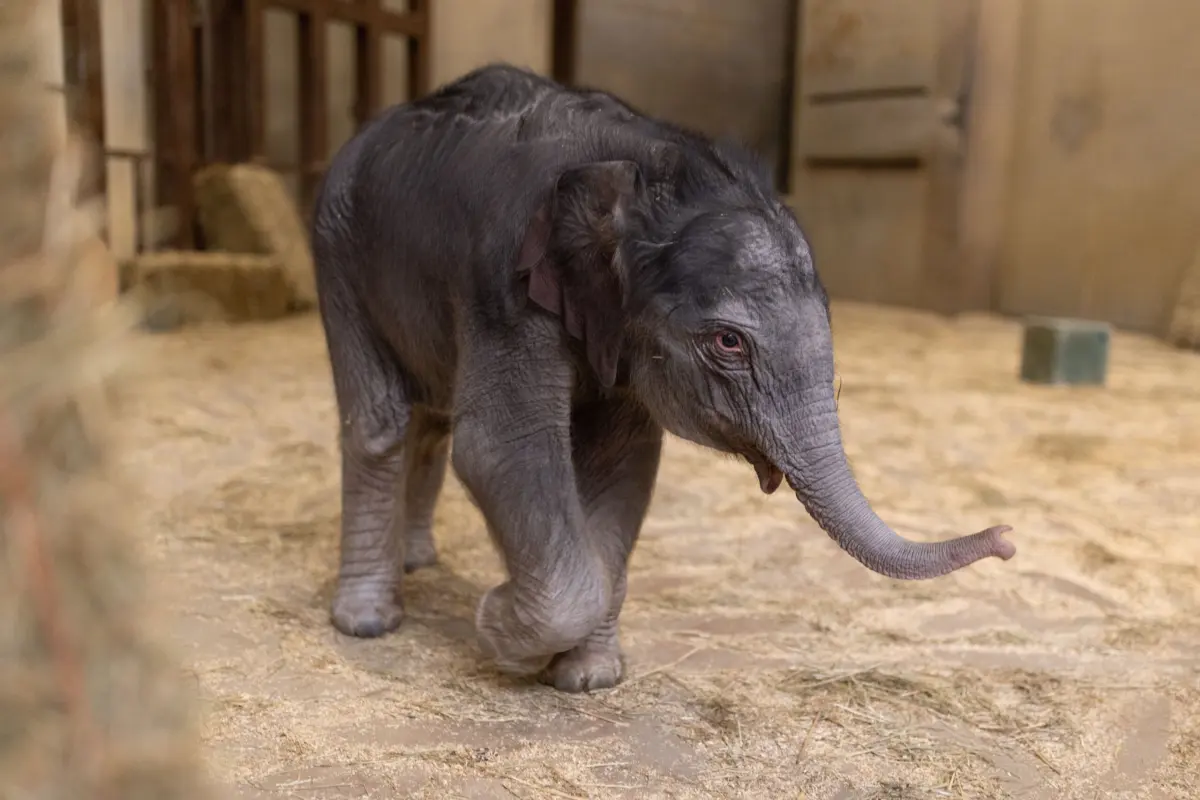
The survival of a calf often depends on the support of the entire herd, not just the mother. Allomothering is a behavior where other females in the group provide care, protection, and even babysitting services for the calf. This allows the mother to feed more efficiently and recover from the physical toll of nursing, which is vital for the health of both the calf and the mother.
- Allomothers provide physical protection against predators like lions and hyenas.
- They help the calf when it falls or gets stuck in mud.
- They provide social stimulation and teach the calf how to interact with others.
- They offer comfort and reassurance when the calf is distressed or frightened.
This cooperative care system ensures that the calf is never left unattended. In the event that a mother is injured or unable to provide adequate care, the allomothers will often step in to ensure the calf survives. This collective responsibility is a hallmark of elephant society and demonstrates the deep empathy and complex social intelligence these animals possess.
Common mistakes when observing wild calves
When observing elephants in the wild, the most common mistake is failing to maintain a safe distance. Because mothers are extremely protective of their calves, they may perceive humans as a threat if they get too close. This can lead to defensive charges or aggressive displays, which are dangerous for both the observer and the elephant. Always remain in a vehicle or behind a designated barrier.
- Avoid making loud noises or sudden movements that could startle the calf.
- Never attempt to feed or touch a calf, as this can cause the mother to react defensively.
- Keep your distance to ensure the herd does not feel cornered or threatened.
- Do not use flash photography, as it can disorient the animals and cause unnecessary stress.
Another frequent error is assuming that a calf is abandoned if it is seen alone for a few minutes. In reality, the mother is likely nearby, perhaps behind a bush or tree, keeping a watchful eye on her offspring. Never approach a seemingly abandoned calf, as the mother is almost certainly close by and ready to defend her young at any cost.
Key facts
- A baby elephant is officially called a calf.
- At birth, a calf typically weighs between 200 and 250 pounds.
- Calves stand roughly 3 feet tall when they are first born.
- Newborns are notoriously clumsy and spend their first few days learning to control their trunks.
- A calf will nurse from its mother for up to four years, though it begins eating vegetation at around six months.
- Avoid approaching a calf in the wild, as the mother and other herd members are highly protective and may charge.
The bottom line
A baby elephant, known as a calf, is a remarkable animal that enters the world weighing over 200 pounds. These social creatures rely on the protection of their mothers and the entire herd to survive their vulnerable early years. By learning essential survival skills through play and observation, calves grow quickly, eventually becoming the massive, intelligent, and influential members of their complex elephant society.
People also ask
How long is the gestation period for an elephant?
Elephants have the longest pregnancy of any mammal, lasting approximately 22 months. This extended period allows the calf to develop significantly before birth.
Do elephants have a nursery system for their calves?
Yes, female elephants practice allomothering, where other females in the herd help protect and mentor the calves. This social structure ensures the young receive constant supervision.
How much milk does a calf consume daily?
A growing calf can drink up to 3 gallons of milk in a single day. This high-fat, nutrient-rich milk is essential for their rapid physical development.
How do calves use their trunks?
At birth, calves do not know how to use their trunks and often trip over them. They eventually learn to use them for drinking, smelling, and interacting with their environment.
When does a calf become independent?
While they remain with their mother for several years, males typically leave the herd upon reaching puberty, around age 12 to 15. Females usually stay with their natal herd for their entire lives.
How fast do baby elephants grow?
Calves gain about 2 to 3 pounds every day during their first year. This rapid growth is fueled by constant nursing and the eventual introduction of grasses and shrubs.
This answer was created with the help of AI research tools and reference sources. Spotted an error? Let us know — we correct mistakes quickly. See our editorial policy.