What do bighorn sheep eat?
Short answer
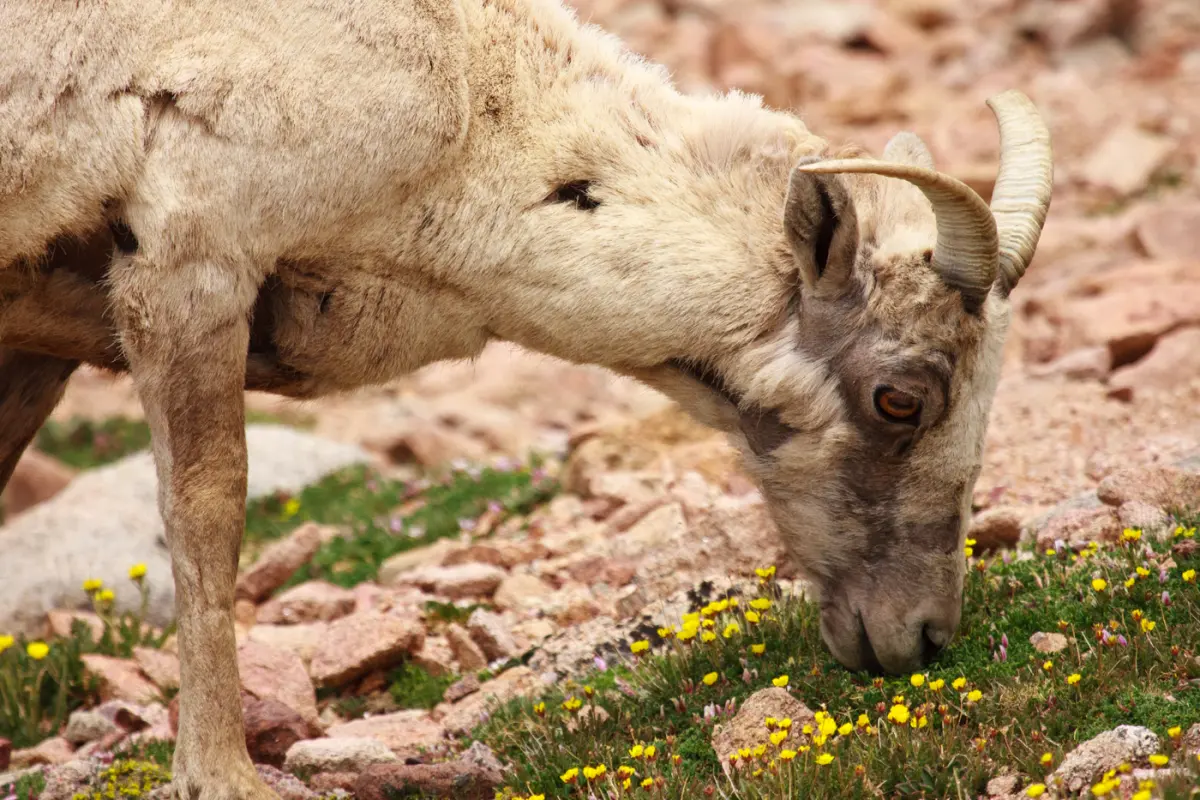
Bighorn sheep are opportunistic herbivores that primarily consume grasses, sedges, and forbs. Their diet shifts seasonally based on availability and nutritional needs. During spring and summer, they favor succulent green vegetation. In winter, they rely on woody shrubs and dried grasses to survive, often foraging on wind-swept, snow-free mountain slopes.
On this page
What do bighorn sheep eat in the wild?
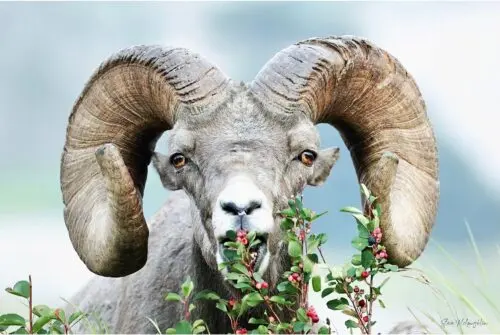
Bighorn sheep are classified as ruminants, possessing a complex four-chambered stomach that allows them to extract nutrients from fibrous plant material. Their diet is remarkably diverse, consisting of hundreds of different plant species depending on their specific geographic location, such as the Rocky Mountains or the desert Southwest. They are selective feeders, often choosing the most nutritious parts of a plant, such as new leaf growth or flower heads, rather than consuming entire stalks.
Grasses and sedges form the foundation of their diet throughout the year. These plants provide essential carbohydrates and fiber. When grasses are dormant or covered by heavy snow, the sheep transition to browsing on shrubs and trees. They are particularly fond of plants like willow, bitterbrush, and mountain mahogany. This dietary flexibility is a critical survival strategy, allowing populations to persist in rugged, high-altitude environments where food sources fluctuate dramatically with the changing seasons.
How do bighorn sheep find food in winter?
Winter presents the most significant challenge for bighorn sheep, as deep snow often buries their preferred grazing grounds. To cope, these animals migrate to lower elevations or seek out steep, south-facing slopes where solar radiation melts the snowpack more quickly. These areas, known as "winter ranges," are vital for the survival of the herd. If these ranges are blocked by human development or fencing, the sheep may face severe malnutrition.
During these colder months, the sheep utilize their keen sense of smell to locate vegetation hidden beneath thin layers of snow. They use their hooves to paw through the crust, exposing dried grasses and lichen. Their winter diet typically includes:
- Bitterbrush and sagebrush leaves
- Dried bunchgrasses
- Juniper needles
- Lichen and mosses found on rocks
- Twigs from deciduous shrubs
This shift to woody browse provides necessary moisture and energy, though it is less digestible than the lush forage consumed during the spring thaw.
Why do bighorn sheep need mineral licks?
Beyond standard vegetation, bighorn sheep frequently visit mineral licks to supplement their intake of essential nutrients. These licks are naturally occurring deposits of salt, calcium, phosphorus, and magnesium found in clay or rock formations. The sheep often travel long distances to reach these sites, demonstrating a clear behavioral drive to seek out these specific chemical compounds.
The minerals obtained from these licks play a crucial role in bone development, muscle function, and reproductive health. Ewes, in particular, require increased mineral intake during pregnancy and lactation to support the growth of their lambs. Without access to these supplements, sheep may suffer from deficiencies that weaken their immune systems and overall physical condition. Observing these animals at mineral licks is a common practice for wildlife biologists studying herd health and migration patterns across various mountain ranges.
Common mistakes when observing bighorn sheep
Many wildlife enthusiasts inadvertently disrupt the feeding patterns of bighorn sheep by getting too close. Bighorn sheep are naturally wary and will abandon a prime feeding spot if they perceive a threat, such as a human or a dog. This flight response wastes precious energy, which is especially detrimental during the winter months when food is scarce and the animals are already operating on a caloric deficit.
To observe these animals responsibly, follow these guidelines:
- Maintain a distance of at least 100 yards, using binoculars or a spotting scope to view them.
- Remain inside your vehicle if you are near a roadway, as sheep are often more comfortable with cars than people on foot.
- Keep pets leashed and inside the vehicle at all times to prevent harassment.
- Avoid making loud noises or sudden movements that could startle the herd.
- Never attempt to feed the sheep, as human food can cause digestive illness and encourage dangerous dependency.
How does habitat quality affect bighorn sheep diet?
The quality of a bighorn sheep's diet is directly tied to the health of its habitat. Fire suppression policies, which have allowed forests to encroach upon open meadows, have significantly reduced the availability of high-quality grasses. When trees and tall shrubs take over, the open vistas that sheep rely on for predator detection and grazing are lost. This leads to smaller, less healthy herds that are more susceptible to disease and predation.
Land management agencies often use controlled burns to restore these habitats. By removing dense brush and dead vegetation, fire encourages the growth of nutrient-rich grasses and forbs, providing a "green-up" that is essential for the health of lambs and nursing ewes. A well-managed landscape ensures that bighorn sheep have access to the diverse array of plants they need to thrive. When the habitat is properly maintained, the sheep are better equipped to withstand the stresses of harsh winters and maintain stable population numbers for future generations.
Key facts
- Bighorn sheep are ruminants that primarily graze on grasses and browse on woody plants.
- Their diet shifts seasonally based on the availability of nutrients and snow cover.
- They possess a specialized four-chambered stomach to ferment and digest tough, fibrous plant material.
- Mineral licks are essential for their health, providing vital salts and trace elements like calcium and phosphorus.
- Adult bighorn sheep require several pounds of forage daily to maintain their body weight and energy levels.
- Avoid feeding wild bighorn sheep human food, as it can cause digestive distress and disrupt their natural foraging behaviors.
The bottom line
Bighorn sheep are highly adaptable herbivores that thrive on a diverse diet of grasses, forbs, and woody shrubs. By rotating their feeding grounds across varying elevations, they ensure access to the seasonal nutrients required for survival. Maintaining healthy, open landscapes is critical for their nutrition, while human interference through supplemental feeding should be strictly avoided to preserve their natural foraging instincts and overall herd health.
People also ask
Do bighorn sheep drink water every day?
Bighorn sheep typically drink water every one to three days depending on the temperature and moisture content of their forage. In arid environments, they are highly efficient at conserving water and may travel long distances to reach reliable sources like springs or streams.
What is the difference between grazing and browsing?
Grazing refers to feeding on low-growing grasses and forbs, while browsing involves eating the leaves, twigs, and buds of shrubs and trees. Bighorn sheep are versatile feeders that utilize both strategies to maximize their nutritional intake throughout the year.
Do bighorn sheep compete with livestock for food?
Yes, bighorn sheep often compete with domestic cattle and sheep for limited forage in shared rangelands. This competition can lead to overgrazing and may increase the risk of disease transmission from domestic animals to wild populations.
How do bighorn sheep find food in the winter?
During winter, bighorn sheep move to lower elevations or wind-swept ridges where snow is thinner. They rely on dormant grasses and the twigs of hardy shrubs to survive until the spring thaw provides fresh green growth.
Are there plants that are toxic to bighorn sheep?
Certain plants, such as death camas and lupine, can be toxic if consumed in large quantities. Bighorn sheep generally learn to avoid these plants, but inexperienced young sheep may occasionally ingest them if other food sources are scarce.
How does fire affect the diet of bighorn sheep?
Controlled burns or natural wildfires often improve bighorn sheep habitat by clearing out dense brush and stimulating the growth of nutrient-rich grasses. This post-fire vegetation is highly palatable and provides a significant boost to the health of local herds.
This answer was created with the help of AI research tools and reference sources. Spotted an error? Let us know — we correct mistakes quickly. See our editorial policy.