What is a savanna?
Short answer
A savanna is a tropical or subtropical grassland ecosystem characterized by a distinct seasonal climate with alternating wet and dry periods. These landscapes feature a continuous cover of grasses punctuated by widely spaced trees and shrubs. They support immense biodiversity and are primarily found in Africa, South America, Australia, and India.
On this page
Where are savannas located?
Savannas are primarily situated between tropical rainforests and desert biomes, typically occurring in regions near the equator. The largest and most iconic savannas are found in Africa, covering nearly half of the continent’s surface area, including the famous Serengeti Plain. Other significant savanna regions include the llanos of Venezuela and Colombia, the cerrado of Brazil, and the vast tropical grasslands of northern Australia. These areas generally exist within 10 to 20 degrees of the equator, where temperatures remain warm year-round.
The distribution of these biomes is dictated by rainfall patterns rather than latitude alone. Because they exist in a transition zone, they receive enough precipitation to support grasses but not enough to sustain a dense, closed-canopy forest. As you move further away from the equator toward the poles, these savannas gradually shift into drier scrublands or deserts. Understanding this geographic placement helps explain why these regions are so susceptible to seasonal climate shifts and fire cycles.
Why does the savanna climate change?
The defining feature of a savanna is its highly seasonal climate, which alternates between a prolonged dry season and a intense wet season. During the wet season, which can last six to eight months, the region receives the vast majority of its annual rainfall, often ranging from 20 to 50 inches. This surge of water triggers explosive plant growth, providing a massive food source for herbivores. Conversely, the dry season is characterized by months of little to no rain, causing the landscape to turn brown and dormant.
This cyclical pattern is driven by the movement of the Intertropical Convergence Zone, a belt of low pressure that circles the Earth near the equator. As this zone shifts, it brings seasonal rains to the savanna. The following factors influence the intensity of these seasons:
- Solar radiation levels that dictate evaporation rates.
- Prevailing wind patterns that transport moisture from oceans.
- Local topography that can create rain shadows against mountain ranges.
- The influence of global phenomena like El Niño or La Niña.
How do plants and animals survive in the savanna?
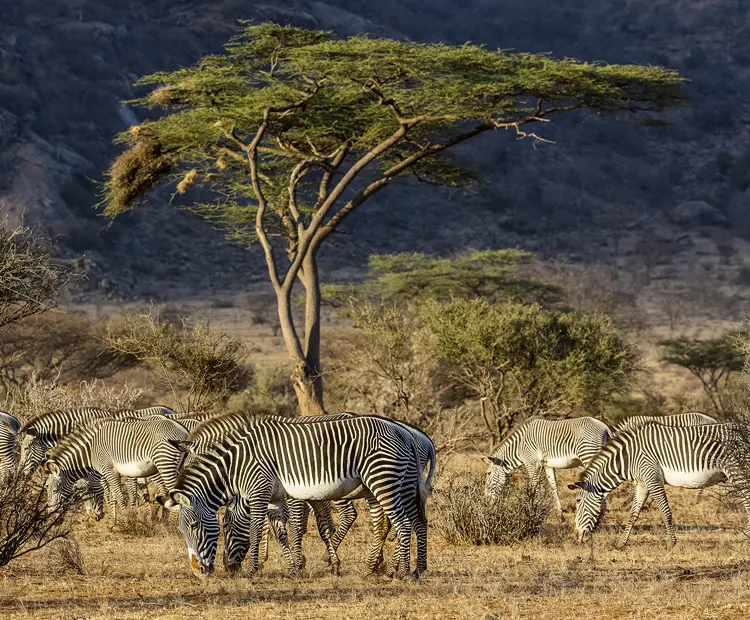
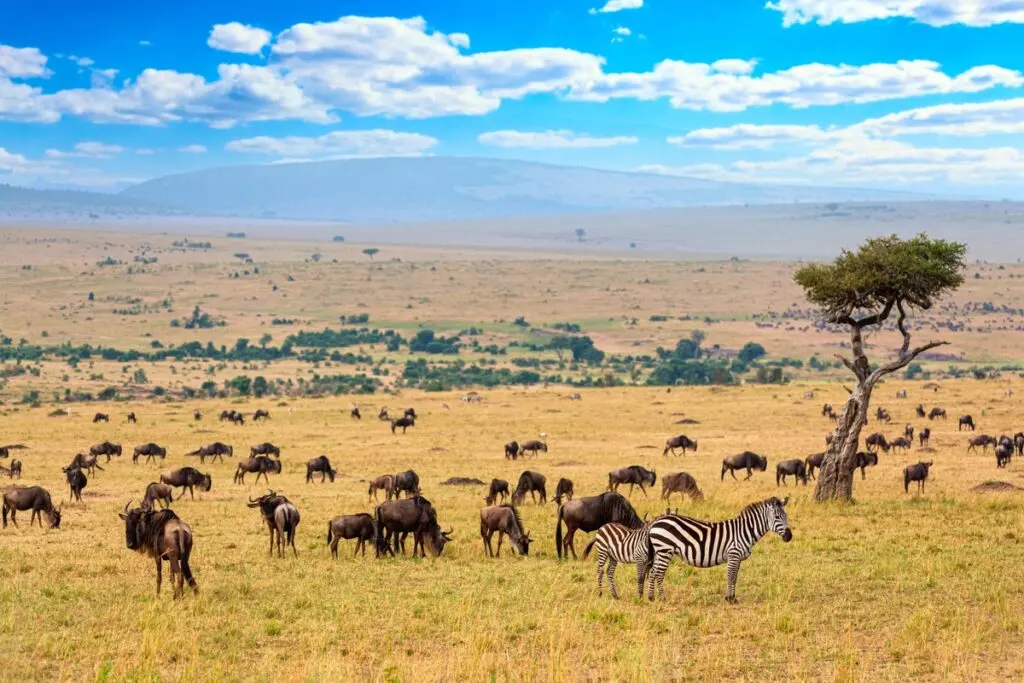
Survival in the savanna requires specialized adaptations to endure both fire and drought. Many trees, such as the iconic acacia, have developed thick, fire-resistant bark and deep taproots to reach groundwater during the dry season. Some species store water in their trunks, while others shed their leaves during the dry months to minimize moisture loss through transpiration. Grasses are equally resilient; they grow rapidly during the wet season and have extensive underground root systems that allow them to sprout quickly after a fire.
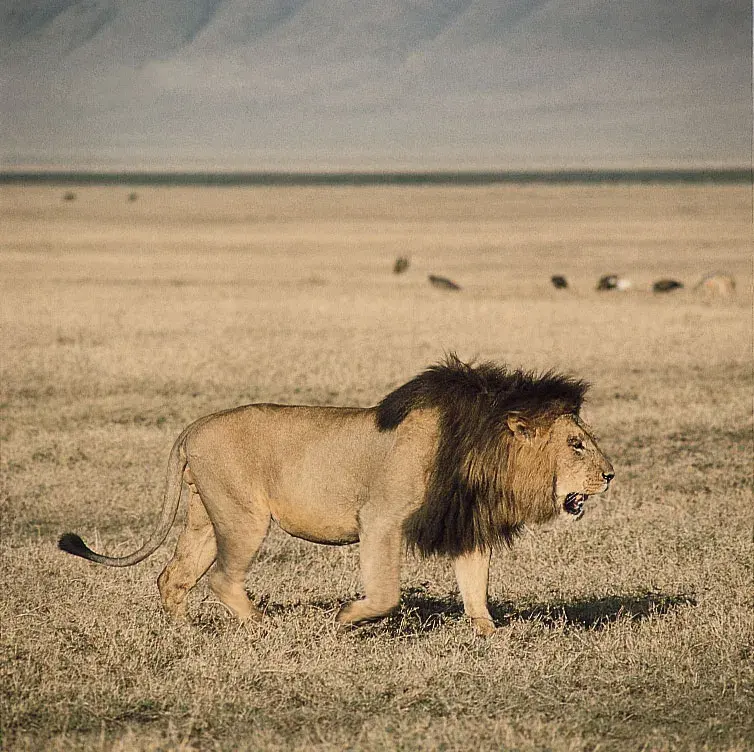
Animals have evolved equally impressive strategies to thrive in this environment. Many large mammals, such as wildebeest, zebras, and elephants, are migratory, moving across vast distances to follow the seasonal availability of water and fresh grazing grass. Predators like lions and cheetahs have developed stealth and speed to hunt in the open, sparse landscape. Small mammals and reptiles often retreat into burrows to escape the midday heat, emerging only during the cooler dawn or dusk hours to feed.
Common mistakes when identifying a savanna
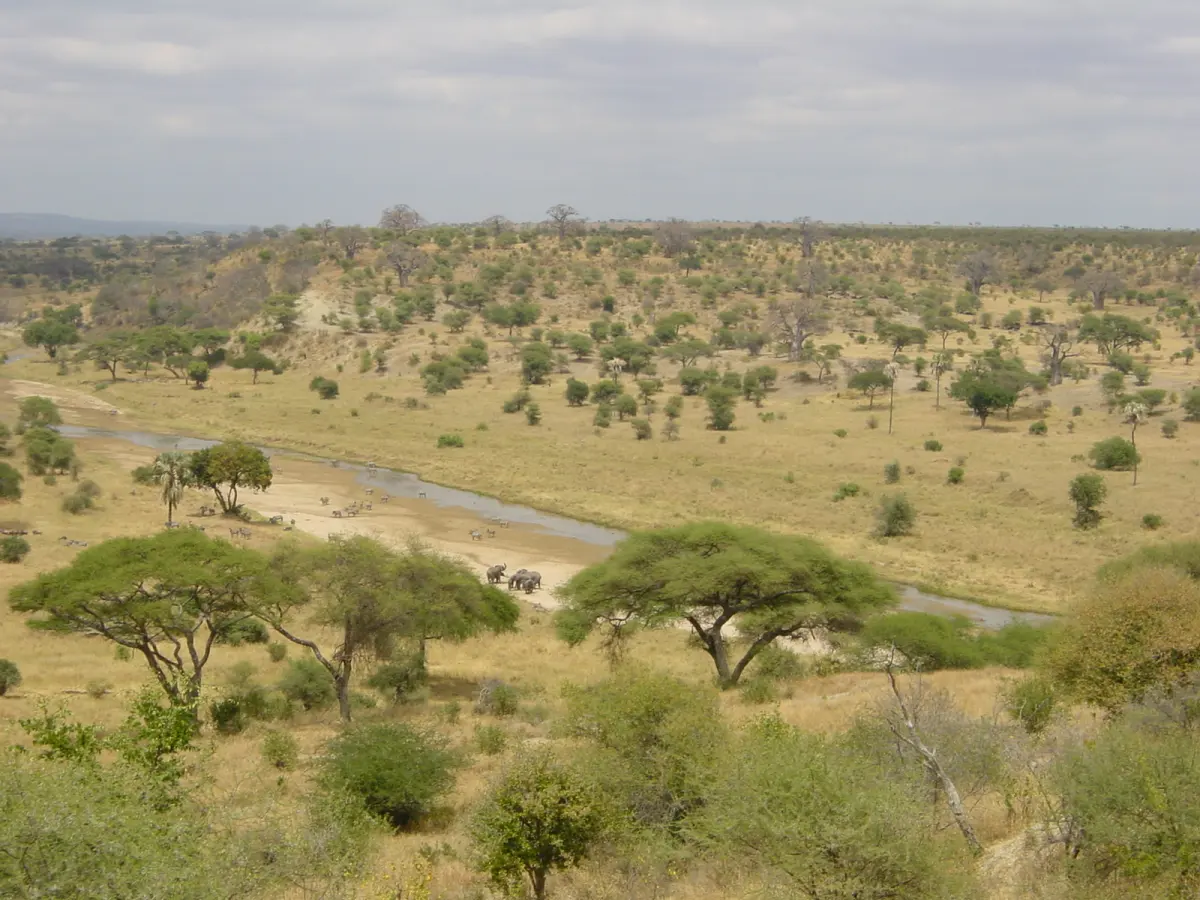
A frequent error is confusing a savanna with a temperate grassland or a tropical rainforest. Unlike rainforests, savannas do not have a closed canopy of trees, meaning sunlight reaches the ground to support a thick layer of grass. Unlike temperate grasslands, such as the North American prairies, savannas are found in tropical regions and remain warm throughout the entire year. Another common mistake is assuming that all savannas look identical; in reality, they vary from "tree savannas" with dense clusters of shrubs to "grass savannas" that appear almost entirely open.
To accurately identify a savanna, look for these specific indicators:
- The presence of a dominant grassy layer that covers the majority of the ground.
- A scattered distribution of trees that allows sunlight to reach the grasses.
- Evidence of seasonal fire, which is a natural process that prevents trees from taking over.
- A distinct, predictable dry season that persists for several months annually.
What is the role of fire in the savanna?
Fire is not merely a destructive force in the savanna; it is an essential ecological tool that maintains the balance of the biome. Without regular fires, many savanna regions would eventually transition into dense woodlands or forests, as trees would outcompete the grasses for sunlight and space. Lightning strikes during the start of the rainy season often ignite these fires naturally, clearing away dead vegetation and returning vital nutrients to the soil. This process encourages new, nutrient-rich growth that is highly palatable for grazing herbivores.
Humans have also used fire as a management tool for thousands of years to clear land and encourage the growth of grasses for livestock. However, modern fire management can be complex due to the encroachment of agriculture and urban development. If fires occur too frequently, they can prevent trees from maturing, leading to a loss of habitat for birds and arboreal species. Conversely, suppressing fire entirely leads to "bush encroachment," where woody shrubs thicken and choke out the grasses that the entire savanna food web depends upon for survival.
Key facts
- A savanna is a tropical or subtropical grassland characterized by widely spaced trees that allow sunlight to reach the ground.
- These ecosystems experience distinct wet and dry seasons, with the majority of annual rainfall occurring during a few intense months.
- Savannas cover approximately 20 percent of the Earth's total land surface, with the largest expanse located in Africa.
- Fire is a vital ecological process in savannas, as it clears out woody shrubs and stimulates the growth of nutrient-rich grasses.
- To identify a savanna, look for a continuous layer of grass that persists even when the tree canopy is sparse.
- Avoid confusing savannas with steppes; steppes are temperate grasslands that lack the woody, tropical tree species found in savanna biomes.
The bottom line
Savannas are dynamic, fire-dependent ecosystems defined by a balance between grasses and scattered trees. By cycling through intense wet and dry seasons, they support massive populations of wildlife and provide essential global carbon storage. Understanding these landscapes requires recognizing the vital role of seasonal change and natural disturbance, which together maintain the open, productive structure necessary for the survival of diverse plant and animal species.
People also ask
Which animals are most commonly found in savannas?
Savannas are home to iconic megafauna such as lions, elephants, giraffes, zebras, and wildebeests. These animals have adapted to the open landscape and the seasonal availability of water and grazing resources.
How do savanna trees survive the long dry season?
Many savanna trees, such as the baobab and acacia, have evolved deep root systems to reach groundwater. Some species also store water in their trunks or shed their leaves during the dry period to reduce moisture loss.
What is the primary difference between a savanna and a rainforest?
The main difference is rainfall; rainforests receive consistent, heavy precipitation throughout the year, while savannas have a long, severe dry season. This lack of water prevents the formation of a dense, closed-canopy forest.
Why are savannas important for the global climate?
Savannas act as significant carbon sinks, storing vast amounts of carbon in their extensive underground root systems. They also play a crucial role in regulating regional water cycles and supporting biodiversity.
Are all savannas located in Africa?
No, while the African savanna is the most famous, these biomes also exist in South America, Australia, and parts of South Asia. Each region features unique plant and animal species adapted to their specific local climate.
How does human activity impact savanna ecosystems?
Human activities like overgrazing, agricultural expansion, and fire suppression threaten savanna health. These actions can lead to desertification, where the land loses its ability to support grasses and becomes barren.
This answer was created with the help of AI research tools and reference sources. Spotted an error? Let us know — we correct mistakes quickly. See our editorial policy.