What is a group of kittens called?
Short answer
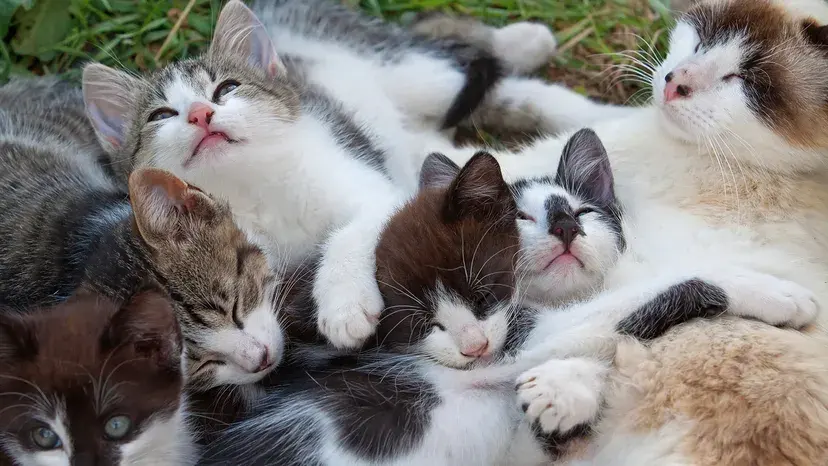
A group of kittens is most commonly called a kindle. While people sometimes use the term litter to describe kittens born to the same mother at one time, a kindle specifically refers to a group of young kittens. You may also occasionally hear them referred to as a mess of kittens.
On this page
What is a group of kittens called?
A kindle is the standard collective noun used to describe a group of kittens. This term is derived from the Middle English word "kindlen," which relates to the act of giving birth. While many people colloquially refer to a group of kittens as a litter, that term technically refers to all offspring born during a single pregnancy, regardless of the species.
Using the term kindle helps distinguish between the biological event of birth and the social grouping of the animals. In casual conversation, you are more likely to hear "litter" used by veterinarians and breeders, but "kindle" remains the linguistically accurate collective noun. Understanding these terms ensures clarity when discussing feline reproduction and the care of young cats in various professional or social settings.
How do you care for a newborn kindle?
Caring for a newborn kindle requires significant attention to environmental stability and nutrition. Kittens are born blind, deaf, and unable to regulate their own body temperature, making them entirely dependent on their mother for the first few weeks of life. If the mother is absent, human intervention must be immediate and precise.
To ensure the health of a kindle, follow these essential steps:
- Maintain a warm, draft-free environment with a heating pad set to low, ensuring there is space for the kittens to move away from the heat.
- Weigh each kitten daily using a digital kitchen scale to monitor consistent weight gain, which is the primary indicator of health.
- Provide high-quality kitten milk replacer every two to three hours if the mother is unable to nurse, using a specialized bottle or syringe.
- Consult a veterinarian immediately if any kitten shows signs of lethargy, refusal to feed, or persistent crying.
Why does a mother cat move her kittens?
Mother cats, known as queens, frequently move their kittens to different locations during the first few weeks of life. This instinctual behavior is primarily driven by a need to protect the kindle from potential predators or environmental threats. In a domestic setting, a queen might move her kittens because she feels the current nesting site is too exposed, noisy, or dirty.
If you observe a queen moving her kittens, it is important to respect her need for privacy and security. Providing a quiet, secluded area with a soft box or carrier can reduce her stress levels. Avoid handling the kittens excessively during this time, as the mother may become defensive or feel that her nest has been compromised. Keeping the environment calm and consistent will eventually encourage the mother to settle in one location.
Common mistakes when handling kittens
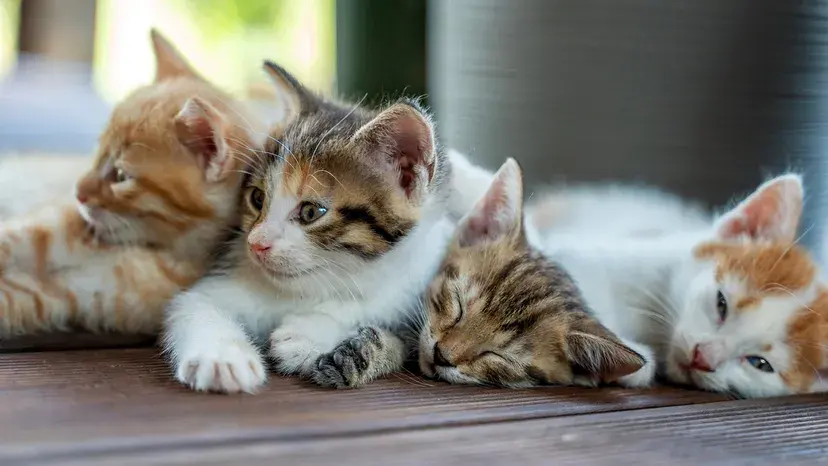
Handling a young kindle incorrectly can lead to physical injury or unnecessary stress for both the kittens and the mother. One of the most frequent errors is picking up kittens too often before they have reached three or four weeks of age. Excessive human contact can transfer bacteria to the kittens, whose immune systems are still developing, and may cause the mother to reject them.
To avoid common pitfalls, keep these guidelines in mind:
- Always wash your hands thoroughly with unscented soap before and after touching the kittens to prevent the spread of germs.
- Support the kitten’s entire body when lifting it, rather than grasping it by the scruff, to avoid putting strain on their developing muscles.
- Keep the interaction brief and quiet, ensuring the mother cat can see and hear her kittens at all times to minimize her anxiety.
- Never attempt to feed a kitten while it is lying on its back, as this can cause the liquid to enter the lungs and lead to aspiration pneumonia.
When do kittens become independent?
The transition from a dependent kindle to independent cats is a gradual process that typically occurs between six and twelve weeks of age. During the first four weeks, the kittens rely solely on their mother's milk. By the fifth or sixth week, they begin to show interest in solid food and start the weaning process. This is also the period when they begin to explore their surroundings and develop social behaviors.
Socialization is a critical component of this developmental stage. Kittens learn how to interact with others by playing with their siblings and observing their mother's reactions to different stimuli. By eight weeks, most kittens are physically capable of eating solid food and using a litter box. Providing a stimulating environment with safe toys and varied textures during this window helps them grow into confident, well-adjusted adult cats.
Key facts
- A group of kittens is most commonly referred to as a "kindle."
- The term "litter" is used to describe kittens born to the same mother at one time.
- A group of adult cats is formally known as a "clowder."
- When referring to a group of wild cats, the term "destruction" is occasionally used.
- Kittens are typically born in litters ranging from one to nine individuals.
- Using the term "kindle" is accurate, though "litter" is more common in casual conversation.
The bottom line
While the specific collective noun for a group of kittens is a "kindle," the term "litter" remains the most practical and widely understood descriptor for siblings born to the same mother. Understanding these terms helps clarify communication when discussing feline care or biology. Whether you refer to them as a kindle or a litter, these young animals require consistent socialization and veterinary care to thrive.
People also ask
How many kittens are usually in a litter?
A typical domestic cat litter consists of four to six kittens. However, the number can vary significantly depending on the cat's age, health, and breed.
At what age do kittens stop being considered a litter
Kittens are generally considered a litter until they are weaned, which usually occurs between six and eight weeks of age. After this period, they become more independent and are often referred to as young cats.
Is there a specific name for a group of kittens playing together?
There is no formal scientific term for kittens playing, though they are often described as a "mischief" due to their high energy levels. This is a descriptive term rather than a collective noun.
Can different litters of kittens be raised together?
Yes, kittens from different litters can be raised together, a practice often called "socializing." It is important to ensure all kittens are healthy and vaccinated before introducing them to prevent the spread of illness.
What is the difference between a kindle and a clowder?
A kindle specifically refers to a group of kittens, whereas a clowder refers to a group of adult cats. These terms are part of the specialized vocabulary known as terms of venery.
Are there other names for groups of cats?
Beyond a clowder, a group of cats may be called a "glaring" or a "pounce." These terms are largely poetic or archaic and are rarely used in scientific or veterinary contexts.
This answer was created with the help of AI research tools and reference sources. Spotted an error? Let us know — we correct mistakes quickly. See our editorial policy.