How long do sheep live?
Short answer
Domestic sheep typically live between 10 and 12 years. While some individuals may reach 15 to 20 years under exceptional care, most commercial or farm sheep have shorter lifespans due to production demands or environmental factors. Genetics, breed, nutrition, and the quality of veterinary care are the primary determinants of longevity.
On this page
How long do sheep live on average
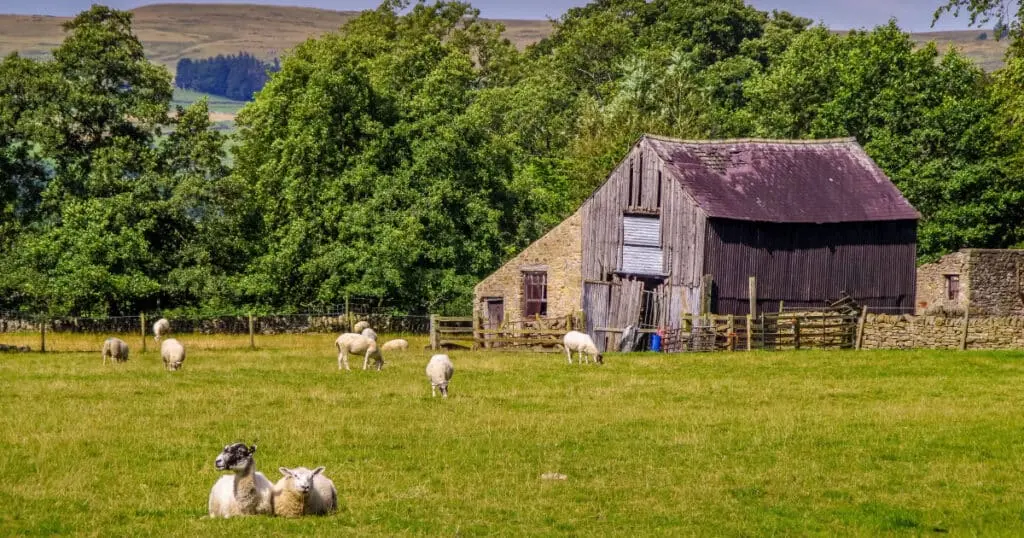
The lifespan of a sheep is heavily influenced by its environment, purpose, and breed. While the biological potential for a sheep is roughly 20 years, the reality for most animals is significantly shorter. In a managed farm setting, a sheep is considered "aged" once it passes the seven-year mark, at which point its productivity—whether in wool production or lambing—typically begins to decline.
Several factors dictate how long an individual animal survives. These include:
- Breed characteristics: Hardy mountain breeds often outlive delicate commercial meat breeds.
- Management style: Pet sheep or those in small hobby flocks often live longer than those in large commercial operations.
- Predator pressure: Access to secure, predator-proof housing significantly increases survival rates.
- Veterinary oversight: Regular vaccination and parasite control programs prevent common, life-shortening illnesses.
Ultimately, a sheep’s lifespan is a reflection of the resources invested in its health. Those kept as companions frequently reach the upper end of the age spectrum, while those in high-intensity agricultural systems are often culled once their peak output years have passed.
What affects the lifespan of a sheep
Nutrition is the most critical factor in determining how long a sheep lives. Sheep are ruminants that require a balanced diet of high-quality forage, clean water, and access to essential minerals. Deficiencies in selenium or copper can lead to chronic health issues that weaken the immune system, making the animal susceptible to secondary infections. Overfeeding, particularly with high-grain diets, can lead to metabolic diseases like acidosis or bloat, which can be fatal if not treated immediately.
Environmental stressors also play a major role in longevity. Exposure to extreme weather, poor ventilation in barns, or overcrowding can lead to respiratory diseases like pneumonia, which is a leading cause of death in sheep flocks. Maintaining a clean, dry environment is essential for hoof health; foot rot and other infections can cause an animal to become lame, making it difficult for them to forage and maintain the body condition necessary to survive harsh winters or periods of drought.
How to care for aging sheep
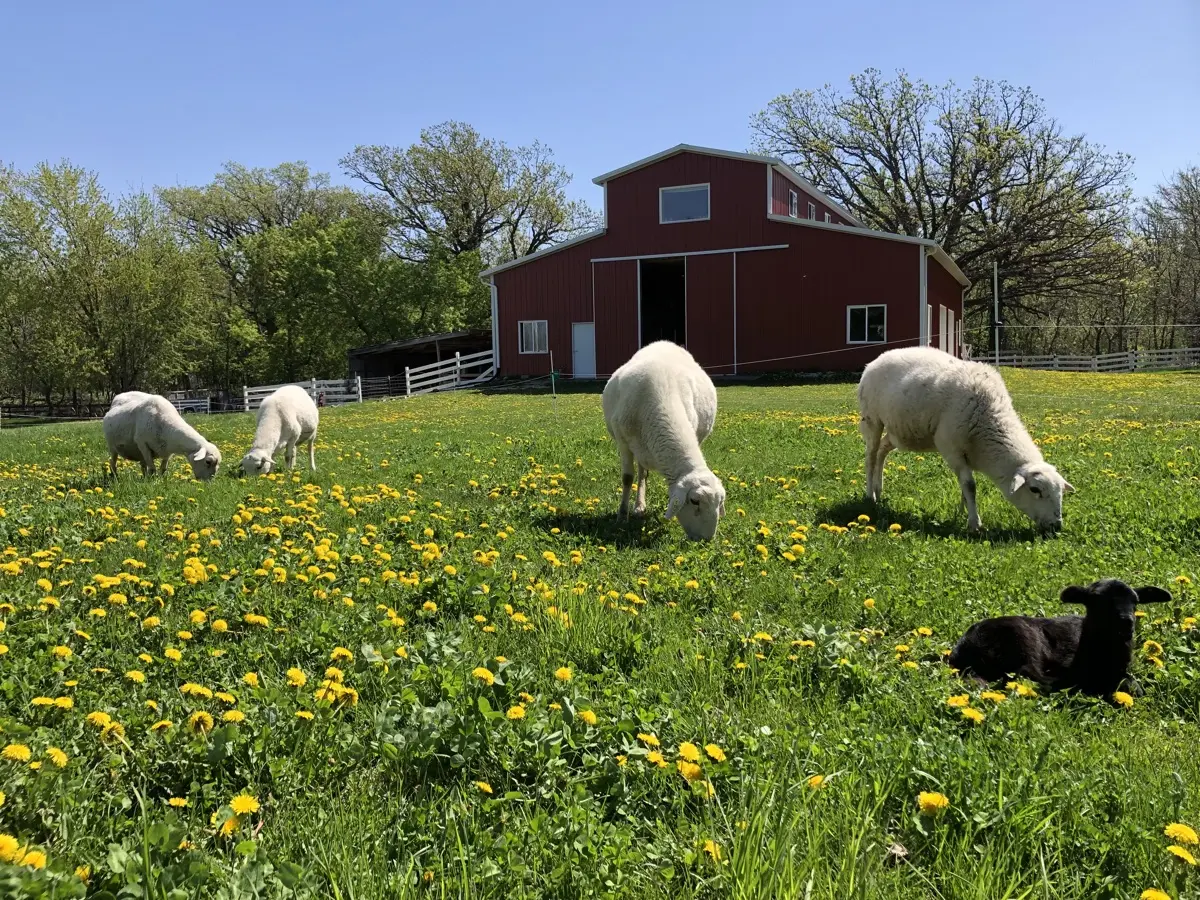
As sheep enter their senior years, they require specialized management to maintain a good quality of life. Their teeth, which are essential for grinding forage, often begin to wear down or fall out, a condition known as "broken mouth." This makes it difficult for them to chew efficiently, leading to weight loss and malnutrition. Providing softer, high-quality hay or supplemental feed can help these animals maintain their weight.
To ensure your aging sheep stays healthy, follow these practical steps:
- Conduct monthly body condition scoring to monitor weight loss.
- Provide easy access to water and shelter to minimize energy expenditure.
- Schedule regular dental checkups with a veterinarian to identify issues early.
- Separate older sheep from younger, more aggressive flock members during feeding times.
By adjusting their diet and reducing competition for resources, owners can extend the life of an aging sheep by several years.
Common mistakes when raising sheep
One of the most frequent mistakes owners make is failing to implement a robust parasite control program. Internal parasites, such as barber’s pole worm, are a silent killer that can cause anemia and death in a short period. Relying solely on chemical dewormers without performing fecal egg counts often leads to parasite resistance, rendering the medication ineffective. A better approach involves rotational grazing and selective treatment of only the most vulnerable animals.
Another common error is neglecting hoof maintenance. Sheep are prone to foot scald and foot rot, especially in wet climates. If left untreated, these infections cause extreme pain and prevent the sheep from moving to graze. Many owners also fail to provide adequate mineral supplementation. Because soil quality varies greatly, sheep often do not get the micronutrients they need from grass alone. Providing a species-specific mineral block is a low-cost insurance policy against long-term health decline.
Why sheep health declines over time
The natural aging process in sheep involves a gradual decline in the efficiency of their digestive and immune systems. As an animal ages, its ability to process nutrients decreases, meaning it requires higher-quality feed to achieve the same results as a younger sheep. Furthermore, the immune system becomes less responsive to vaccines and less capable of fighting off common environmental pathogens. This makes older sheep highly vulnerable to opportunistic infections that a younger, more robust animal would easily overcome.
Genetics also play a role in how gracefully a sheep ages. Some breeds have been selected specifically for rapid growth and high production, which can place a significant metabolic strain on the body over time. In contrast, landrace or heirloom breeds often possess more robust constitutions and slower metabolic rates, which may contribute to a longer natural lifespan. Understanding the specific needs of your breed is essential for providing the right level of care throughout the animal's entire life cycle.
Key facts
- Most domestic sheep have an average lifespan of 10 to 12 years.
- Ewes often live slightly longer than rams due to the physical stresses of breeding.
- Proper dental care is essential, as sheep rely on their molars to grind forage throughout their lives.
- Internal parasites, such as barber’s pole worms, are the leading cause of premature death in managed flocks.
- Providing a clean, dry environment and consistent access to fresh water significantly reduces the risk of foot rot and pneumonia.
- Sheep are social animals; keeping them in a flock reduces stress, which directly contributes to a longer, healthier life.
The bottom line
While domestic sheep typically live between 10 and 12 years, proactive management can often extend their longevity. By prioritizing consistent parasite control, routine dental monitoring, and high-quality nutrition, owners can ensure their animals remain healthy well into their senior years. Ultimately, providing a low-stress, social environment is the most practical strategy for maintaining the well-being of a flock and maximizing the lifespan of individual sheep.
People also ask
How can I tell how old a sheep is?
You can estimate a sheep's age by examining its front teeth. Lambs have temporary milk teeth, while permanent incisors emerge as they mature, with a full set of adult teeth usually present by age four.
What are the most common health problems for aging sheep?
Older sheep frequently suffer from worn-down teeth, which makes grazing difficult and leads to malnutrition. Arthritis and chronic respiratory issues also become more prevalent as the animal reaches the end of its natural life cycle.
Do different sheep breeds have different life expectancies?
Yes, hardier, primitive breeds like the Soay or Shetland sheep often live longer than highly specialized commercial breeds. These breeds have evolved to survive in harsher conditions, which typically correlates with greater overall physical resilience.
At what age is a sheep considered a senior
A sheep is generally considered a senior once it reaches seven or eight years of age. At this stage, producers often transition them to softer pastures or supplemental feed to compensate for declining dental health.
Does shearing affect a sheep's lifespan?
Regular shearing is vital for health, as it prevents overheating and reduces the risk of flystrike, a life-threatening infestation of maggots. Neglecting to shear a sheep can lead to severe distress and secondary infections that shorten its life.
Can diet extend a sheep's life?
A balanced diet rich in high-quality forage and proper mineral supplementation is the most effective way to extend life. Avoiding over-supplementation with grains helps prevent metabolic disorders like urinary calculi, which are common in rams.
This answer was created with the help of AI research tools and reference sources. Spotted an error? Let us know — we correct mistakes quickly. See our editorial policy.