What are the benefits of knitting?
Short answer
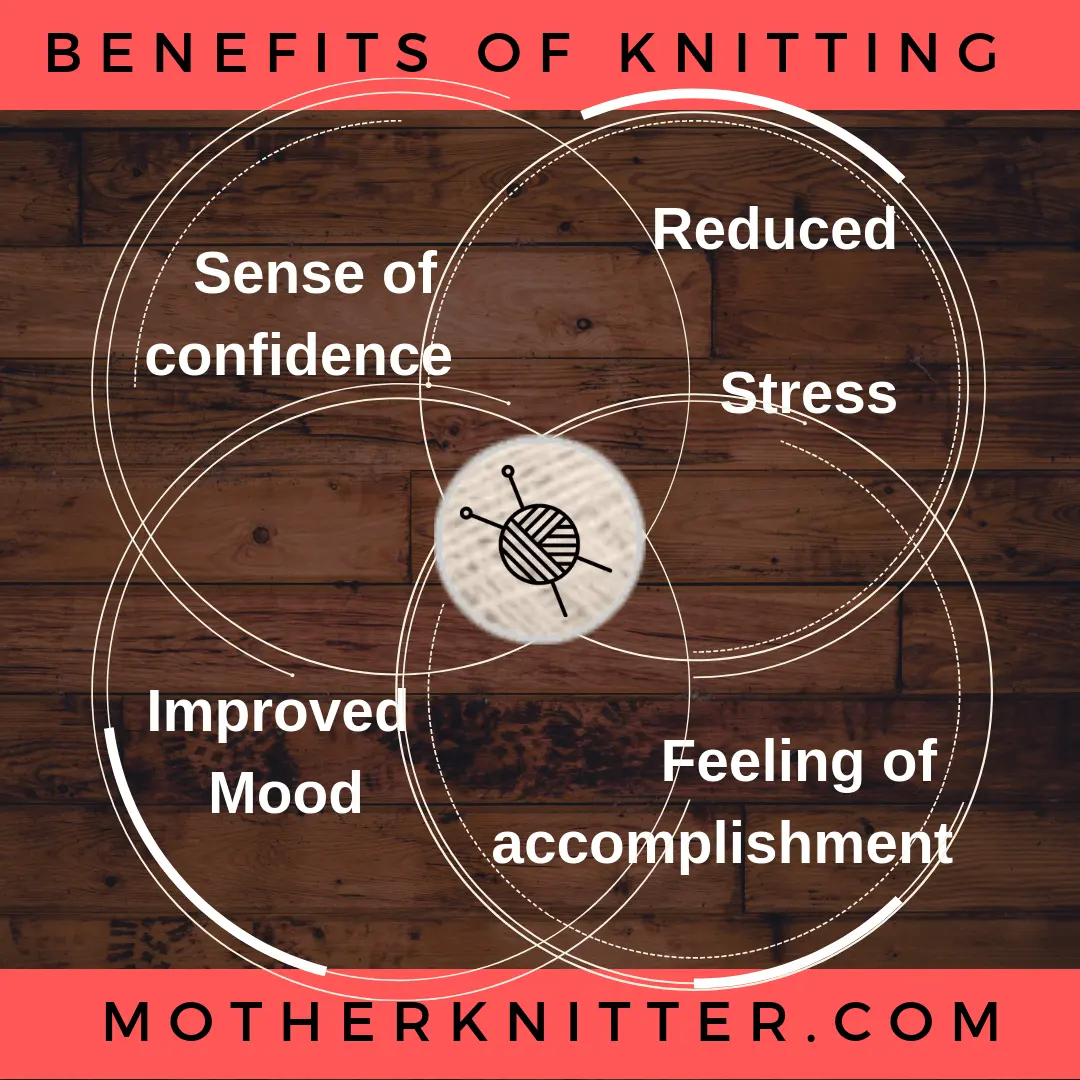
Knitting offers significant mental and physical health benefits, including stress reduction, improved cognitive function, and enhanced fine motor skills. The rhythmic, repetitive nature of the craft induces a meditative state, lowering cortisol levels and blood pressure. Additionally, it fosters a sense of accomplishment by transforming raw yarn into functional, personalized textile goods.
On this page
How knitting improves mental health
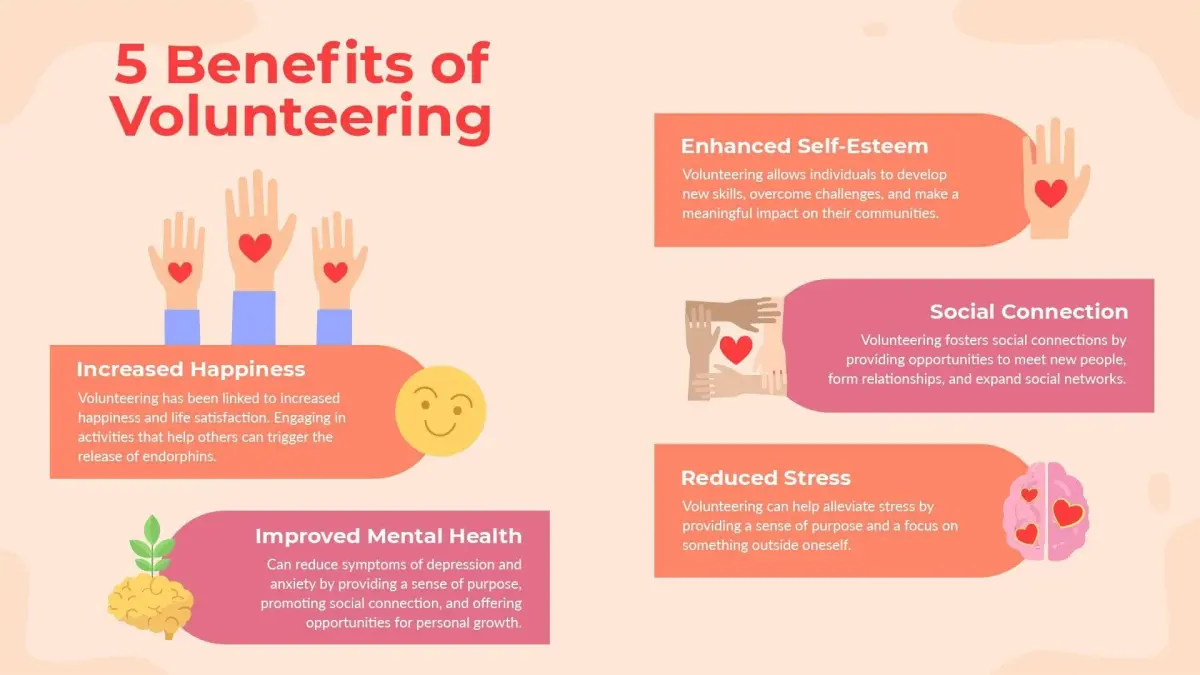
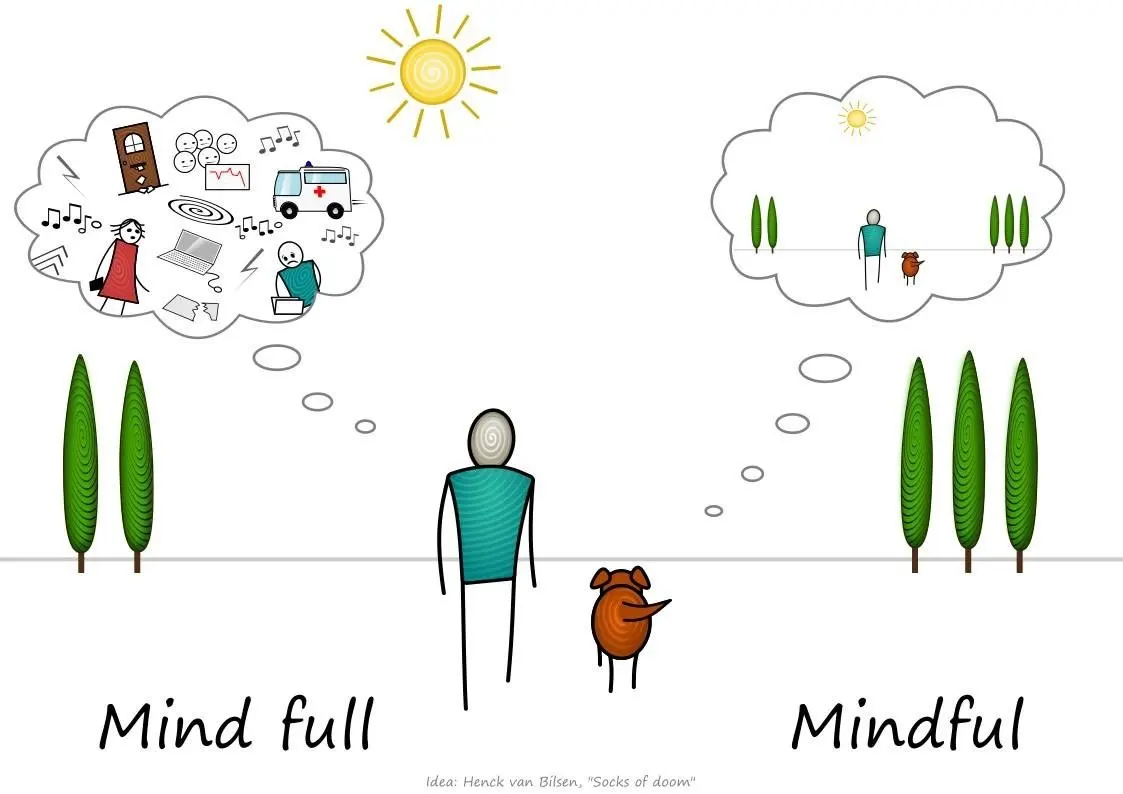
Engaging in knitting acts as a form of mindfulness meditation that helps regulate the nervous system. The repetitive motion of moving needles back and forth creates a rhythmic pattern that encourages deep breathing and focus. Research suggests that this meditative state can lower heart rates and decrease levels of the stress hormone cortisol. By shifting attention away from daily anxieties and onto the tactile sensation of yarn, practitioners often report a significant reduction in symptoms of anxiety and depression.
Beyond immediate stress relief, the craft provides a healthy outlet for emotional expression and self-soothing. Many individuals find that the quiet, solitary nature of knitting allows them to process complex thoughts in a non-judgmental environment. This mental break is essential for maintaining emotional balance in a fast-paced world. Furthermore, the satisfaction of completing a project releases dopamine, a neurotransmitter associated with pleasure and reward, which boosts overall mood and motivation.
How knitting boosts cognitive function
Knitting is a complex cognitive task that requires the brain to process spatial patterns, mathematical sequences, and motor coordination simultaneously. Each stitch involves a specific series of movements that engage both the left and right hemispheres of the brain. This constant mental stimulation helps maintain neural pathways, which can be particularly beneficial for aging adults. Studies have indicated that engaging in regular craft-based activities may help delay the onset of cognitive decline and improve memory retention.
The process involves several distinct mental exercises that strengthen executive function:
- Pattern reading: Interpreting symbolic charts requires logical reasoning and attention to detail.
- Stitch counting: Keeping track of rows and repeats reinforces basic arithmetic skills and concentration.
- Spatial awareness: Visualizing how two-dimensional fabric will drape as a three-dimensional garment improves spatial reasoning.
- Error detection: Identifying and fixing dropped stitches requires analytical problem-solving and patience.
Best yarn and needles for beginners
Starting a new hobby can be intimidating, but choosing the right materials makes the learning process significantly smoother. For beginners, it is best to avoid dark-colored or fuzzy yarns, as these make it difficult to see individual stitches. Instead, select a light-colored, worsted-weight wool or acrylic blend. These materials have enough elasticity to be forgiving if you make a mistake, and they are thick enough to handle easily without splitting or fraying during practice.
When selecting needles, prioritize comfort and grip over aesthetics. Bamboo or wooden needles are highly recommended for novices because they provide more friction than slick metal needles, preventing stitches from sliding off accidentally. Aim for a size US 8 (5.0 mm) to US 10 (6.0 mm), as these are large enough to hold comfortably without straining the hands. Follow these simple steps to begin your first project:
- Purchase a basic "garter stitch" scarf kit to ensure you have the correct yarn weight.
- Practice the "long-tail cast on" method to create your foundation row.
- Keep your tension loose to ensure you can easily insert the needle into the next stitch.
Common mistakes when learning to knit
Even experienced knitters encounter challenges, but beginners are particularly prone to a few specific errors. The most frequent issue is inconsistent tension, which occurs when a knitter pulls the yarn too tightly or too loosely throughout a row. This leads to uneven fabric that may look lumpy or have unintended holes. To avoid this, focus on maintaining a relaxed grip on your yarn and ensure that your stitches sit comfortably on the needle shaft rather than the tapered tips.
Another common pitfall is accidentally increasing or decreasing the stitch count. This often happens if a knitter inadvertently creates an extra loop or drops a stitch off the end of the needle. To prevent this, count your stitches at the end of every row to ensure the total matches your starting number. If you notice a hole or a missing stitch, do not panic; simply use a crochet hook to pick up the dropped loop and weave it back into the fabric.
How to avoid hand and wrist strain
While knitting is therapeutic, repetitive motions can lead to physical discomfort if proper ergonomics are ignored. To prevent repetitive strain injuries such as tendonitis or carpal tunnel syndrome, it is vital to maintain a neutral wrist position while working. Avoid hunching over your needles, as this puts unnecessary pressure on your neck and shoulders. Instead, sit in a supportive chair with your feet flat on the floor and keep your elbows close to your body to minimize strain.
Incorporate regular breaks into your routine to keep your muscles loose and flexible. Aim to stop every 30 minutes to stretch your hands, wrists, and fingers, ensuring that blood flow remains consistent throughout your practice. If you experience persistent pain or numbness, stop knitting immediately and allow your hands to rest for several days. By listening to your body and practicing moderate, intentional movements, you can enjoy the creative and health benefits of knitting for many years to come.
Key facts
- Knitting has been shown to lower heart rate and blood pressure by inducing a state of rhythmic, meditative focus.
- The repetitive motion of knitting engages the brain's executive functions, which can help improve memory and cognitive retention.
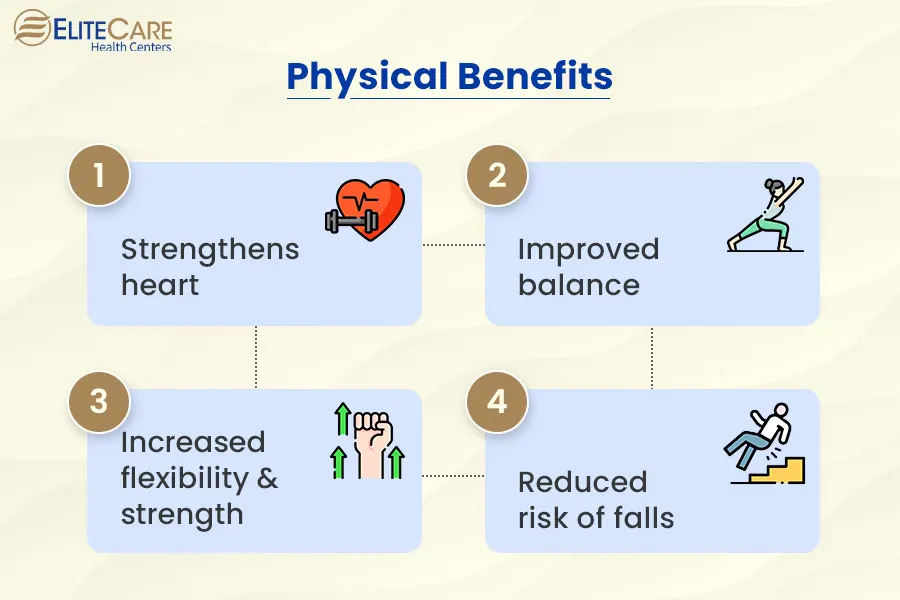
- Occupational therapists often recommend knitting to patients recovering from hand injuries to improve fine motor skills and range of motion.
- A 2013 survey by the craft social network Ravelry found that 81.5% of respondents felt happier after knitting.
- Knitting provides a sense of accomplishment by transforming raw yarn into a functional item, which boosts self-esteem and mental well-being.
- To avoid repetitive strain injuries, knitters should take a five-minute break for every 30 minutes of work to stretch their wrists and shoulders.
The bottom line
Knitting is a versatile hobby that offers significant mental and physical health benefits, including stress reduction, improved dexterity, and enhanced cognitive function. By mastering simple, repetitive motions, you can create functional items while engaging in a meditative practice. Whether you seek a creative outlet or a way to manage daily anxiety, knitting provides a practical, low-cost path to improved well-being and personal satisfaction.
People also ask
Is knitting difficult for beginners to learn?
Knitting is relatively easy to learn because it only requires two basic stitches: the knit stitch and the purl stitch. Most beginners can complete a simple scarf or headband within a few hours of practice.
What are the most common mistakes beginners make?
The most frequent error is accidentally adding or dropping stitches, which changes the width of the fabric. Beginners also often pull their yarn too tightly, making it difficult to insert the needle into the next loop.
Do I need expensive equipment to start?
You only need a pair of needles and a ball of yarn to begin. Many experts recommend starting with medium-weight wool or acrylic yarn and bamboo needles, which are less slippery than metal ones.
Can knitting help with anxiety?
Yes, the repetitive, bilateral movement of knitting functions similarly to mindfulness meditation. This rhythmic activity helps ground the nervous system and provides a healthy distraction from stressful thoughts.
How do I choose the right needle size?
Every ball of yarn has a label that suggests the appropriate needle size for that specific weight. Using the recommended size ensures the fabric has the correct drape and tension.
Does knitting help with arthritis?
While knitting can keep joints flexible, those with arthritis should use larger needles and ergonomic grips to reduce strain. It is important to stop immediately if you experience sharp pain or inflammation.
This answer was created with the help of AI research tools and reference sources. Spotted an error? Let us know — we correct mistakes quickly. See our editorial policy.