What are the benefits of creativity?
Short answer
Creativity enhances cognitive flexibility, emotional regulation, and professional problem-solving. By engaging in creative activities, individuals improve their ability to navigate complex challenges, reduce stress levels, and foster neuroplasticity. This essential human trait facilitates innovation, personal growth, and social connection, ultimately leading to a more adaptable and resilient approach to daily life.
On this page
Why creativity improves mental health
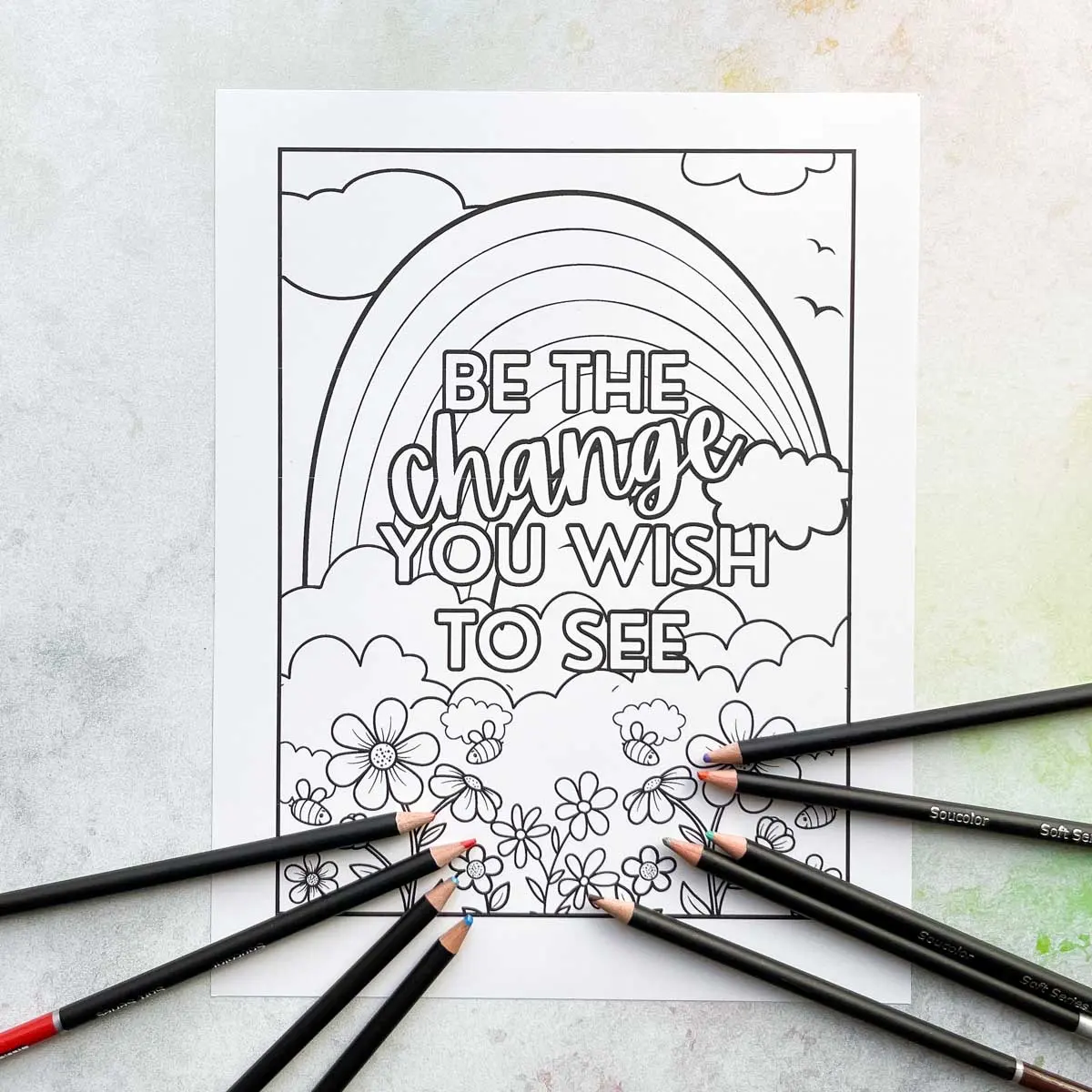
Engaging in creative expression serves as a potent tool for stress reduction and emotional processing. Research suggests that activities such as painting, writing, or playing music can lower cortisol levels, the body’s primary stress hormone. By focusing on a creative task, individuals enter a state of "flow," a psychological concept introduced by psychologist Mihaly Csikszentmihalyi in 1975. During this state, the brain experiences a decrease in self-consciousness and an increase in task-oriented focus, which provides a necessary respite from daily anxieties.
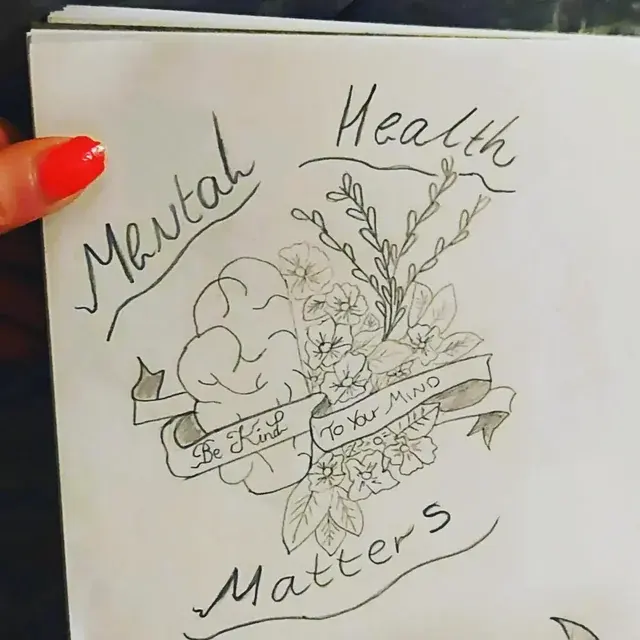
Beyond immediate stress relief, creativity supports long-term emotional well-being. Expressive arts therapy is frequently used to help individuals process trauma or navigate difficult life transitions. By externalizing internal experiences through a creative medium, people often find it easier to articulate complex emotions that are difficult to express through language alone. This process can lead to significant breakthroughs in self-awareness and mental clarity.
- Lowered heart rate and blood pressure during creative sessions.
- Improved mood regulation through the release of dopamine.
- Increased resilience against burnout in high-pressure environments.
How creativity boosts cognitive function
Creativity is intrinsically linked to neuroplasticity, the brain's ability to reorganize itself by forming new neural connections. When you engage in creative problem-solving, you challenge your brain to move beyond established patterns of thought. This exercise strengthens the executive functions of the prefrontal cortex, which governs decision-making, planning, and focus. Studies have shown that individuals who regularly participate in creative hobbies demonstrate higher levels of cognitive flexibility, allowing them to switch between different concepts with greater ease.
Furthermore, creativity acts as a form of cognitive reserve, which may help protect the brain against age-related decline. By constantly seeking novel solutions and learning new skills, you keep the brain active and adaptable. This mental stimulation is essential for maintaining memory and processing speed as one ages. Whether you are learning a new instrument or experimenting with a new cooking technique, you are effectively training your brain to stay agile and responsive to changing stimuli.
Best ways to practice creativity for beginners
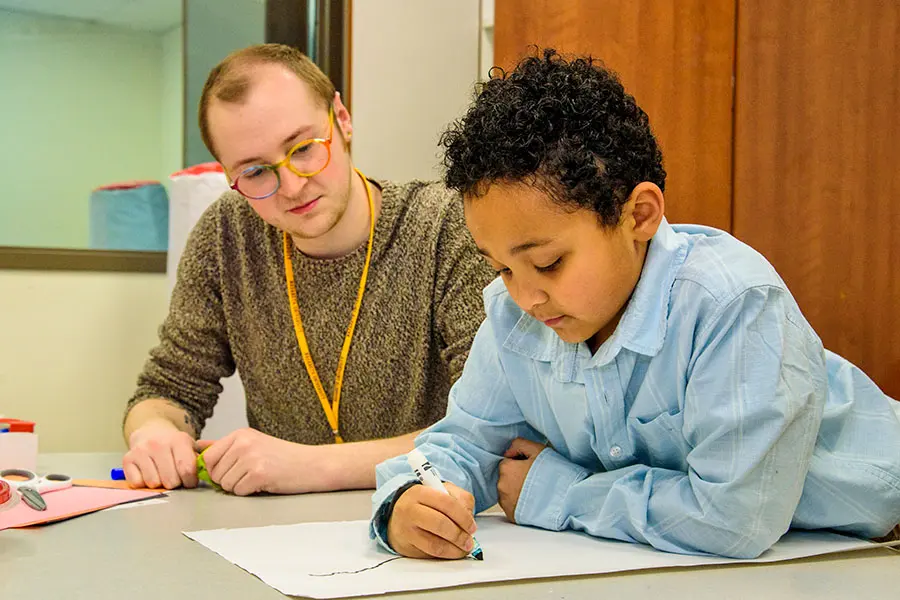
You do not need to be a professional artist to reap the benefits of creative thinking. The key is to prioritize the process over the final product. Start by setting aside small, manageable blocks of time each week dedicated to a low-stakes activity. This removes the pressure of perfectionism and allows you to explore different mediums without fear of failure. Consistency is far more important than intensity when building a creative habit.
- Choose a medium that interests you, such as sketching, journaling, or gardening.
- Dedicate 15 minutes daily to your chosen activity without distractions.
- Keep a "creative log" to document ideas or observations throughout the day.
- Seek out new environments or perspectives to stimulate fresh thoughts.
By following these steps, you create a structured environment that encourages experimentation. Remember that the goal is self-expression rather than external validation or commercial success.
Common mistakes when trying to be creative
The most significant barrier to creativity is the fear of judgment, both from others and from oneself. Many beginners abandon their creative pursuits because they compare their initial efforts to the work of masters. This "gap" between your taste and your current skill level is a common hurdle, but it is not a sign of a lack of talent. Instead, view this gap as a roadmap for what you have yet to learn and enjoy the journey of incremental improvement.
Another frequent mistake is waiting for "inspiration" to strike before beginning a project. Creativity is a practice, not a passive state of being. Relying on motivation often leads to procrastination, as inspiration is notoriously unpredictable. Instead, establish a routine that triggers your creative process regardless of how you feel in the moment. By showing up consistently, you train your brain to access creative states on demand, rather than waiting for an elusive spark.
- Over-editing work while it is still in the drafting phase.
- Setting unrealistic goals that lead to frustration.
- Neglecting to rest, which can lead to creative exhaustion.
Why creativity is essential for career success
In the modern workplace, creativity is increasingly valued as a core professional competency. It is the engine behind innovation, allowing employees to identify inefficiencies and develop novel solutions to complex business problems. Companies that foster a culture of creative thinking are better equipped to navigate market shifts and technological advancements. Professionals who can synthesize disparate pieces of information into a coherent strategy are often the most effective leaders in their respective fields.
Beyond technical innovation, creativity enhances interpersonal skills such as empathy and communication. Creative thinkers are often better at understanding different perspectives, which is vital for successful collaboration and conflict resolution. By applying creative approaches to team dynamics, you can foster a more inclusive and productive work environment. Ultimately, cultivating creativity is a strategic investment in your career, ensuring that you remain relevant and capable in an ever-evolving global economy.
Key facts
- Creativity enhances neuroplasticity, the brain's ability to form new neural connections, which helps delay cognitive decline.
- Engaging in creative hobbies for just 45 minutes can significantly lower cortisol levels, the body's primary stress hormone.
- Divergent thinking, the ability to generate multiple solutions to a single problem, is a core skill for professional adaptability.
- Creative expression improves emotional regulation by providing a non-verbal outlet for processing complex trauma or anxiety.
- Studies show that creative professionals often report higher levels of job satisfaction and resilience during organizational change.
- To boost creativity, practice "incubation" by stepping away from a task for 20 minutes to allow the subconscious to process information.
The bottom line
Creativity is a vital cognitive tool that extends far beyond the arts, offering tangible benefits for mental health, physical well-being, and professional success. By embracing a mindset of curiosity and allowing yourself the freedom to make mistakes, you can strengthen your brain's adaptability. Ultimately, creativity acts as a powerful mechanism for personal growth, enabling you to navigate life’s challenges with greater resilience and innovative perspective.
People also ask
Can creativity be learned or is it an innate talent?
Creativity is a skill that can be developed through deliberate practice and exposure to new experiences. Research suggests that while some individuals may have a natural predisposition, anyone can improve their creative output by consistently challenging their established routines.
How does creativity impact physical health?
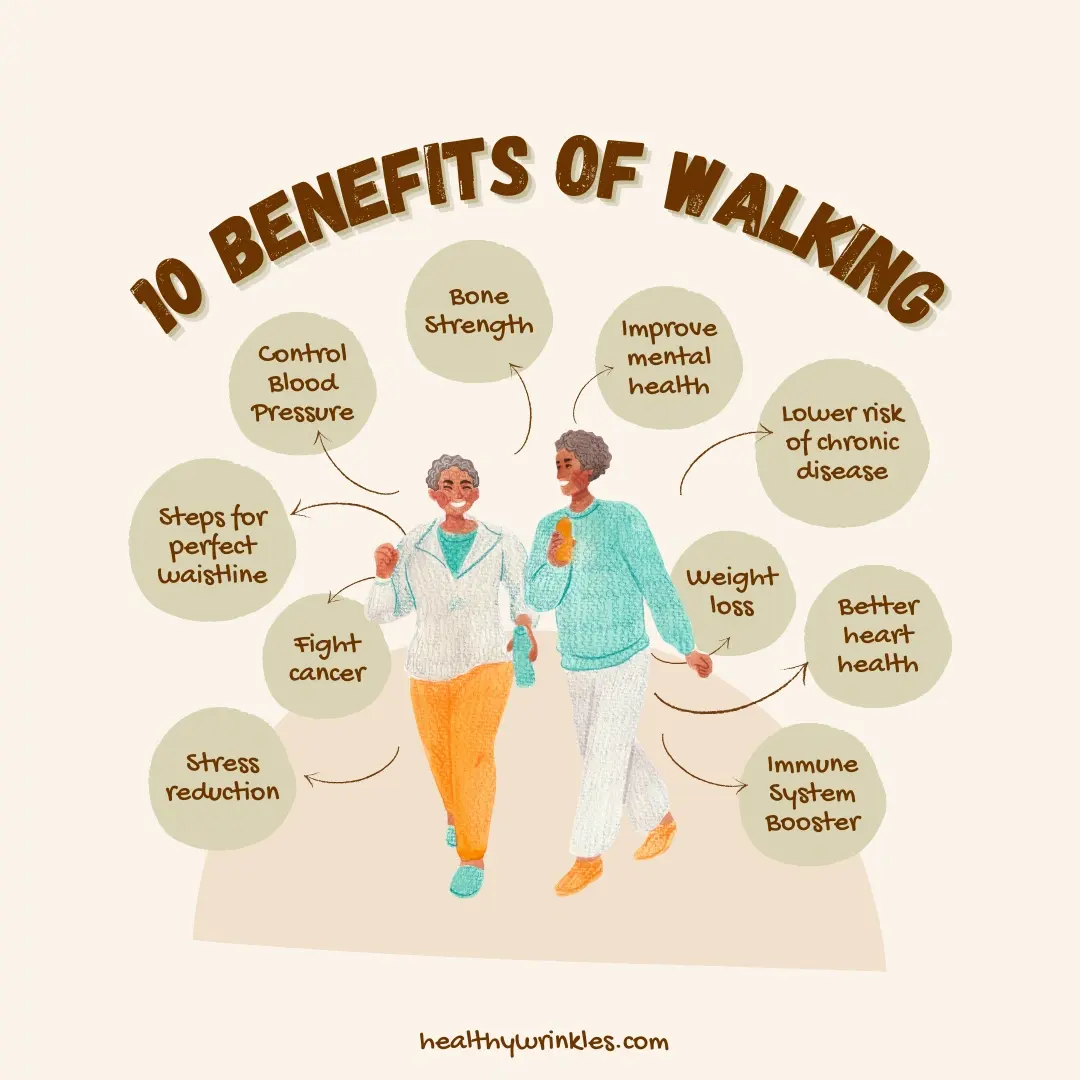
Creative activities like painting or playing music have been linked to lower blood pressure and improved immune system function. By reducing chronic stress, these activities help mitigate the physical wear and tear associated with long-term anxiety.
What is the most common mistake people make when trying to be creative?
The most frequent error is the fear of judgment or the pursuit of perfectionism during the initial drafting phase. This "inner critic" stifles the flow of ideas before they can be fully explored or refined.
How can I incorporate more creativity into a rigid daily schedule?
Start by dedicating 15 minutes a day to a low-stakes activity, such as sketching, free-writing, or solving a logic puzzle. Consistency is more effective for building creative habits than attempting long, infrequent sessions.
Does creativity help in non-artistic careers?
Yes, creativity is essential for innovation in fields like engineering, finance, and logistics. It allows professionals to identify inefficiencies and design novel strategies that improve productivity and problem-solving outcomes.
Why do I feel more creative when I am tired or relaxed?
When you are relaxed, your brain shifts into the "default mode network," which facilitates daydreaming and associative thinking. This state allows disparate ideas to connect in ways that are often blocked by the focused attention required for analytical tasks.
This answer was created with the help of AI research tools and reference sources. Spotted an error? Let us know — we correct mistakes quickly. See our editorial policy.